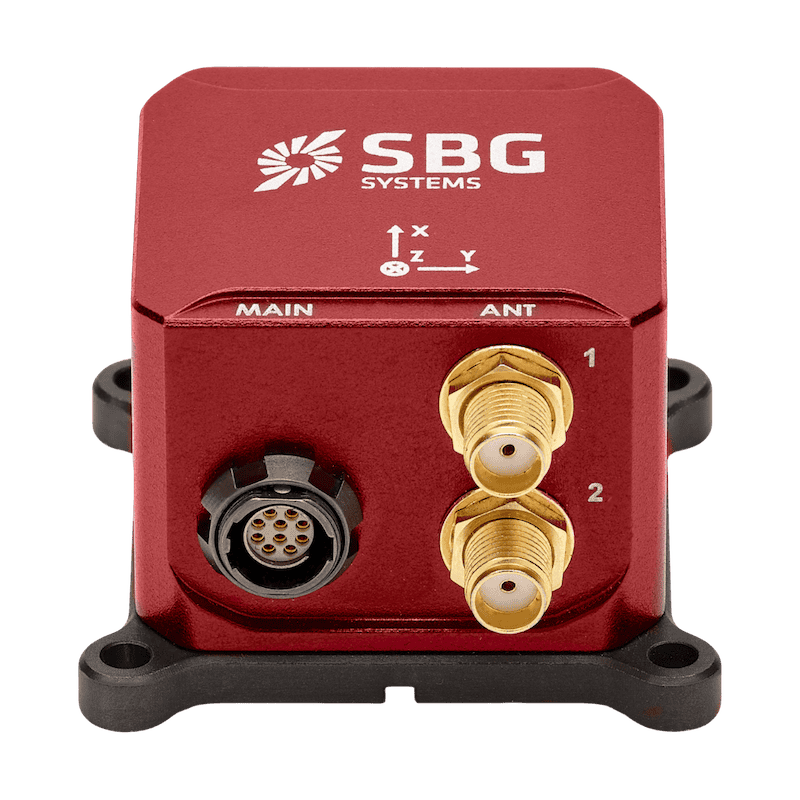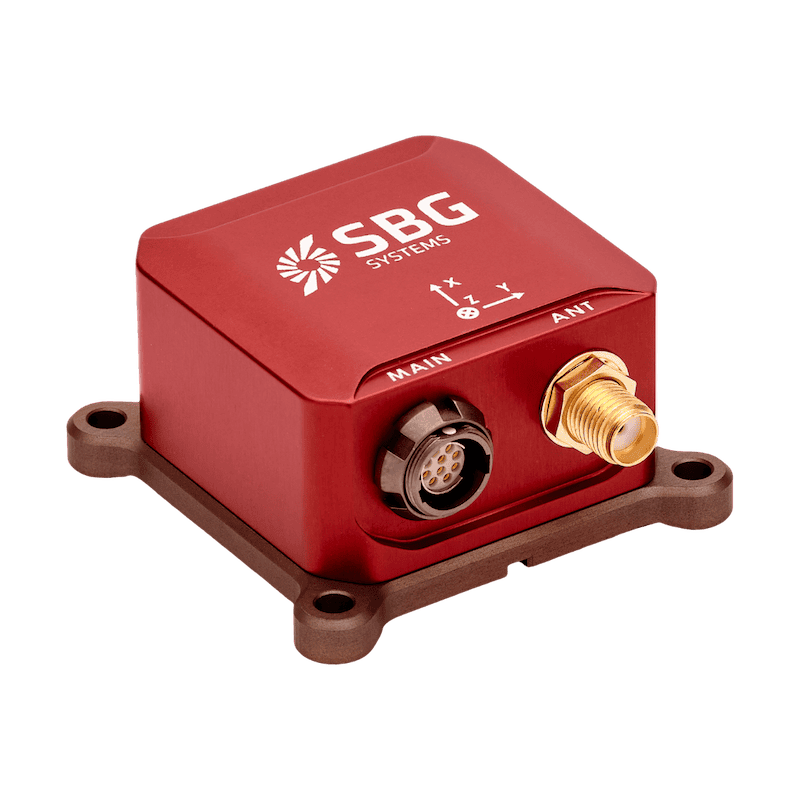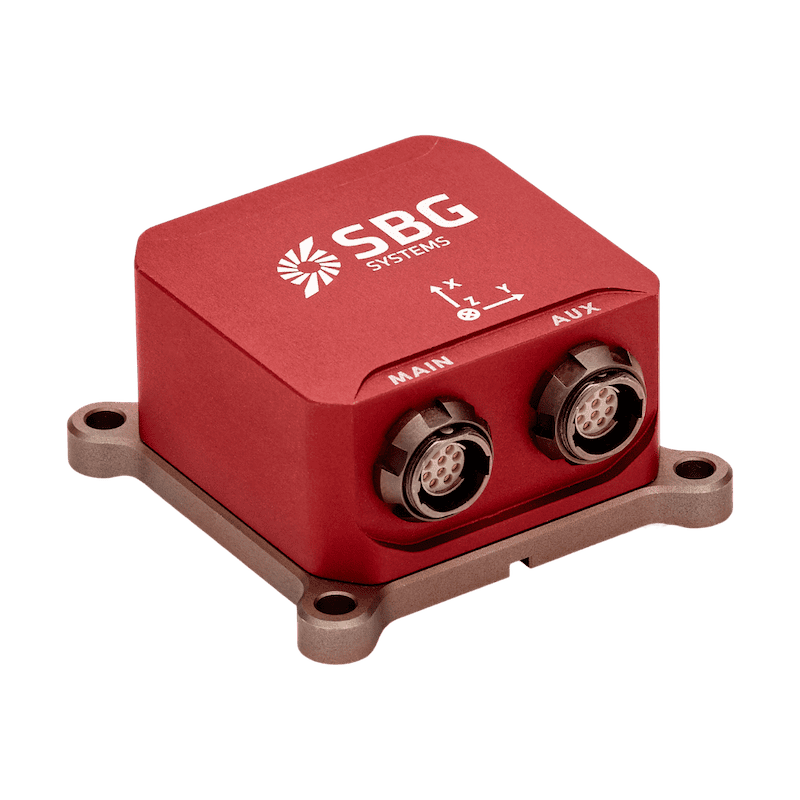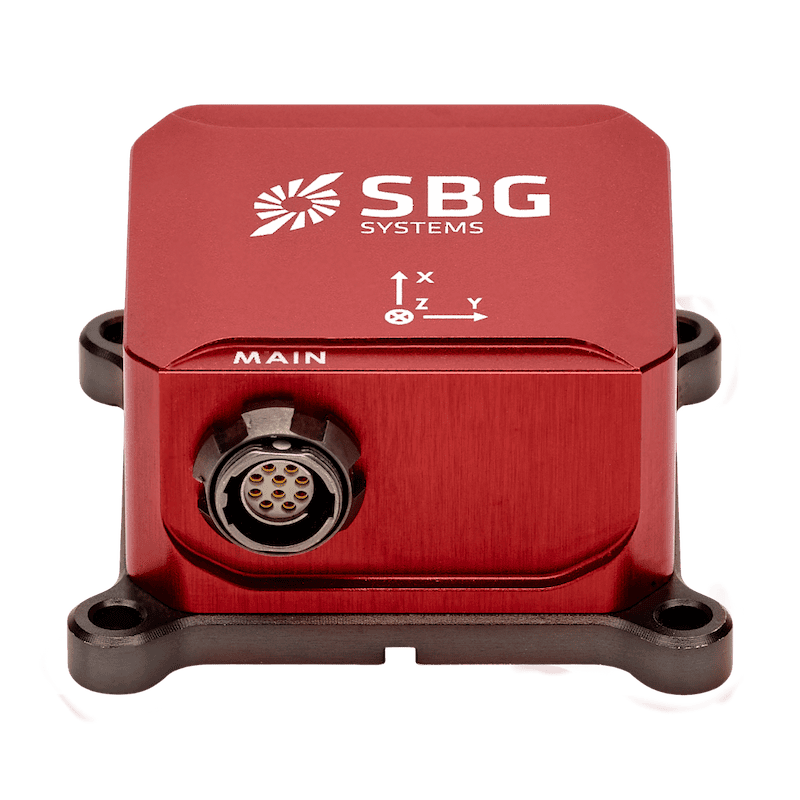





The latest generation of the SBG Systems Pulse-40 OEM introduces enhanced tactical-grade inertial sensing alongside integrated vibration monitoring within an ultra-compact, low-power footprint.
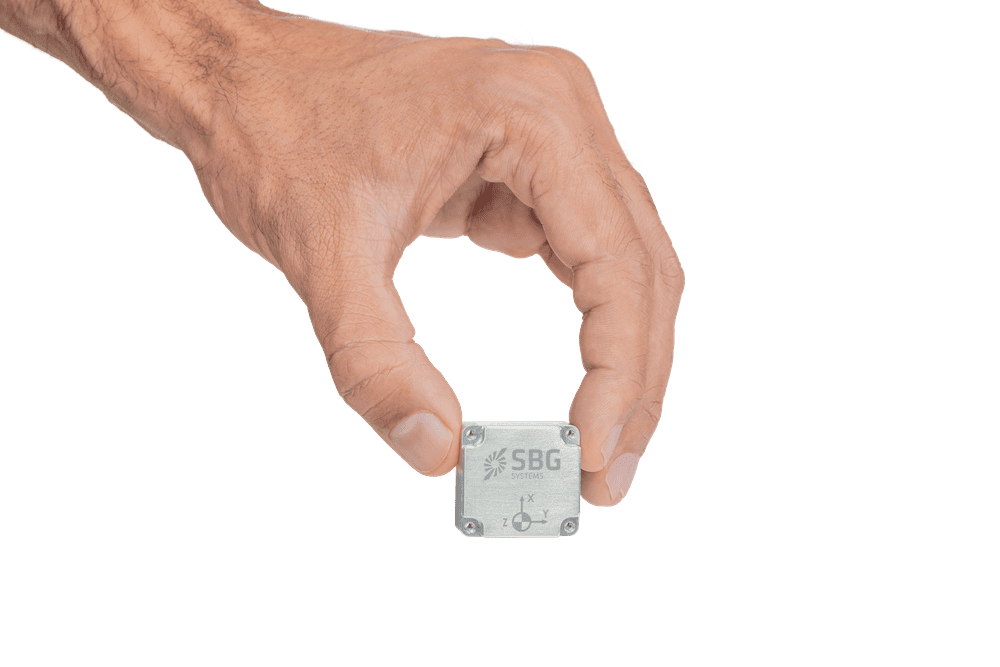
As navigation and guidance systems continue to shrink, manufacturers face the ongoing challenge of maximizing sensor performance without increasing size, weight, or power (SWaP). Designed for compact defense, aerospace, and autonomous systems, the updated Pulse-40 Inertial Measurement Unit (IMU) measures 30 × 28 × 13.3 mm, weighs 19 grams, and typically consumes 0.3 W. The new platform improves on the original design by offering enhanced gyroscope bias stability, improved scale factor accuracy, and better long-term repeatability to ensure consistent performance in demanding operating environments.
To support high-dynamic platforms such as guided rockets, precision-guided glide bombs, and loitering munitions, the sensor features a ±4000°/s gyroscope range, which doubles the maximum angular rate of previous models to accurately capture rapid rotational motion. Additionally, three-axis magnetometers have been integrated directly into the unit, providing a complete 9-degree-of-freedom sensing solution without increasing the physical footprint.
Gaël Bielecki, Business Development Manager – Defense at SBG Systems, said, “The defense market is increasingly looking for navigation and stabilization solutions that fit into smaller platforms without compromising performance. The new Pulse-40 OEM delivers exactly that combination. Its unique blend of tactical-grade performance, vibration resilience, low SWaP, and integrated vibration monitoring makes it particularly well suited for guided rockets, precision-guided glide bombs, loitering munitions, and next-generation optronic systems operating in demanding environments.”
Sensor responsiveness has also been improved through a redesigned processing architecture. The IMU achieves a motion-to-output latency as low as 1.5 milliseconds and supports output rates up to 2 kHz, enabling faster control-loop updates for critical stabilization, navigation, and guidance systems.
Environmental robustness is addressed through an integrated vibration damping system that improves immunity to high-frequency mechanical disturbances, while an updated electrical design enhances resistance to electromagnetic interference (EMI). These mechanical and electrical upgrades help preserve inertial data accuracy in harsh conditions.
A key distinction of the upgraded hardware is its integrated vibration monitoring capability. Beyond delivering standard inertial measurements, the sensor continuously analyzes its mechanical environment to generate a real-time vibration spectrum covering frequencies from 4 Hz to 8 kHz. Engineers can access Fast Fourier Transform (FFT) data and summarized vibration reports directly from the IMU during integration and testing without external instrumentation, allowing teams to identify vibration sources, validate mechanical designs, accelerate qualification campaigns, and simplify troubleshooting.
Yoann Plenet, Head of Product Management at SBG Systems, added, “Many of our customers operate in environments where vibrations and electromagnetic disturbances can be just as challenging as achieving the required inertial performance. The new Pulse-40 OEM addresses both challenges. This new platform is more resilient to harsh operating conditions, and its unique vibration spectrum monitoring feature gives engineers direct insight into the vibration environment up to 8 kHz. This not only helps preserve navigation performance but also dramatically simplifies integration, testing, and troubleshooting.”
The new hardware preserves the mechanical footprint and integration philosophy of previous models, allowing existing users to upgrade with minimal system redesign. Furthermore, the updated architecture supports greater manufacturing efficiency, enabling production to scale for larger deployment programs while maintaining tactical-grade quality standards.