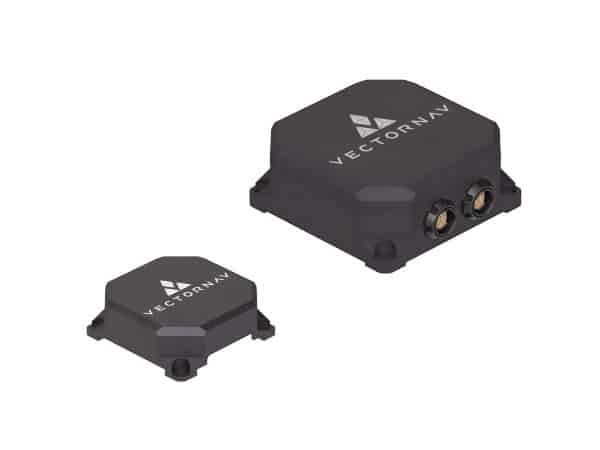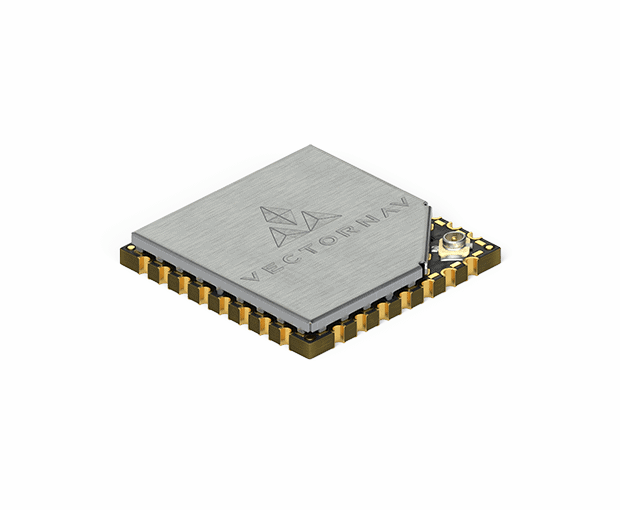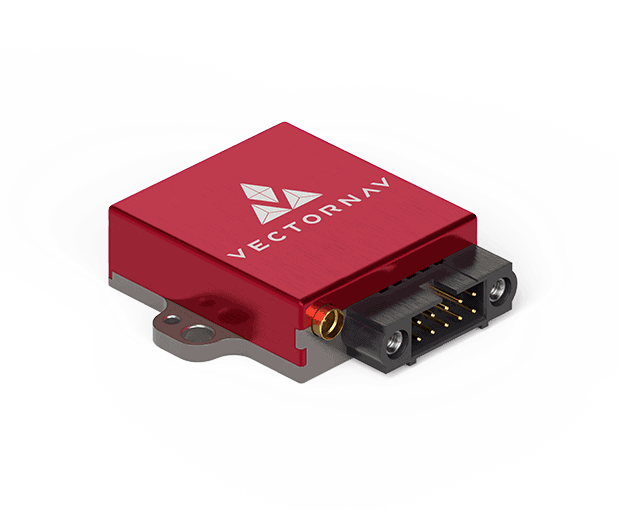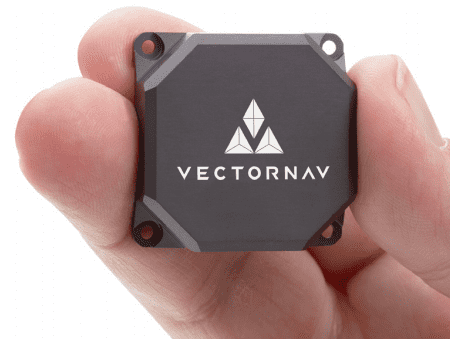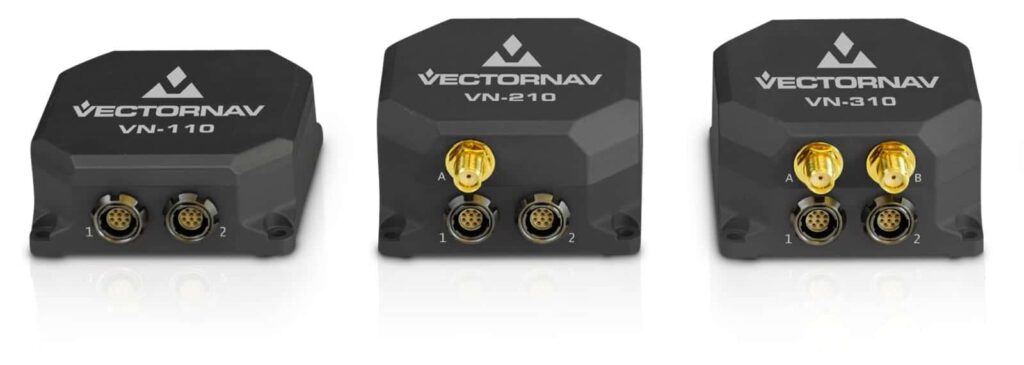

VectorNav Technologies, a developer of embedded navigation solutions, has introduced the 90G and 250G accelerometer and 4000°/sec gyroscope ranges across its Tactical Series Inertial Measurement Unit (IMU) and Inertial Navigation System (INS) product lines.
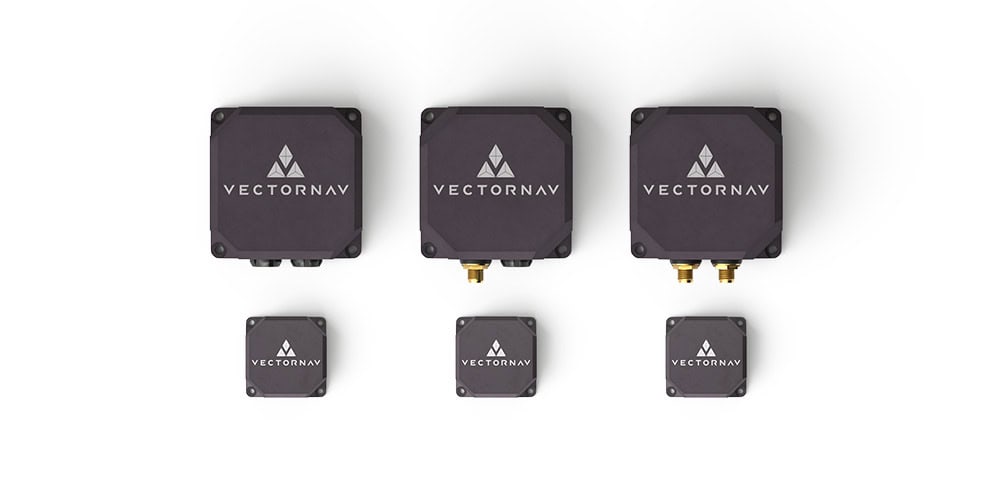
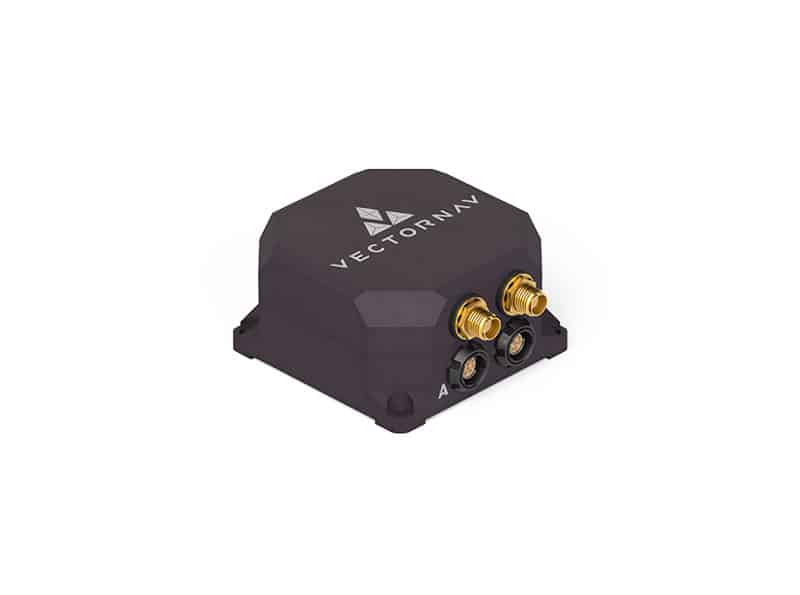
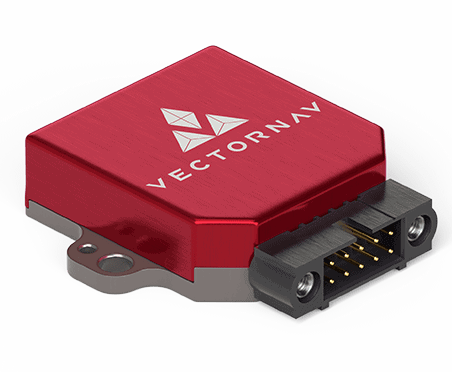
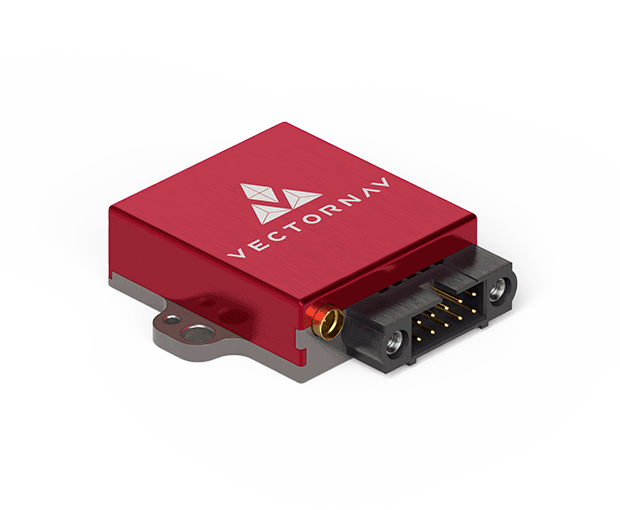
The extended-range sensors are integrated into the existing VN-110 IMU and VN-210 / VN-310 INS families. Because these configurations maintain the same form, fit, and function as previous models, they are drop-in compatible with existing platforms. This allows for system upgrades without the need for mechanical or electrical redesigns. Target applications include high-speed interceptors, hypersonic vehicles, Counter-Unmanned Aerial Systems (CUAS), and advanced precision guidance kits.
This technical enhancement addresses the requirements of defense contractors developing platforms for high-G mission profiles. Modern defense priorities are driving demand for interceptors, missiles, and hypersonic vehicles that must operate through launch, interception, and aggressive maneuvering. In these scenarios, particularly in GPS-denied or degraded environments, navigation performance depends on the IMU’s ability to maintain solution integrity without saturating under extreme dynamic conditions.
Jakub Maslikowski, VP of Business Development, commented, “The demand signal from our customers has been unmistakable. As platforms become faster, more maneuverable, and face increasingly sophisticated threats, high-performance inertial navigation solutions are needed at scale to meet the evolving demand. With nearly 20 years supporting these mission profiles, we know these applications—and the extended-range gyro and accelerometer will enable faster integration and more rapid fielding of reliable systems.”
VectorNav performs design, manufacturing, and testing at its AS9100-certified facility in Dallas. To meet the growing global demand for resilient Position, Navigation, and Timing (PNT) solutions, the company is currently expanding its production capacity. A new 100,000 sq. ft. facility is scheduled for 2026 to support research and development alongside high-volume production programs. Engineering units of the upgraded Tactical Series are currently available for evaluation and testing.