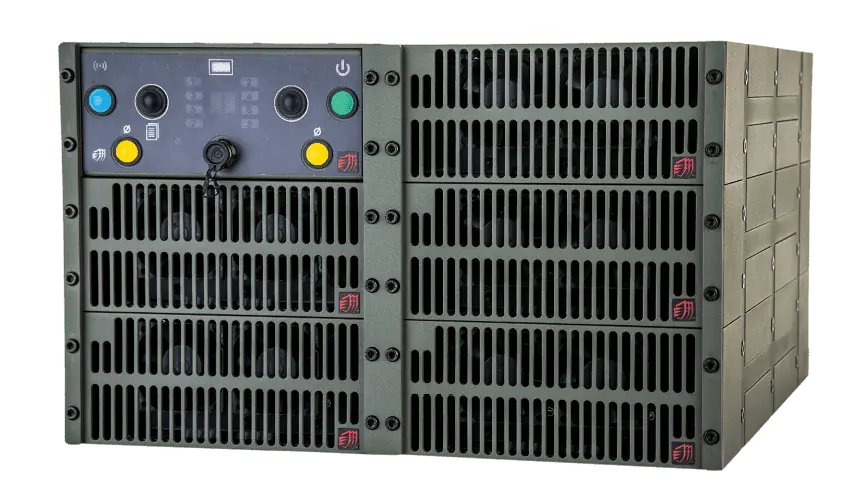
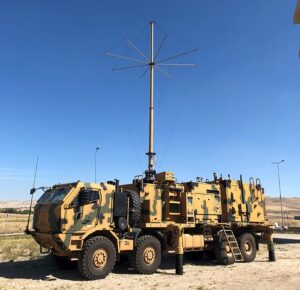
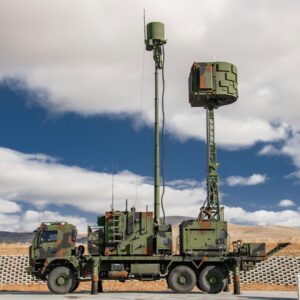
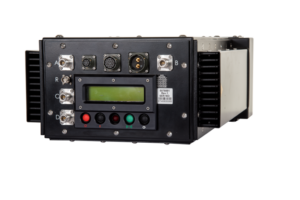
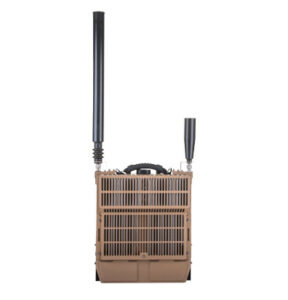
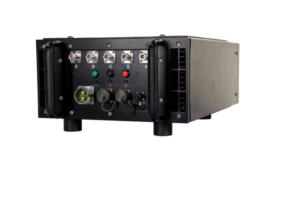
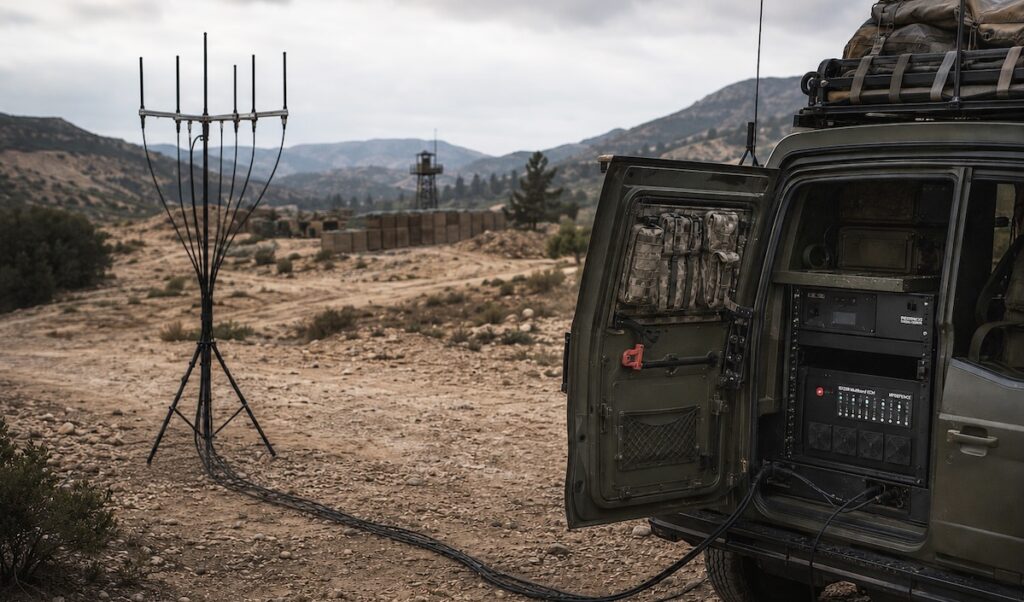
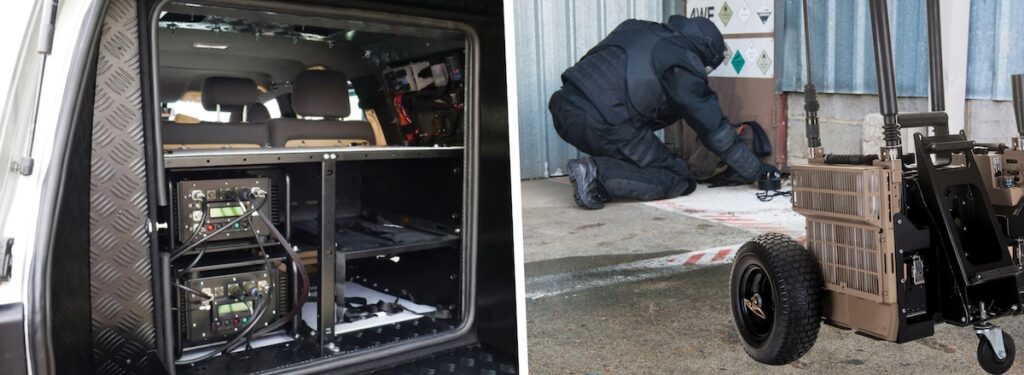
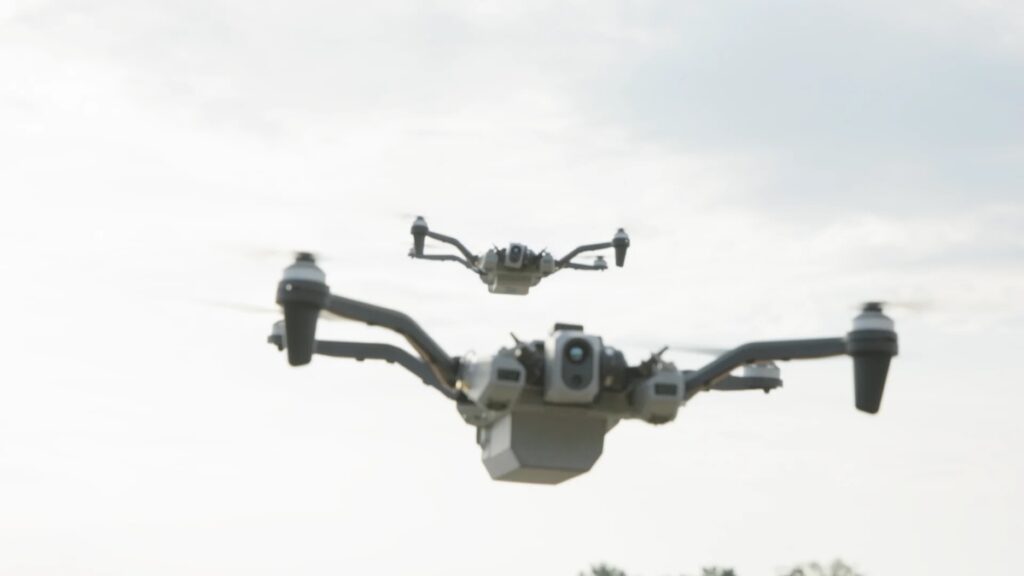
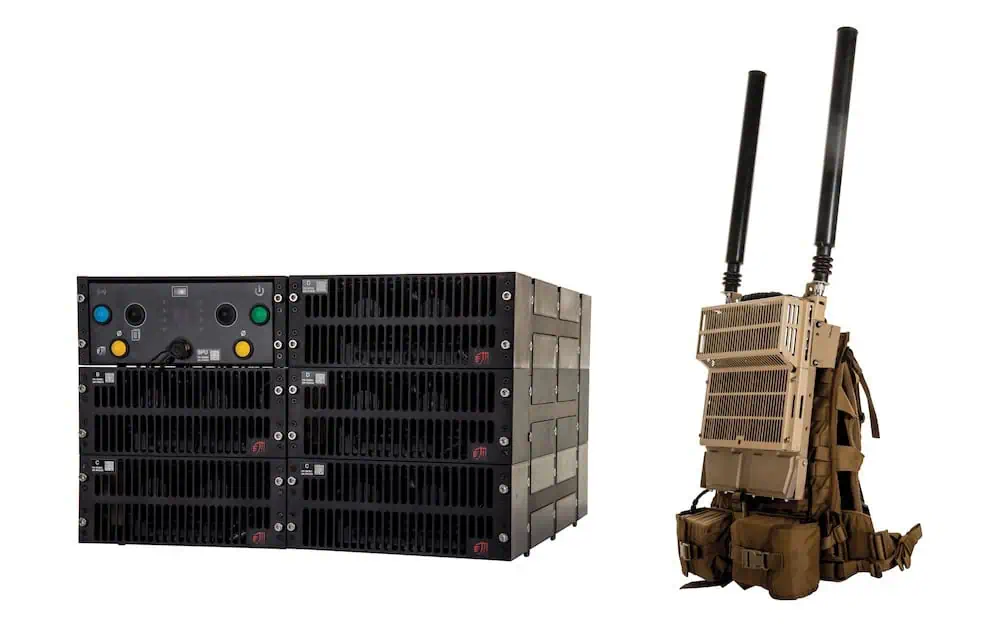
Electronic countermeasures (ECM) encompass technologies employed in defense strategies to disrupt, deceive, or negate hostile electronic systems. ECMs include tactics, such as jamming, spoofing, and signal manipulation, aimed at disrupting enemy sensors, communication networks, and guidance systems. By emitting electromagnetic signals or employing techniques like frequency hopping and spread spectrum, military ECM systems can obscure friendly assets, impede enemy targeting, and degrade adversary situational awareness.
If you design, build or supply Electronic Countermeasures (ECM), create a profile to showcase your capabilities and connect with visitors who have an active requirement for your solutions.
ECMs assist with electronic attack and electronic protection. An ECM can transmit RF signals into a hostile radio-dependent system or capability with the purpose of disrupting, degrading, damaging or destroying its ability to operate.
Noise Jamming
An electronic countermeasure transmits powerful signals full of noise into the radar. This tactic prevents the radar ‘hearing’ its own returned radar signal which has bounced off the target as an echo. Without the echo, the radar cannot measure the target’s speed, altitude or bearing. However, some radars are outfitted with filters that simply screen out such powerful signals as potential jamming.
A key rule of thumb in EW is that ECMs are always directed against a receiving antenna. This is because an RF signal is at its strongest when it leaves an antenna and at its weakest when it arrives.
Deception/Spoofing
One way to overcome this screening is for the self-protection system to sample the incoming hostile radar signal as the basis for deception/spoofing jamming. This signal will be manipulated and transmitted back to the radar exhibiting very similar, but false, characteristics to what the radar would expect to receive as an echo.
This tactic is known as deception jamming. The counterfeit signal may be modified to depict an additional target to the radar operator, posing a dilemma as to which is the real target. The counterfeit signal could be modified to include false details of characteristics such as speed or altitude.
Seduction Jamming
A variant of the detection/spoofing tactic often used in the naval domain is to employ a counterfeit radar signal to present a more tempting target to an incoming anti-ship missile than the vessel which is under attack. Seduction jamming, as this tactic is known, causes the missile to fly towards a fake target, as opposed to the ship.
In the ground domain, decoys which emit signals designed to replicate the radar echoes produced by specific targets like vehicles or bases, can be deployed to confuse radar-guided air-to-surface weapons. Decoys are also often sited near ground-based radars. These decoys emit similar signals to those that would expect to be transmitted by the radar with several decoys being positioned in the radar’s locale. This tactic is intended to outfox Anti-Radar Missiles (ARMs). ARMs detect a radar’s signals, compute their point of origin and use this point to guide towards the offending radar and then detonate, destroying the antenna.
Cyberattack
A fourth ECM tactic to supplement noise, deception/spoofing and seduction jamming takes the form of cyberattack. RF signals generated by ECMs can now be modified to carry malicious code into a radio-dependent system. Nearly all military systems depend on computing or digital information in some shape or form. A radio or radar antenna can be an entry point for this malicious code. Once inside, the code will do its work either against that system or will travel through the networks connecting that system until the code reaches its intended target.
Example of Electronic Countermeasures:
Consider a combat aircraft which is tasked to perform an air-to-ground strike against an enemy command centre. As the aircraft approaches its target, it is detected by a hostile radar. The radar determines that its target is an enemy aircraft and begins tracking, sharing details on the aircraft location in the sky to an accompanying Surface-to-Air Missile (SAM) battery. The SAM battery’s own radar begins tracking the aircraft and launches a missile. The missile is guided to the vicinity of the plane. At that point the missile’s own radar takes over, acquires the target and flies towards it. The missile’s radar will determine the optimum point for its warhead to detonate to cause the maximum destructive effect. The missile explodes and the aircraft is destroyed.
Electronic countermeasures improve the odds of a pilot surviving such an engagement. As soon as the aircraft’s Radar Warning Receiver (RWR) detects the incoming enemy signal, ECMs will be activated. This will either be done automatically by the RWR or performed by the pilot. The ECM can perform several effects. Most radar antennas both transmit and receive the radar’s signals.
MyDefence has launched Boxer, a multi-band counter-drone jammer designed to disrupt hostile drone communications, navigation, and flight management at ranges up to 10 kilometres
Two African nations have secured over three million dollars in advanced electronic warfare technology from Allen-Vanguard to significantly enhance tactical force protection while combatting lethal radio controlled explosive and uncrewed aerial dangers
As electronic warfare threats advance, Doodle Labs’ new Sense EW protocol enhances drone communications resilience through anti-jamming capabilities, adaptive link intelligence, and rapid frequency agility in contested environments
Septentrio outlines validation results for its GNSS receiver resilience at JammerTest 2024 in Norway, highlighting static and mobile trials of AIM+ anti-jamming and anti-spoofing technology under live interference conditions, including high-power signals and GNSS time spoofing
A South American nation has placed a significant order for EQUINOX NG and SCORPION 2 electronic countermeasure systems to enhance personnel protection against RCIEDs and lethal drone threats in high-risk zones
Allen-Vanguard has expanded its CEMA footprint with a new TURMOIL RF Decoy delivery to a NATO customer, following the system’s successful initial deployment and performance
Advanced Navigation unveils defence-grade Inertial Navigation Systems with integrated Electronic Protection, delivering resilient Position, Navigation, and Timing to counter jamming, spoofing and electromagnetic warfare threats across land, air and maritime missions
D-Fend Solutions evaluates different C-UAS mitigation technologies, including lasers, RF jammers, GNSS spoofing, and EMP/HPM, comparing accuracy levels, operational range, risk of collateral damage, and suitability for different environments
Sep 15, 2025
Advancing Defense Capability Through Strategic Collaboration
Defense Advancement works with major OEMs to foster collaboration and increase engagement with SMEs, to accelerate innovation and drive defense capabilities forward.