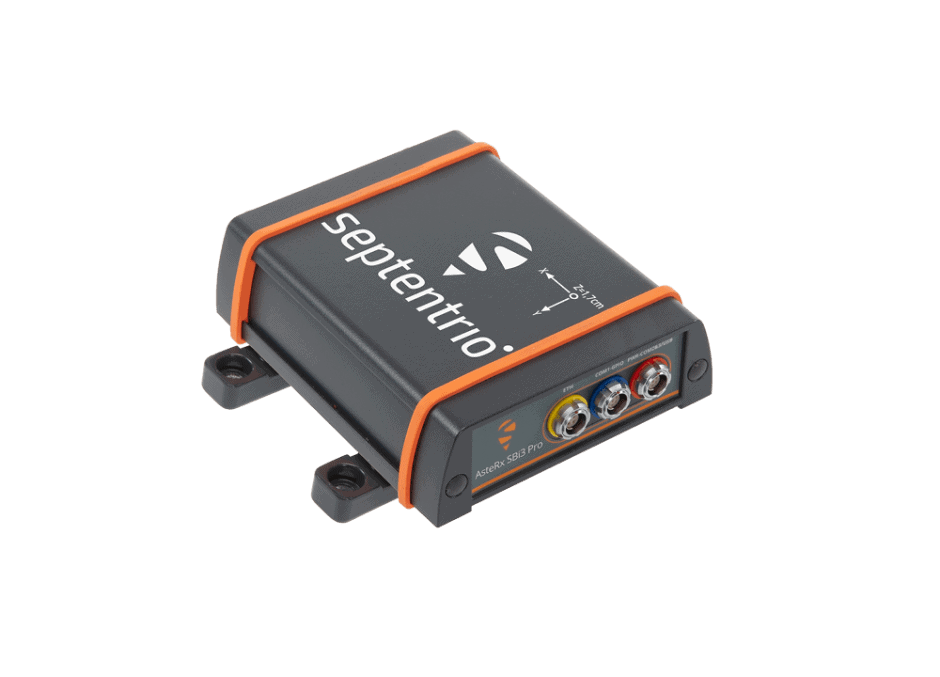
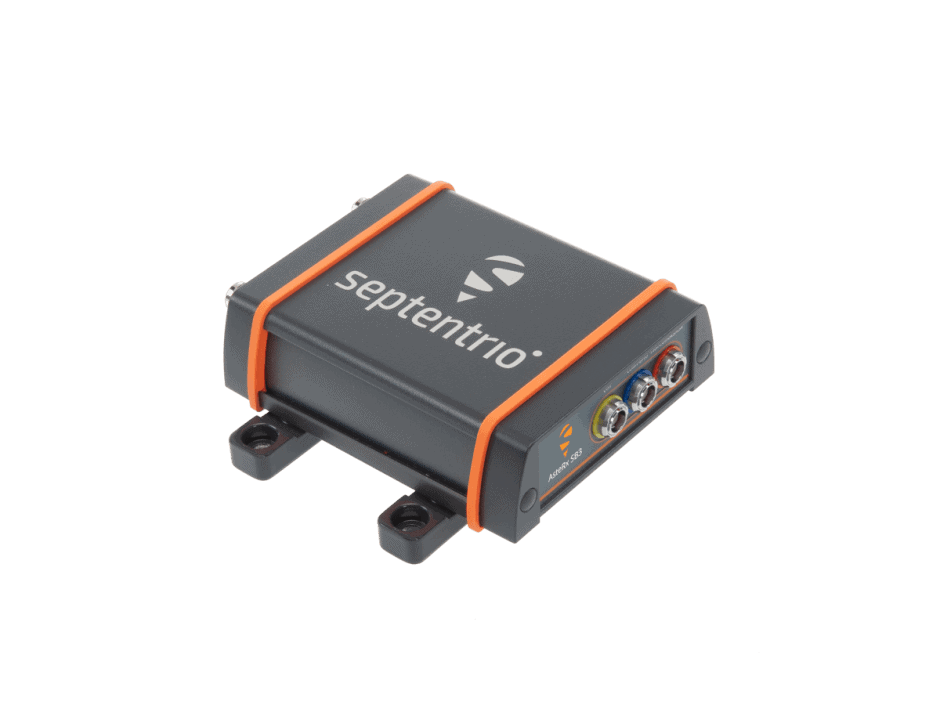
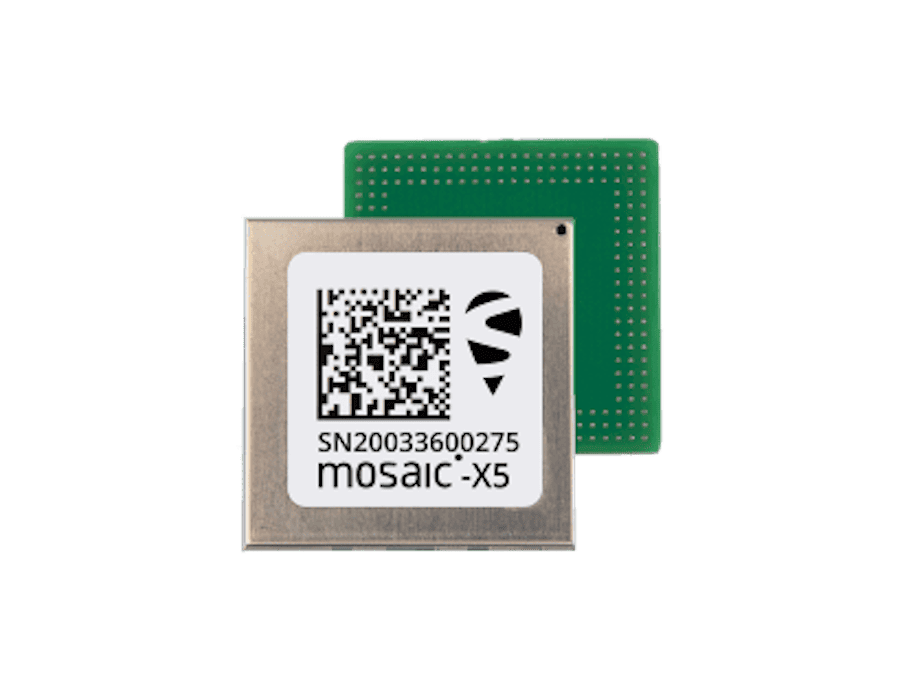
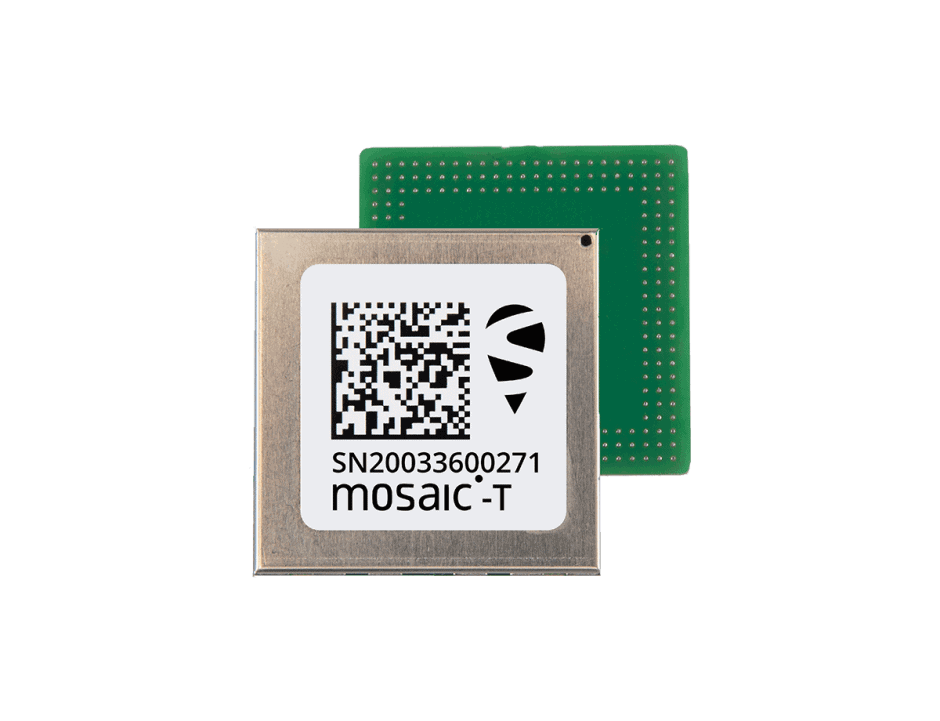
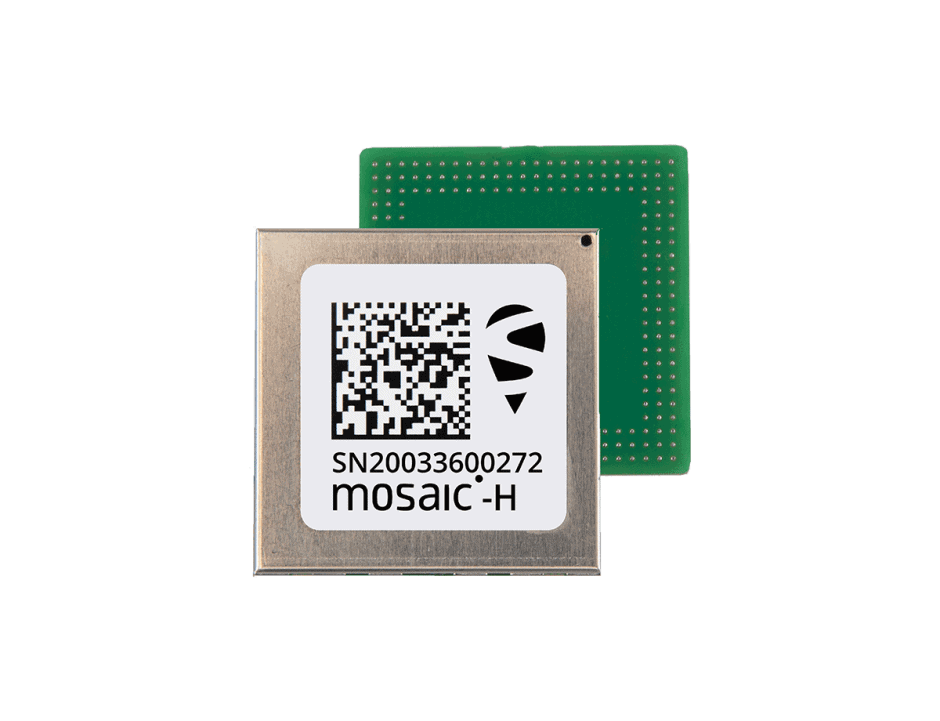
Septentrio, a developer of Assured Positioning, Navigation and Timing (Assured PNT) solutions, outlines the results of its participation in JammerTest 2024, where its GNSS receiver technology was evaluated under controlled live interference conditions. Read more >>
The Norwegian government organized the event on the remote island of Andøya to assess resilience against jamming and spoofing. Over five days of testing alongside multiple competing receivers, Septentrio assessed its proprietary AIM+ anti-jamming and anti-spoofing technology in static and dynamic scenarios. Saab also took part in the campaign and validated the resilience of Septentrio receivers integrated into its air traffic management systems.
Testing included static and mobile jamming scenarios with interference signals up to 10 million times stronger than GNSS signals, as well as trials using a commonly available “cigarette lighter”- type jammer emitting 10 to 15 dBm on GPS L1 and L2.
In comparative evaluations, competing receivers showed position offsets of hundreds of meters or temporary loss of positioning under severe interference, while Septentrio receivers maintained tracking and delivered accurate positioning while detecting and flagging jamming.
During a one day series of intensive jamming tests, receivers equipped with AIM+ demonstrated 99.5 percent positioning availability across interference types ranging from continuous narrow band signals to complex wideband transmissions. Antenna comparison trials indicated approximately 10 dB interference reduction from anti-jam antennas, while receivers without AIM+ lost satellite tracking under heavy wideband jamming.
Spoofing resilience was assessed through multiple live attack scenarios, including meaconing, in which genuine GNSS signals are recorded and retransmitted with delay. In vehicle tests conducted along a coastal road, Septentrio receivers maintained correct positioning, while competing receivers reported false locations, including positions corresponding to the interference transmission site.
Additional evaluations showed that spoofing attacks may begin with jamming to break signal lock before false signals are introduced during reacquisition. Septentrio receivers mitigated these threats through multi frequency capability and layered protection mechanisms, including anomaly detection and Navigation Message Authentication such as Galileo OS NMA. In GNSS time spoofing tests, Septentrio receivers maintained accurate timing output, while competing receivers displayed incorrect time.
Participation in live interference campaigns such as JammerTest provides validation data to further refine anti-jamming and anti-spoofing technology. The JammerTest 2024 results demonstrate that receiver level resilience, supported by layered protection strategies and complemented by antenna technology, is central to maintaining Assured PNT performance in environments exposed to intentional or unintentional GNSS interference.