Showcase your capabilities
If you design, build or supply BLOS Communications, create a profile to showcase your capabilities and connect with visitors who have an active requirement for your solutions.




BLOS Communications companies and suppliers of Beyond Line of Sight tactical radio & C2 solutions for military and defense; army, navy, marines and air force
Read the Technology Overview
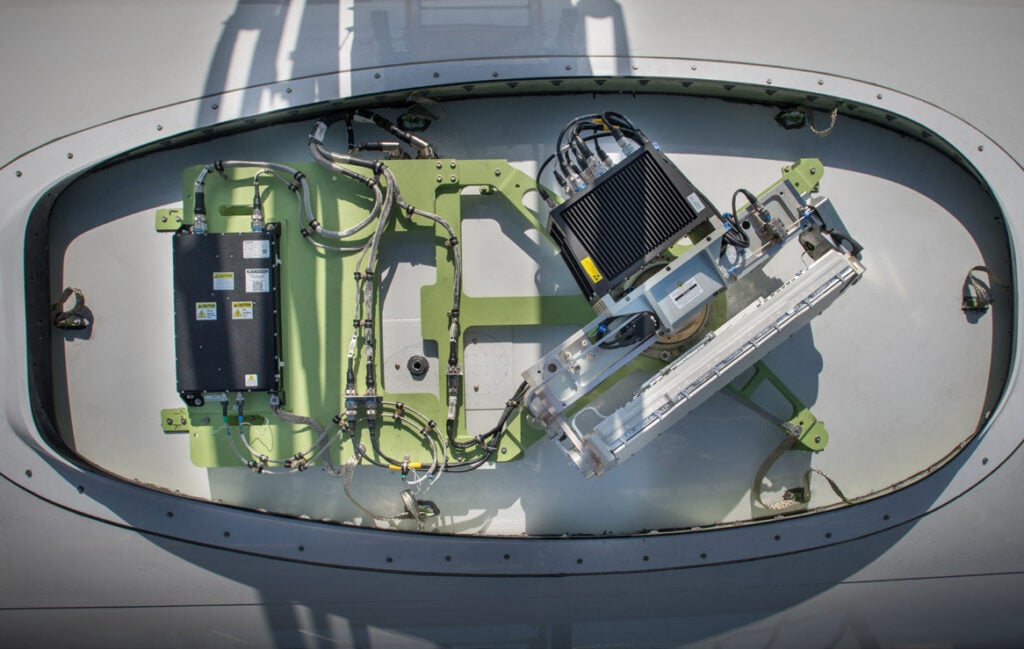
Advanced Solutions for Defense Modernization: Propulsion, Sensors, Communication & Augmented Reality Systems


Reliable, Resilient and Secure Satellite Communications & Assured PNT Solutions for Mission-Critical Applications

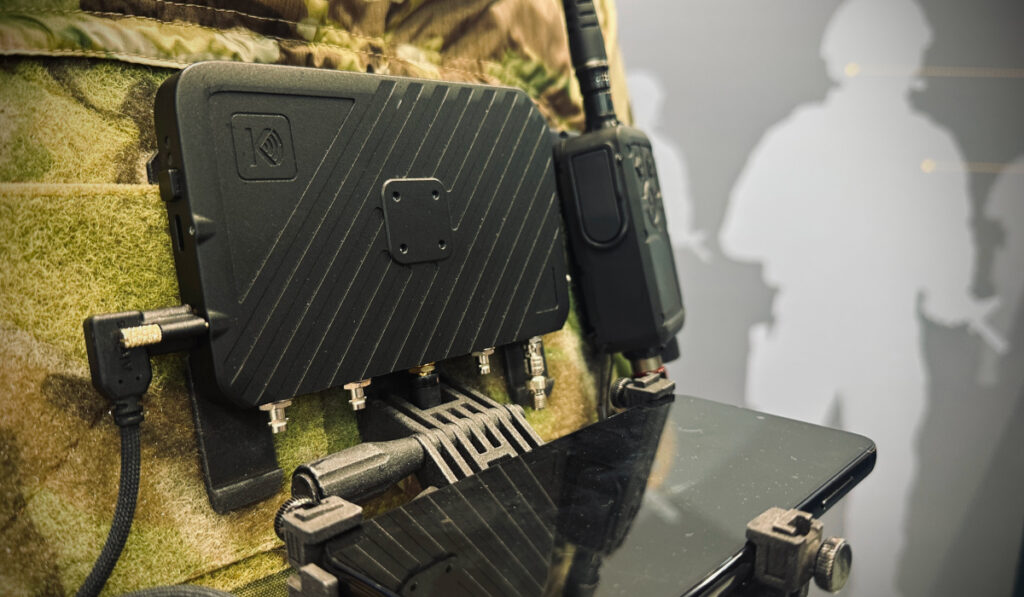
Secure Radio Communication & Authentication Systems for Military, Defense & Security Applications

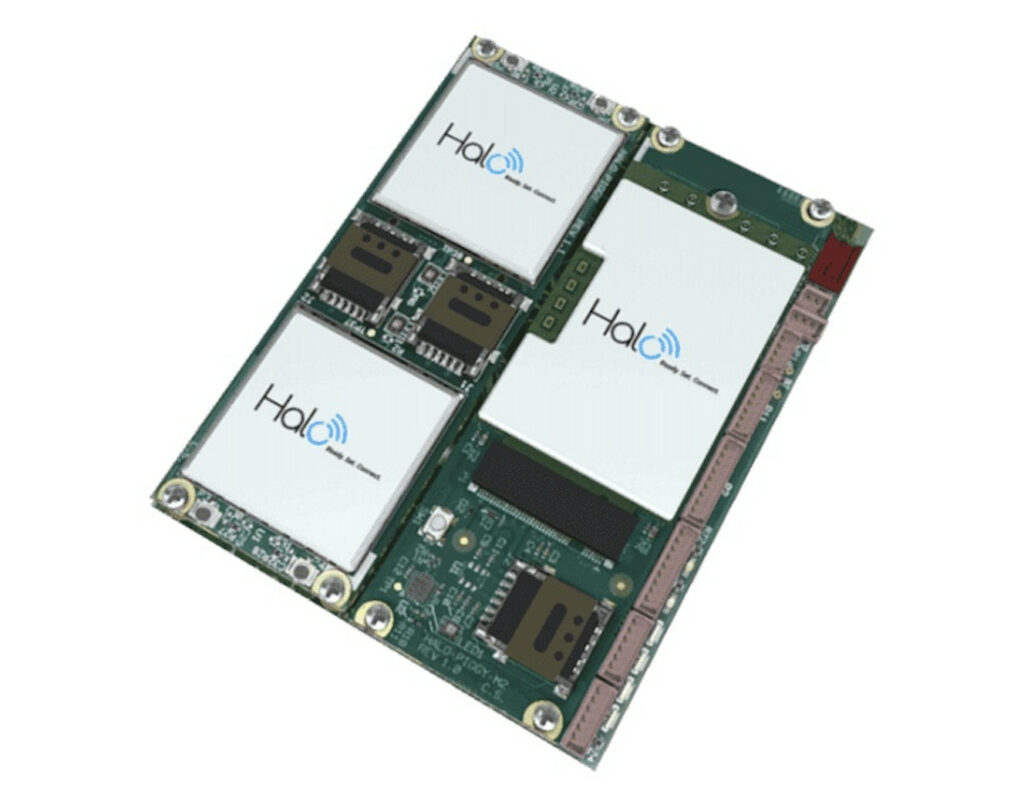
Ultra-Reliable & Secure BVLOS Communications Technology for Mission-Critical Drones & Robotics


BLOS Strategic Communications Systems and Tactical Radio Range Extension Technologies

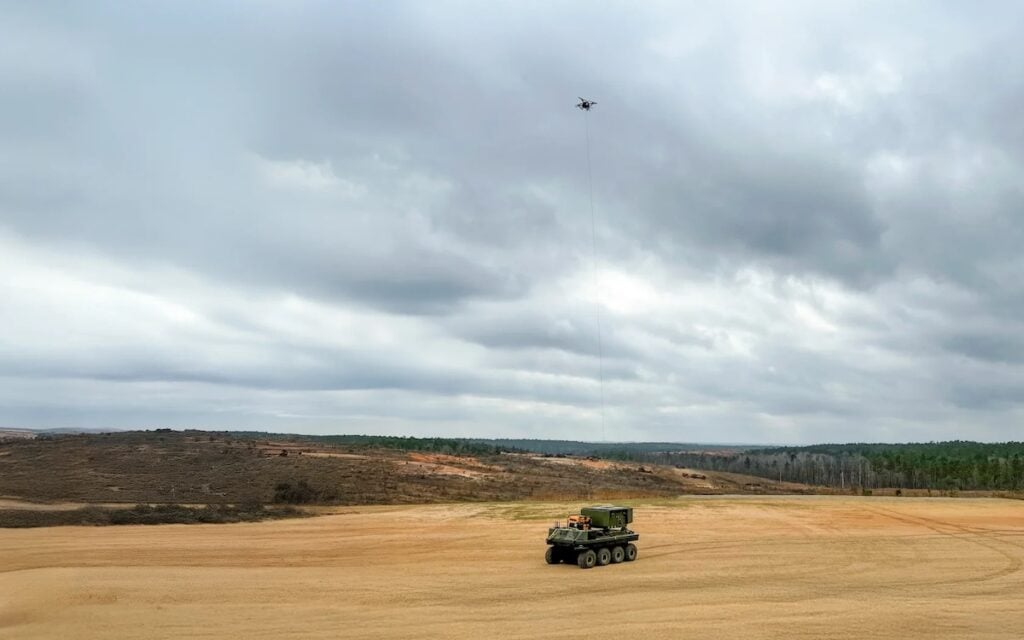
Advanced Tethered Drone Systems for Military, Government & Security Applications

If you design, build or supply BLOS Communications, create a profile to showcase your capabilities and connect with visitors who have an active requirement for your solutions.

BLOS communications are essential for a wide range of military activities and operations. These include connecting in-theater forces with distant command centers, location and data sharing, C2 (command and control) of long-range UAVs (unmanned aerial vehicles), precision firing, and co-operation between airborne assets and ground troops.
BLOS (beyond line of sight) communications refers to a particular subset of NLOS (non-line of sight) communications, where the obstacles that stand in the way of long-range electromagnetic wave transmission and reception are the curvature of the Earth or significant amounts of terrain such as mountains.
A number of different methods may be used to achieve effective BLOS communications:
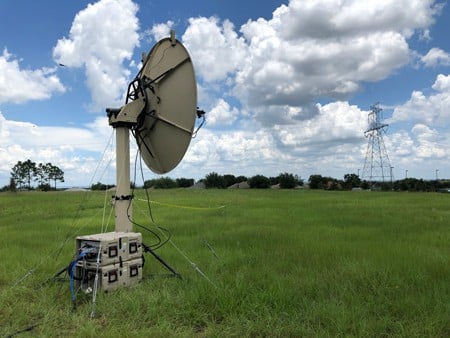
HF (high-frequency) radio links may utilize troposcatter systems, which rely on the scattering effect of transmitted signals in the lowest part of the atmosphere known as the troposphere. Only a small amount of the original energy will be scattered in the direction of the receiver, so these systems require directional antennas and precise pointing systems to minimize signal loss. This makes them less suited for communications with highly mobile or unstable platforms such as aircraft and naval vessels.

Spectra Group’s Slingshot BLOS Range Extension for Tactical Radios
SATCOM (satellite communications) may be used, either as a direct datalink or a way to extend the range of tactical UHF and VHF radios. Radio-over-IP (RoIP) technology may be used to convert the voice signals and data normally sent over radio waves into a form that can be transmitted via SATCOM. While data rates and latency may be better with SATCOM-based BLOS solutions, they do require satellite network availability and resources. SATCOM signals may also be more vulnerable to interception and jamming than modern troposcatter systems.
Another method of achieving BLOS communications involves the use of repeater stations to extend the overall distance. These repeaters may be fixed ground sites, and HALE (high altitude long endurance) UAVs and HAPS (high-altitude pseudo satellite) platforms may also be used.
The term BLOS can sometimes be confused with BVLOS (beyond visual line of sight), which is primarily used in civilian and commercial UAV contexts. While BVLOS focuses on maintaining control and situational awareness of drones that operate outside the pilot’s direct line of sight, BLOS refers more broadly to long-range communication capabilities that support both manned and unmanned platforms across vast distances. In military applications, BLOS is critical for resilient, secure connectivity across operational theaters where visual tracking or terrestrial communication infrastructure is not feasible.


 Searching Companies & Products



 Subscribe to the Weekly eBrief
The latest engineering and technical developments straight to your inbox - join thousands of engineers who receive it.
Subscribe to the Weekly eBrief
The latest engineering and technical developments straight to your inbox - join thousands of engineers who receive it.