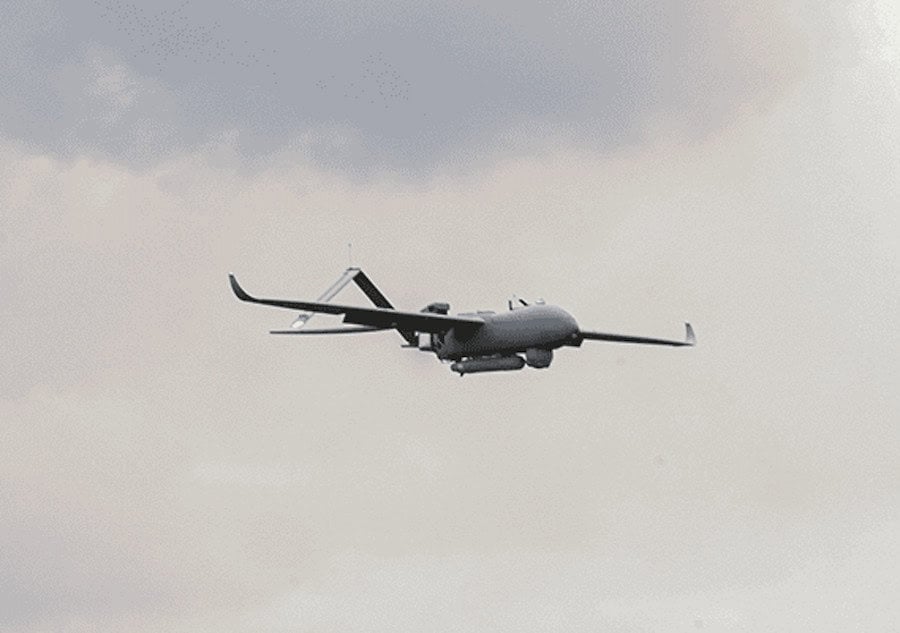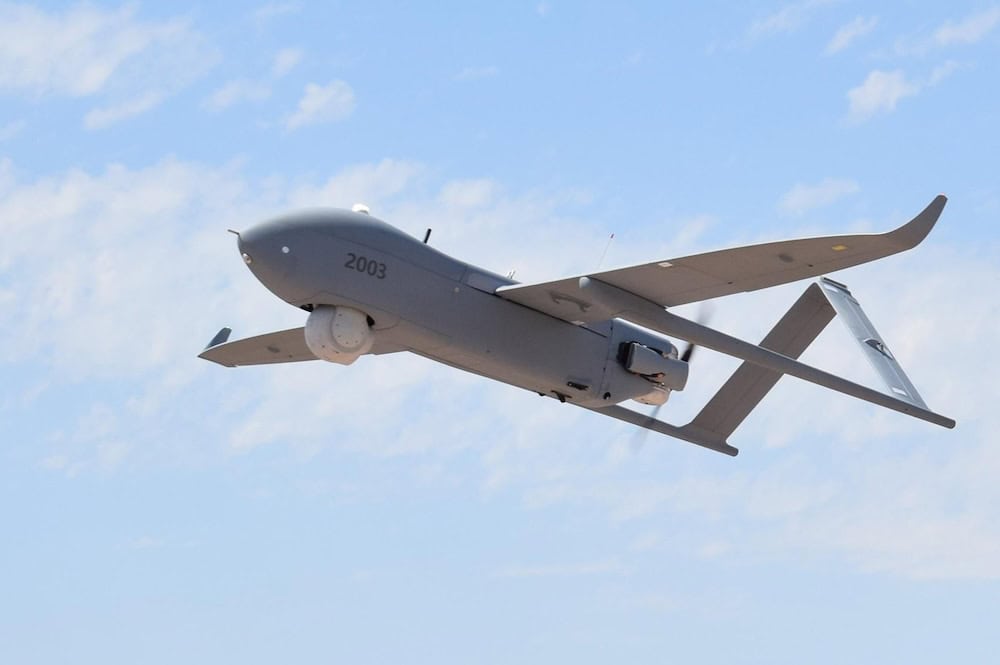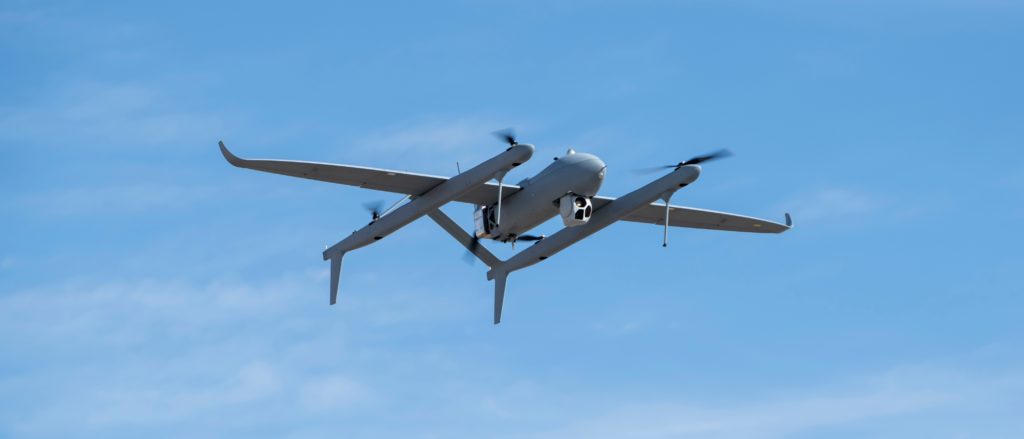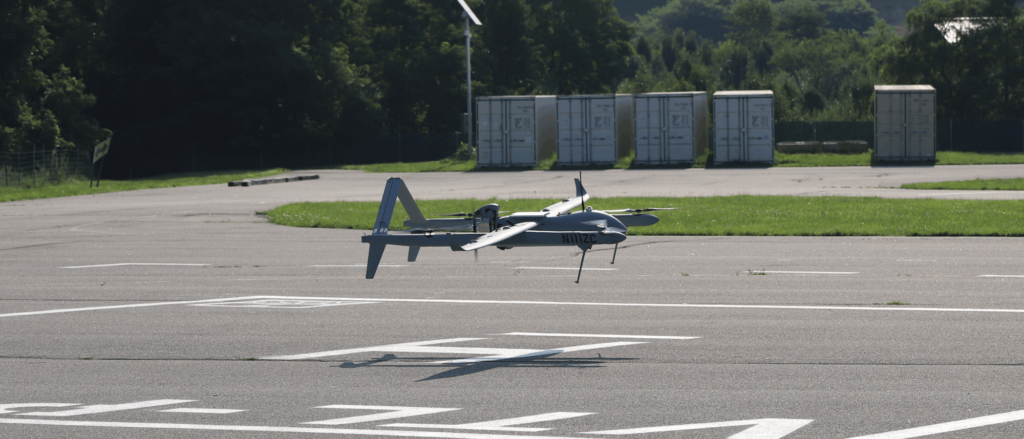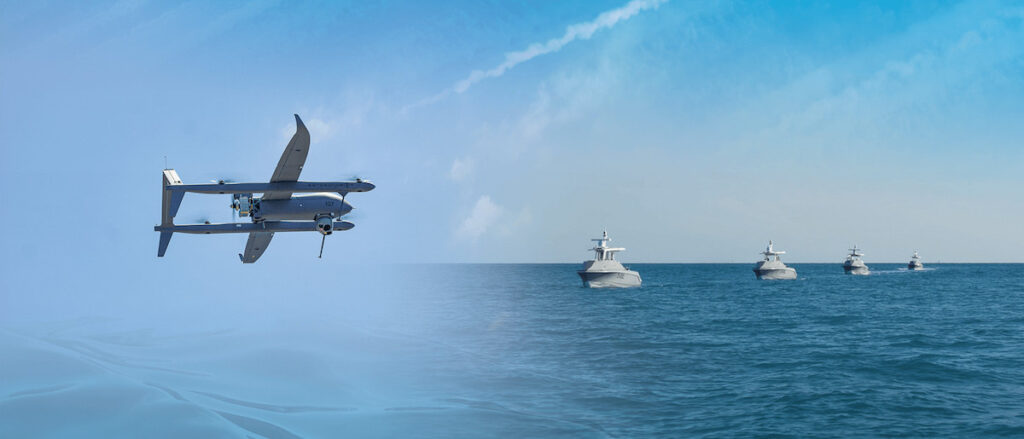

Textron Systems has enhanced the Aerosonde Uncrewed Aircraft System (UAS) by integrating a new low Size, Weight, and Power (SWaP) transceiver designed for Low Earth Orbit (LEO) Beyond-Line-Of-Sight (BLOS) communications.
This low-cost technology expansion increases the diversity of command and control offerings for the platform. It represents a significant step toward enabling Proliferated Low Earth Orbit (pLEO) SATCOM capabilities, which are currently redefining how uncrewed aircraft operate and communicate within high-threat environments. This integration specifically sets the stage for the future incorporation of the Starshield Department of Defense pLEO solution.
The operationalization of pLEO allows the Aerosonde UAS to overcome traditional Line of Sight and datalink limitations. This shift enables new mission profiles, including long-range Intelligence, Surveillance, and Reconnaissance (ISR) and distributed operations. By utilizing this technology, the platform avoids reliance on high-SWAP GEO SATCOM systems, which are often cost-prohibitive and can limit multi-intelligence options for small group three UAS.
For military operations, this integration facilitates distributed mission control from Tactical Operations Centers, which reduces the number of personnel required in hazardous areas. The system supports faster, more secure data sharing to improve situational awareness and shorten decision cycles for coordinated battlefield responses.
The new technology also results in a smaller, lighter, and more easily deployed Aerosonde platform. The Ground Control Station has been streamlined to improve operational agility and efficiency. Additionally, the integration includes enhanced cybersecurity features to ensure that data exchanges remain resilient and protected during missions.
Textron Systems remains committed to supporting the U.S. military and equipping the warfighter with cutting-edge technologies that evolve alongside their mission needs, helping them stay agile, informed, and out of harm’s way.