Elsight, a developer of Beyond Visual Line of Sight (BVLOS) communications technology, explores how advancements in commercial drone technology have transformed the development and deployment of loitering munitions (LMs) from costly, specialized military systems into accessible, low-cost, and rapidly evolving strike tools. Read more >>

Unlike traditional missiles, LMs can patrol an area for extended periods, identify a target, and then strike directly, or abort and redirect the mission as required. This flexibility, with the aircraft itself becoming the weapon, has reshaped modern warfare.
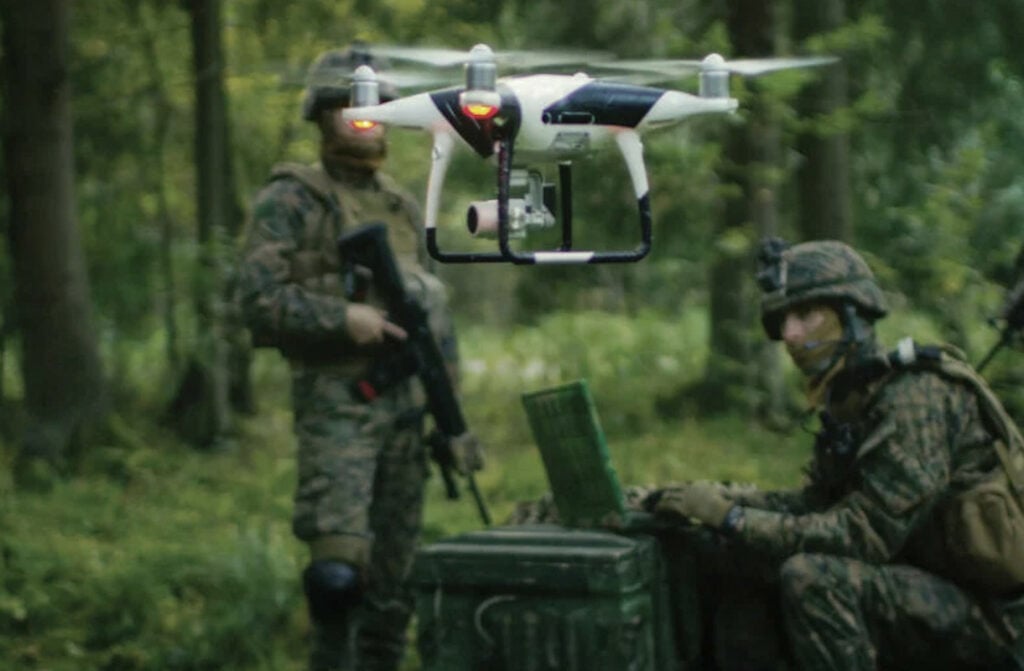
Originally developed as specialized, high-cost military systems, LMs have become more accessible and adaptable, with military planners leveraging and repurposing commercial drone advancements for defense applications. This has produced a new generation of capable and cheaper LMs, compared to their predecessors.
Readily available commercial components, including high-definition cameras, GPS navigation systems, efficient motors, lithium-ion batteries, and AI-enabled software, have reduced costs and development timelines. Additive manufacturing (3D printing) has also accelerated production, allowing rapid prototyping and customization.
That cost revolution, enabled by a vast, mature global electronics commercial supply chain, has drastically reduced procurement and operational expenses, making the precision‑strike capability, previously limited to expensive systems, widely attainable.
As a result, even crude or improvised systems have proven effective for reconnaissance and small‑payload attacks, and commanders can employ expendable LMs in saturation attacks or persistent area‑denial operations, economically prohibitive with traditional weapons.
The accessibility and modularity of commercial technology have shortened development cycles and accelerated feature evolution. Engineers can model designs in digital twins, 3D‑print and fly prototypes within days, and push firmware updates after flights, incorporating commercial improvements such as higher-resolution cameras, faster processors, and longer-lasting batteries.
Leveraging mass production and global commercial supply chains enables production of LMs at scales far exceeding those possible with traditional missiles. This allows planners to explore new operational concepts, including expendable swarms and sustained attrition warfare.
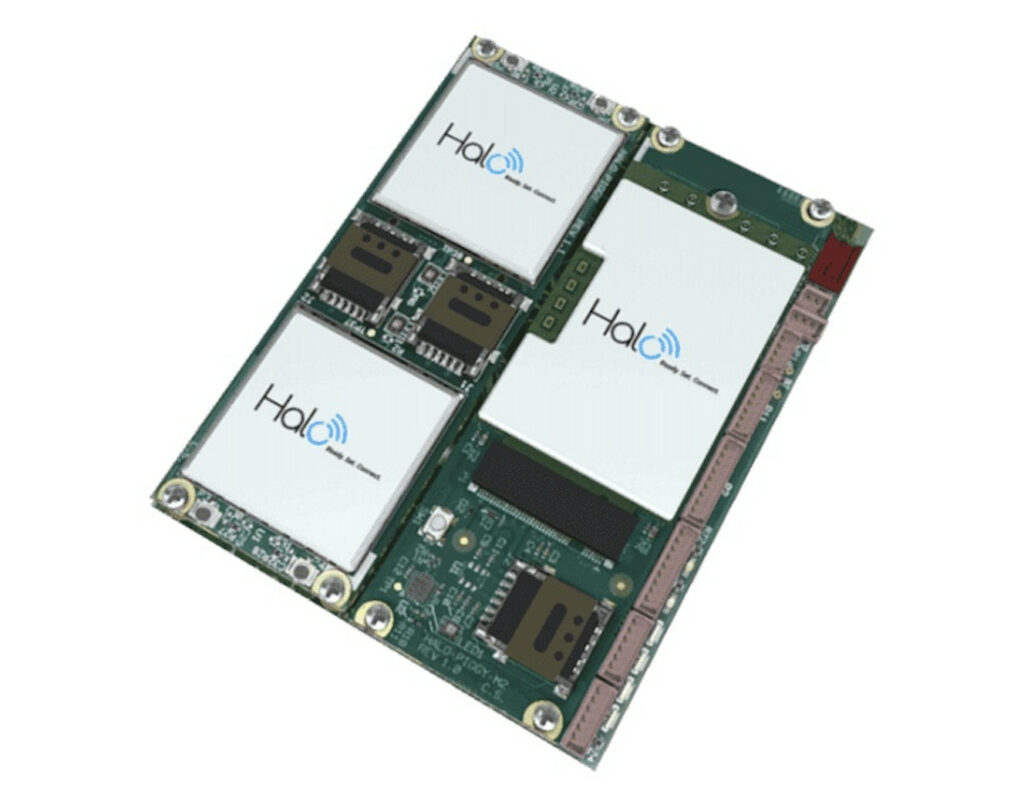
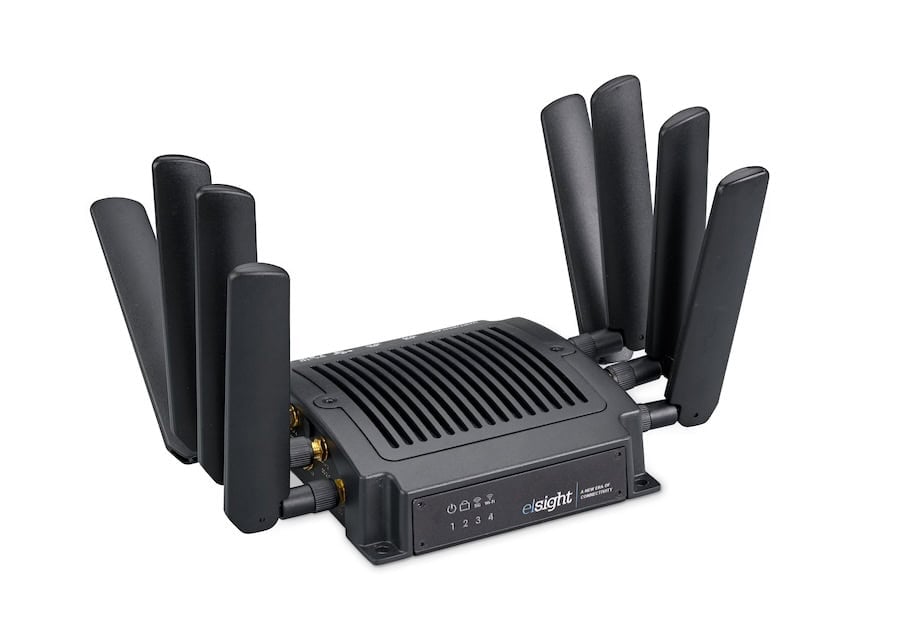
Key commercial technologies underpinning this LM shift include mature flight control systems, EO/IR sensors, efficient propulsion components, advanced BVLOS communications platforms such as Elsight’s Halo, and AI-enabled autonomous tracking, detection, and classification.
Additive manufacturing also enables rapid prototyping, on-demand production, and mission-specific customization of LMs.
Together, these technologies have collapsed the traditional divide between civilian innovation and military capability, making rapid adaptation and integration of commercial innovations critical to military advantage.