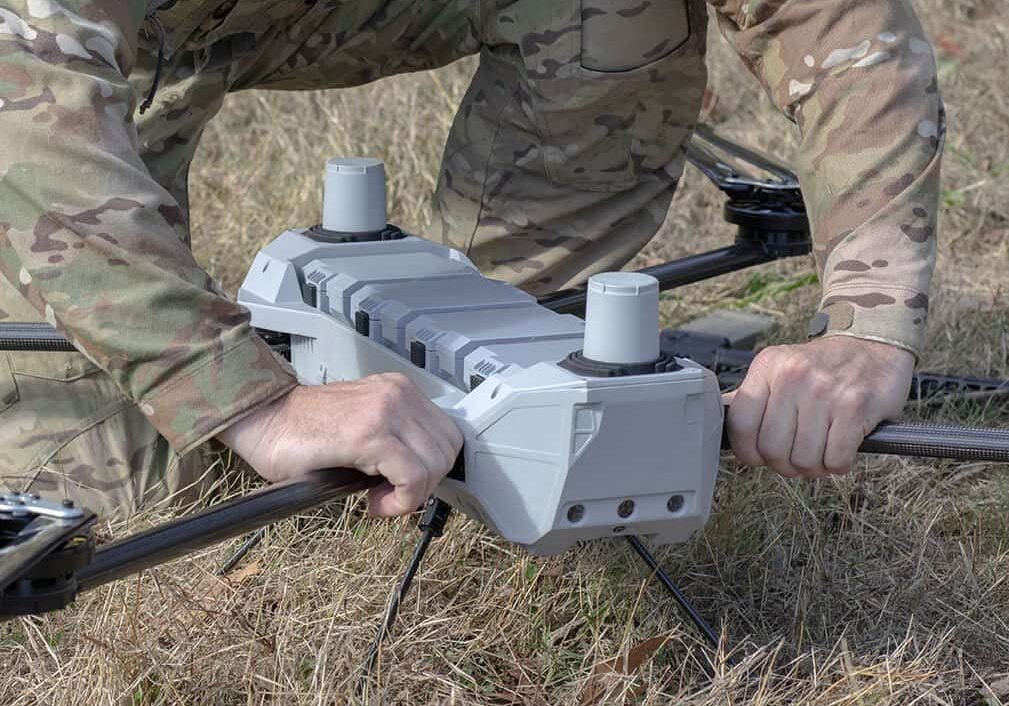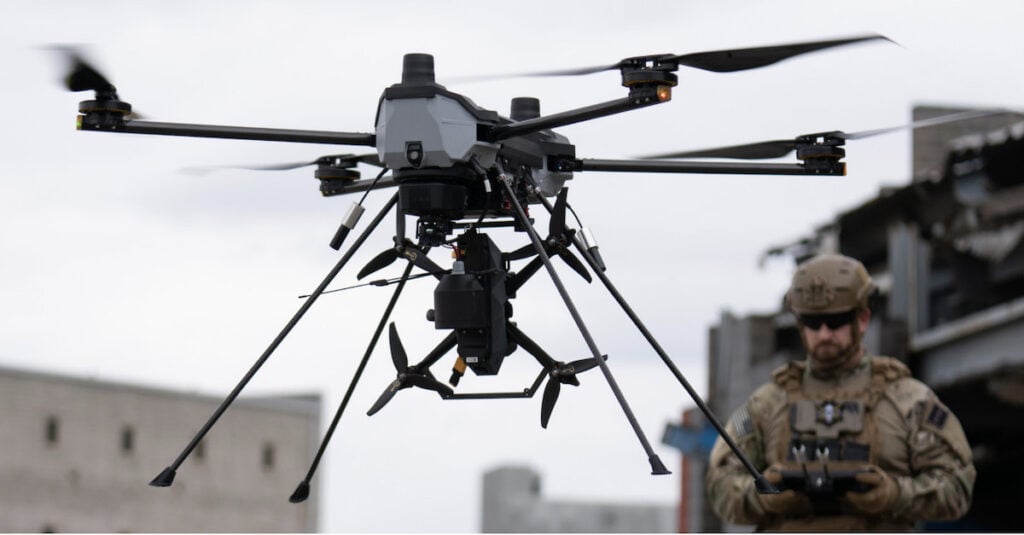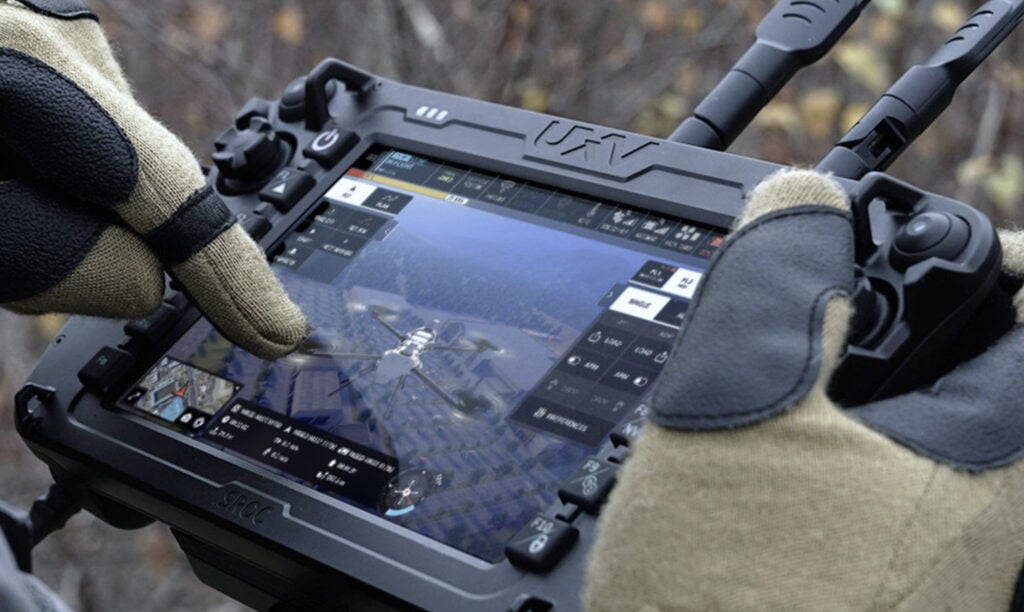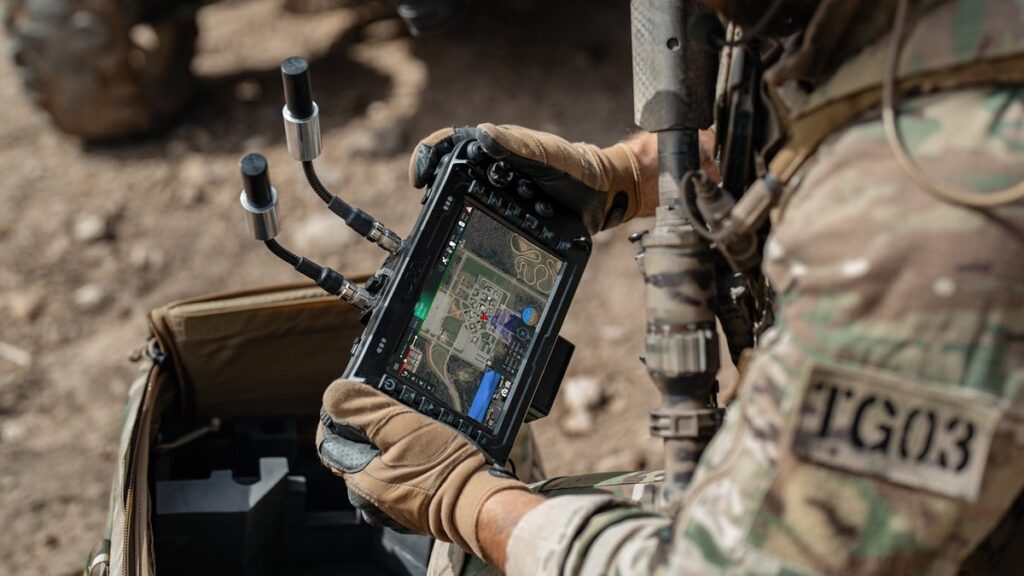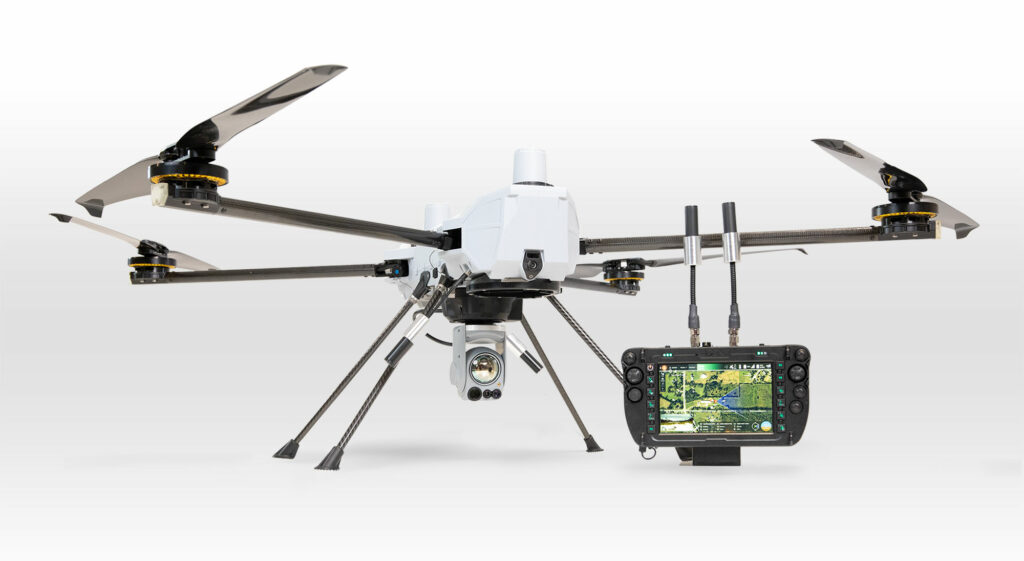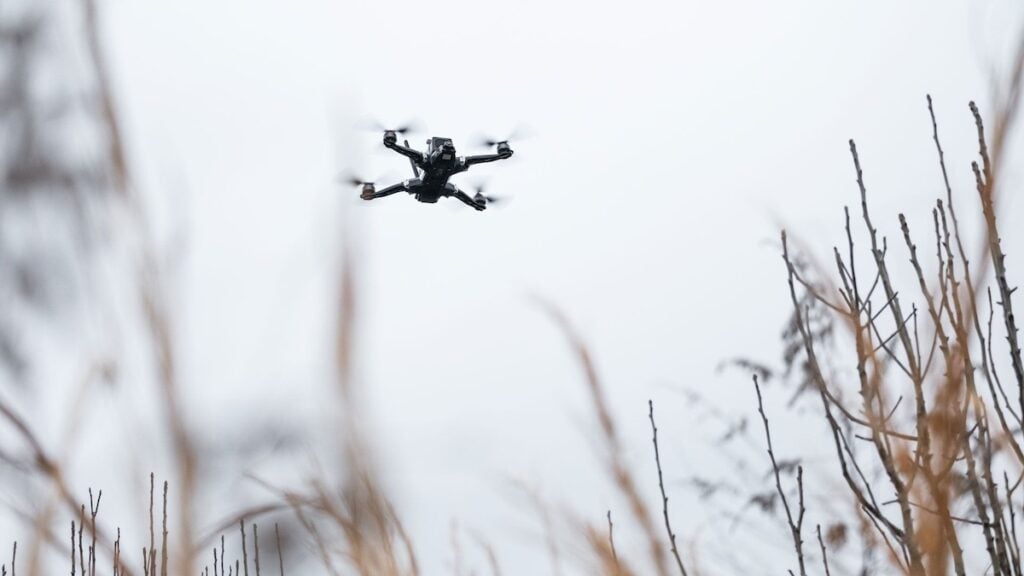
Performance Drone Works’ (PDW) systems have recently been used by U.S. military personnel and allied forces during field exercises, coalition training, and live-fire demonstrations designed to reflect contemporary operational conditions. Read more >>
These activities have shown how the PDW C100 can support small unmanned aircraft system proficiency, multinational interoperability, precision effects, and changing mission demands. Across each event, operators employed the platform to improve access to critical information, expand tactical options, and accelerate decision-making at the point of need.
Building Tactical sUAS Proficiency at Fort Bliss
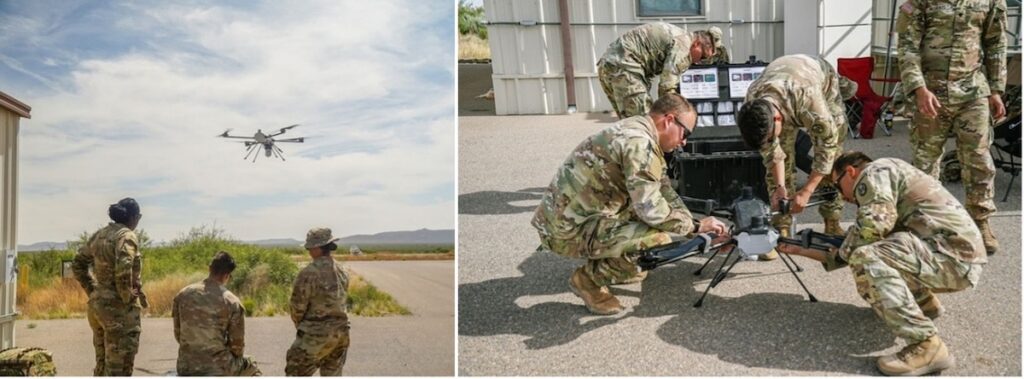
Soldiers assigned to the U.S. Army’s 120th Infantry Regiment trained with the PDW C100 at Fort Bliss, highlighting the increasing importance of small unmanned aircraft systems at the tactical edge.
As units incorporate UAS into routine operations, practical training with mission-ready platforms enables personnel to develop the skills required for rapid and confident employment under realistic field conditions.
Familiarity with the system allows Soldiers to deploy it quickly and adjust its use as operational requirements change. Training of this kind helps ensure that reconnaissance and airborne capabilities can be accessed where and when they are required.
Supporting Coalition Operations in the Philippines
U.S. and Philippine forces employed the PDW C100 during recent joint exercises centered on interoperability, situational awareness, and operational readiness.
The C100 helps deliver the reliable airborne capability operators need to collect, share, and act on critical information across multinational formations. This supports stronger coordination between allied forces operating in the field.
PDW continues to deliver rugged, mission-ready technology designed to help warfighters access and act on critical information across varied operational environments.
Adapting the C100 to Mission Requirements in Hawai’i
During a live-fire demonstration involving the U.S. Army’s 25th Infantry Division, operators used the PDW C100 to demonstrate its “mothership” capability by carrying a substantial payload in support of the mission.
The system was configured in a way that demonstrated a central aspect of the platform’s design: flexibility. As requirements continue to develop, personnel are identifying additional methods for employing the C100 in support of operational objectives.
Designed for durability and adaptability, the C100 allows units to incorporate new payloads and capabilities while maintaining the reliability needed for demanding field conditions.
Improving Allied Interoperability During FLEETEX 250
At FLEETEX 250, held at Marine Corps Base Camp Lejeune, U.S. Marines from 1st Battalion, 2nd Marine Regiment demonstrated the PDW C100 to Spanish Marines during a company-level live-fire range.
The event showed how shared unmanned capabilities can improve allied interoperability by providing a common platform for reconnaissance, situational awareness, and tactical decision-making.
As multinational forces increasingly train and operate together in complex environments, systems such as the C100 can help coalition partners integrate more rapidly, share information, and develop the proficiency required to execute missions as a unified force.
Evaluating sUAS-Enabled Munition Delivery at Fort Campbell
Soldiers from the 101st Airborne Division demonstrated the C100 equipped with a Mechanical Release Device during live-fire training to evaluate sUAS-enabled munition delivery.
The demonstration highlighted how small unmanned aircraft systems can provide greater standoff distance, flexibility, and precision while reducing the time between target identification and engagement.
Beyond munitions, the MRD supports a broad range of mission-specific payloads, including medical supplies and lifesaving equipment. This gives operators the flexibility to deliver critical capabilities wherever they are required.
Together, these exercises demonstrate how operators are expanding the role of unmanned systems in military missions. The events also show how adaptable technology can support greater situational awareness, increased operational flexibility, and decisive capability at the tactical edge.