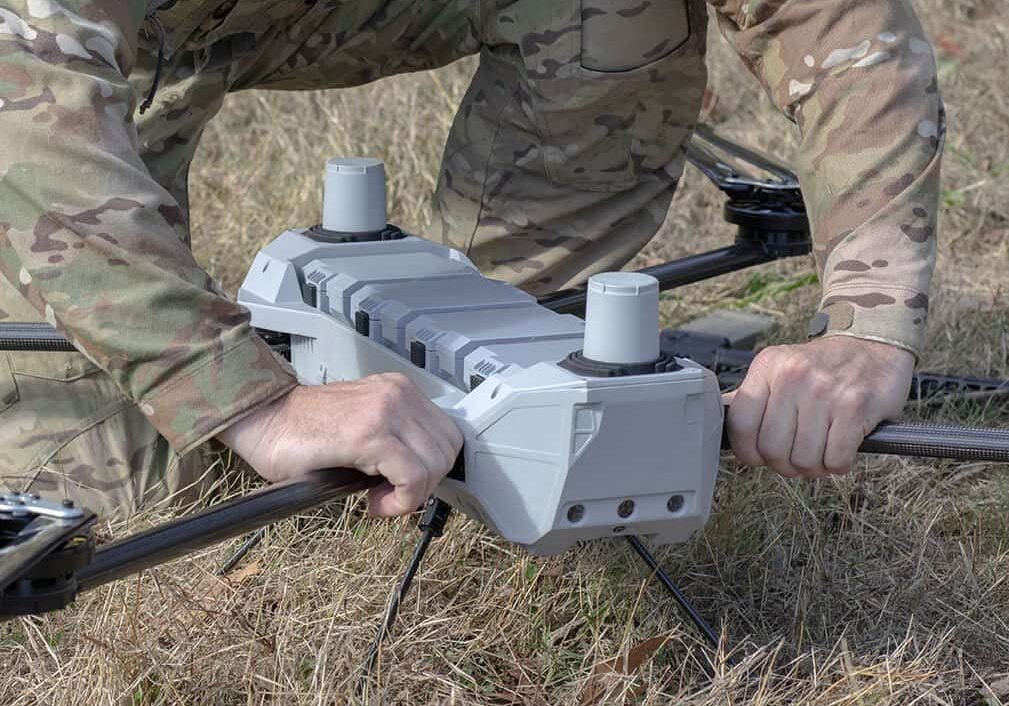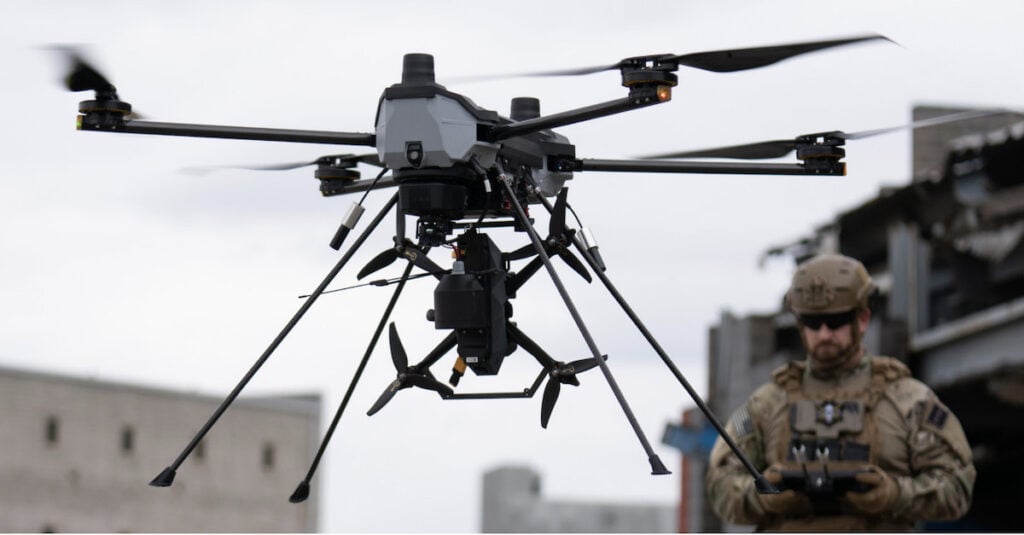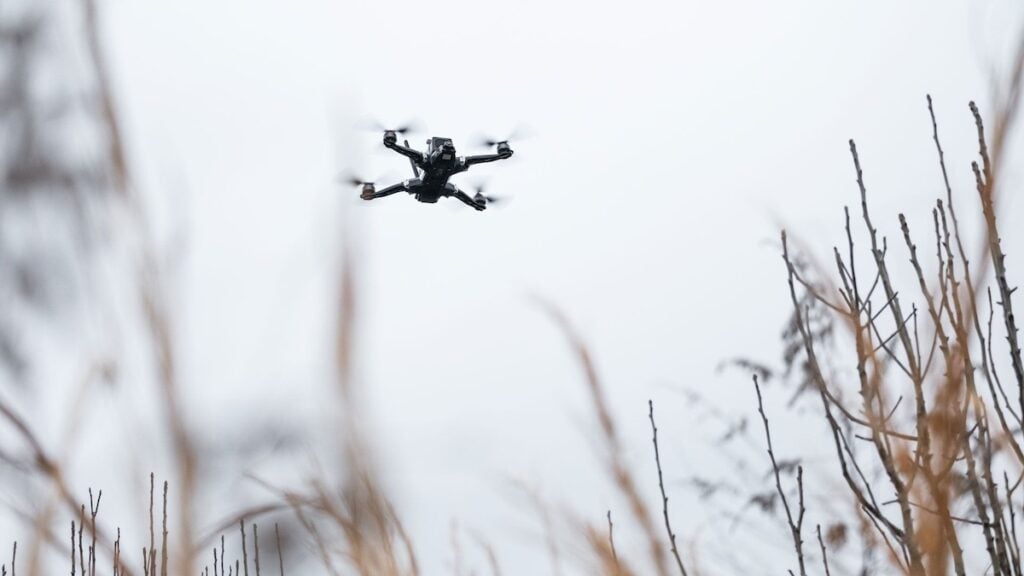

Performance Drone Works (PDW) Attritable Multirotor strike drone has moved into full production to meet the growing demand for mass-manufacturable and domestically scalable defense systems.
The Attritable Multirotor platform was developed to address the rapid shift toward distributed strike systems seen in modern conflict, serving as a ruggedized, rapid-response asset. Designed to fill critical front-line gaps, the system provides both anti-personnel and anti-material effects while operating in harsh conditions and contested environments.
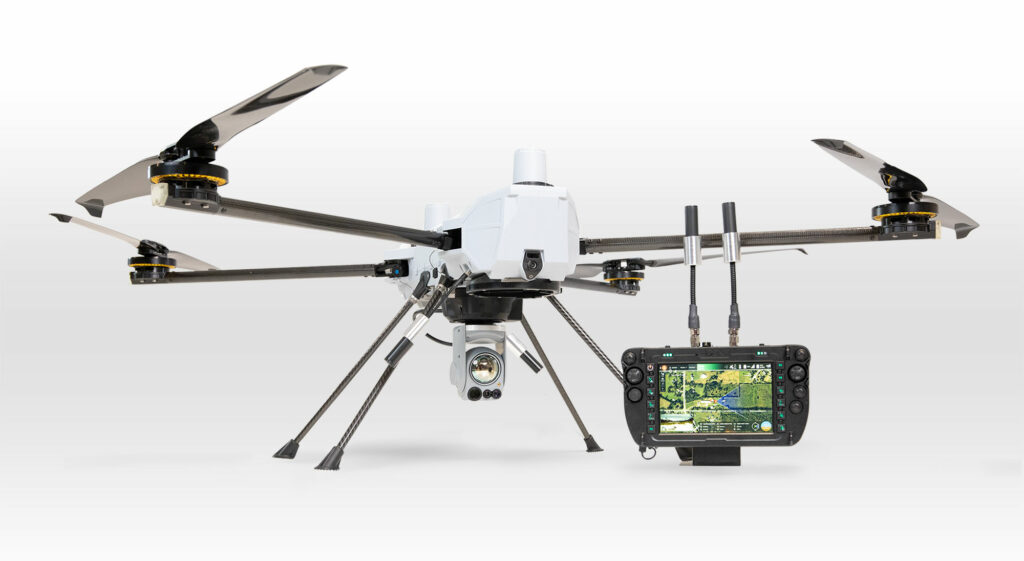
Engineering for the drone focused on versatility, featuring swappable arm configurations for 5-inch, 7-inch, and 10-inch platforms alongside universal payload interfaces. This modularity allows the system to offer the maneuverability of a small drone with the endurance typically associated with larger platforms. The aircraft supports a five-pound payload capacity and maintains a 10km point-to-point operational range, which can be extended beyond 20km when utilizing a C2 relay.
PDW CEO James Slider, said, “Drones have evolved from a tactical advantage to a battlefield necessity. FPV systems in particular have reshaped tactics by delivering precision strike capability at a fraction of the cost of traditional systems. Any force that cannot field them at scale is operating at a disadvantage.”
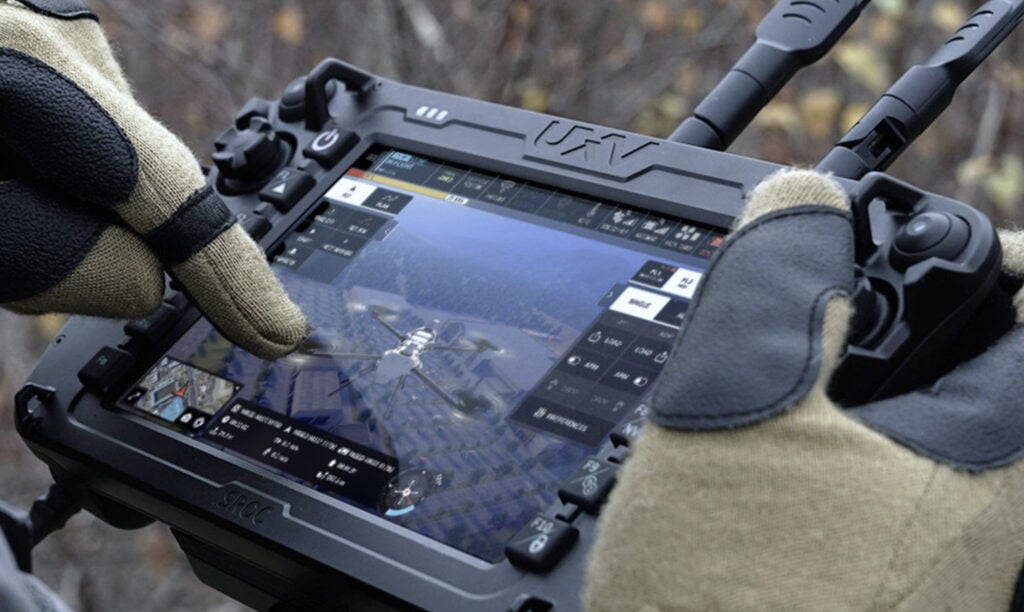
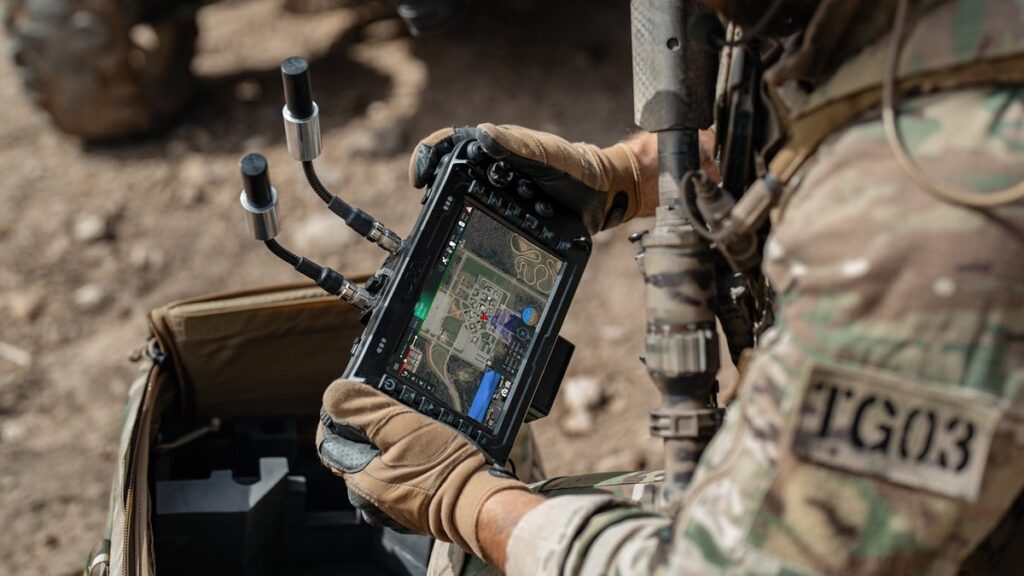
The platform is NDAA-compliant and includes a high-performance Ground Control Station designed for extended-range missions. Field utility is further enhanced by tool-less components for quick reconfiguration and a refined airframe that reduces weight while increasing durability.
PDW utilized operator feedback and structured testing cycles to mature the system into a standardized configuration ready for deployment. The company’s previous experience with the multi-mission C100 sUAS has informed the development of this new platform, ensuring reliability and manufacturing readiness.
Future developments for the Attritable Multirotor include expanding its capabilities to support ISR and multi-agent operations within a single, unified platform. This ongoing evolution aims to maintain the system’s relevance as a true multi-mission tool for front-line operators.