


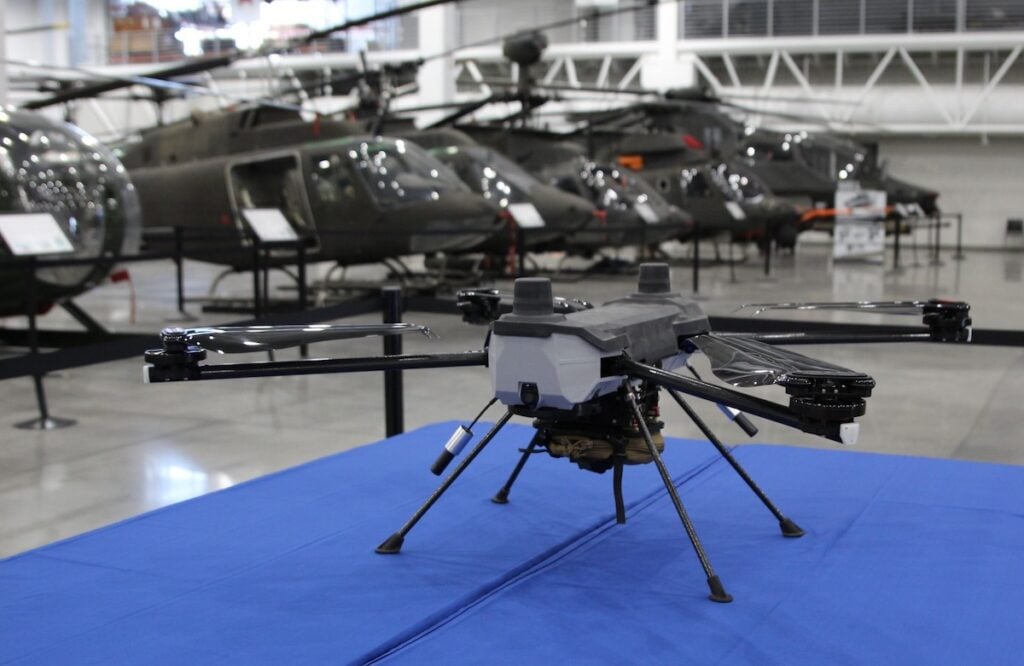
A combat-tested unmanned aircraft system from Performance Drone Works (PDW) that has completed domestic and overseas deployments has been formally inducted into the U.S. Army Aviation Museum, marking a rare preservation of technology that remains actively deployed.
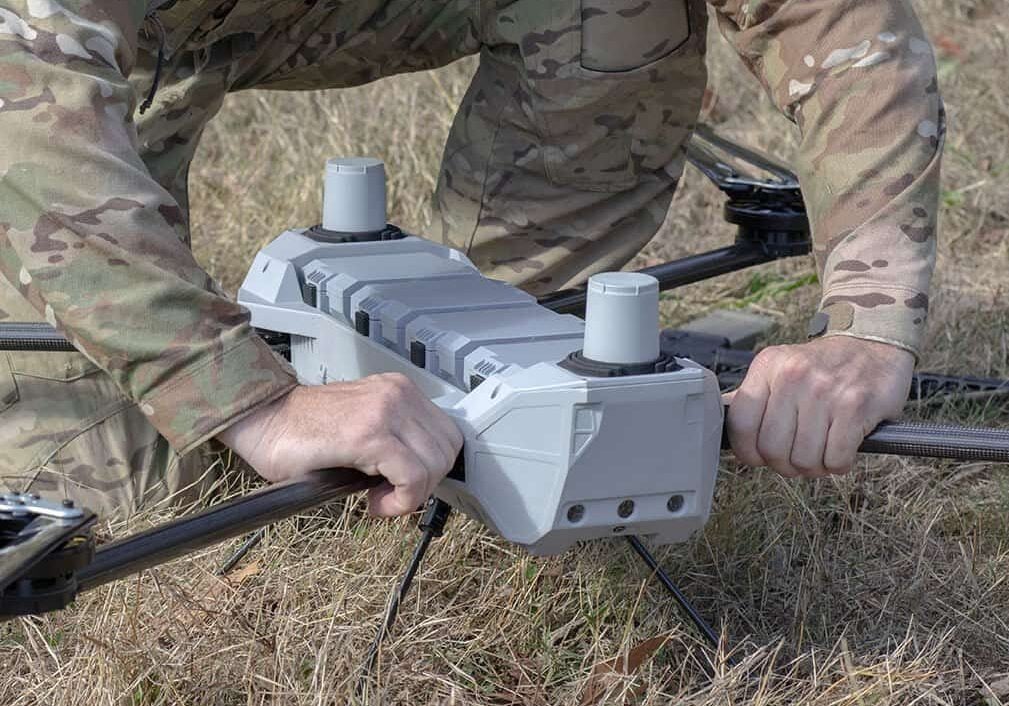
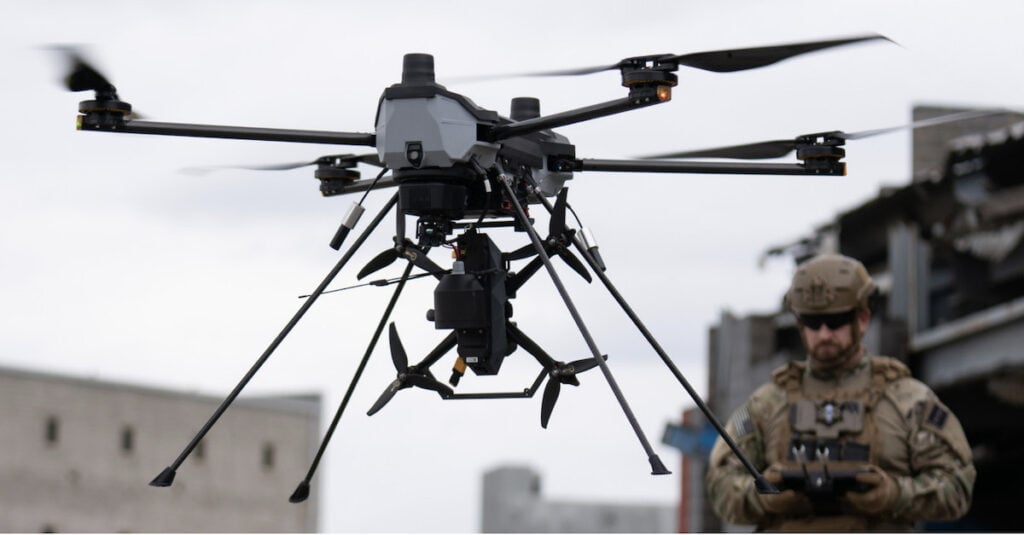
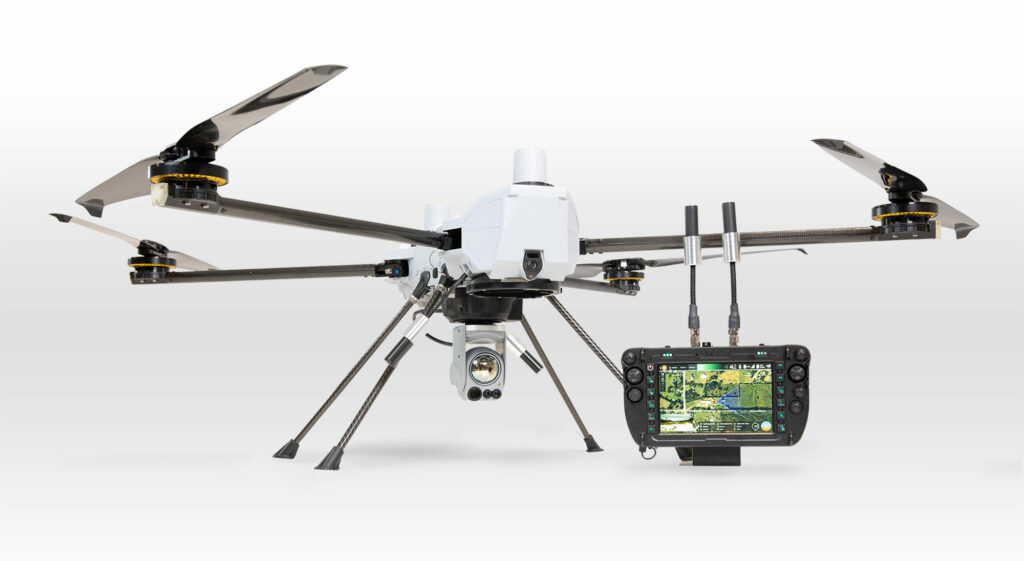
The museum unveiled the PDW C100 during its Models & Machines show and Training Support Facility Open House at Fort Rucker, Alabama. Prior to its placement in the historical collection, this specific airframe operated across the United States and abroad, scouting ahead of ground teams, helping locate Soldiers awaiting recovery, and delivering essential first aid supplies and water to personnel requiring assistance.
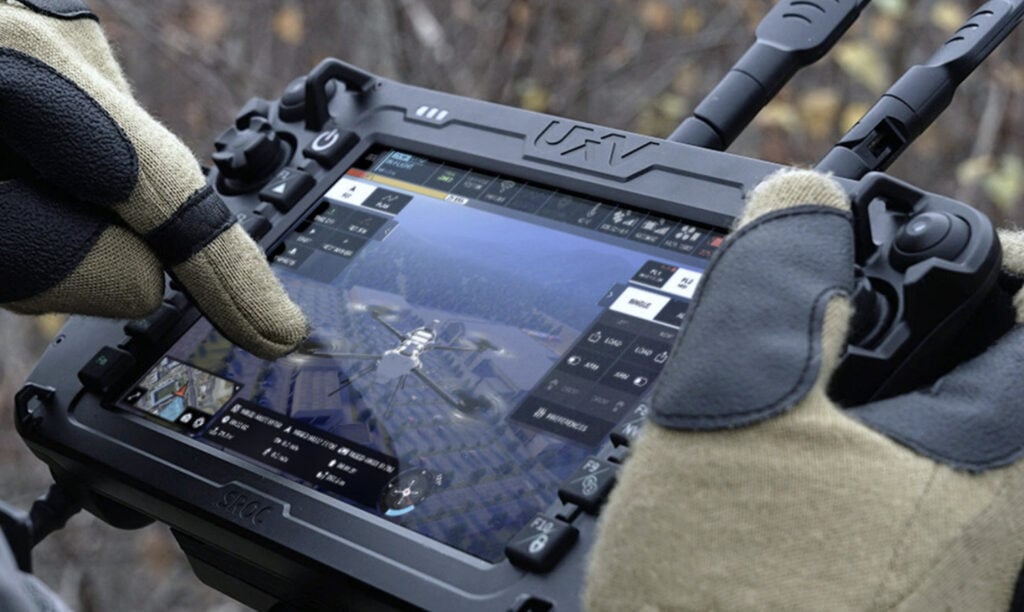
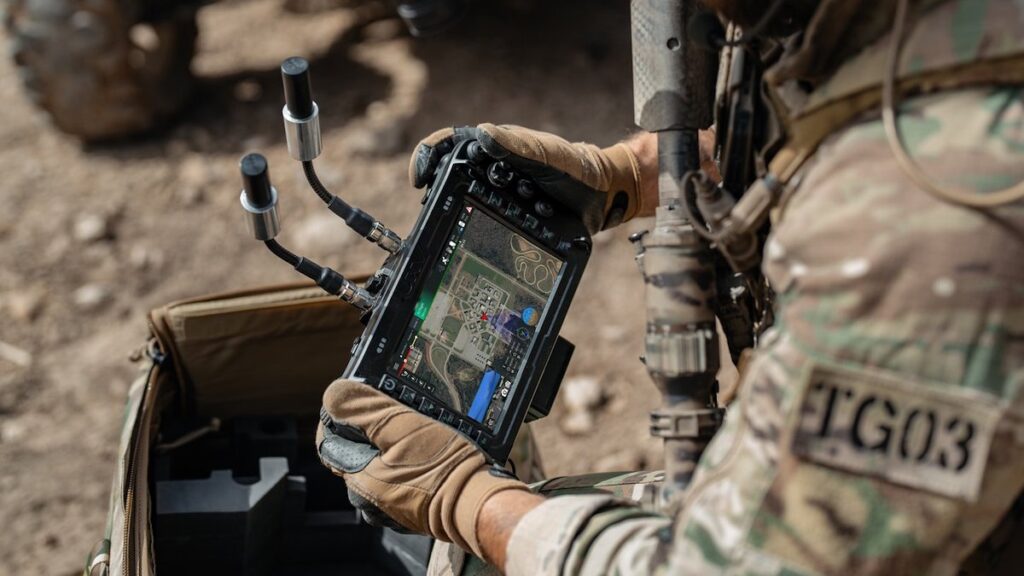
Engineered as a compact and man-packable platform, the C100 provides small units with organic air support to expand situational reach and rapidly respond to changing conditions. Its modular, open architecture enables operators to quickly exchange mission payloads for reconnaissance, surveillance, communications relay, spectrum awareness, cargo delivery, and organic fires support.
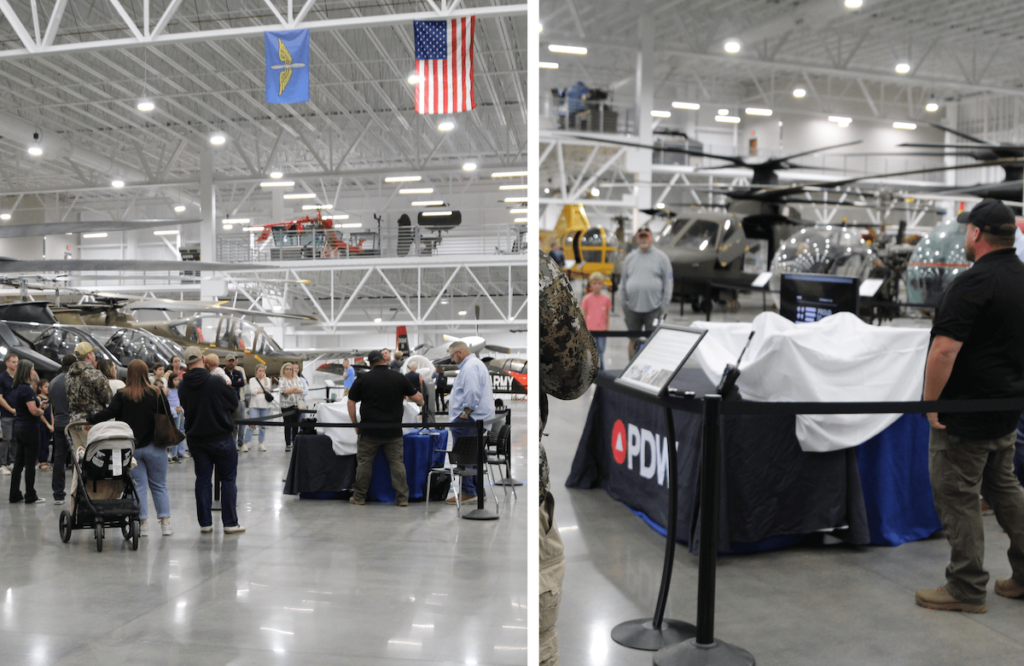
The inclusion of the unmanned platform marks an evolving era for the institution, which was established in 1956 and officially opened to the public in 1968 through the efforts of military personnel, civilians, and volunteers. Today, the facility houses more than 160 military aircraft tracing an expansive heritage from the Wright brothers and World War I to modern Apache and Black Hawk helicopters.
“Preserving aviation history can’t just be a boneyard salvage mission decades down the road; strong PM and industry partnerships ensure rapid transformations like the C100 are captured in the dirt before today’s innovation becomes yesterday’s forgotten blueprint,” said Director of the Army Aviation Museum Bryant Macfarlane.
The aircraft’s role aligns with the Army’s Transformation in Contact initiative, where frontline defense equipment is continually evaluated and modernized directly by operators in active training environments and deployments. Feedback gathered from the field guides PDW’s engineering refinements across aircraft performance, mission systems, software, and payload integration.
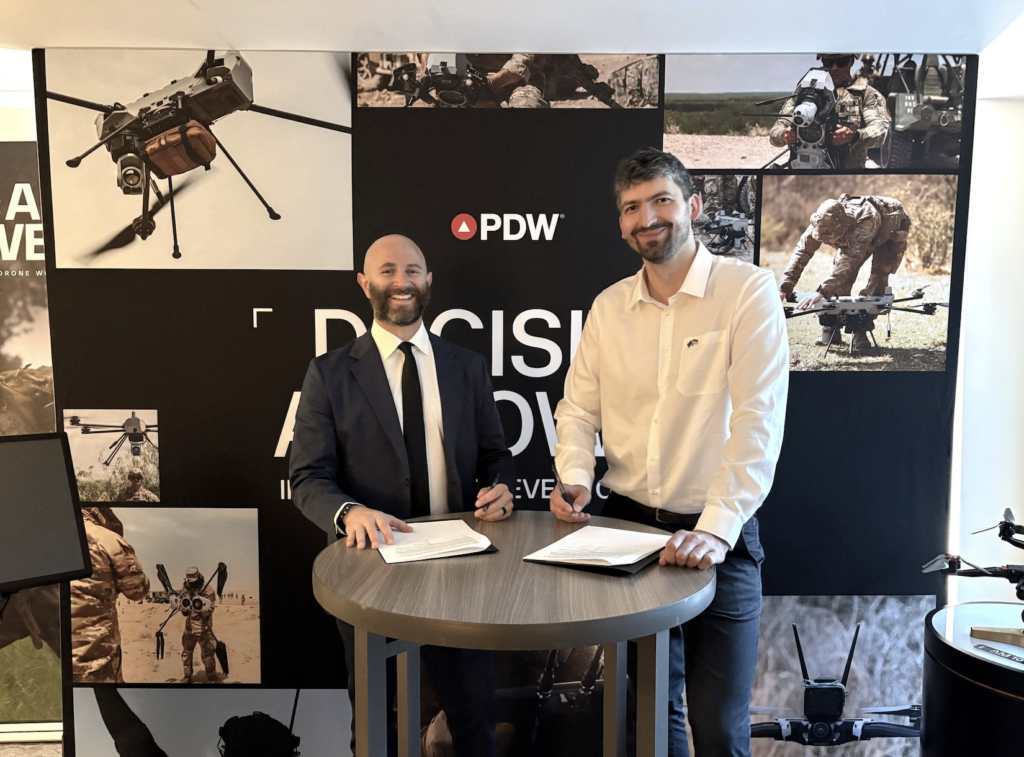
“Soldiers earned this aircraft its place in the museum by putting it to work on real missions,” said James Slider, CEO of PDW. “They continue to show us what works, what needs to improve, and what they need next. Our job is to turn that experience into capability they can use. That’s how we continue executing against our mission of putting decisive airpower in the hands of every operator.”
While this individual airframe now provides visitors with an immediate link to ongoing tactical modernization, identical C100 units remain deployed with Soldiers worldwide, executing live operations and driving the future requirements of military aviation.