



CACI outlines the payload considerations involved in balancing Size, Weight and Power (SWaP) with Electro-Optical/Infrared (EO/IR) imaging performance as small Uncrewed Aerial Systems (sUAS) undertake increasingly complex Intelligence, Surveillance and Reconnaissance (ISR) missions.
For operators and integrators, payload selection is a critical design decision because the weight and power carried by the airframe directly affect endurance, range and agility. A heavier payload, or one with greater power demands, can reduce mission duration while limiting how far or how nimbly the aircraft can operate.
Addressing SWaP Constraints on Small UAS
Unlike larger Unmanned Aerial Vehicle (UAV) platforms, which can accommodate heavier sensor packages without much penalty, sUAS have less flexibility in this respect. This places the SWaP trade-off at the center of EO/IR payload design.
Adding too much capability can compromise flight time, range or maneuverability. Conversely, insufficient capability can prevent the platform from providing the intelligence required to meet mission needs.
These constraints mean that small EO/IR payloads cannot simply be scaled-down versions of larger systems. Instead, they must be engineered from the initial design process to provide useful intelligence without compromising the demanding field conditions in which sUAS operate.
Integrating EO/IR Capabilities Within a Compact Payload
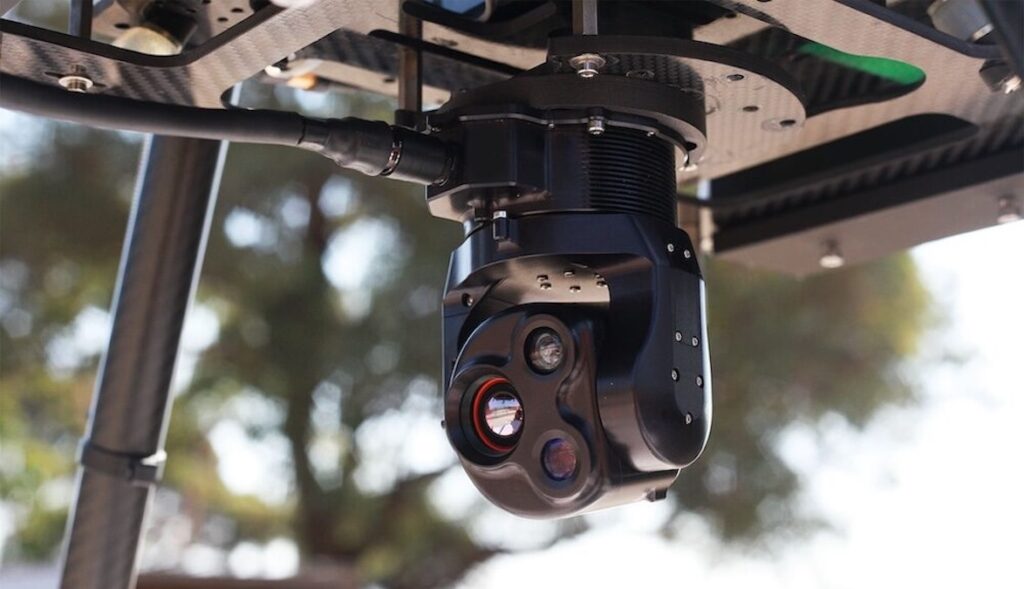
Effective small EO/IR payloads therefore involve more than reducing camera size. They combine sensors, stabilization, onboard processing, communications compatibility and reliable environmental performance within a single package engineered specifically for SWaP-constrained platforms.
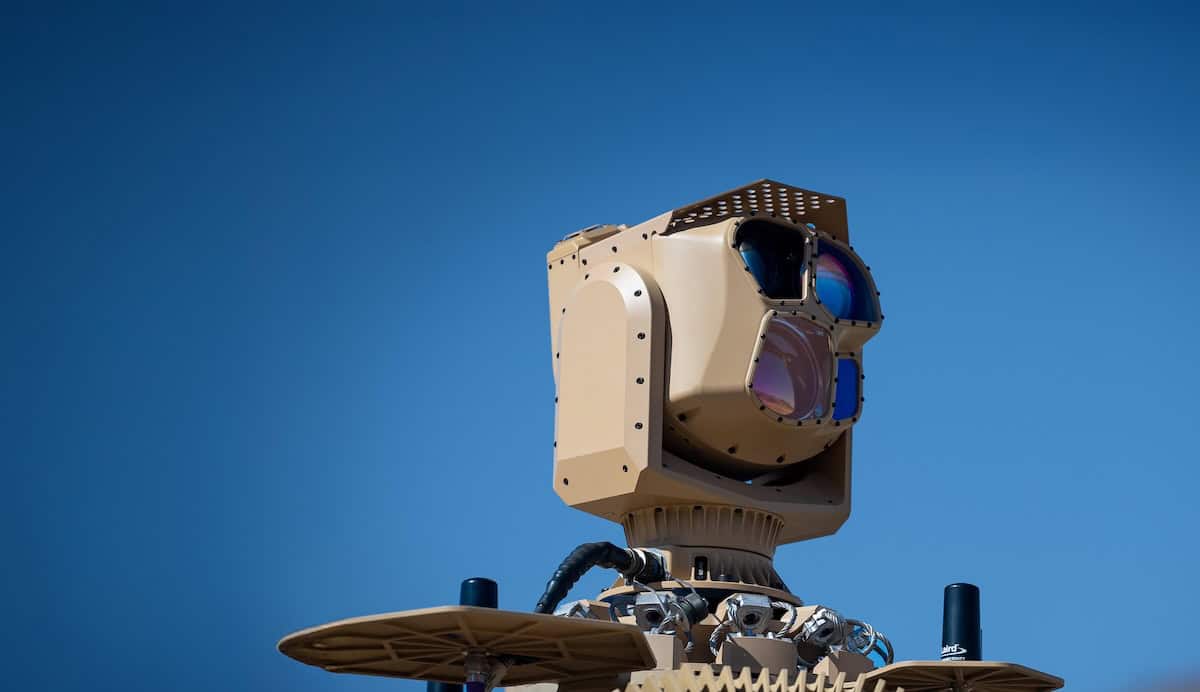
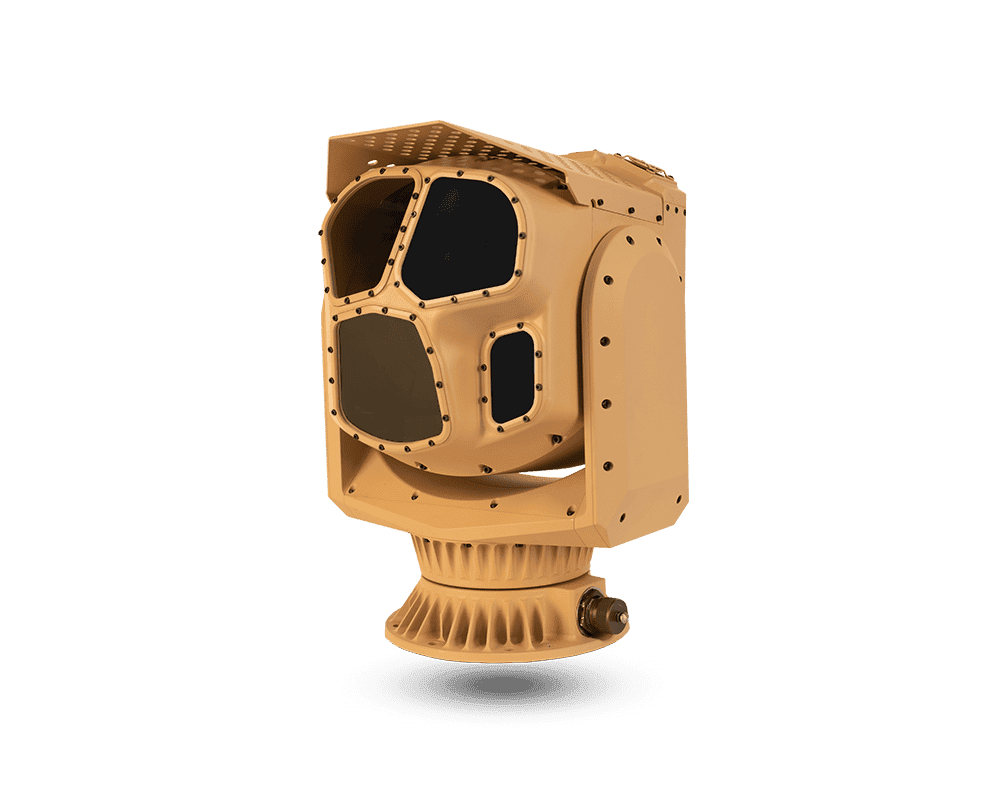
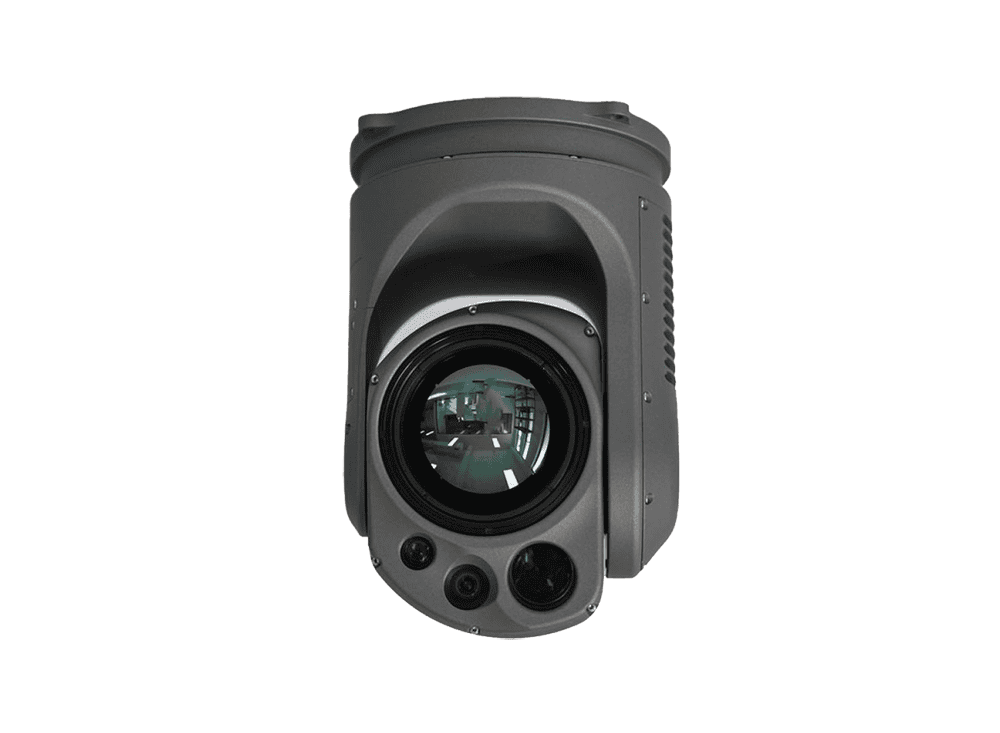
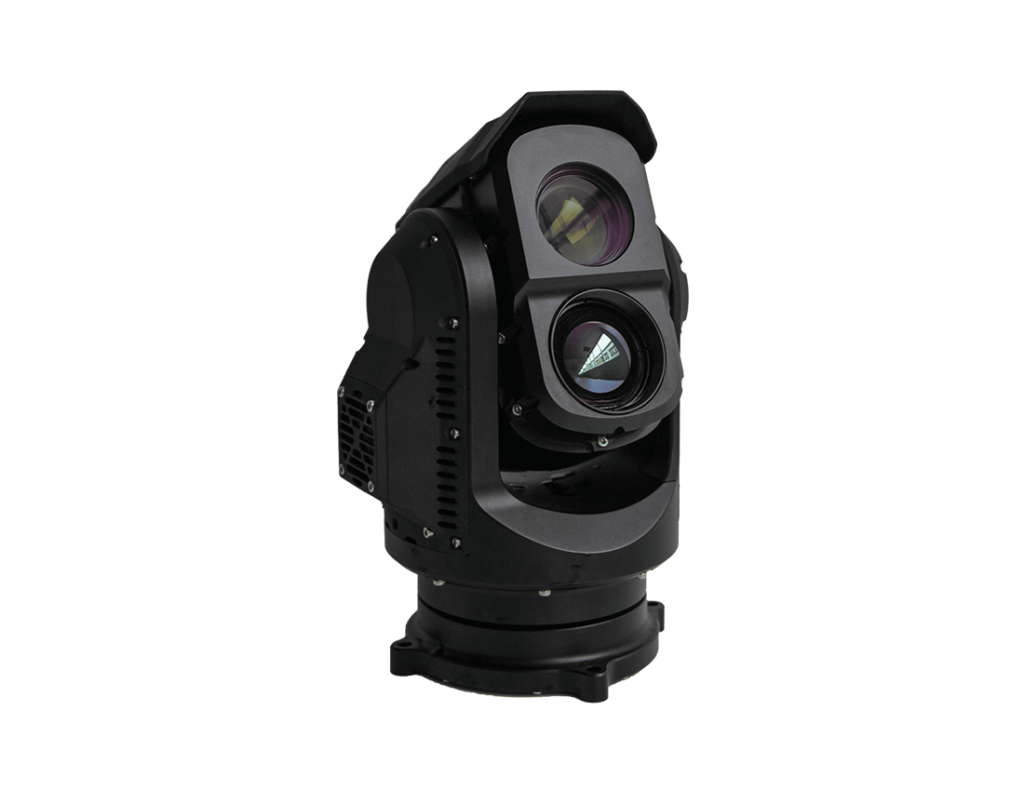
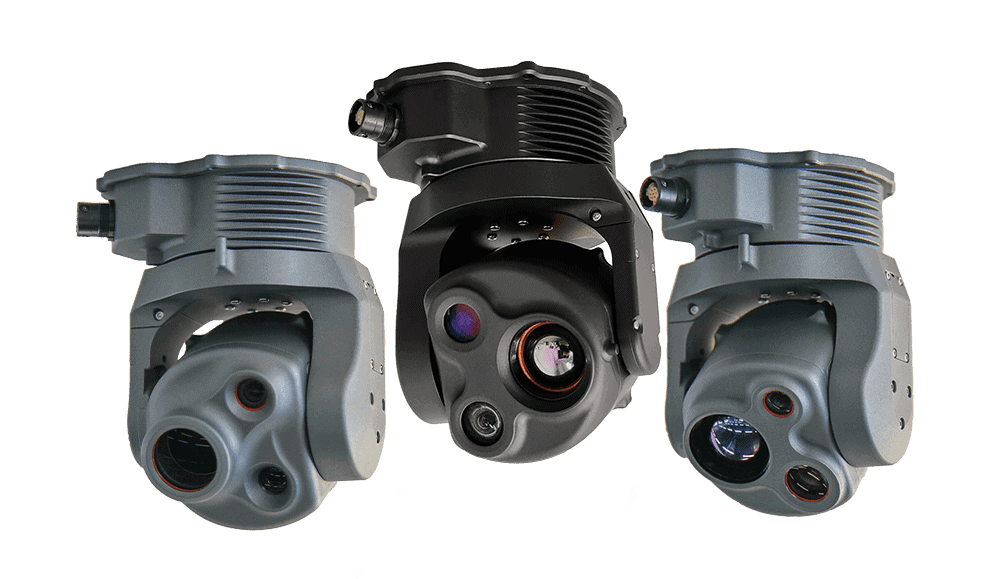
CACI’s EO/IR imaging systems illustrate this approach, demonstrating how imaging performance can be provided without exceeding the weight and power constraints within which sUAS operators must work. The company’s CM41, CM62, and CM102 imaging systems have been designed for integration into Group 1 and Group 2 sUAS.
For missions conducted in demanding field conditions, CACI’s imaging systems provide high-quality EO/IR imagery alongside a suite of onboard software features, supporting applications across ISR, search and rescue, infrastructure inspection, border security, and situational awareness.
Visit the CACI website to learn more about its EO/IR imaging systems for uncrewed aerial systems.