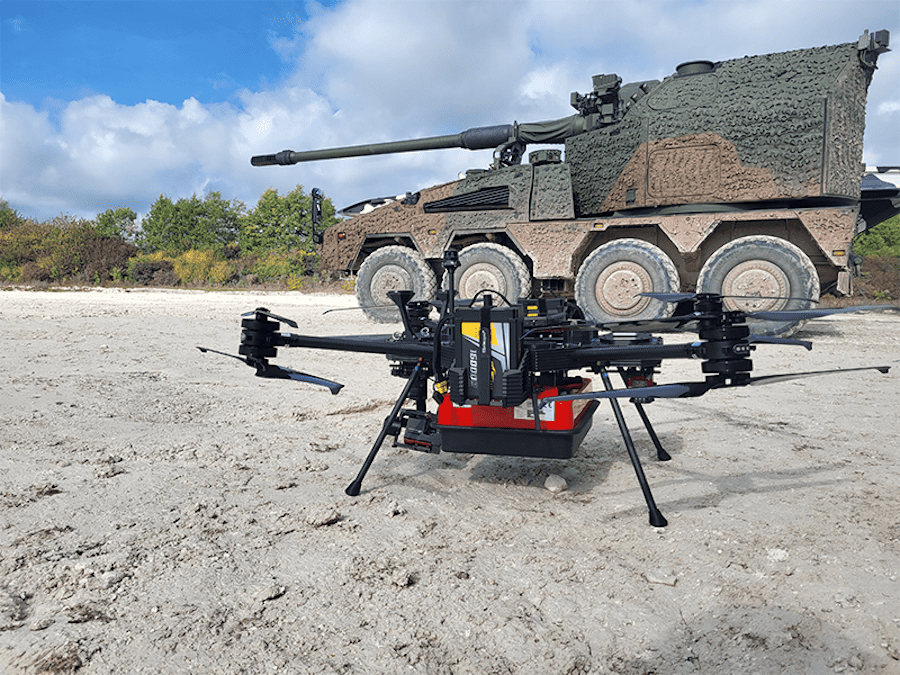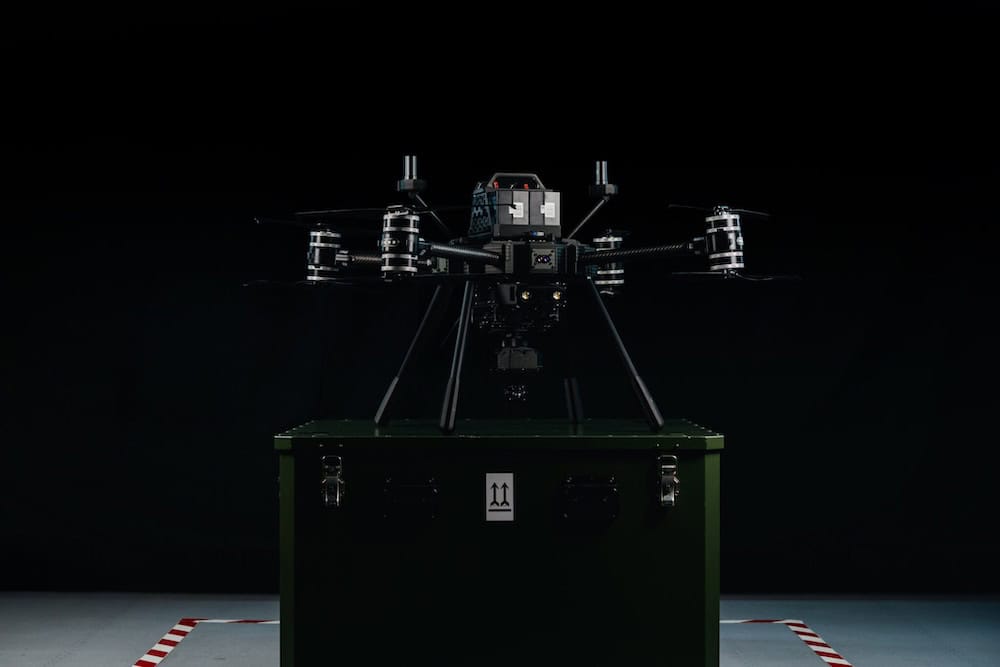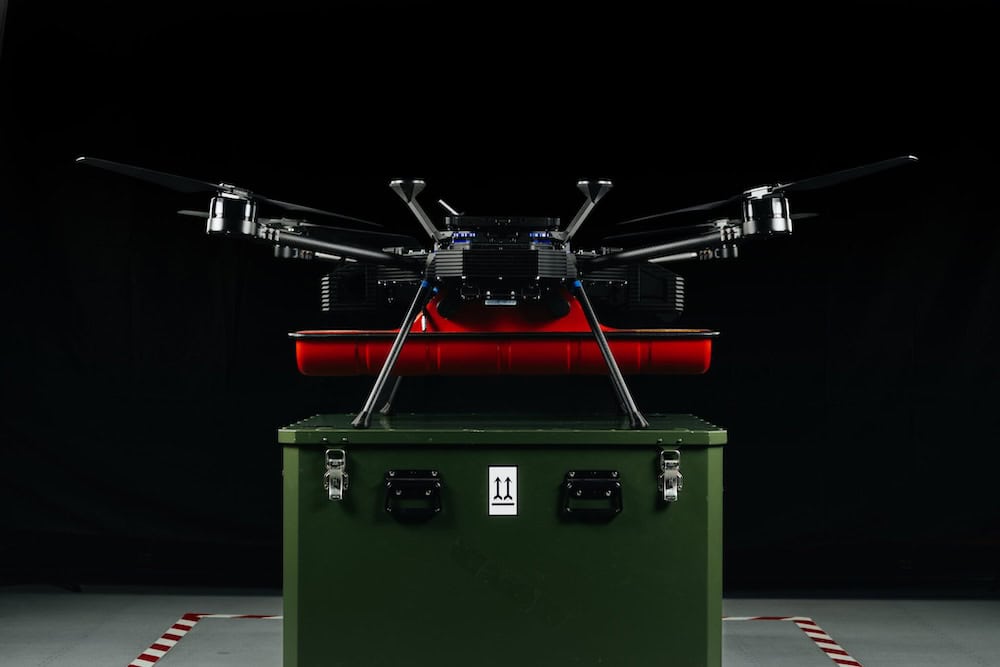




ISS Aerospace is focusing on open architecture and modular system design as autonomous systems become increasingly important across modern defence operations.
The company’s approach is centred on developing uncrewed platforms that can integrate new payloads, software capabilities, and mission systems as operational requirements evolve.
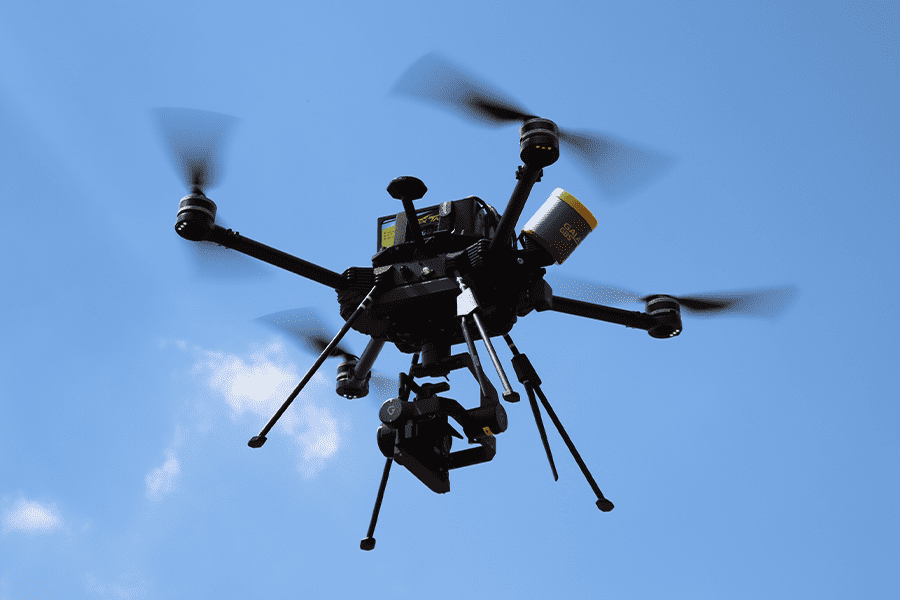
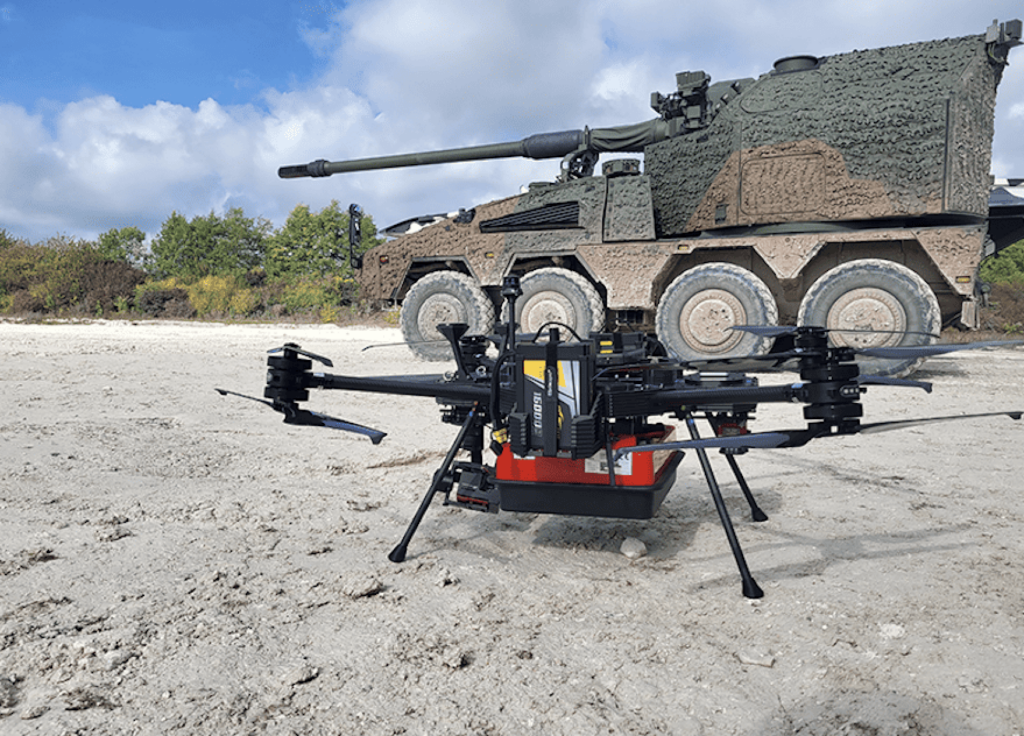
The UK sovereign developer designs, manufactures, and operates autonomous uncrewed systems for defence, security, and critical national infrastructure applications. Its platforms combine advanced autonomy, resilient navigation, edge computing, and open-architecture design to support missions including intelligence, surveillance and reconnaissance (ISR), force protection, logistics, and operational support.
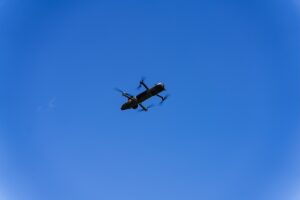
Image credit: ISS Aerospace
For autonomous systems operating in increasingly complex environments, the ability to adapt capabilities without redesigning an entire platform is becoming an important consideration. ISS Aerospace’s open architecture approach is intended to support rapid integration of mission-specific payloads, sensors, communications equipment, and software applications, enabling platforms to evolve alongside changing requirements.
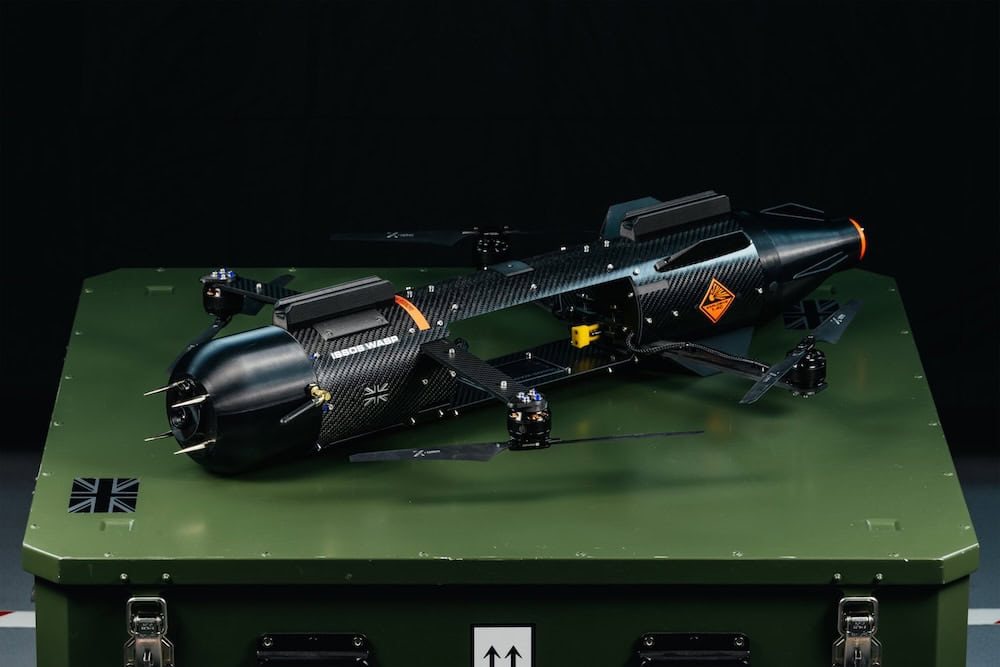
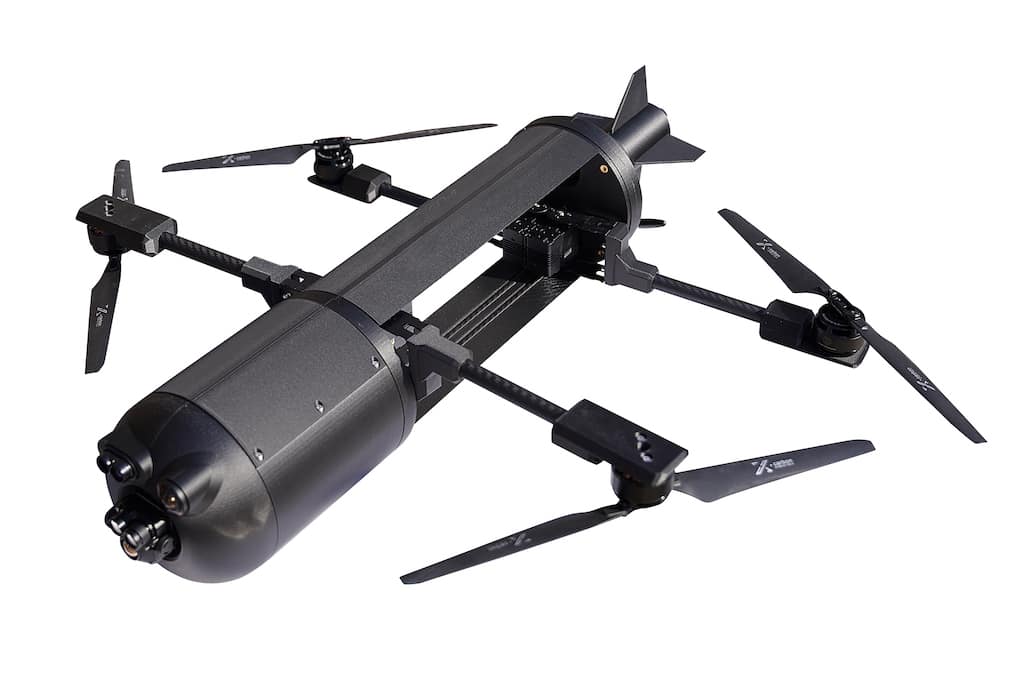
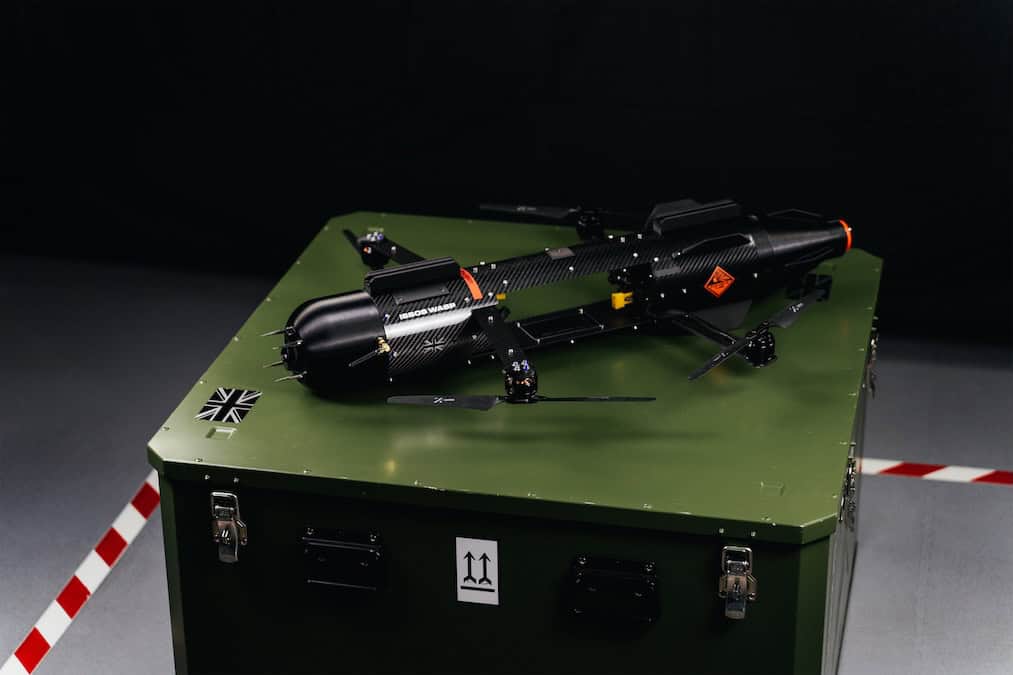
A key example of this design philosophy is the ISSOS WASP, a compact launched effect designed around flexibility and modularity. The tube-launched autonomous aerial system features an open architecture flight stack, EO/IR gimbal, modular payload capability, and swarming communications, allowing it to be configured for different mission requirements.
Rather than being developed around a single fixed role, WASP’s modular architecture allows the platform to support multiple applications. Its payload system can be configured for missions including intelligence, surveillance and reconnaissance (ISR), counter-UAS operations, and other operational roles, providing flexibility as capability requirements change.
This focus on integration and adaptability was demonstrated through ISS Aerospace’s work with Anduril UK to integrate WASP with the Lattice platform. The open architecture approach enabled the teams to complete integration and validate the capability through flight testing within a single day, demonstrating how adaptable system designs can support faster capability development.

Image credit: ISS Aerospace
The integration also highlighted the potential for autonomous platforms and software systems to work together through common architectures, allowing additional capabilities to be introduced without requiring entirely new platforms. For WASP, the modular payload approach provides a pathway for continued development as mission requirements and capability needs evolve.
Following the initial integration and flight validation, future work will focus on validation campaigns for ground and air launch operations, alongside continued advancement of WASP’s modular payload capability to support broader mission applications.
Through its focus on sovereign development, open architectures, and adaptable autonomous platforms, ISS Aerospace is developing systems intended to support evolving defence requirements and continued capability growth.