



Forcys is highlighting the growing importance of underwater security as part of national resilience, particularly for critical infrastructure such as ports, offshore energy facilities, subsea communications cables and naval sites that face a range of threats below the waterline. Read more >>
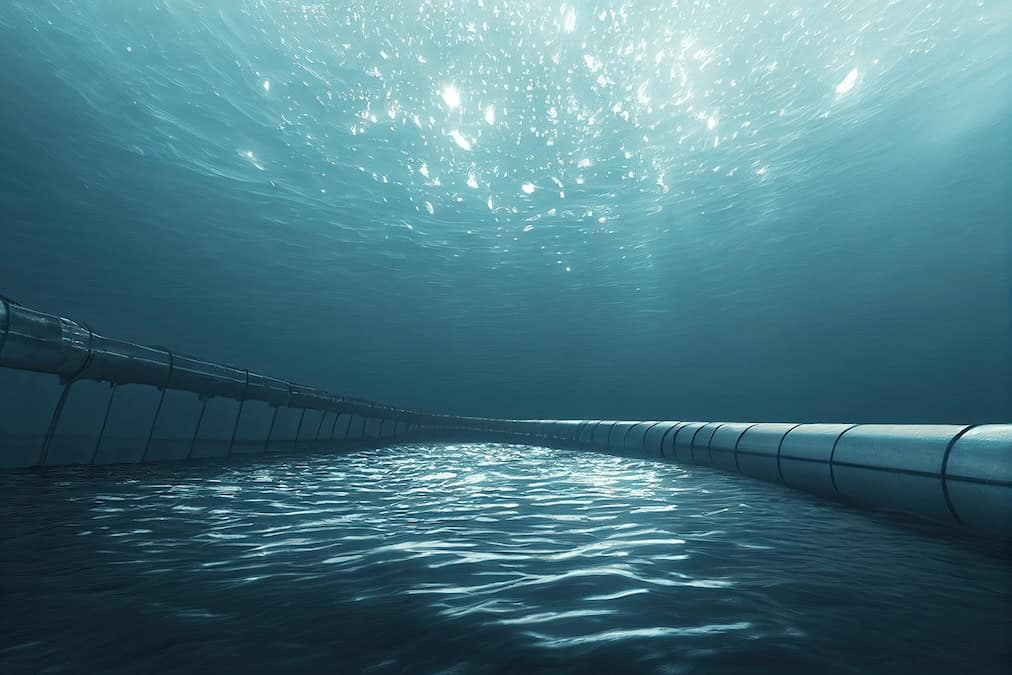
Recent incidents involving pipelines, subsea cables and strategically important maritime routes have demonstrated how disruption in the underwater domain can affect energy security, communications, trade and military operations. Forcys highlights that underwater approaches to critical infrastructure can remain comparatively under-observed, creating potential gaps in situational awareness.
The destruction of the Nord Stream pipelines in 2022 demonstrated the vulnerability of strategically important subsea assets, while cable incidents in the Baltic Sea during 2023 and 2024 reinforced concerns surrounding the security of infrastructure connecting NATO member states.
Subsea cables carry approximately 95 percent of global internet traffic and international data flows. Damage to these systems can therefore affect government communications, financial networks, civilian digital infrastructure and military command systems.
Ports and offshore energy facilities face similar risks. Underwater infrastructure may include quay structures, pipework, navigation channels, risers, export cables and mooring systems, many of which are difficult to monitor continuously.
For these facilities, underwater approaches can remain among the least observed areas within the wider security environment.
Evolving Underwater Threats
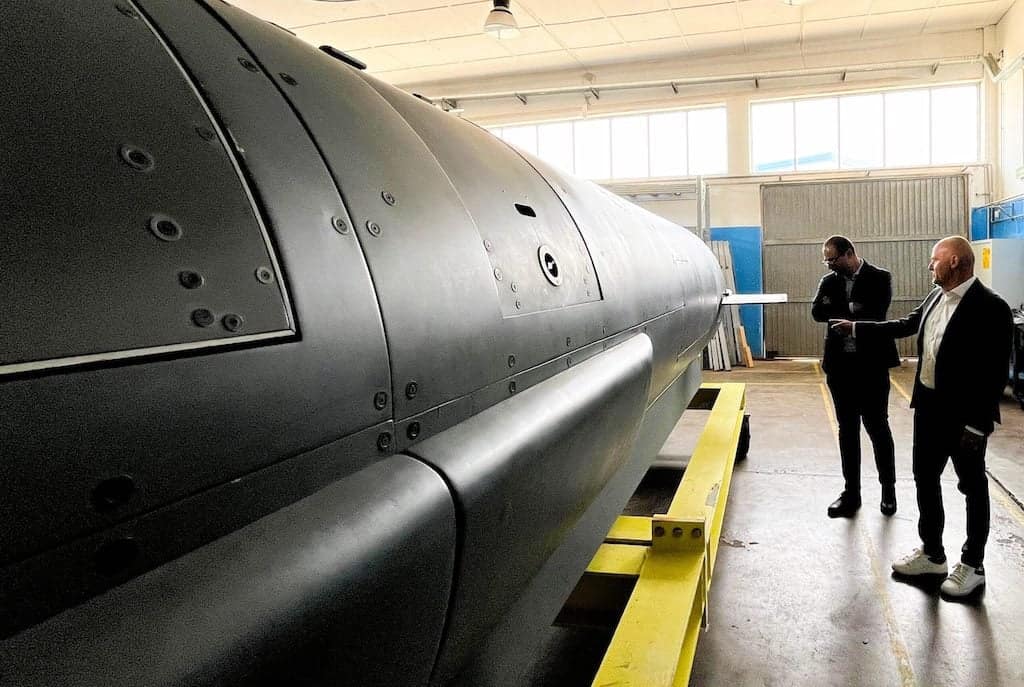
Potential threats include combat divers, special operations swimmers, swimmer delivery vehicles and increasingly autonomous or unmanned underwater vehicles.

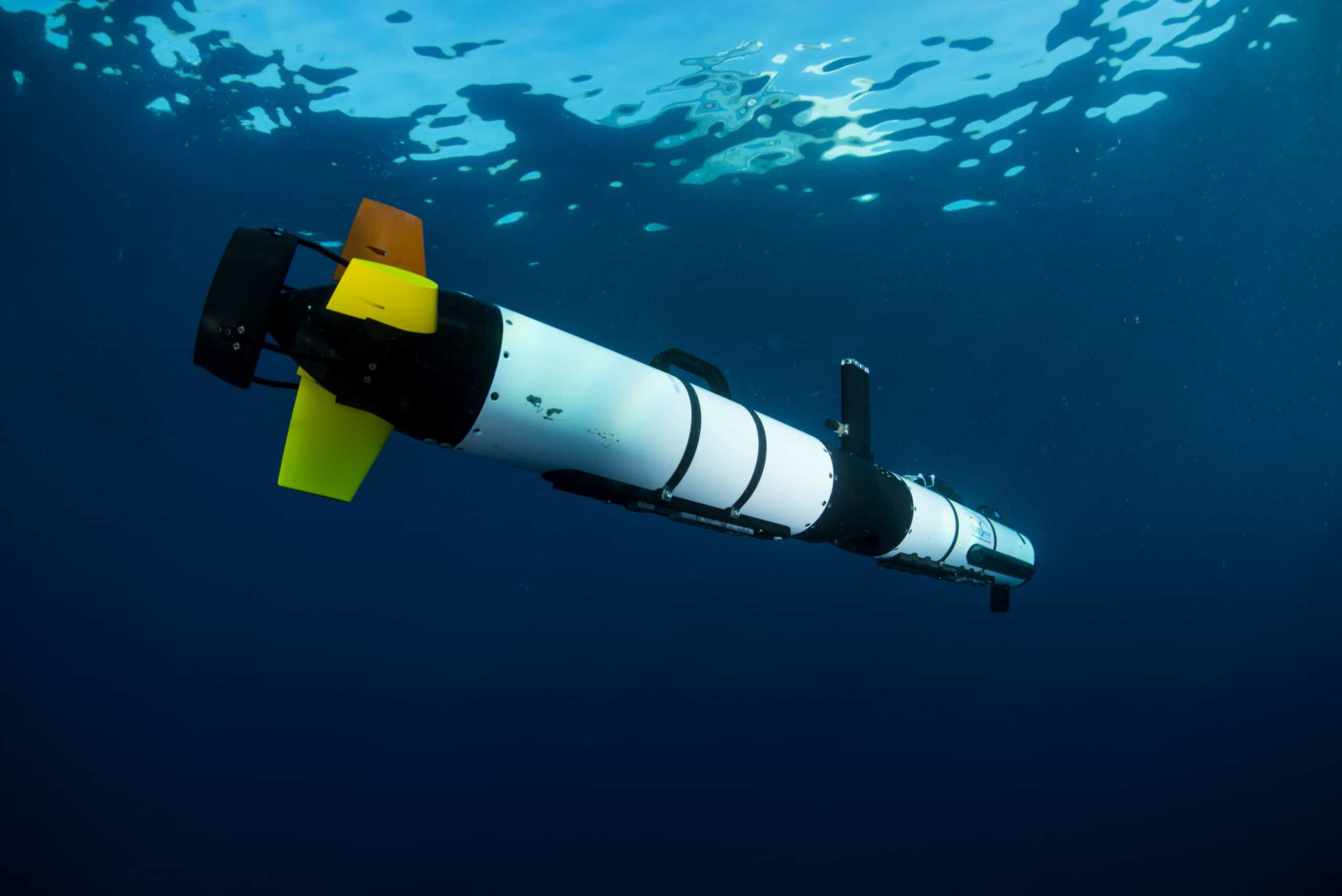
AUVs and UUVs can be programmed in advance and deployed from outside a protected security zone. Their small size and low acoustic signatures can make them difficult to identify, while potential payloads range from intelligence-gathering sensors to devices capable of causing physical damage.
Commercial underwater vehicle technology has also become more widely available, making capable systems accessible to a broader range of actors. At the same time, state operators continue to develop purpose-built systems for covert underwater operations.
Detecting these threats is complicated further by the underwater environment. Acoustic performance can be affected by temperature gradients, salinity, shipping activity and local environmental conditions, meaning monitoring systems must be suited to the characteristics of each deployment.
Ioseba Tena, Chief Commercial Officer, Forcys, stated, “An approaching threat could reach a critical asset undetected, simply because no one was looking beneath the surface.”
Persistent Detection and Early Warning
Effective underwater security requires more than periodic inspection.
Continuous monitoring allows operators to establish a baseline understanding of activity around a protected location and identify potentially unusual contacts as they emerge.
Detection must also be supported by classification. Systems need to differentiate between possible threats and non-threatening contacts such as marine life, vessel noise and environmental interference to avoid overwhelming operators with unnecessary alerts.
Early warning is equally important. Identifying an underwater contact only after it has reached a critical asset provides limited opportunity for intervention.
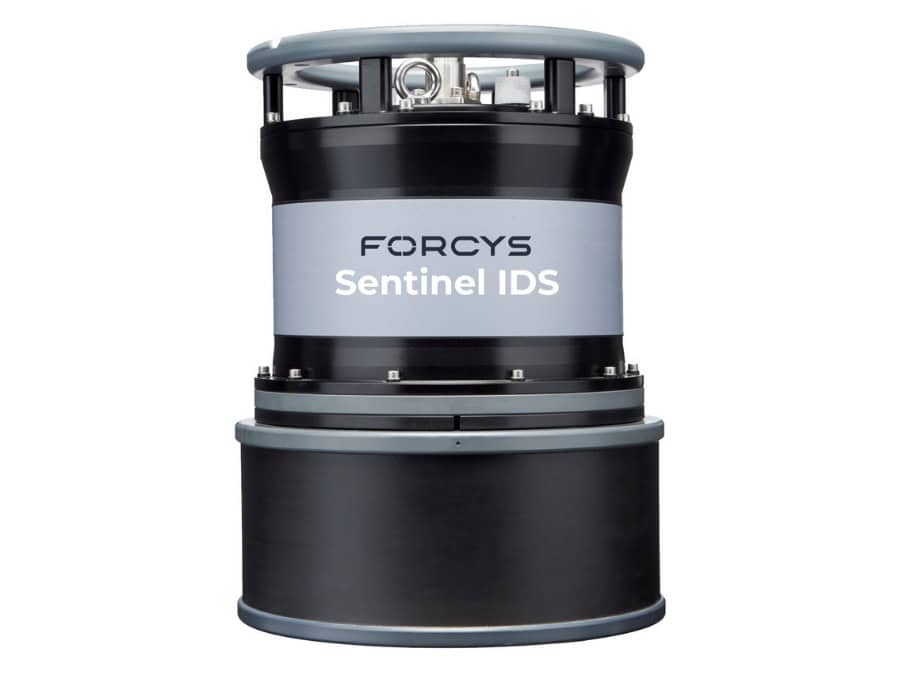
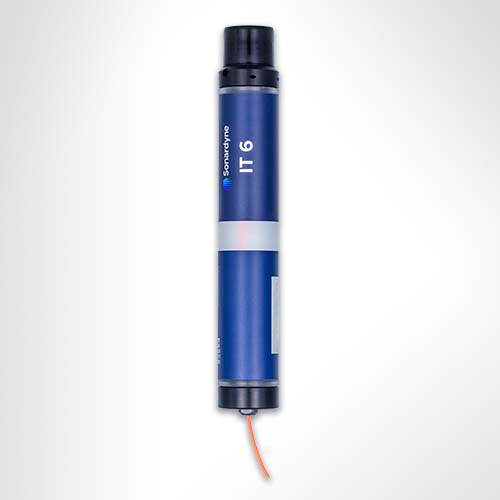
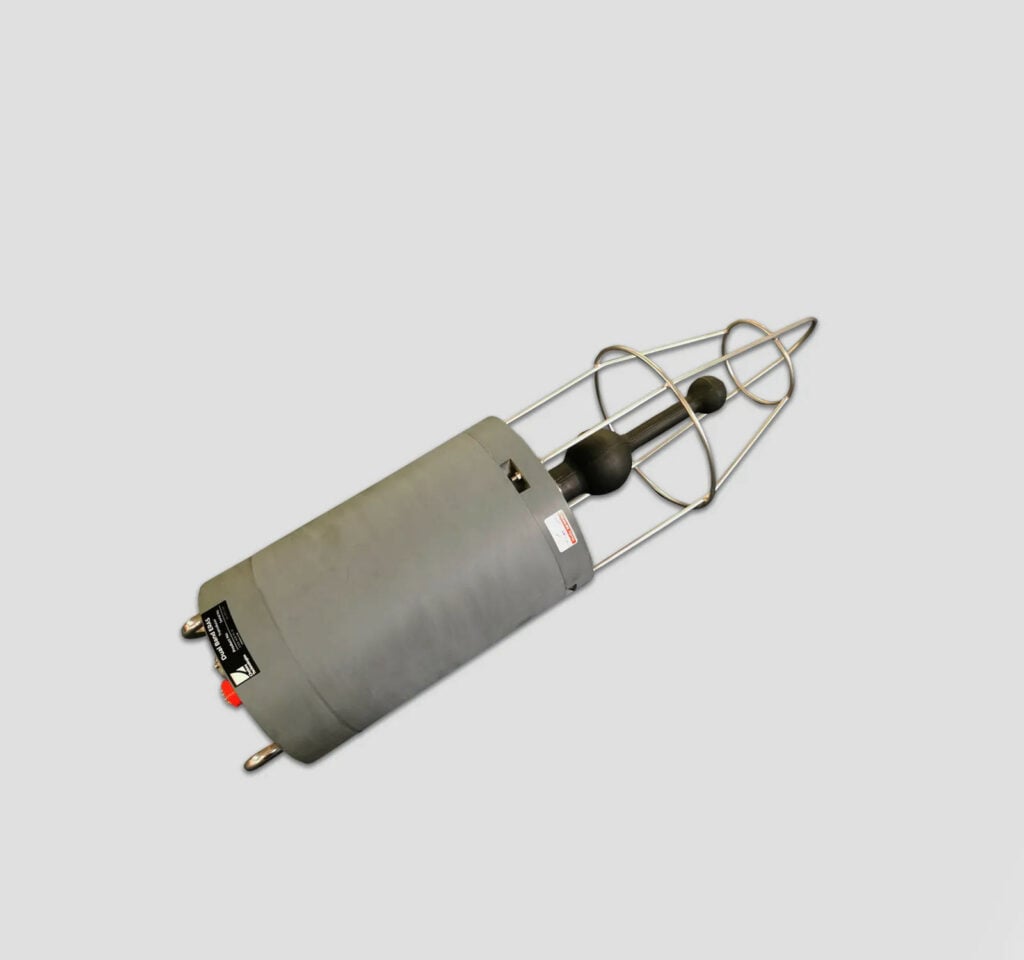
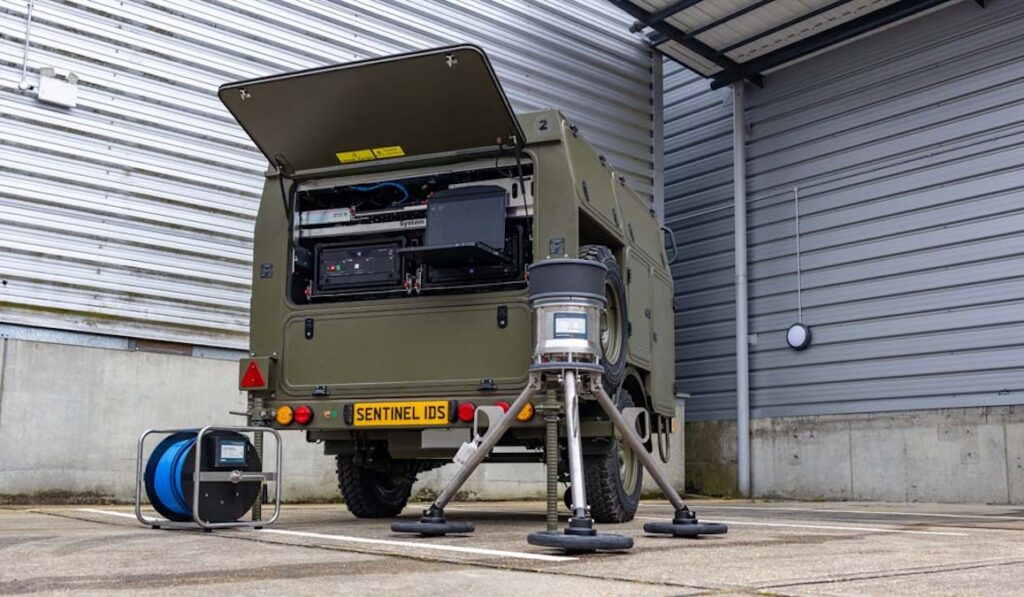
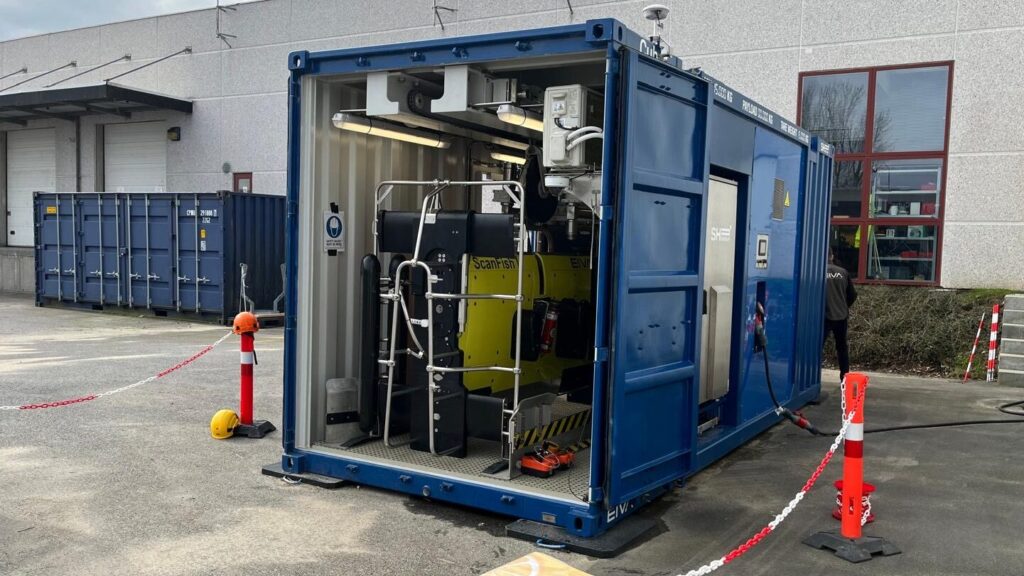
Forcys developed Sentinel as an underwater Intruder Detection Sonar for detecting, classifying and tracking potential threats including divers, swimmer delivery vehicles and unmanned underwater vehicles.
Deployed globally since 2008, Sentinel has been used across oil and gas facilities, nuclear installations, desalination plants, ports and harbors, military sites and other critical infrastructure. The second-generation system incorporates SInAPS technology and provides detection ranges of up to 1,500 meters for mini submarines and 1,000 meters for divers.
Sentinel can be installed permanently or deployed as a portable system, supporting both long-term infrastructure protection and temporary operational requirements.
Underwater Security and National Resilience
Forcys highlights the need to consider the underwater domain alongside physical perimeter security, access control and cyber resilience when protecting critical infrastructure. Without persistent underwater awareness, organizations may have limited ability to identify an approaching threat, establish the cause of an incident or respond before disruption occurs.
As governments and regulators place greater focus on resilience, underwater monitoring is becoming relevant beyond traditional military applications. For operators responsible for ports, offshore energy infrastructure, communications networks and other nationally important assets, greater visibility beneath the surface can provide earlier warning of potential threats.