Forcys and QinetiQ have signed a Memorandum of Understanding (MoU) to strengthen Australia’s sovereign capability in maritime assurance.
This partnership brings together Forcys’ underwater sensing and communication technologies with QinetiQ’s global expertise in defence Test and Evaluation, mission assurance, and range management. The aim is to develop and operate advanced tools that assure how well maritime platforms and technologies perform, from early design through to real-world use.
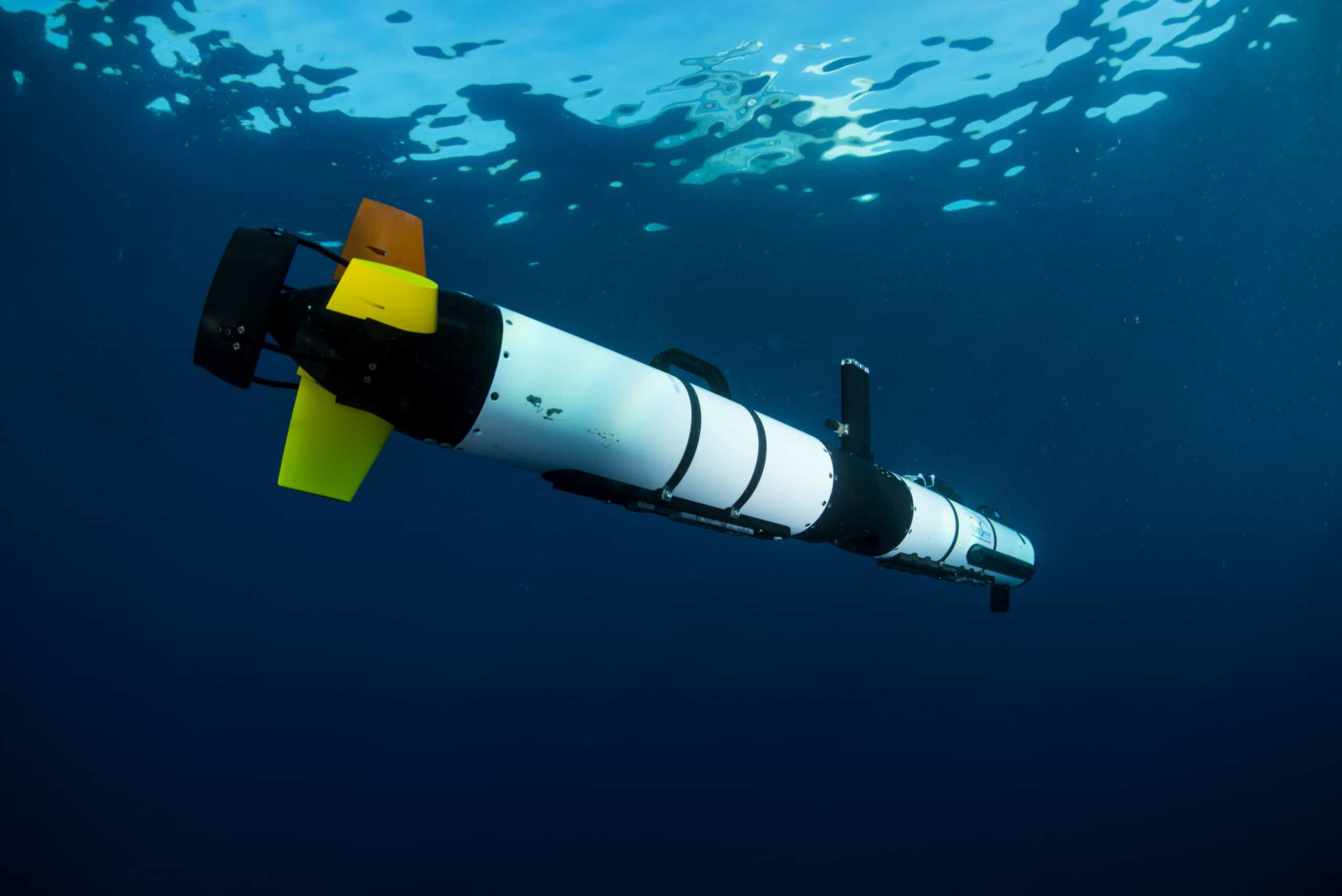
Under the agreement, Forcys and QinetiQ will collaborate to deliver next-generation deployable underwater ranges and related test systems. These systems are essential for enabling Australia’s ability to measure, verify, and improve the performance of submarines, autonomous vessels, and other undersea technologies. This work will help Defence make faster, better-informed decisions and strengthen Australia’s readiness in increasingly complex maritime environments.
Sean Leydon, Regional Manager Asia Pacific, Forcys, commented, “The ability of deployable ranges to track underwater assets with precision will provide the Australian Defence Force with the flexibility to test and evaluate their assets in environments that provide the greatest chance of operational success. Forcys, along with their technology partners Sonardyne and Chelsea Technologies, brings over 50 years of experience in the field of underwater tracking. We look forward to partnering with QinetiQ in providing underwater communications and deployed range operations to support our customers with the introduction of ever-increasing numbers of autonomous underwater vehicles.”
This collaboration supports the Australian Government’s Defence Strategic Review and AUKUS Pillar 2 objectives, advancing sovereign industrial capability and enabling Defence to assure complex undersea and multi-domain systems across allied operations.
Corry Neale, Chief Executive Australia, QinetiQ, added, “This partnership represents a step-change in how we can deliver sovereign maritime assurance for Australia and its partners. Australia’s security and national interests depend on being able to understand and trust how these systems perform, and as the undersea environment becomes more contested and technology moves faster, Defence needs the ability to test, evaluate and prove new capabilities at home.”