Showcase your capabilities
If you design, build or supply Video Recording, create a profile to showcase your capabilities and connect with visitors who have an active requirement for your solutions.




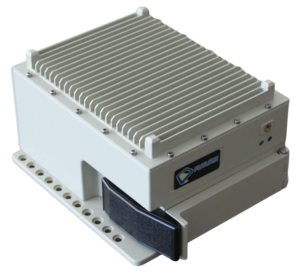
Military video recorders are designed to capture, store, manage, and retrieve imagery from cameras, EO/IR sensors, mission systems, and other onboard video sources. These rugged recording systems are used across aircraft, ground vehicles, maritime platforms, UAS, and test systems.
This page features military video recorder suppliers supporting ISR, situational awareness, mission debriefing, training, flight testing, and drone video recording.
Read the Technology Overview
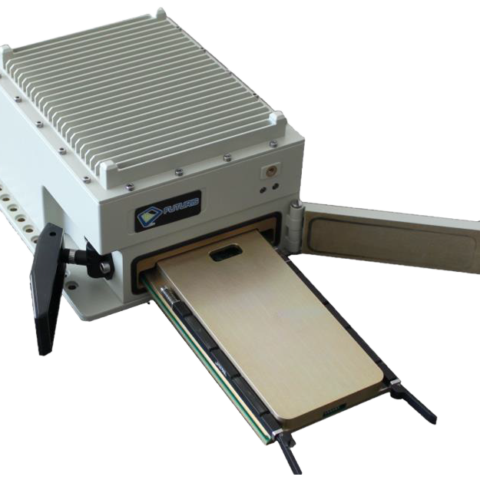
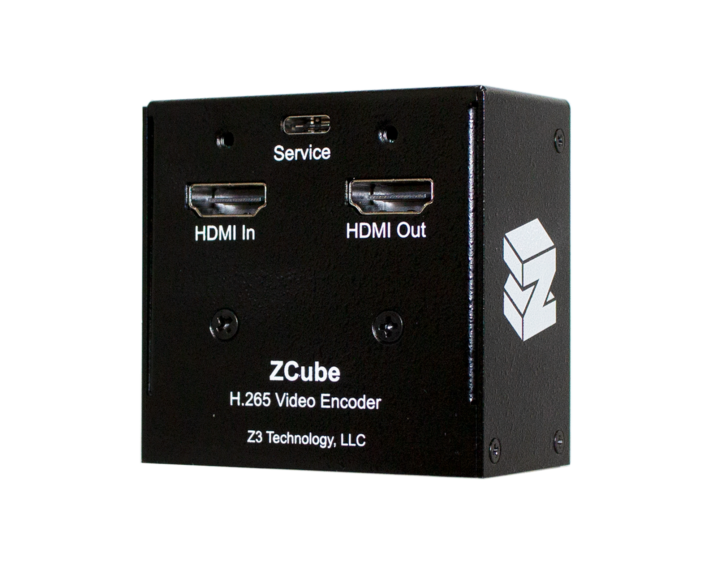

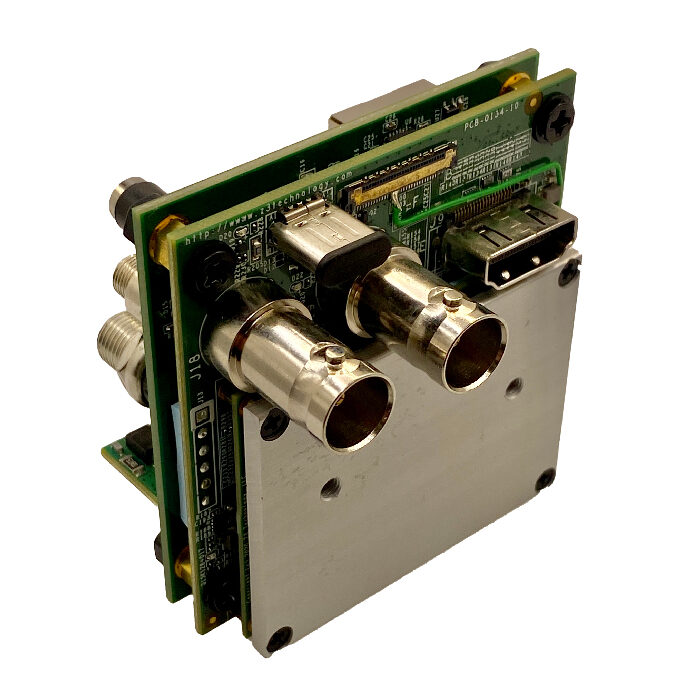
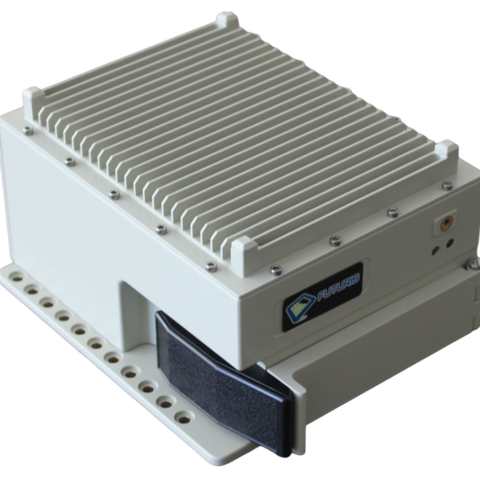
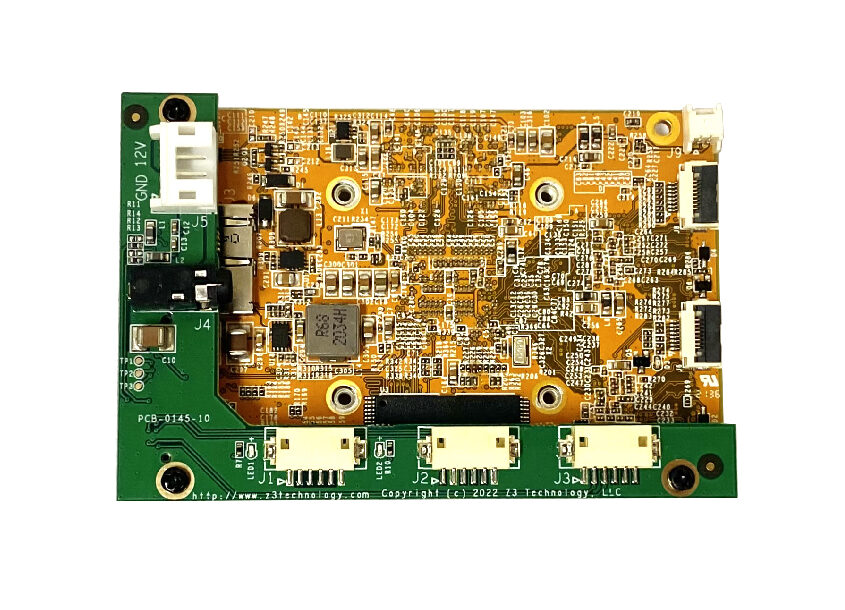
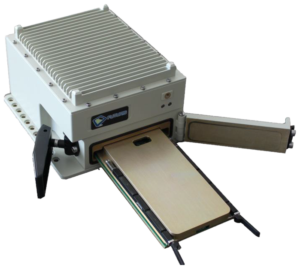
Rugged Image Processing & Mission-Critical Electronics for Defense Systems

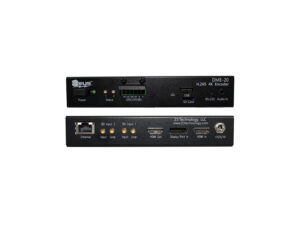
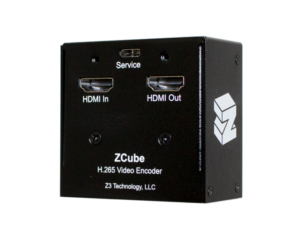
NDAA & TAA Compliant Video Encoding & IP Camera Solutions for Mission-Critical Applications

If you design, build or supply Video Recording, create a profile to showcase your capabilities and connect with visitors who have an active requirement for your solutions.

Military video recorders capture, store, manage, and retrieve imagery generated by cameras, electro-optical sensors, infrared payloads, mission systems, and other video sources. Unlike commercial recording equipment, these systems are typically engineered for integration into platforms where environmental exposure, constrained space, power quality, data security, interface compatibility, and dependable operation must all be considered.
Applications range from ISR and mission debriefing to vehicle situational awareness, flight testing, and drone video recording. The appropriate recorder architecture depends on factors such as channel count, video format, storage capacity, required data rate, network connectivity, environmental qualification, synchronization with other mission data, and methods for transferring or protecting recorded information.
A rugged video recorder is designed to continue operating under the shock, vibration, temperature, and electrical conditions associated with deployed platforms. Rugged DVR and ruggedized digital video recorder designs may incorporate solid-state storage, reinforced enclosures, locking connectors, conduction cooling, power-loss protection, and health monitoring where conventional commercial hardware is unsuitable.
Network video recorders ingest video streams over Ethernet rather than relying exclusively on dedicated point-to-point video connections. A rugged NVR can consolidate multiple IP cameras or networked sensors while supporting centralized recording, distribution, control, and retrieval within a vehicle or platform network. Network capacity and stream configuration must be sufficient for the aggregate recording data rate.
Multichannel systems record several video feeds simultaneously, allowing imagery from different cameras, displays, or sensors to be correlated during or after a mission. A tactical video recorder may also capture associated audio, timing, and metadata to provide a more complete operational record. Accurate timestamps are particularly important when several recorded sources must be reconstructed together.
Some military DVR architectures record video alongside avionics, vehicle, telemetry, or sensor data. Synchronizing these sources against a common time reference enables operators and analysts to reconstruct events accurately, which is particularly valuable for flight test, training, mission review, and systems evaluation.
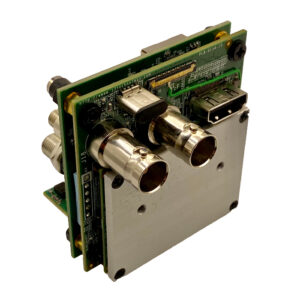
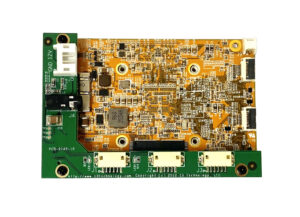
An embedded video recorder can provide video capture where size, weight, power (SWaP), and cooling capacity are tightly limited. Compact drone video recorders are particularly useful for small Unmanned Aircraft Systems (UAS) and other unmanned platforms that require onboard recording without imposing excessive payload, thermal, or electrical demands.
Military video recorders capture surveillance, targeting, and EO/IR imagery for intelligence exploitation, situational awareness, and post-mission analysis. Local recording also preserves video when communications links are limited or interrupted.
Airborne video systems can capture sensor, display, and cockpit imagery aboard fixed-wing aircraft and rotorcraft. Recorded video may also be synchronized with aircraft data and timing sources for mission review and training.
Ground vehicles and naval platforms use video recording for situational awareness, surveillance, navigation, weapon systems, and other onboard applications. Rugged recorder designs must account for vibration, power, thermal, and environmental conditions.
A drone video recorder can retain payload imagery onboard when live transmission is bandwidth-limited or unavailable. Similar embedded recording systems are used on unmanned ground and maritime platforms for mission analysis, surveillance, and system development.
Recorded imagery supports mission debriefing, training, flight testing, and engineering evaluation. Video can be correlated with telemetry and other mission data to provide a clearer record of system and operator performance.
Military video recording hardware rarely operates in isolation. Interfaces, timing, data rates, metadata, and system architecture determine how effectively a recorder can be incorporated into the wider platform.
Careful interface, timing, and bandwidth planning helps ensure that recording does not introduce bottlenecks elsewhere in the mission system. Recorders may also need to preserve synchronized metadata and maintain data integrity through unexpected shutdowns or interrupted power.
The applicable standards depend on the platform, program, installation, and contractual requirements rather than on the recorder category alone. Compliance with a standard should therefore be assessed against the particular test methods, limits, and configuration required by the program.
Qualification therefore requires matching the recorder and its tested configuration to the specific environmental, electrical, interoperability, security, and program requirements of the host platform.
Increasing sensor resolution, channel counts, metadata requirements, and data volumes continue to influence the architecture of military video recorders.
Future recorder development is increasingly shaped by the need to balance image quality, data throughput, storage capacity and endurance, security, interoperability, synchronization, and SWaP constraints within a single deployable system.


 Searching Companies & Products


 Subscribe to the Weekly eBrief
The latest engineering and technical developments straight to your inbox - join thousands of engineers who receive it.
Subscribe to the Weekly eBrief
The latest engineering and technical developments straight to your inbox - join thousands of engineers who receive it.