Modern defense platforms rely on multiple subsystems that must operate together without failure. System integration services address this need by ensuring that sensors, communications equipment, and mission systems are technically compatible and function as a unified system. This is particularly important in applications like ISR operations and unmanned systems, where timing, data fidelity, and platform interoperability directly affect operational outcomes.
If you design, build or supply System Integration Services, create a profile to showcase your capabilities and connect with visitors who have an active requirement for your solutions.
System integration services for defense bring together disparate technologies into unified, mission-ready architectures. These services encompass everything from software-defined interoperability and hardware compatibility to custom payload configurations and rugged component integration.
Applications of System Integration in Defense & Security
System integration in defense supports a wide range of mission critical functions across airborne, ground, and maritime platforms. Effective integration ensures that sensing, communications, control, and mission systems operate as a cohesive whole.
ISR Systems
Integration of EO and IR cameras, SAR sensors, acoustic systems, and signal intelligence modules provides continuous situational awareness. For airborne platforms this work extends into avionics, linking sensors with mission computers, navigation data, power systems, and operator interfaces. Communications integration supports the movement of ISR data across tactical radios, datalinks, and secure networks while maintaining timing accuracy and data integrity.
Unmanned Systems
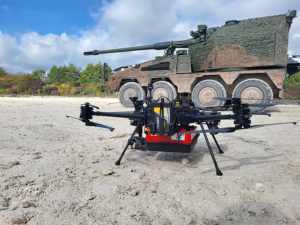
UAS platforms rely on coordinated integration of sensor payloads, communication links, environmental monitoring tools, flight controllers, navigation systems, and mission processors. These elements must share electrical, software, and data interfaces that support stable flight, reliable telemetry, and consistent payload operation.
Electronic Warfare
Integration of RF sensing, direction finding, and jamming subsystems enables early threat detection and countermeasure deployment. EW systems must operate in alignment with onboard communications, avionics, and mission electronics, requiring careful management of spectrum use, timing, and electromagnetic compatibility.
Secure Communications Integration
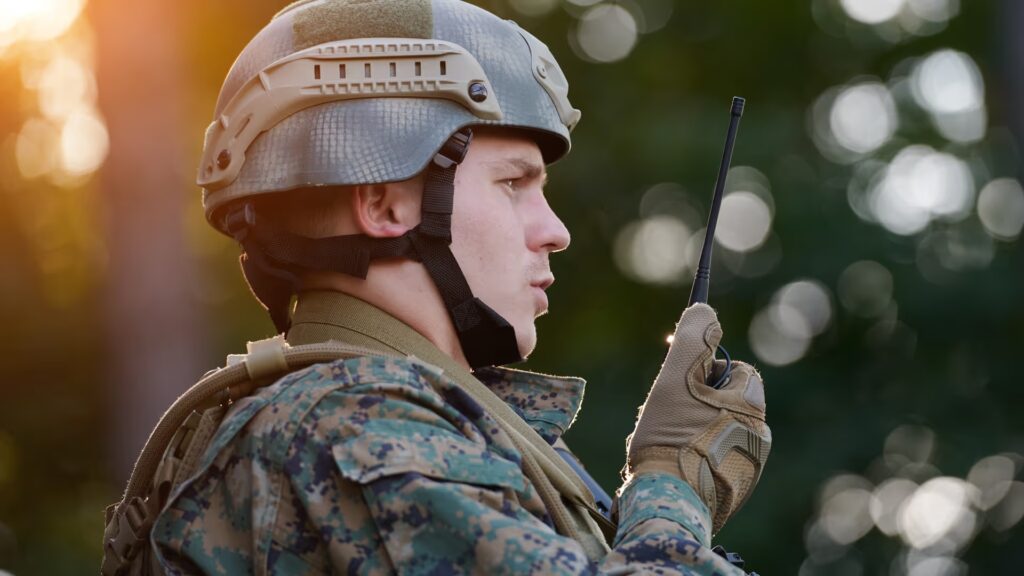
Radios, datalinks, antennas, encryption modules, protocol converters, and controlled data flow hardware are integrated into a secure communications architecture. These elements support protected voice and data exchange across local, extended, and coalition networks.
C4ISR Networks
Command, control, communications, computing, intelligence, surveillance, and reconnaissance systems are combined into coordinated network architectures. C2 integration is central to this activity, ensuring that planning tools, situational displays, decision support modules, authentication structures, and communication channels operate in a unified information environment.
Ruggedized Deployments
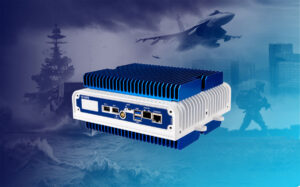
Defense systems must operate reliably in extreme conditions including shock, vibration, EMI, humidity, and temperature variation. Integration work includes the use of custom backplanes, sealed housings, thermal management structures, and rugged chassis that support long duration performance in airborne, maritime, and ground missions.
Weapon System Integration
Weapon interfaces and combat systems require precise coordination between fire control systems, targeting sensors, guidance units, safety interlocks, and stores management electronics. Electrical, mechanical, and data pathways are configured to support accurate release, consistent guidance behavior, and reliable engagement performance.
Types of System Integration Services
The defense sector utilizes a variety of integration services tailored to platform and mission requirements:
UAS Sensor Integration Services
These UAS sensor integration services involve the integration of ISR payloads into UAS, including EO/IR cameras, SAR sensors, and environmental sensors. They often require custom interfaces, gimbal stabilization, and secure data links.
ISR System Integration Services
Focuses on consolidating various ISR inputs, such as video, radar, and electronic signals, into unified processing and analysis platforms. Includes software integration and real-time analytics pipelines.
System Integration Consulting Services
Consultative services that assess system requirements, develop architectures, and oversee implementation. Typically includes risk assessments, cybersecurity evaluations, and MIL-STD compliance planning.
Modular Payload and I/O Integration
Services that integrate modular I/O components, power supply modules, and protocol converters into COTS or custom enclosures for ease of scalability and maintenance.
Platform-Specific Integration
Includes vehicle, maritime, and airborne integration, often requiring vibration-isolated mounting, EMI shielding, and battlefield network compatibility.
System Integrators and Key Capabilities
Defense system integrators deliver services that require expertise in multi-domain technologies and strict compliance with military standards. Typical capabilities include:
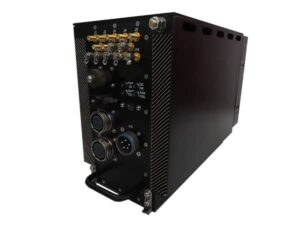
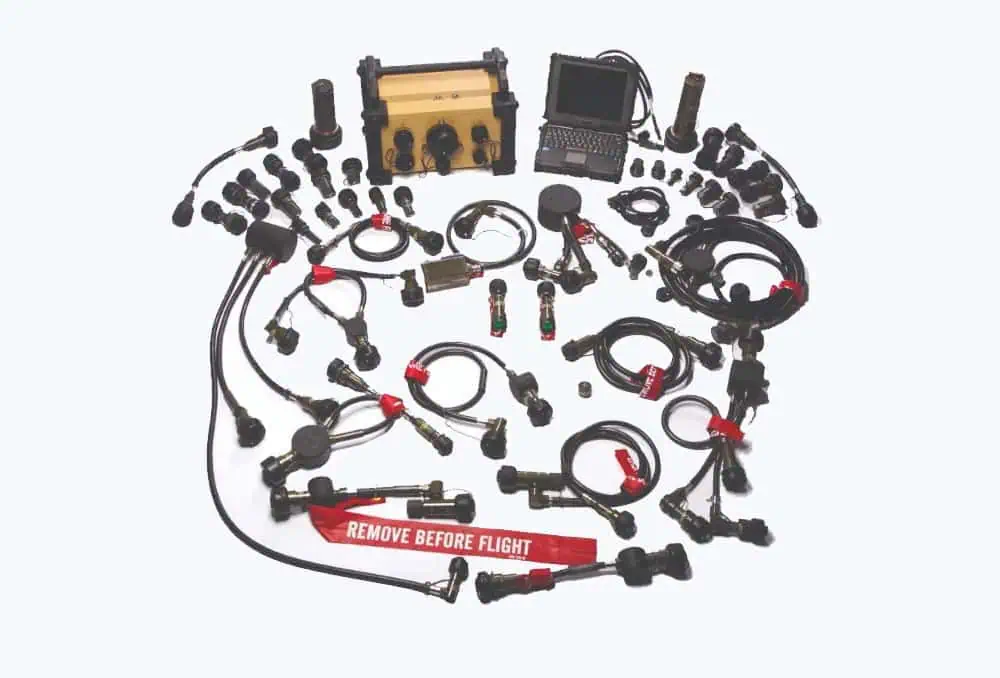
Notable deliverables include ruggedized enclosures, custom backplanes, I/O modules, and real-time control frameworks that ensure interoperability among legacy and next-gen systems.
Comparison: Turnkey vs. Custom Integration
Feature
Turnkey Solutions
Custom Integration
Time to Deployment
Faster
Longer
Flexibility
Limited
High
Compliance Assurance
Pre-certified
Tailored to mission
Cost
Lower upfront
Higher upfront, scalable ROI
Use Case
General-purpose systems
Mission-specific applications
Custom integration is often favored in high-stakes military applications where adaptability, security, and precision are paramount.
Standards and Compliance
Integration services must comply with established defense standards to ensure interoperability, safety, and reliability:
MIL-STD-810: Environmental engineering considerations and lab tests for military equipment.
MIL-STD-704: Aircraft electric power characteristics.
STANAG 4586: NATO standard for UAS interoperability.
ITAR & DFARS: Regulatory compliance for defense articles and contractor systems.
Vendors often certify their systems and integration workflows against these benchmarks to ensure mission readiness.
Associated Technologies
System integration services are closely tied to several supporting technologies and components:
Data Diodes: Ensure unidirectional data flow for cyber-secure environments.
Protocol Converters: Translate between different communication standards.
Rugged Chassis & Backplanes: Provide physical and electrical support for modular integration.
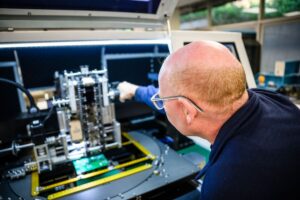
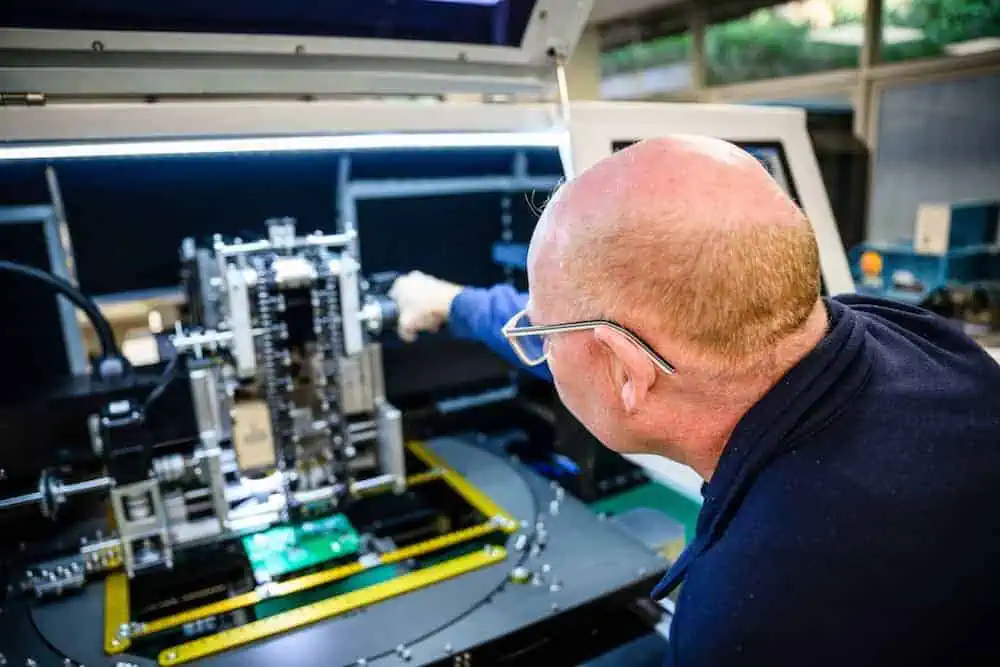
Electronic Assembly Services: Support the manufacture, integration, and testing of complex electronic subsystems, including PCB assembly, cable harnessing, and box-builds.
EO/IR and SAR Sensors: Deliver critical visual and radar intelligence inputs.
Power Supply Modules: Condition and distribute power in compliance with MIL-STD-704.
I/O Modules: Enable flexible signal and data interfacing across systems.
These components often require specialized mounting and environmental conditioning to perform reliably in combat environments.
Curtiss-Wright secured an approximately $14 million contract from Northrop Grumman to supply advanced sensor processing hardware supporting Phase II development of the U.S. Army's Improved Threat Detection System aviation platforms
Cambridge Radio Frequency Systems (CRFS) develops cutting-edge software-defined RF sensors and SIGINT payloads, enabling defence organisations to detect, analyse, and act on complex spectrum activity across modern operational environments
Atrenne shows how SOSA®-aligned and OpenVPX platforms host GPU-based AI sensors to support autonomous UAVs and UGVs, electronic intelligence, and surveillance, delivering modular, thermally optimized, and power-stable systems for real-time edge AI
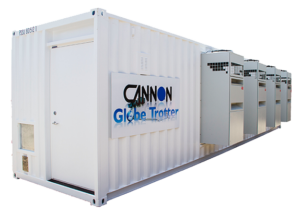
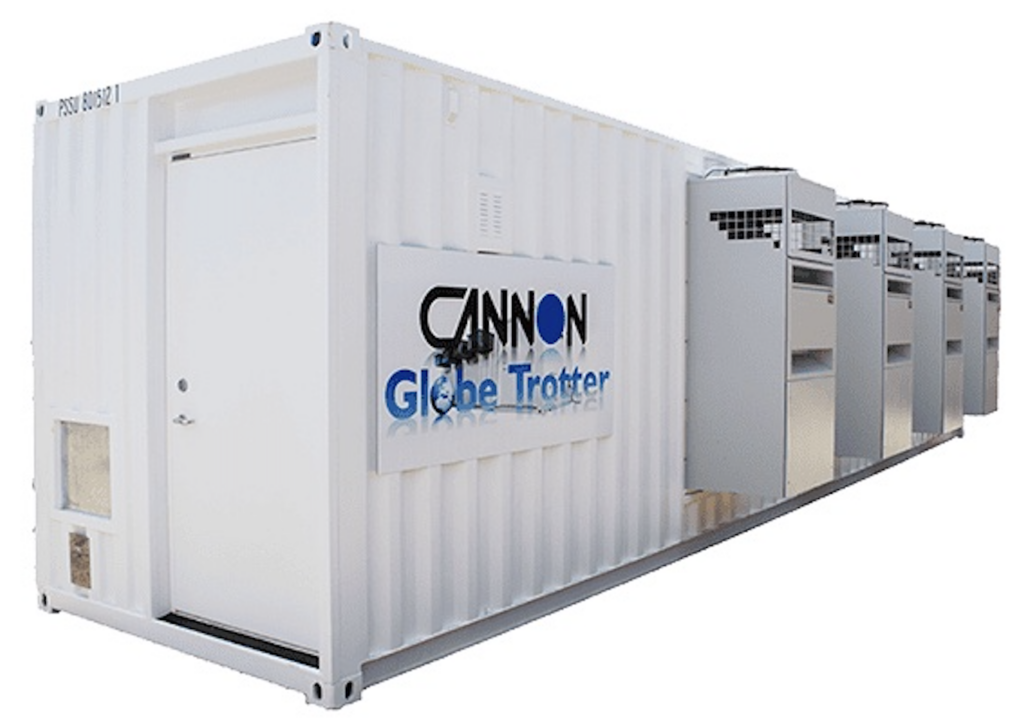
Defense Advancement showcases Cannon Defense & Security uncrewed aerial systems (UAS), border protection, deployable containerised solutions, and data center products
The latest defense technology news, straight to your inbox.
Get our weekly roundup of technology developments, new products and industry news.
THANK YOU FOR SIGNING UP
Thanks for joining us. Check your inbox.
We've sent you an email. Click the confirmation link to complete your subscription to the weekly eBrief. In the meantime, explore the latest news, suppliers and technologies on DA.
Advancing Defense Capability Through Strategic Collaboration
Defense Advancement works with major OEMs to foster collaboration and increase engagement with SMEs, to accelerate innovation and drive defense capabilities forward.