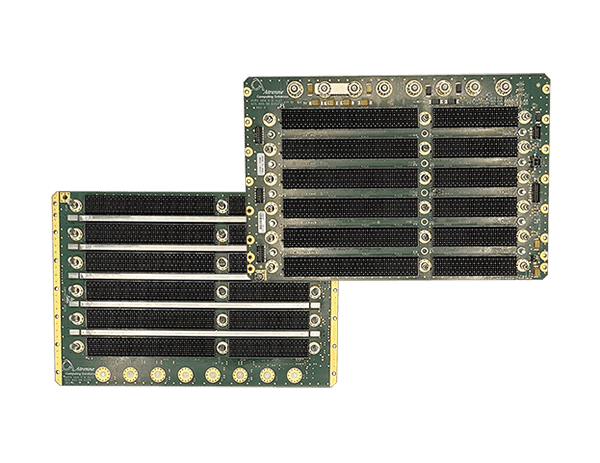





Atrenne, A Celestica Company, discusses how to integrate high-performance, GPU-based AI sensors into Sensor Open Systems Architecture® (SOSA®)-aligned and OpenVPX rugged platforms to enable reliable, edge-deployed AI capabilities in harsh environments. Read more >>
As defense systems increasingly rely on autonomous functions, electronic intelligence, and edge computing, integrating AI into rugged military platforms is becoming essential.
GPU-based AI sensors enable rapid decision-making, low-latency processing and autonomy for applications such as Intelligence, Surveillance, Reconnaissance (ISR) object detection, real-time Electronic Intelligence (EI) threat identification, onboard diagnostics, and predictive maintenance.
These capabilities require low-SWaP (Size, Weight, and Power) systems engineered to withstand vibration, temperature extremes, and electromagnetic interference.
The SOSA technical standard and OpenVPX architecture provide the foundation for scalable AI deployment, offering a modular slot-based design for rapid system scaling, defined thermal and electrical profiles to support high-wattage GPUs, and compatible backplanes for data-intensive AI processing.
SOSA alignment ensures multi-vendor interoperability, simplified upgrades, and long-term maintainability for defense programs.
Integration Challenges
Integrating GPU-based AI hardware into rugged platforms introduces key challenges. GPUs generate substantial heat, especially in systems that rely on conduction cooling. Atrenne addresses thermal management through heat-spreading wedge locks, multi-fin sidewalls, cold plate bases, and rear-fan assistance in longer chassis configurations.
Power stability is key in high-performance GPUs, with Atrenne’s 500W conduction-cooled solutions, tested up to 70°C ambient, offering efficient power conversion and minimal heat loss to ensure maximum reliability.
Signal integrity for high-speed AI sensors is maintained through custom backplanes featuring impedance-controlled trace routing, minimized crosstalk, EMI shielding, and alignment with VITA 65 and SOSA profiles.
These advances enable demanding AI sensor applications including autonomous Unmanned Aerial Vehicle (UAV) and Unmanned Ground Vehicle (UGV) route adaptation using onboard visual processing, real-time signal classification with RF-trained neural nets for electronic intelligence, and multi-sensor fusion for surveillance and facial or object recognition missions.
Such workloads require workstation-class AI performance within compact, ruggedized enclosures.
Atrenne’s Rugged AI Solutions
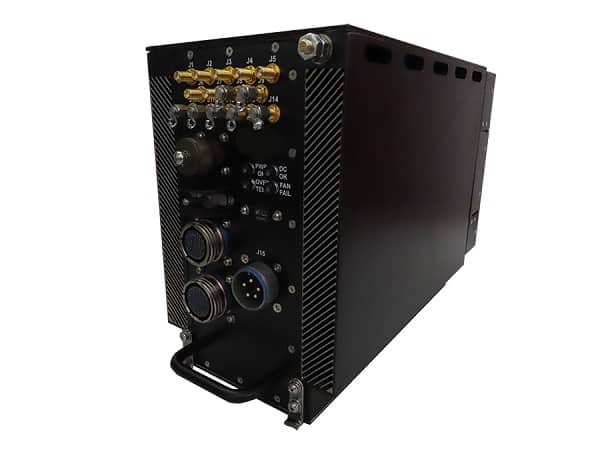
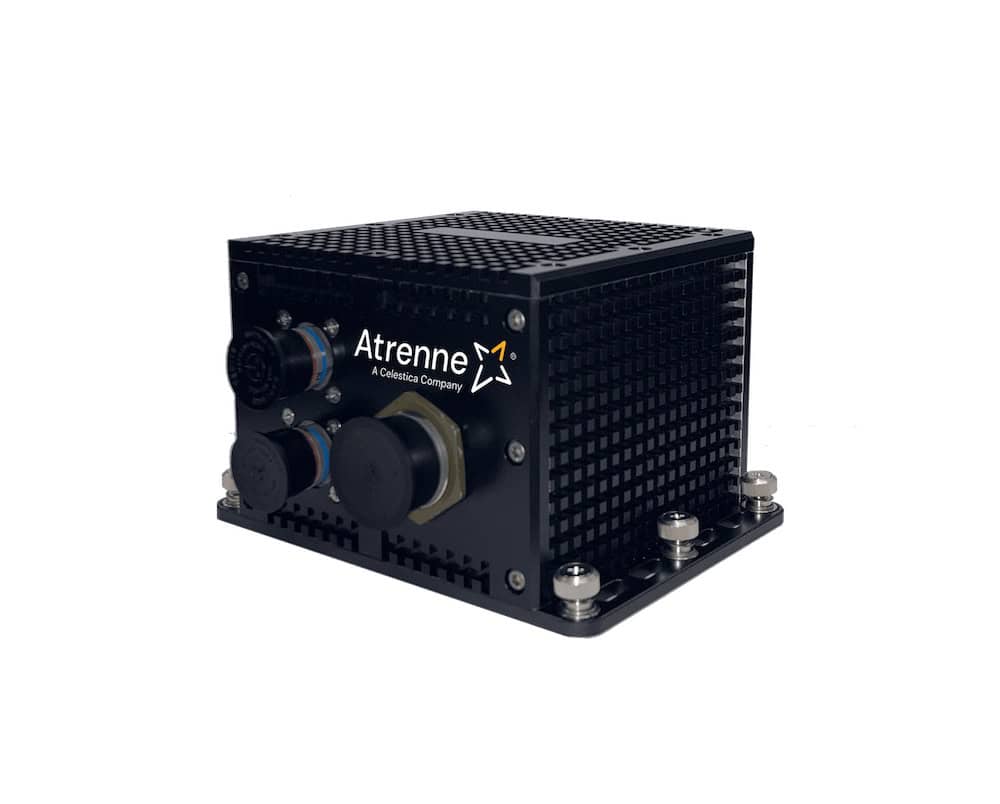
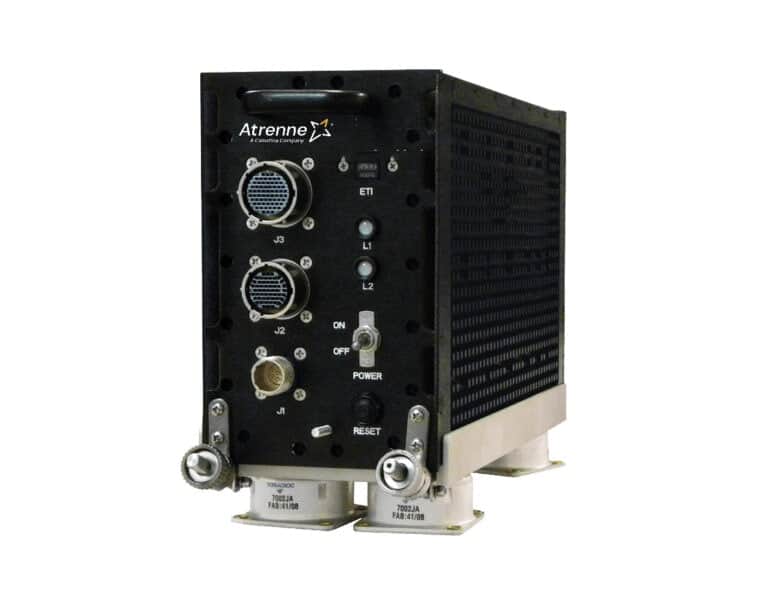
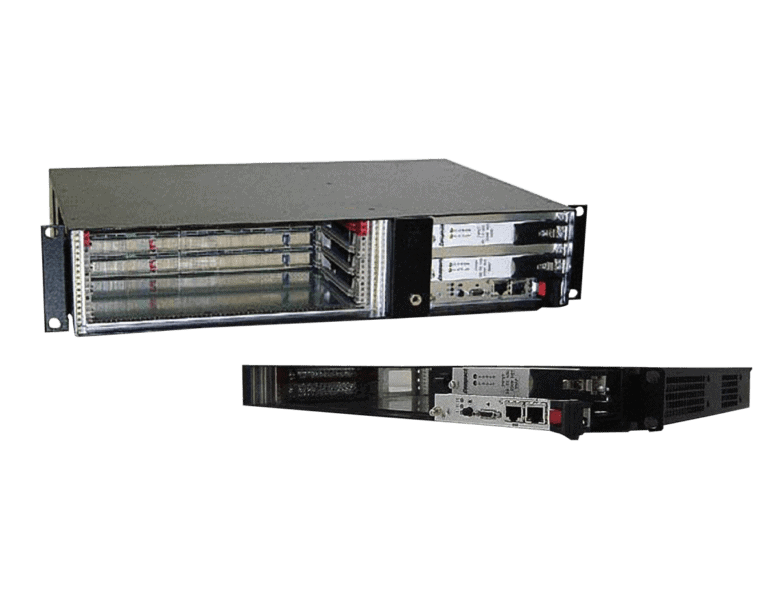
Atrenne supports these requirements with fully SOSA-aligned and OpenVPX enclosures, custom backplanes, optimized I/O routing, and tested, scalable thermal solutions for high-TDP devices (thermal design power) devices.
Whether for air, land, or maritime platforms, Atrenne ensures AI systems operate reliably at the tactical edge. The combination of GPU-driven AI workloads and rugged computing infrastructure is reshaping real-time mission execution, and Atrenne’s alignment with SOSA and OpenVPX standards enables next-generation AI deployment without sacrificing reliability, thermal integrity, or modularity.
With long lifecycle support, future-ready architectures, and proven mechanical designs, Atrenne is helping lead the evolution of edge AI. The company provides the foundation, expertise, and technology needed for programs that require data-center-class performance in rugged tactical environments.