Showcase your capabilities
If you design, build or supply Searchlights, create a profile to showcase your capabilities and connect with visitors who have an active requirement for your solutions.




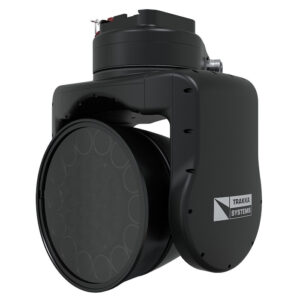
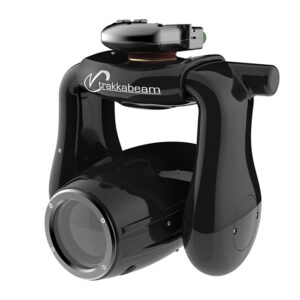
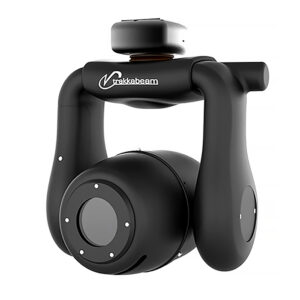
Military searchlights are high-intensity illumination systems used for observation, identification, surveillance, and search and rescue operations across defense environments. Available as handheld, tripod-mounted, vehicle-mounted, naval, and airborne systems, they include LED, xenon, and halogen technologies with visible-light and infrared options.
This category features suppliers of military searchlights offering capabilities such as remote control, motorized pan and tilt, stabilization, and sensor cueing.
Read the Technology Overview
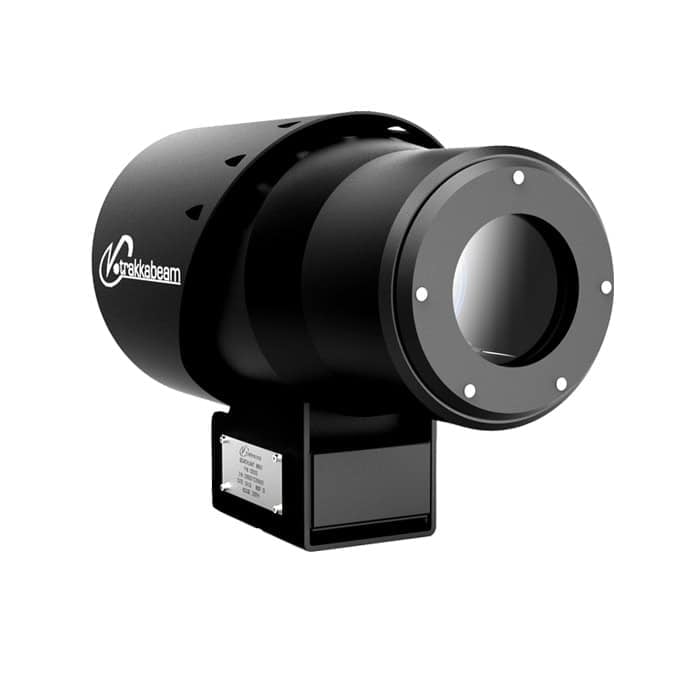
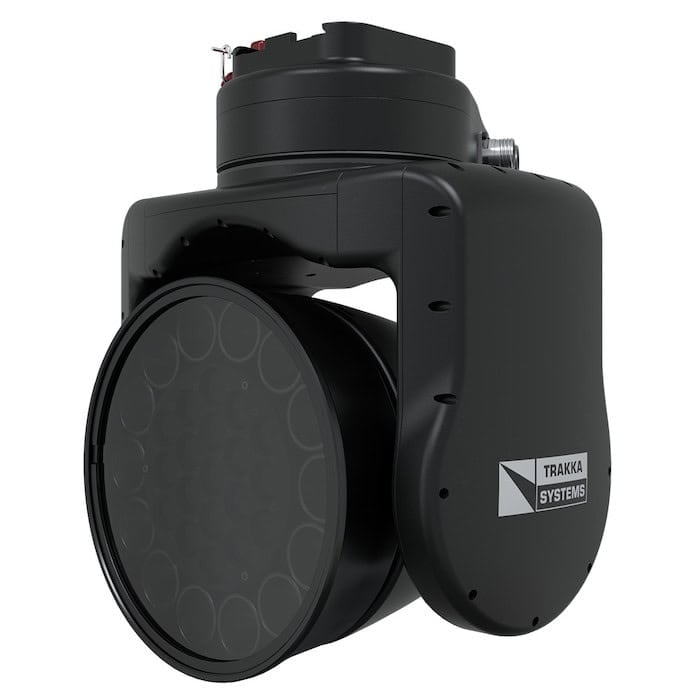
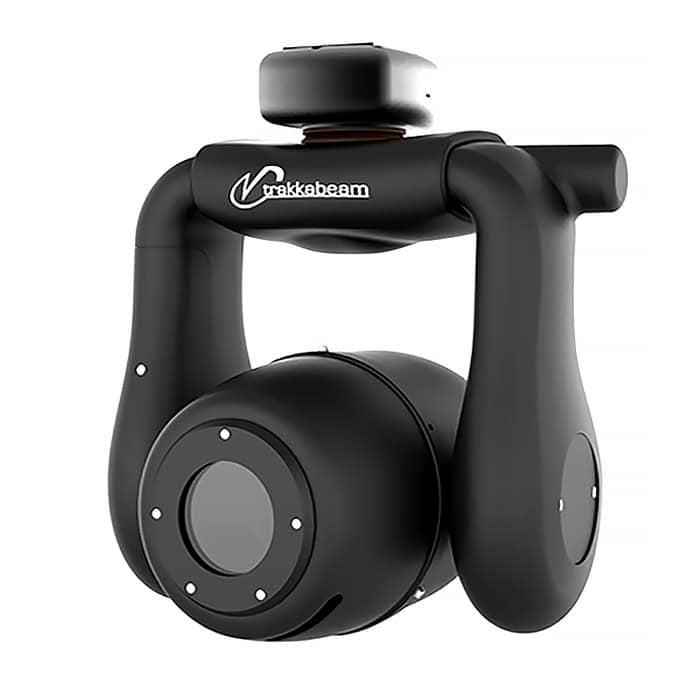
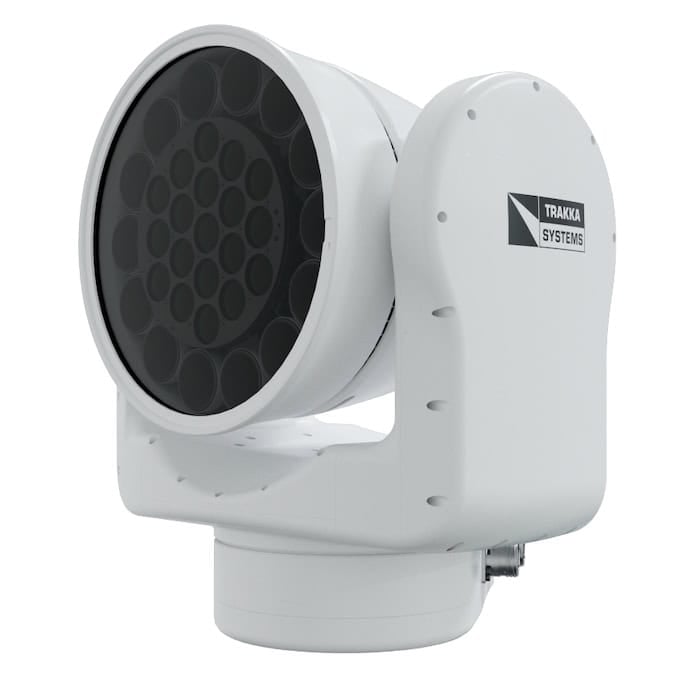
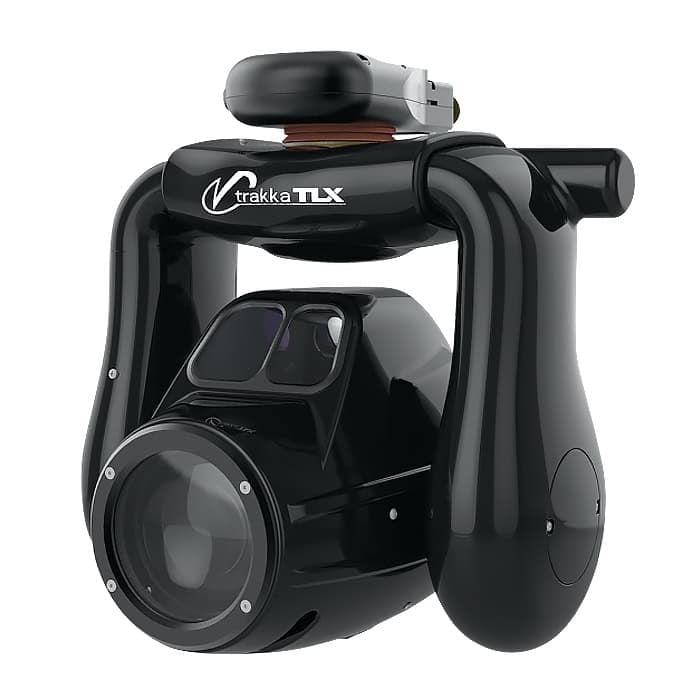
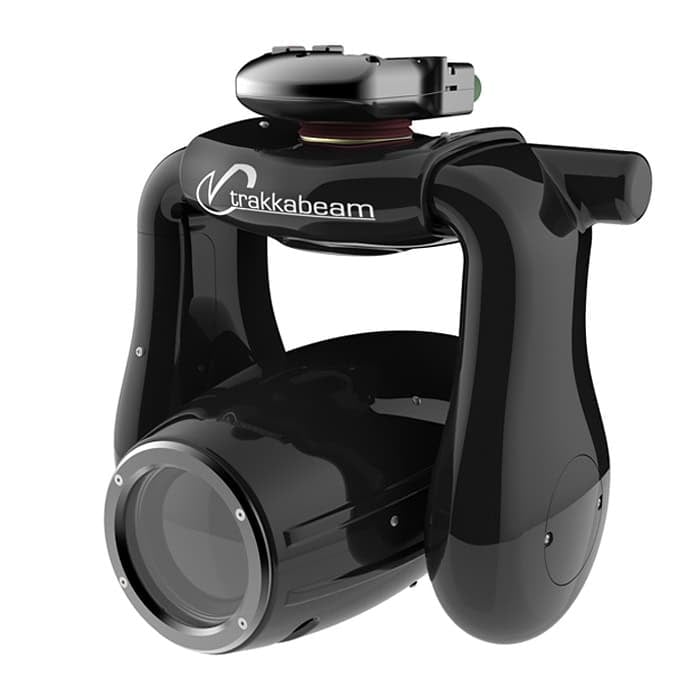
Integrated Vision, Imaging & Illumination Technologies for Airborne, Land & Maritime Missions

If you design, build or supply Searchlights, create a profile to showcase your capabilities and connect with visitors who have an active requirement for your solutions.
No products available No products available from suppliers based in . View products from all territories

Military searchlights provide concentrated illumination for search, observation, identification, and recovery operations. Combining high-output light sources with beam-forming optics, these systems support personnel operating from fixed installations, tactical vehicles, naval vessels, and aircraft. Handheld and tripod-mounted configurations support portable deployment.
A military searchlight may incorporate manual positioning, remote controls, motorized pan and tilt, or stabilization for moving platforms. Available configurations include visible-light and infrared systems. Selecting a long range searchlight requires comparing appropriate optical performance measures, including peak beam intensity in candela and target illuminance in lux for visible-light systems, alongside beam divergence. Advertised illumination range should specify its illuminance threshold, which does not by itself establish identification capability.
Ground-based searchlights illuminate base perimeters, checkpoints, observation areas, and suspected objects along routes. Fixed installations can direct beams toward access points, while vehicle-mounted tactical spotlights support mobile inspection. A remote control searchlight allows personnel to adjust beam direction from a protected operating position. Beam width, mounting height, and nearby obstructions influence coverage, while excessive reflections can obscure details or interfere with cameras.
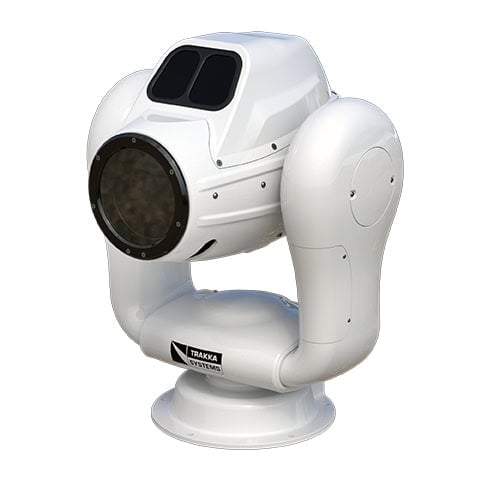
Shipboard searchlights support surface contact identification, boarding operations, harbor observation, and man-overboard recovery. Narrow beams help illuminate distant objects, while wider settings support searches close to the vessel. Motorized pointing and optional stabilization assist beam placement as the platform moves. Marine installations require suitable corrosion protection, sealing, and mounting strength, with positioning selected to reduce reflections from decks, railings, and other structures.
Aircraft-mounted searchlights support ground searches, rescue operations, and observation of landing or extraction areas. Stabilized assemblies help maintain beam direction during aircraft movement, while compatible sensor interfaces coordinate searchlight pointing with imaging payloads. Installation requires attention to aerodynamic loads, vibration, electrical supply, payload weight, and applicable airworthiness requirements. Operators must also manage glare and backscatter, particularly when precipitation, dust, or mist scatters light toward the aircraft.
Military searchlights use several light-source technologies, each with different electrical, optical, and maintenance characteristics.
| Type | Characteristics |
| Light-Emitting Diode (LED) Searchlights | LED assemblies provide rapid startup and can support electronic dimming. Optical systems combine or shape output from individual emitters to produce the required beam. Heat sinks or active cooling maintain suitable operating temperatures, while service life depends on thermal management, drive conditions, and component design. |
| Xenon Short-Arc Searchlights | A compact, high-luminance arc works with precision reflectors to produce concentrated beams. A military xenon searchlight requires an ignition system, ballast, and appropriate cooling. Lamp replacement, handling requirements, and startup or restart behavior must be considered during installation and maintenance planning. |
| Halogen Searchlights | Tungsten-halogen lamps produce broad-spectrum light through a heated filament. Reflectors and lenses direct the output, while filters can modify its spectral content. These systems typically have lower luminous efficacy than LED alternatives and require periodic lamp replacement. |
Spectral output determines whether illumination supports direct visual observation, compatible imaging equipment, or specific signaling tasks.
Systems combining visible and infrared channels allow operators to select illumination suited to the observation equipment and mission.
Beam controls help operators adapt military spotlights to changing distances, search areas, and platform movement. Available features vary by model.
Control placement, pointing limits, and interface compatibility determine how readily operators can coordinate illumination with observation tasks.
Development efforts continue to refine optical performance, controllability, and integration with surveillance systems. Combined illumination channels, stabilized pointing, and sensor cueing are established capabilities available on selected systems.
Together, these developments improve the flexibility and precision of military searchlights, supporting more effective illumination, target tracking, and coordination with surveillance and observation systems.


 Searching Companies & Products