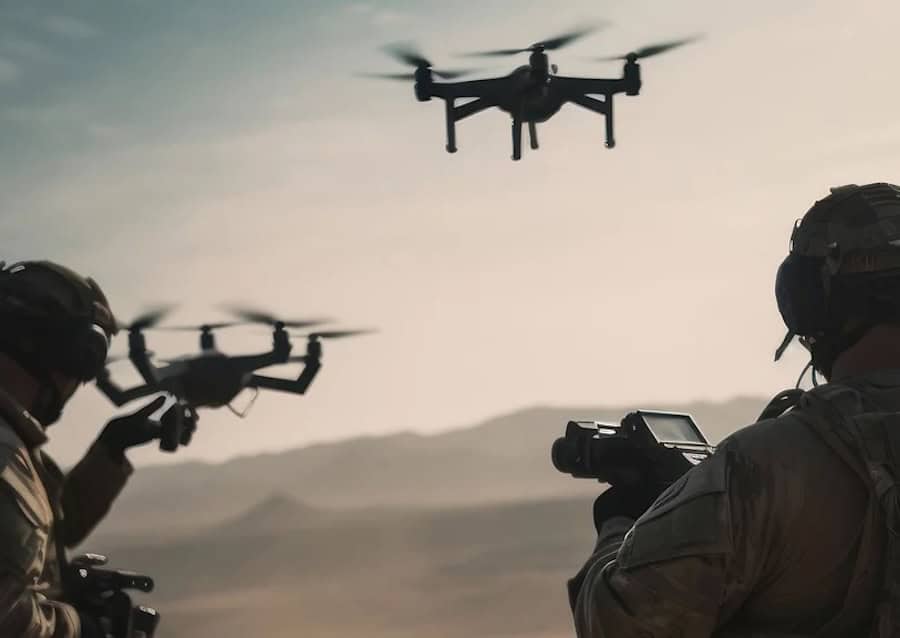




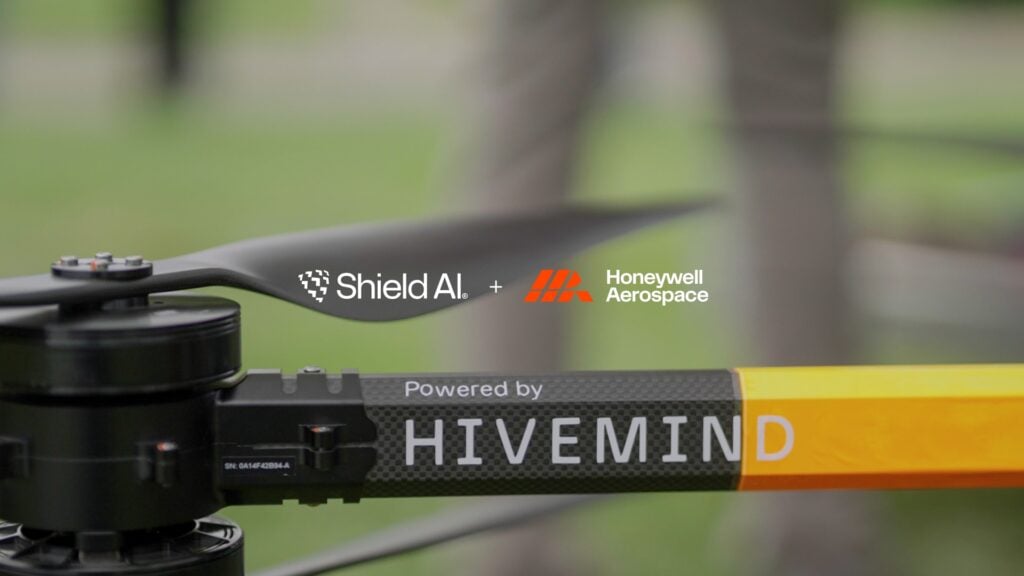
Honeywell Aerospace has completed two autonomous flight demonstrations culminating in a coordinated intelligence, surveillance, and reconnaissance mission executed collaboratively by two aircraft.
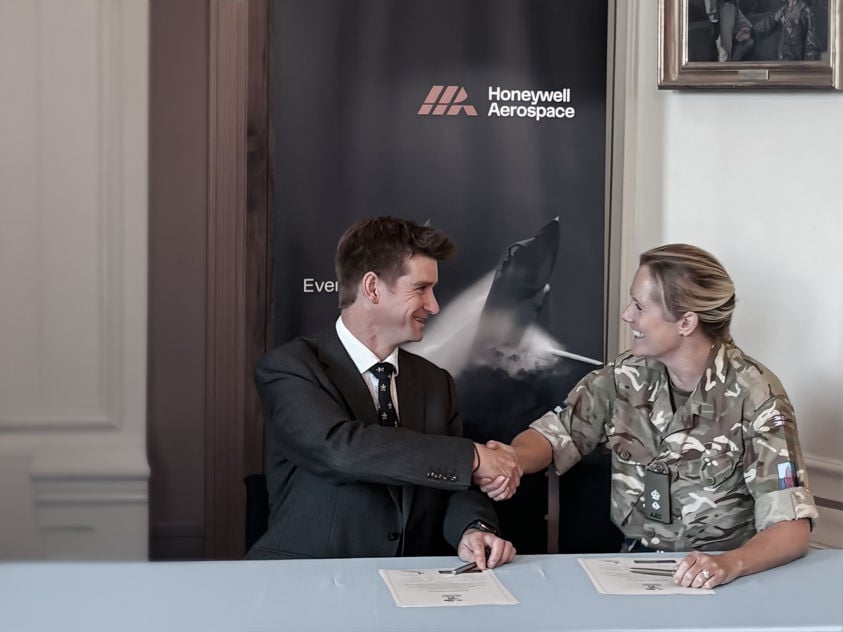
The milestone demonstrates the rapid deployment of autonomous capabilities using open-architecture software frameworks. Following initial training on Shield AI’s Hivemind Enterprise platform in late April, Honeywell Aerospace engineers completed their first autonomous flight in six weeks. The initiative builds upon a July 2026 memorandum of understanding between Honeywell Aerospace and Shield AI to construct an autonomy software stack, with both teams exploring deeper integration between Hivemind and Honeywell’s avionics, navigation, and sensing suites across commercial aviation and larger uncrewed platforms.
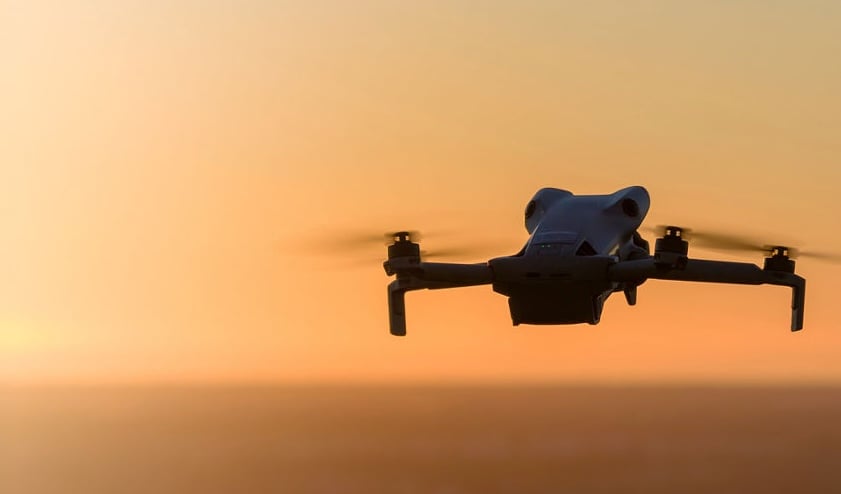
Flight evaluations began on July 8 in Plymouth, Minnesota, using a Honeywell Aerospace BFD-SE8 multirotor aircraft. During this initial test, the platform completed an autonomous flight profile that incorporated automated takeoff, waypoint navigation, dynamic rerouting to bypass an active no-fly zone, and an autonomous return to base.
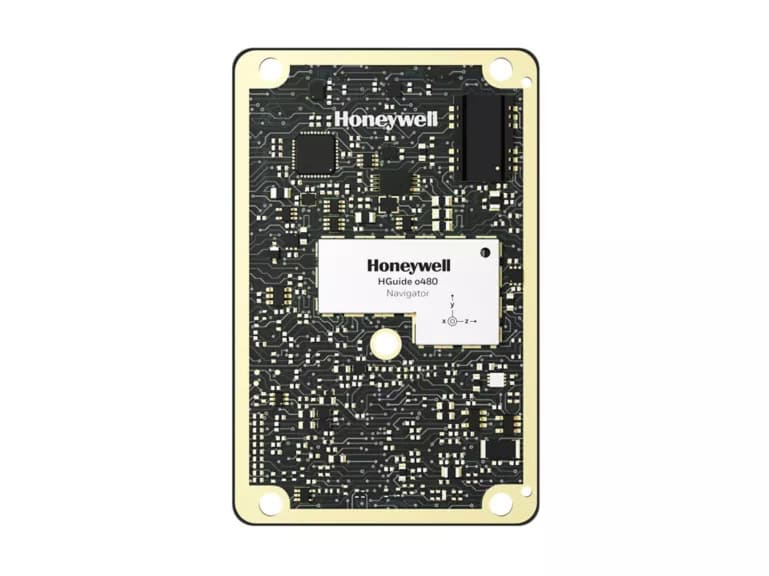
Engineers subsequently expanded the system’s operational scope by building and integrating an artificial intelligence model tailored for target detection and tracking. After validating the mission profile in simulation environments, the team conducted an advanced trial on October 8 near Phoenix involving two autonomous aircraft equipped with Honeywell’s o480 inertial navigation system. In the exercise, an autonomous scout aircraft used onboard optical cameras and the internal AI model to locate, identify, and track an assigned target, immediately transmitting coordinate data to the second aircraft. The secondary platform then navigated independently to the target area to execute its objective, after which both aircraft returned to base alongside each other.
Todd Giles, Senior Vice President of Engineering and Chief Technology Officer at Honeywell Aerospace, said, “Open architectures are changing the pace of innovation in aerospace, and this milestone demonstrates how Honeywell Aerospace can rapidly translate advanced autonomy into real-world capability. By combining our expertise in avionics, navigation, sensing and autonomy, we are helping create a scalable foundation for the next generation of autonomous aircraft and mission systems.”
Tom Schaefer, Vice President of Hivemind Enterprise at Shield AI, added, “Honeywell Aerospace engineers moved from initial training to autonomous flight in a matter of weeks. By leveraging Hivemind Enterprise for core autonomy functions, the team was able to focus its efforts on developing mission-specific capabilities, including its target detection and tracking models.”
By pairing open autonomy architectures with proprietary navigation and sensing hardware, the flight demonstrations illustrate how modular software can accelerate development timelines while enabling multi-platform collaborative operations in complex mission environments.