




Honeywell Aerospace is expanding its involvement across the defense autonomy sector, providing propulsion, navigation, avionics, communications and mission systems technologies for autonomous aircraft and unmanned systems.
As defense organizations increase investment in autonomous aviation, unmanned systems and distributed operations, aircraft developers are seeking technologies that can support mission requirements while reducing development risk and helping move systems toward operational deployment.
These requirements extend beyond the airframe itself, with future platforms expected to support greater onboard power, longer-duration operations and resilient positioning, navigation and timing in environments where GPS may be degraded or unavailable.
Matt Milas, president of Defense & Space at Honeywell Aerospace, stated, “Autonomous aircraft represent one of the most significant shifts in military aviation in decades. While platform designs continue to evolve, the need for trusted propulsion, power, navigation, communications and mission systems remains constant. Honeywell Aerospace helps customers accelerate development and reduce risk by integrating proven aerospace technologies that can move more quickly from concept to operational capability.”
Propulsion, Navigation & Autonomy Programs
Honeywell Aerospace is working with companies across the defense autonomy sector, with recent demonstrations and collaborations showing how its technologies are being applied across a range of autonomous and unmanned aviation programs.
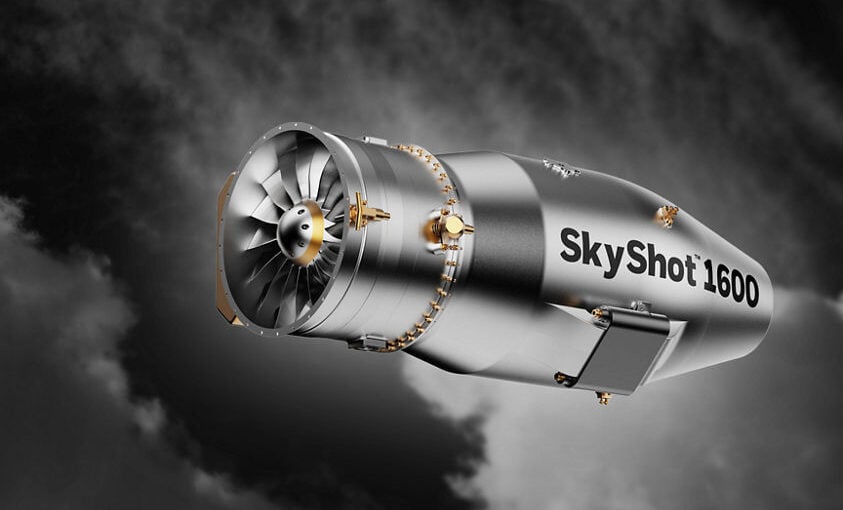
The company has demonstrated its SkyShot autonomous aircraft propulsion platform, an adaptive and scalable propulsion solution for unmanned aircraft in the 800- to 2,800-pound-thrust class.
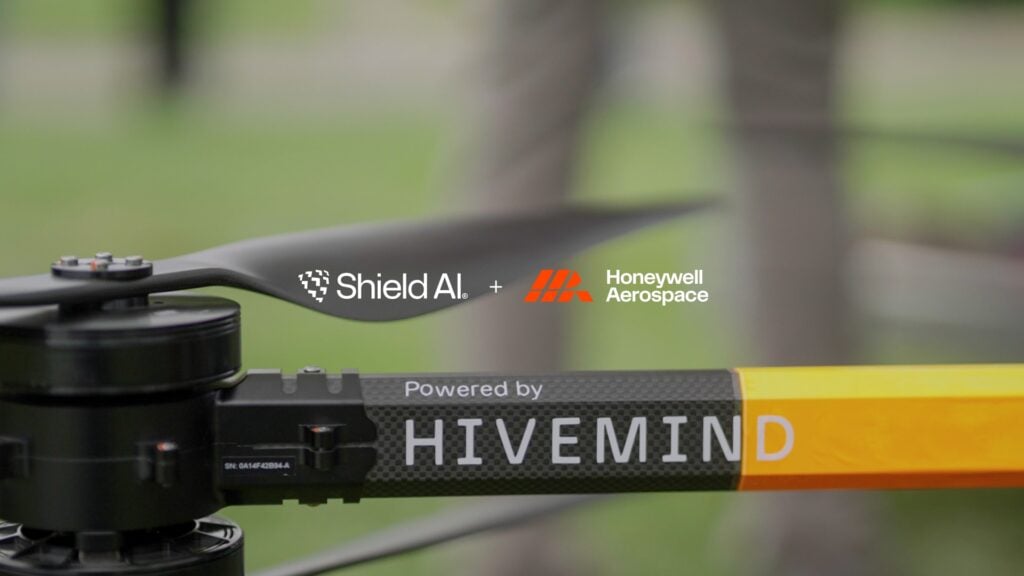
Honeywell Aerospace also announced plans with Shield AI to develop a trusted autonomy software stack combining its Anthem™ avionics, navigation and sensing technologies with Shield AI’s Hivemind software development kit.
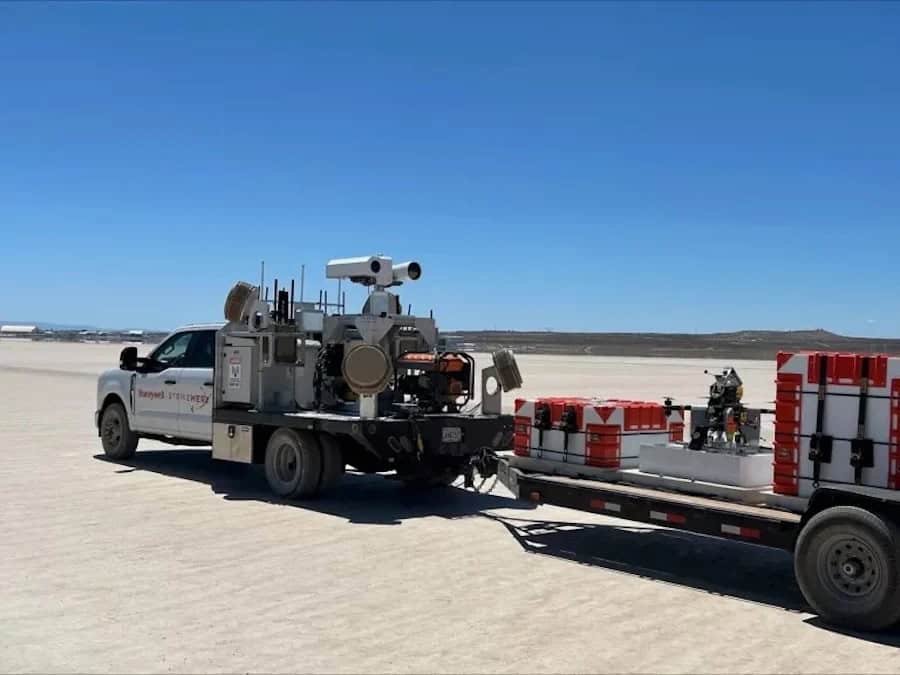
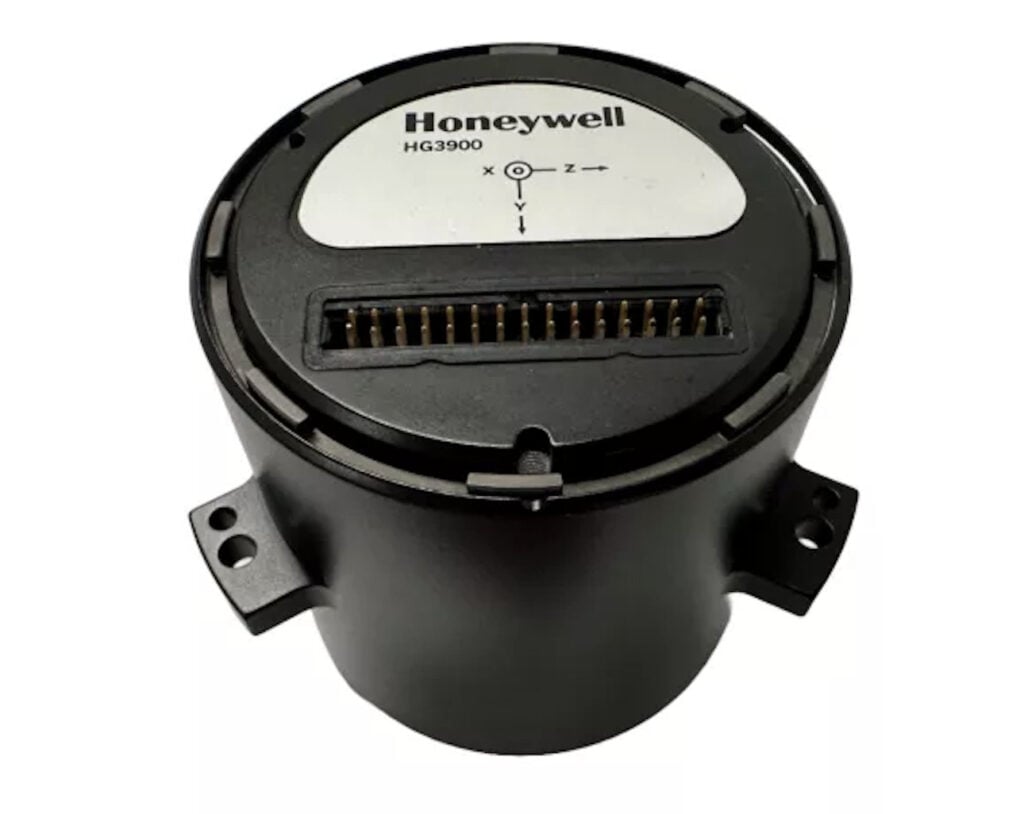
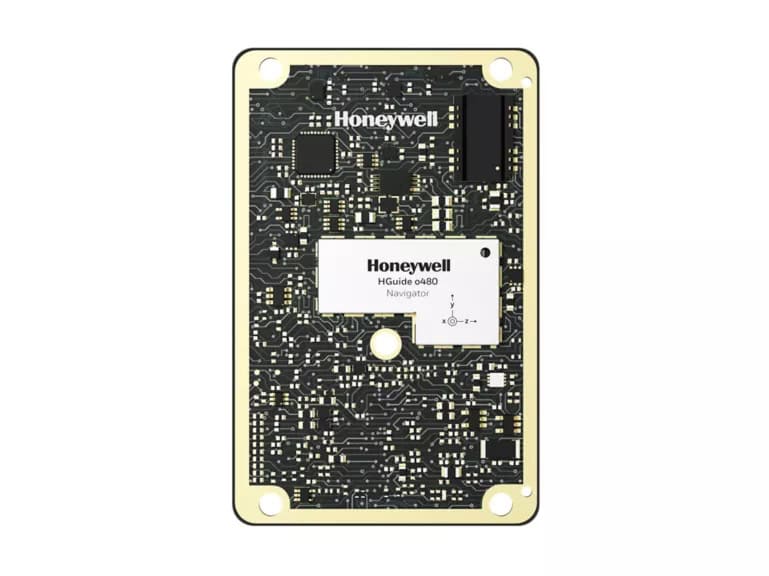
Flight testing of its Kestrel-enabled navigation technologies has demonstrated capabilities for operations in GPS-denied environments, highlighting the role of Alternative Navigation (AltNav) and resilient positioning, navigation and timing technologies in contested operating conditions.
Other programs include Swarm Aero’s selection of Honeywell Aerospace’s TPE331 turboprop engine for its Group 5 Unmanned Aircraft System (UAS). Honeywell Aerospace and Enigma Aerospace are also exploring the integration of navigation, communications, electronic warfare and mission systems technologies into Enigma’s Phoenix autonomous logistics aircraft.
Hermeus is using Honeywell Aerospace technologies in the development of high-speed autonomous aircraft, drawing on the company’s avionics and wider aircraft and mission systems capabilities to support platform maturity and operational readiness.
For contested logistics applications, Near Earth Autonomy, Honeywell Aerospace, Moog and XP Services have completed a year of integration and flight testing on the RUC-60, an optionally crewed UH-60L Black Hawk conversion. Honeywell Aerospace is providing its certified Anthem™ avionics suite together with resilient navigation and Satellite Communications (SATCOM) capabilities intended to support autonomous operation in GPS- and communications-denied environments. Further mission flight testing was planned through 2026.
Honeywell Aerospace and General Atomics Aeronautical Systems are also continuing to explore opportunities to support advanced unmanned aircraft using aerospace technologies intended to improve mission performance, reliability and scalability.
Supporting Autonomous Aircraft Requirements
As autonomous aircraft take on more complex missions, Honeywell Aerospace is addressing requirements across propulsion, electrical power, avionics, navigation, communications, flight controls, actuation, thermal management and environmental control systems.
Milas commented, “The future operating environment will demand speed, scale and adaptability. Our role is to provide trusted technologies that enable autonomous aircraft to perform from day one while giving customers confidence that they can scale those capabilities across a wide range of missions and platforms. From trusted autonomy software and AltNav capabilities to propulsion, environmental controls and mission-critical systems, Honeywell Aerospace is helping enable the next generation of autonomous defense aviation.”