


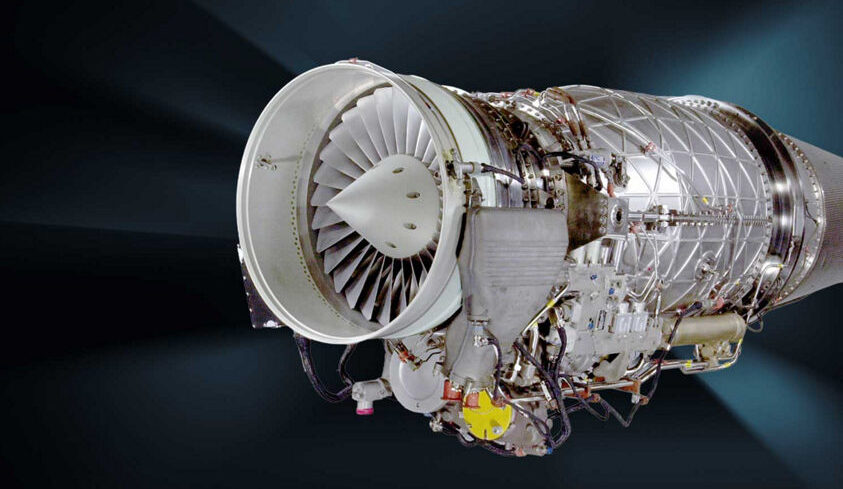
Honeywell Aerospace‘s F124 engine family has surpassed 2 million military operating hours worldwide, marking a significant milestone in its operational history supporting advanced military training and fighter aircraft missions.
The operating-hour totals are derived from operational reporting by nine air forces, providing a measure of the engine’s real-world military service. The in-production engine currently powers aircraft operating daily around the globe, including the Leonardo M-346 and the Aero Vodochody L-159 Advanced Light Combat Aircraft (ALCA).
For military training programs, aircraft availability directly affects sortie generation and pilot training capacity. An engine with extensive military service history, an established production base, and a mature sustainment network reduces the need to develop and validate a new propulsion system before it can support operational requirements.
Dave Marinick, President and CEO of Engines and Power Systems at Honeywell Aerospace, stated, “The term ‘proven’ is one of the most overused words in aerospace. For a military training engine, it should mean something specific: real military operating history, relevant duty-cycle experience, demonstrated reliability under operational stress and a sustainment architecture built to keep aircraft flying. The experience of the F124 engine family is already embedded in the fleet, and it continues to inform how we, together with our partners and operators, support and improve the engine.”
The F124 engine’s architecture enables maintenance at the module level, helping maintenance teams identify service requirements and return engines to service efficiently. Fleet data gathered from varied operating environments and mission profiles is used by Honeywell Aerospace and its industry partners to support ongoing improvements in reliability, maintainability, durability, and sustainment.
Matt Milas, President of Defense and Space at Honeywell Aerospace, commented, “The F124 brings together three key attributes customers value: proven performance in service, an active manufacturing supply chain and a reliable sustainment system generating high readiness levels. For customers evaluating aircraft requirements, that combination reduces risk because the engine is already being produced, operated and sustained today flying these missions. You do not have to wait for a development program to mature and the supply chain to ramp up before benefiting from proven manufacturing and sustainment capabilities.”
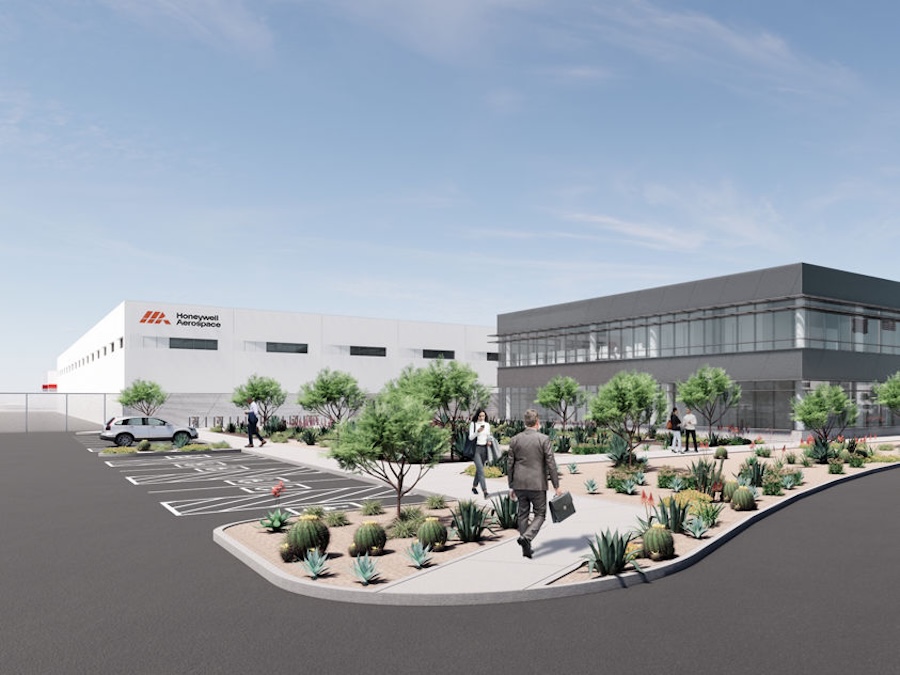
To support future U.S. military requirements, Honeywell Aerospace is expanding its F124 manufacturing, testing, and repair capabilities in Phoenix. The company’s Phoenix Engines campus brings together propulsion engineering, manufacturing, and support expertise, and the planned expansion will increase domestic capacity to produce and sustain F124 engines.