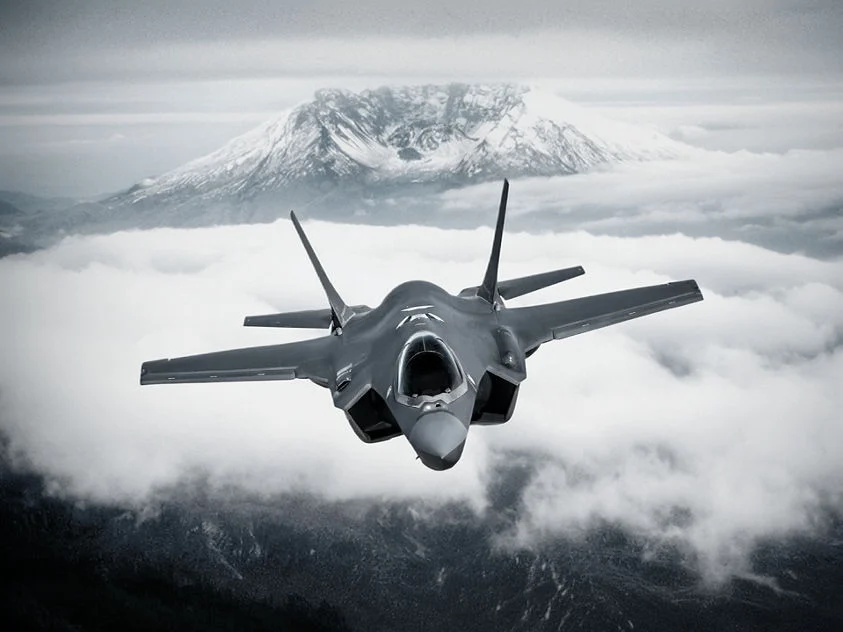




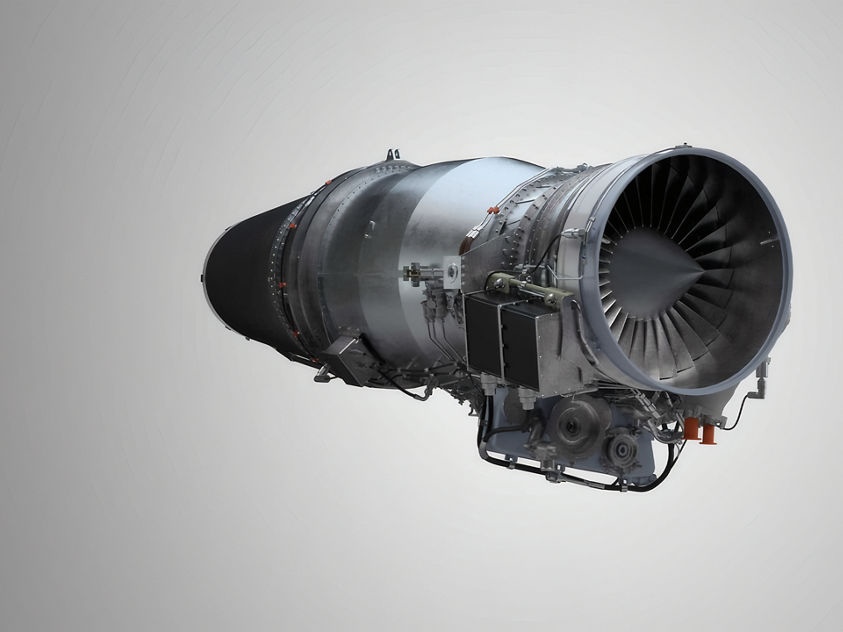
Honeywell Aerospace’s F124 turbofan engine has accumulated more than 2 million military operating hours, providing operational data relevant to propulsion reliability, maintainability, and long-term sustainment. Read more >>
For military jet training programs such as the U.S. Navy’s Undergraduate Jet Training System (UJTS), these factors are important considerations in maintaining aircraft availability and supporting pilot training requirements.
The selection of a propulsion system for a military trainer involves more than evaluating engine performance. Training fleets must sustain regular flight schedules while accommodating maintenance requirements and minimizing disruptions to aircraft availability.
These demands affect instructor pilots conducting multiple sorties, maintenance personnel working within tight turnaround schedules, and student aviators whose training progression depends on aircraft being available for flight.
Assessing an engine’s operational maturity therefore requires evidence of relevant military service, demonstrated reliability, maintainability, and the production and sustainment capacity needed to support long-term fleet operations.
F124 Military Operating Experience and Reliability
The F124, which powers the Beechcraft M-346N trainer, has accumulated more than 2 million operating hours on military aircraft conducting military missions.
This experience provides a basis for assessing engine performance under military operating conditions and duty cycles, which differ from those encountered in commercial aviation.
For military training applications, the relevance of an engine’s service history depends partly on whether its accumulated operating experience reflects the missions and conditions in which it is expected to operate.
The F124-GA-200 configuration has recorded a mean time between unscheduled engine removals exceeding 4,900 equivalent flight hours since entering service in 2012.
This metric provides an indication of in-service reliability and the frequency of unscheduled engine removals. Such intervals are relevant to training fleets, where propulsion-related maintenance interruptions can affect aircraft availability and sortie schedules.
The accumulated operating data also provides a basis for evaluating reliability over extended periods of military service rather than relying solely on development and qualification results.
Bird-Ingestion Performance in Military Operations
The F124 family’s operational history includes more than 400 reported bird-ingestion events, many occurring in coastal operating environments where bird activity is common.
None of the reported incidents resulted in an in-flight engine shutdown, while approximately 75% of the affected engines returned to service within one day.
These figures provide evidence of engine performance following bird-ingestion incidents encountered during military operations.
Although previous operational performance does not eliminate the risks associated with future incidents, the documented experience provides information about how the engine family has performed under real-world operating conditions.
For military training organizations, this type of service data contributes to the assessment of propulsion reliability and operational suitability.
Modular Architecture and Engine Maintainability
Engine reliability is one component of aircraft readiness. Maintainability also influences the time required to complete maintenance actions and return aircraft to operational service.
The F124 features a modular architecture that allows individual engine modules to be built, shipped, stored, and replaced independently.
Module installation does not require special shimming or balancing, providing an established approach to module replacement and maintenance.
For training organizations, these characteristics can support faster returns to service, more predictable maintenance planning, and fewer aircraft awaiting propulsion-related maintenance instead of conducting training sorties.
The engine’s operational history has also established military maintenance and sustainment practices that support operators in the field.
These considerations are particularly relevant to training fleets operating under demanding schedules, where maintenance turnaround times can influence the number of available aircraft and the continuity of flight training.
Operational Feedback and Long-Term Fleet Support
Extended military service provides information that can be used to assess and improve engine supportability throughout its operational life. Feedback from operators, maintenance personnel, and sustainment organizations allows engineering teams to evaluate product performance in service and identify opportunities for improvement.
For the F124, this continuing process has contributed to enhancements in durability, maintainability, and overall fleet supportability.
Such operational feedback provides a basis for refining maintenance and sustainment practices using experience accumulated across the operating fleet.
For military training programs, established service experience is relevant not only to engine performance but also to understanding maintenance requirements and supporting aircraft over extended operational periods.
Expanding F124 Production and Sustainment Capacity
Long-term propulsion support also depends on the availability of production, testing, and repair infrastructure.
Honeywell Aerospace is expanding its F124 production, test, and repair capabilities in Phoenix as part of its efforts to support the engine program.
Manufacturing and sustainment capacity are important considerations for military training fleets that may remain in service for decades.
While operational reliability influences the frequency of unscheduled maintenance, established production and repair capabilities contribute to the ability to sustain engines throughout their service lives.
For programs evaluating propulsion systems, these factors form part of the broader assessment of long-term fleet support and aircraft readiness.
Assessing Propulsion Readiness Through Operational Evidence
The F124’s military service record provides several measurable indicators relevant to propulsion assessments for jet training applications.
More than 2 million military operating hours, a mean time between unscheduled engine removals exceeding 4,900 equivalent flight hours for the F124-GA-200, and documented performance across more than 400 bird-ingestion events contribute to the available evidence of in-service reliability.
The engine’s modular architecture, established maintenance practices, operational feedback, and expanding production and sustainment capacity provide additional information relevant to long-term fleet support.
For military training programs such as UJTS, these characteristics are significant because propulsion reliability and maintainability influence aircraft availability and the ability to maintain scheduled training operations.
Evaluating an engine’s suitability therefore requires consideration of documented operational performance alongside maintenance requirements and the infrastructure available to support the fleet throughout its service life.