



Accelerate Defense Modernization through Strategic Sourcing
Discover cutting-edge solutions from leading global suppliers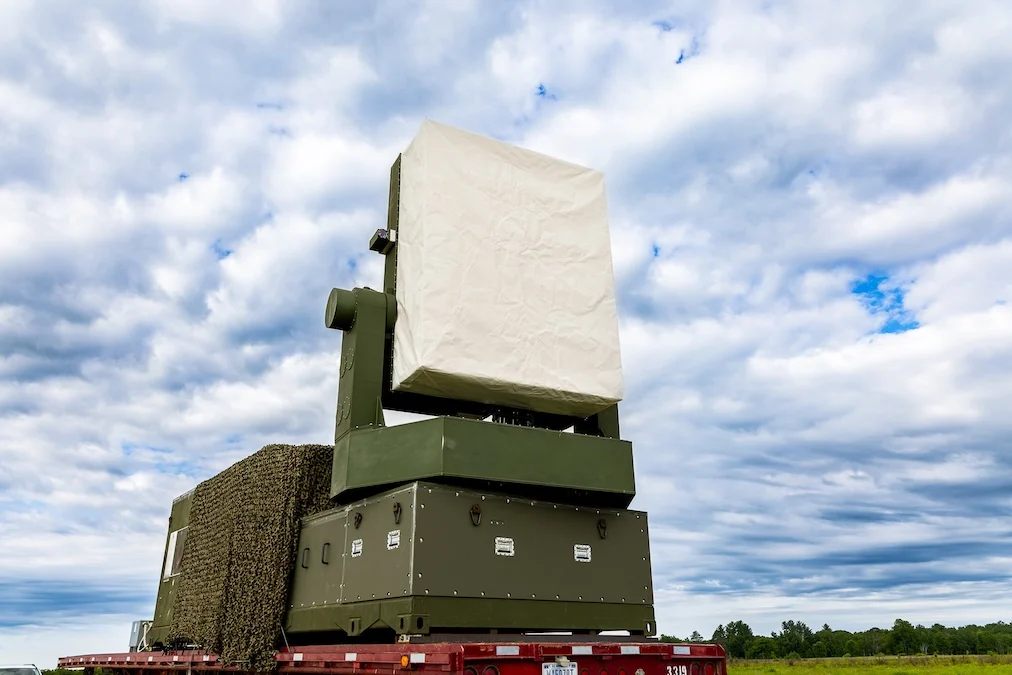
BAE Systems has unveiled two complementary defense technologies at AUSA 2026, designed to protect critical installations and maneuver forces against saturation drone attacks through a combination of high-velocity kinetic weapons and directed energy.
The two capability demonstrators, the Multi-Domain Artillery Cannon System (MDACS) and High Power Microwave (HPM), provide scalable, layered Counter-Unmanned Aircraft System (C-UAS) and counter-missile capabilities. Together, they are designed to address the growing threat from massed drone swarms, which can exceed the response capacity of traditional, magazine-limited kinetic defense systems.
Jason Casciotti, vice president of BAE Systems’ Weapon Systems product line, commented, “The threat environment is evolving faster than traditional procurement cycles can keep up with. By leveraging a validated technical core and a resilient supply chain, we are delivering a high-maturity solution that ensures that as long as there is power, there is defense.”
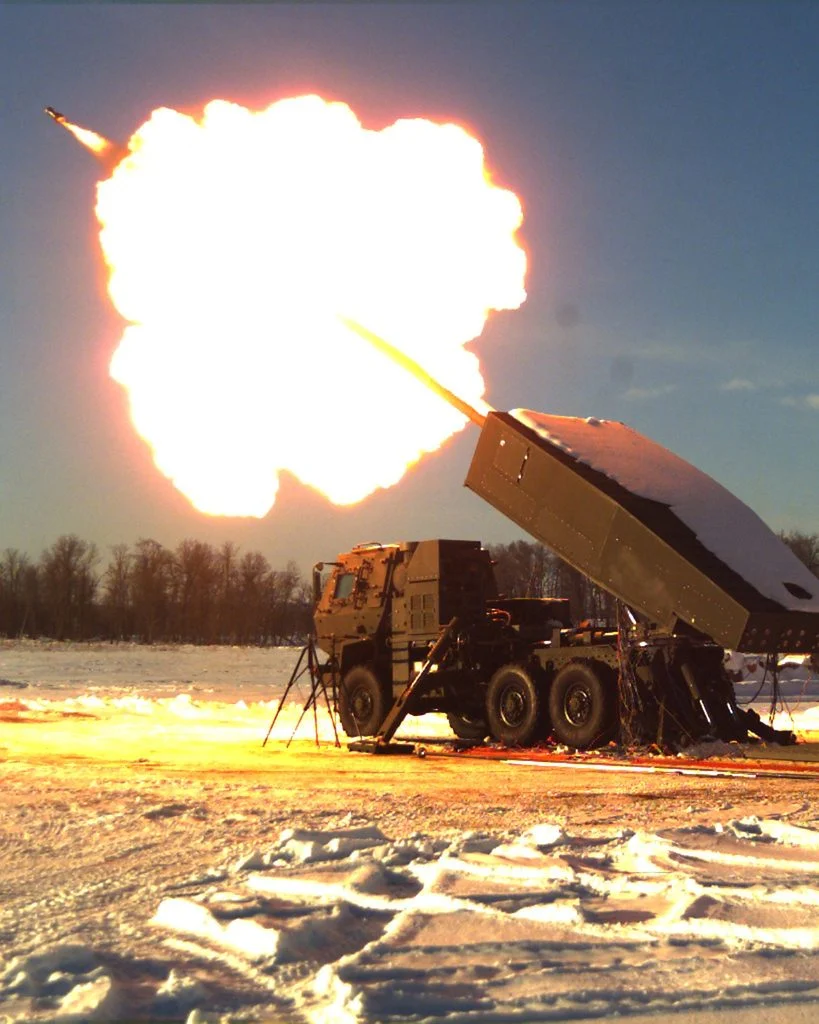
MDACS provides the kinetic layer of the defense system. Designed to be air-transportable and highly agile, it supports offensive and defensive missions through a family of precision-guided munitions tailored to different targets. For air defense, MDACS fires the Hypervelocity Projectile (HVP), a next-generation guided round. To engage fixed and moving ground targets in contested environments, it fires Scorpio-XR, a precision-guided munition that doubles the range of existing 155mm cannon-launched projectiles.
Complementing MDACS, HPM provides the directed-energy layer, offering a means of defeating drone swarms without the ammunition constraints associated with traditional kinetic systems. Built on a high-maturity architecture incorporating more than 99% commercial off-the-shelf components, HPM is designed to deliver continuous defensive capability for as long as power remains available, supporting sustained protection against increasingly large and coordinated drone formations.
Both systems are intended to provide more resilient and adaptable defense options for the U.S. Army. BAE Systems aims to accelerate the transition of proven capabilities from development to battlefield use without compromising the reliability required by soldiers in operational environments.