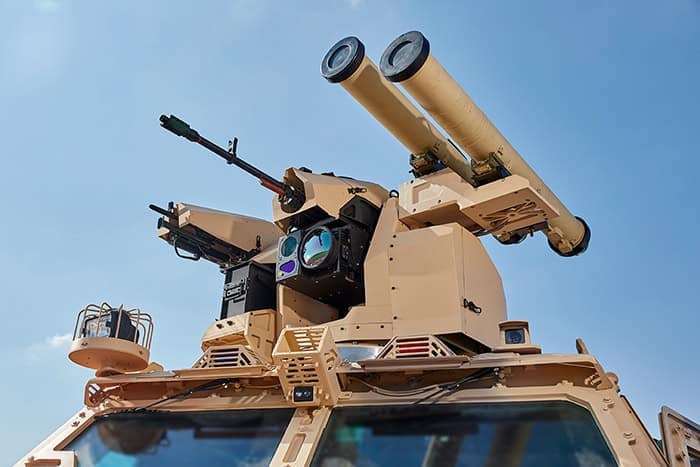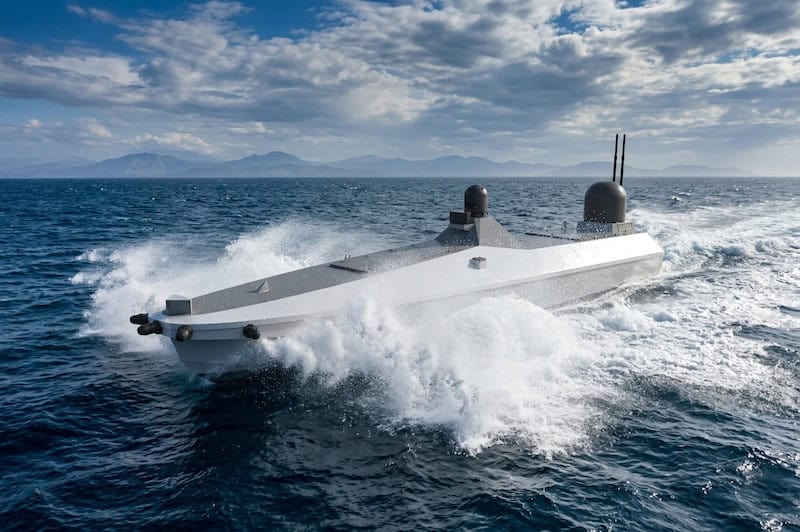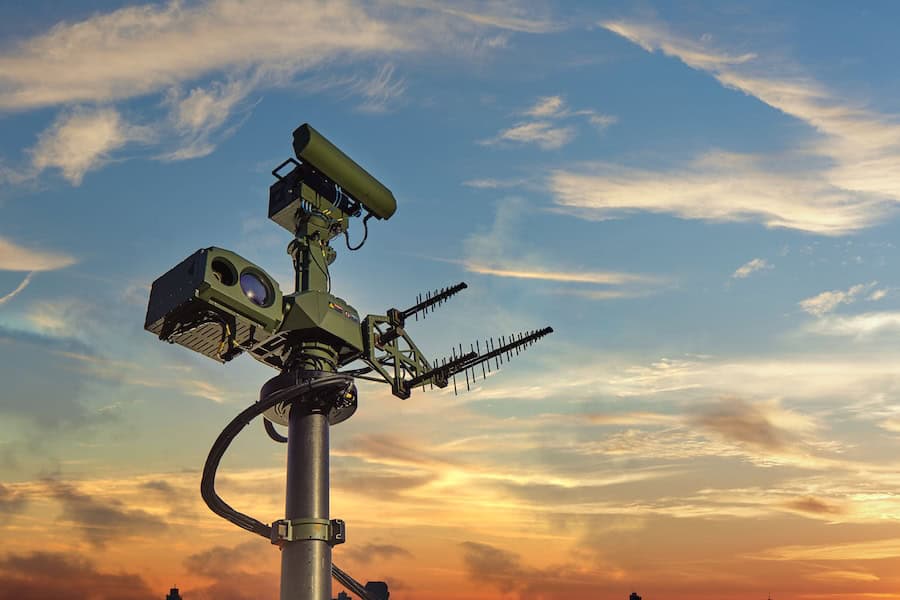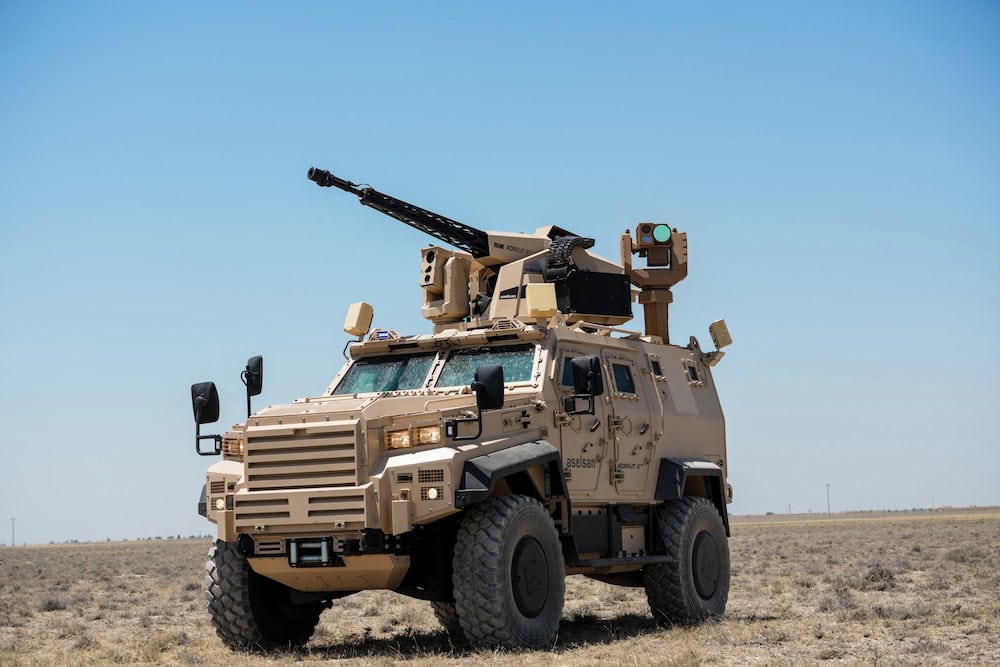




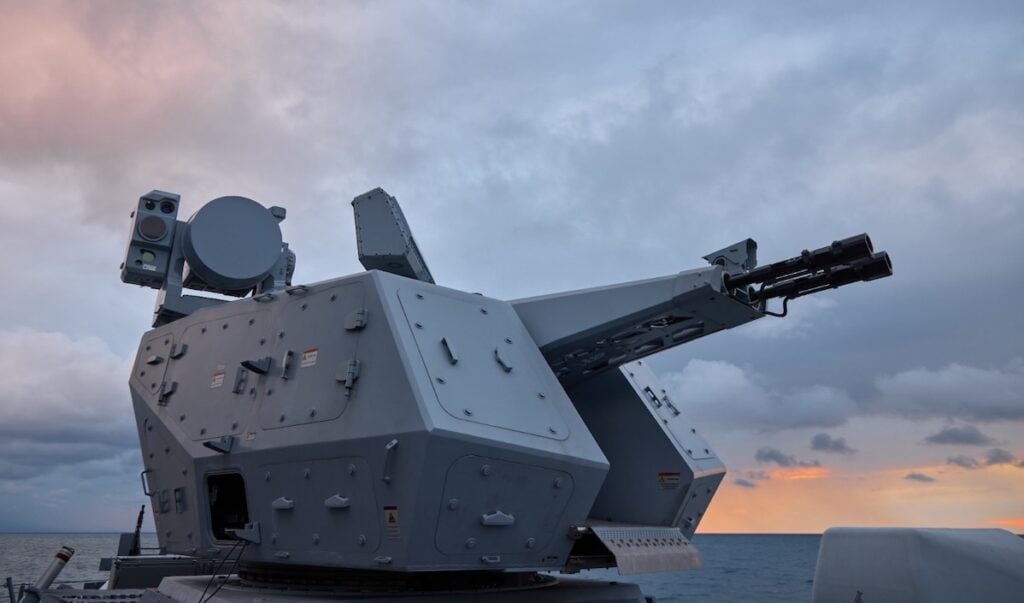
ASELSAN has demonstrated the live-fire capabilities of its GÖKDENİZ naval air defense system by intercepting and destroying a high-speed jet-engine Unmanned Aerial Vehicle (UAV) target off the northern coast of Türkiye.
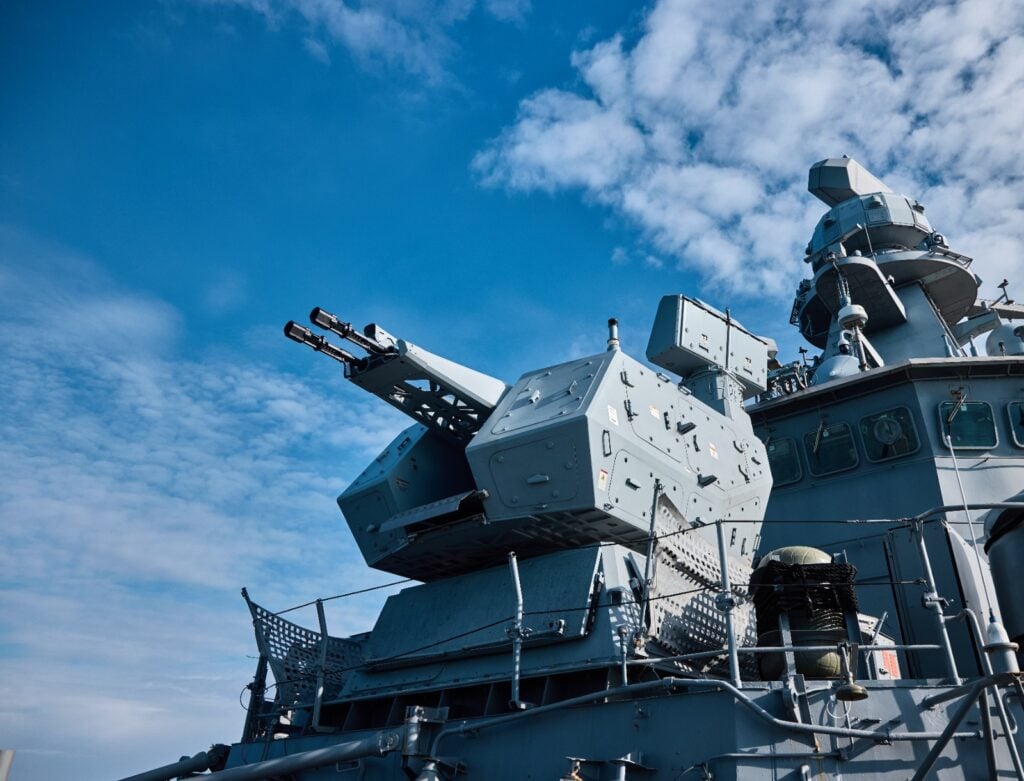
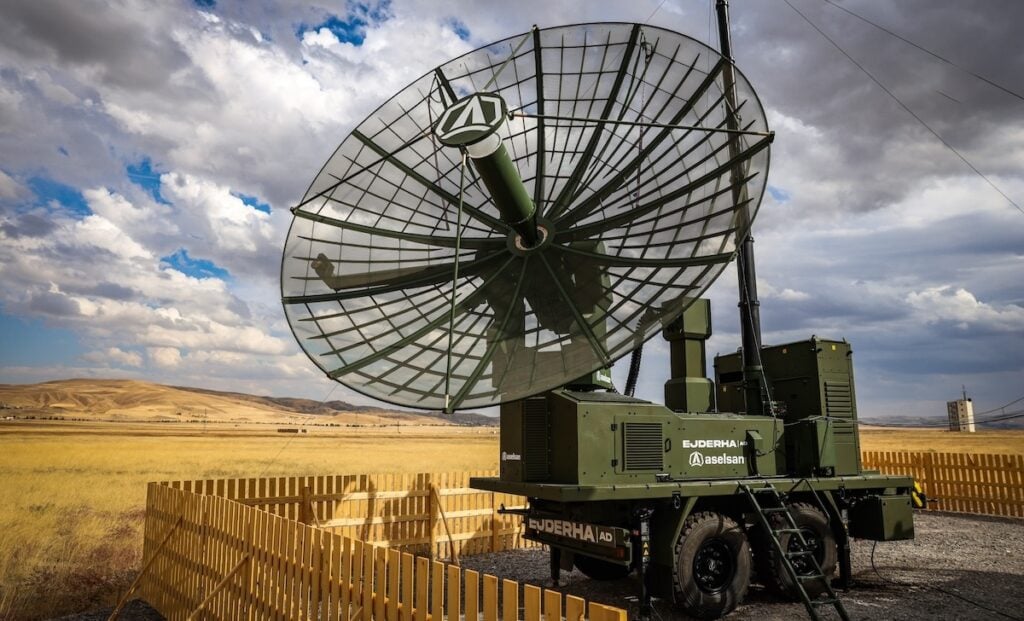
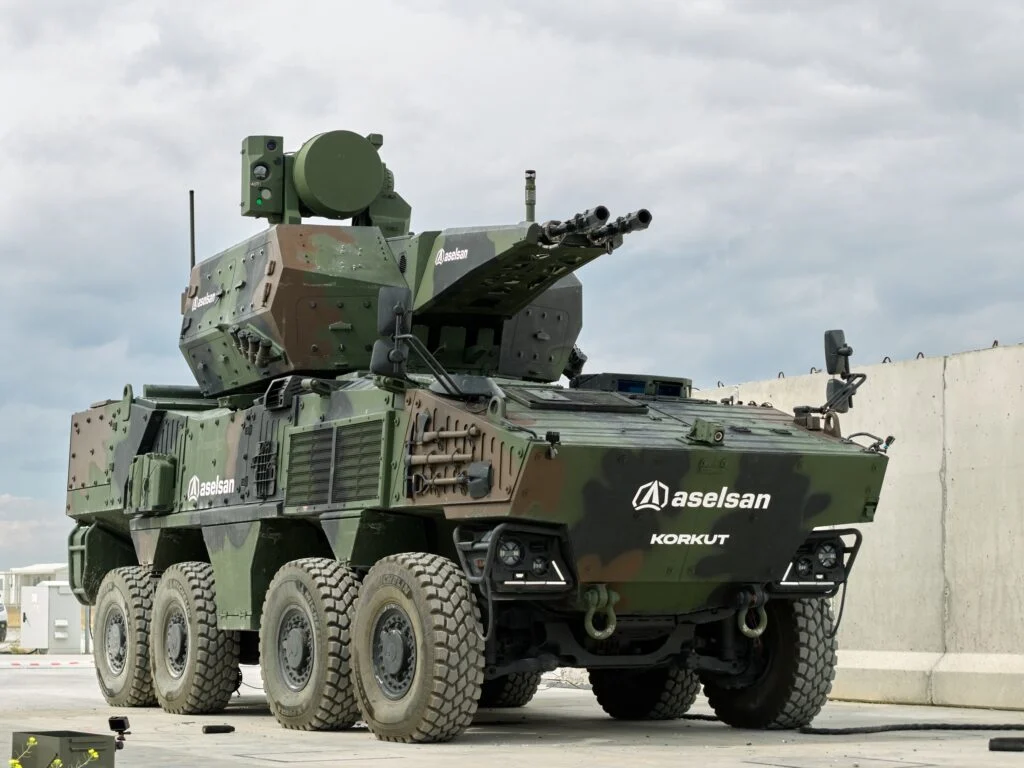
The naval configuration of the company’s KORKUT air defense system, GÖKDENİZ is engineered to provide ships with a close-in layer of protection against anti-ship missiles, drones, and other fast-moving, maneuverable aerial threats.
During the recent sea trial, the host vessel maintained a speed of 5 to 10 knots while the target UAV executed low-altitude maneuvers designed to simulate modern asymmetric threats such as cruise missiles and UAVs.
The engagement was carried out in semi-autonomous mode, where the system independently handled target detection, tracking, and multi-engagement prioritization. Operator intervention was limited to a single button press to authorize firing.
According to the company, automating these stages reduces reaction times in time-critical defense scenarios. Beyond the semi-autonomous setting tested during the trial, the platform also includes a fully autonomous mode capable of executing the entire sequence, including firing for multi-target interception, without operator interaction.
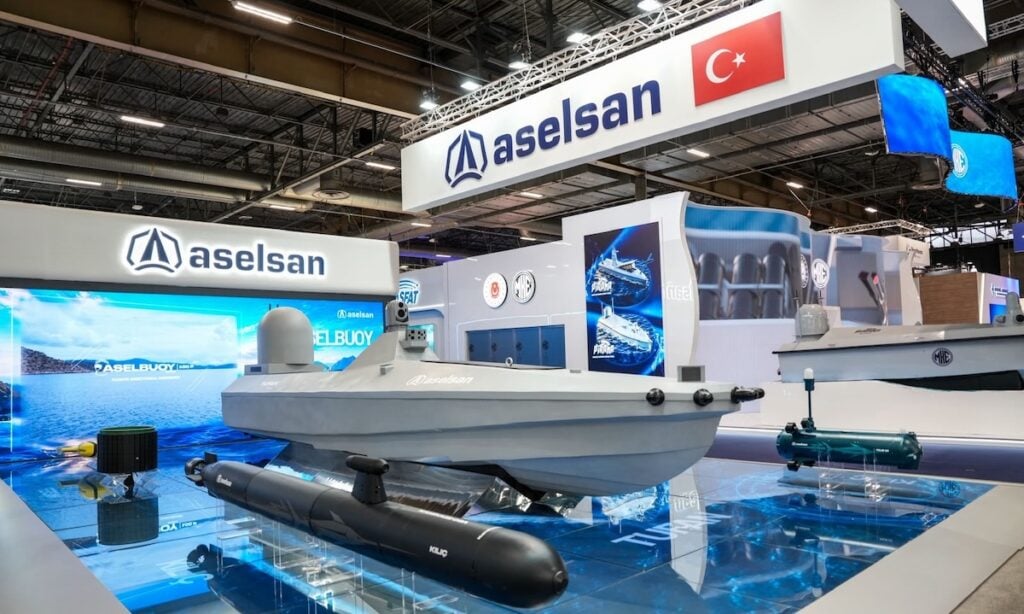
To expand defense options beyond traditional warships, ASELSAN also recently introduced a deployable, containerized configuration of GÖKDENİZ at EURONAVAL. Designed to offer flexible deployment options, this configuration can also provide close-in aerial defense capabilities for commercial vessels.