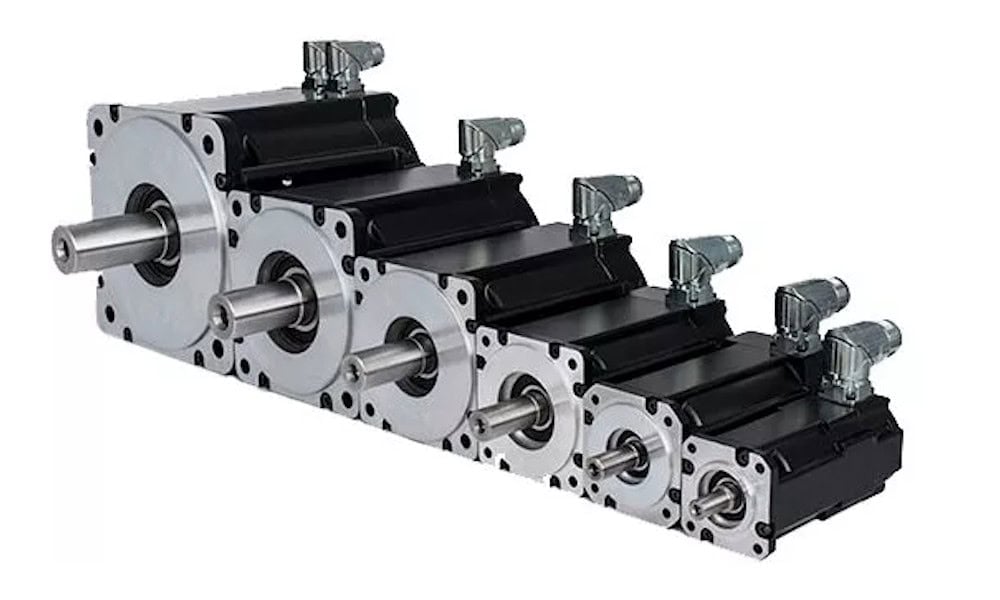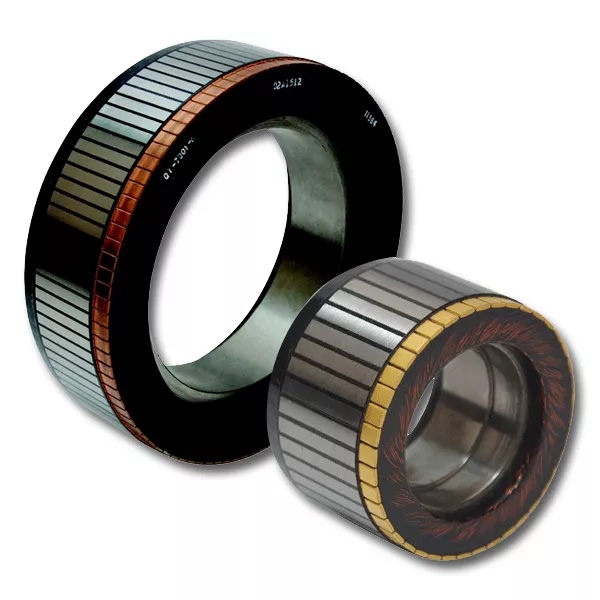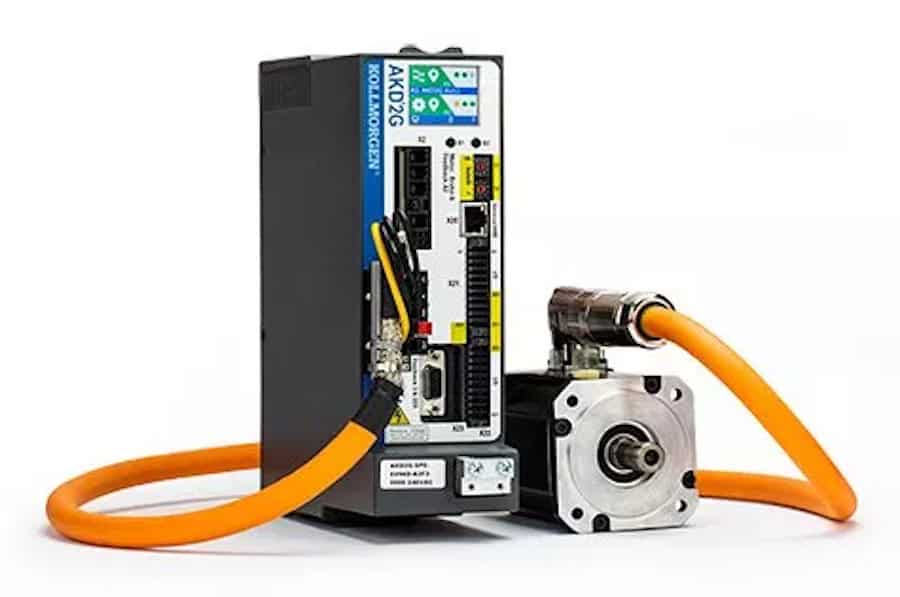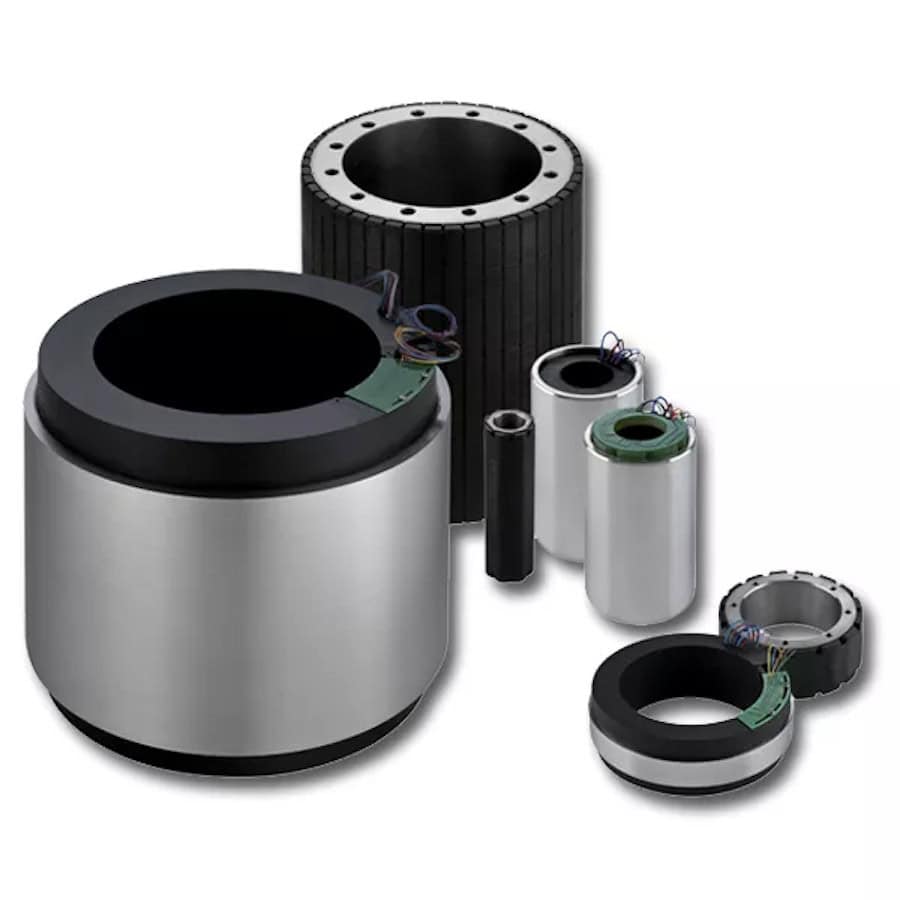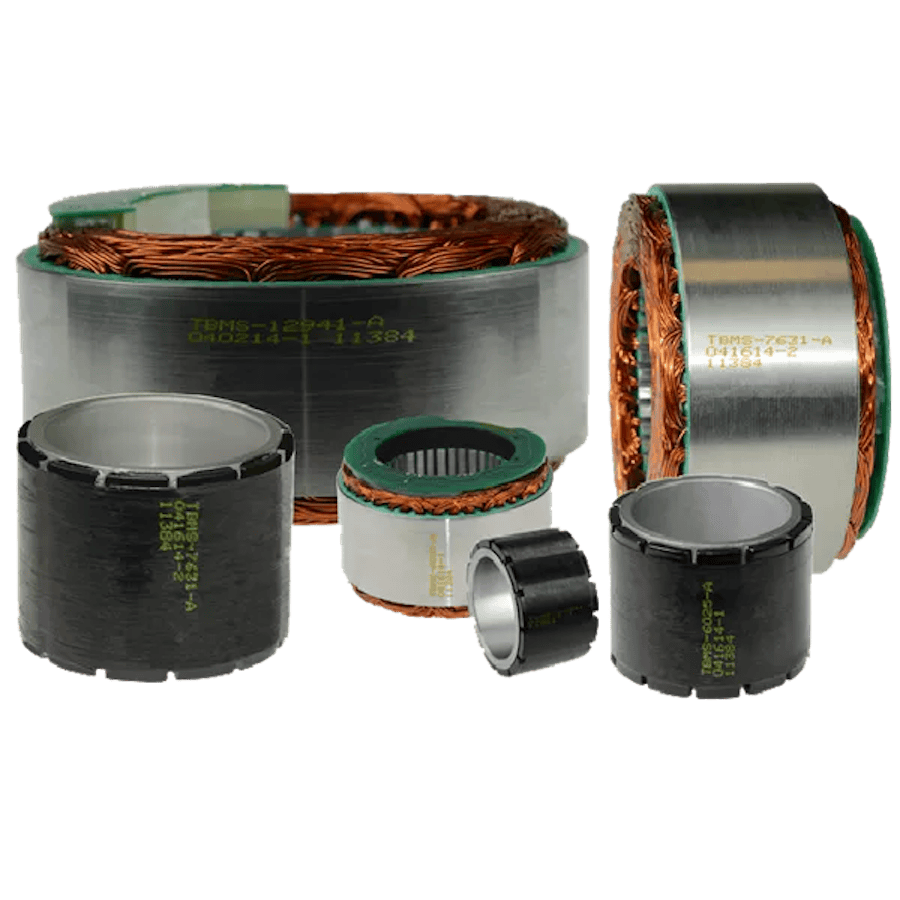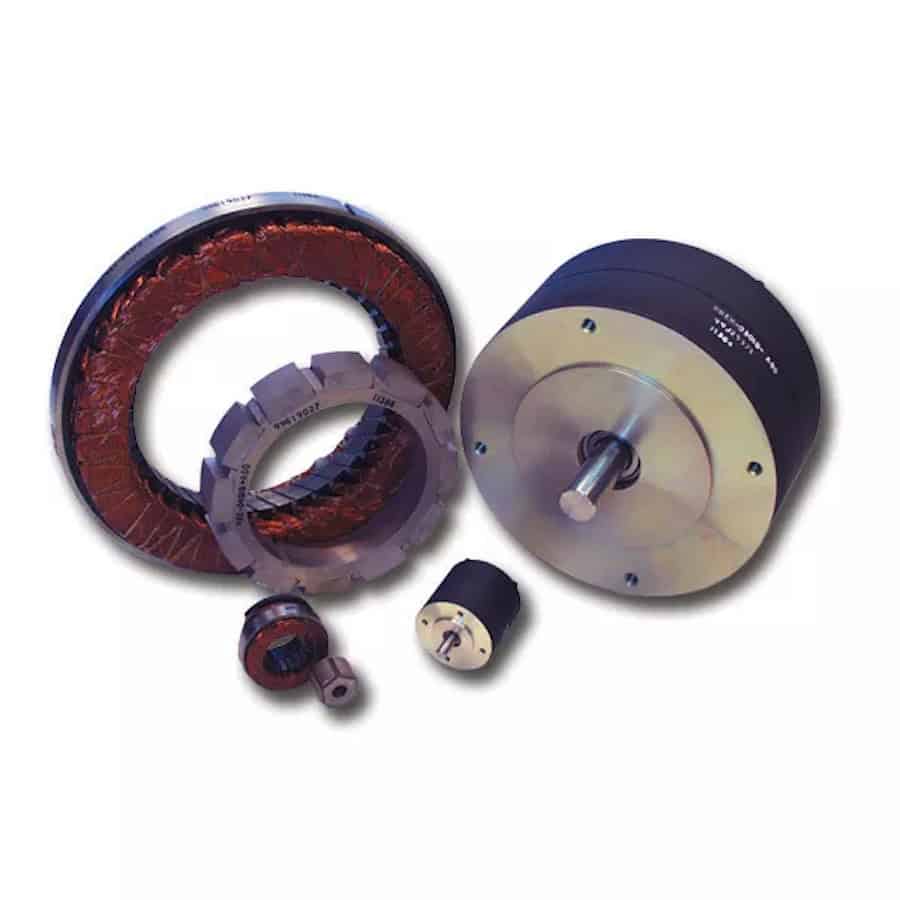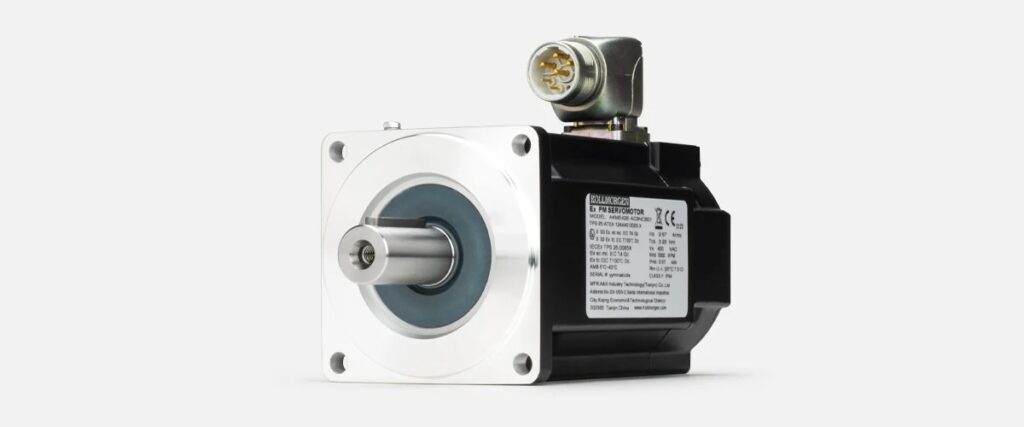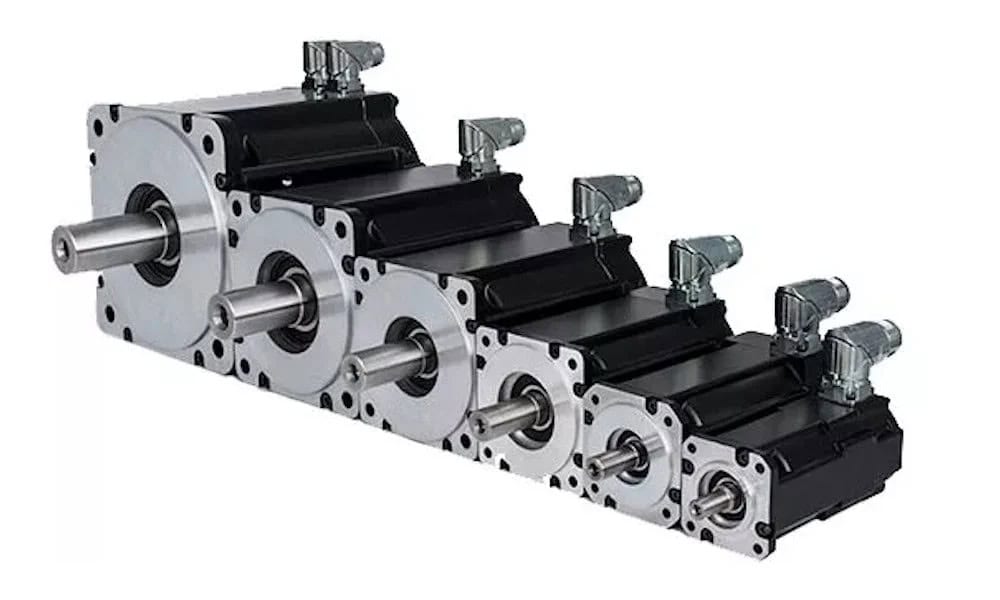




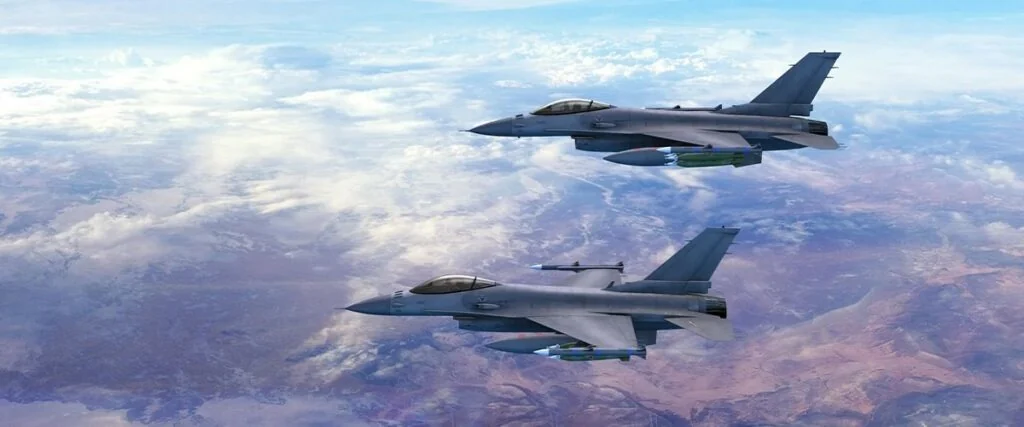
As aerospace and defense systems become increasingly autonomous and software-defined, translating digital commands into precise physical movement remains a critical engineering requirement. Kollmorgen examines the role of motion technology in this transition, exploring how motors and actuators support the physical execution of AI-driven decisions, autonomous behaviors and software-defined commands across aerospace and defense applications. Read more >>
Emerging technologies, including AI, autonomous systems, hypersonics, counter-UAS and low Earth orbit (LEO) satellite constellations, are placing increasingly complex demands on motion control. Applications range from rapid sensor slewing and missile fin actuation to satellite pointing and stabilization, and hypersonic thrust-vector control. Each presents distinct engineering challenges involving precision, size, weight, power and cost (SWaP-C), thermal performance and survivability under demanding operating conditions.
Beyond technical performance, the article explores why manufacturing scalability is becoming an important consideration for defense programs. Growing production requirements for unmanned platforms, guided munitions and space systems mean that motion technologies must meet application-specific performance requirements while supporting reliable, repeatable production at scale. The discussion also addresses the importance of modular system architectures, rapid prototyping and manufacturing quality standards as programs progress from development to full-rate production.
Drawing on Kollmorgen’s experience as part of Regal Rexnord Aerospace & Defense Solutions, the article considers how a broad portfolio of motion technologies, engineering collaboration and manufacturing capacity can support programs from initial development through full-rate production.
Read the full article to explore the motion control requirements shaping aerospace and defense systems and the challenges of scaling these technologies to meet growing production demands.