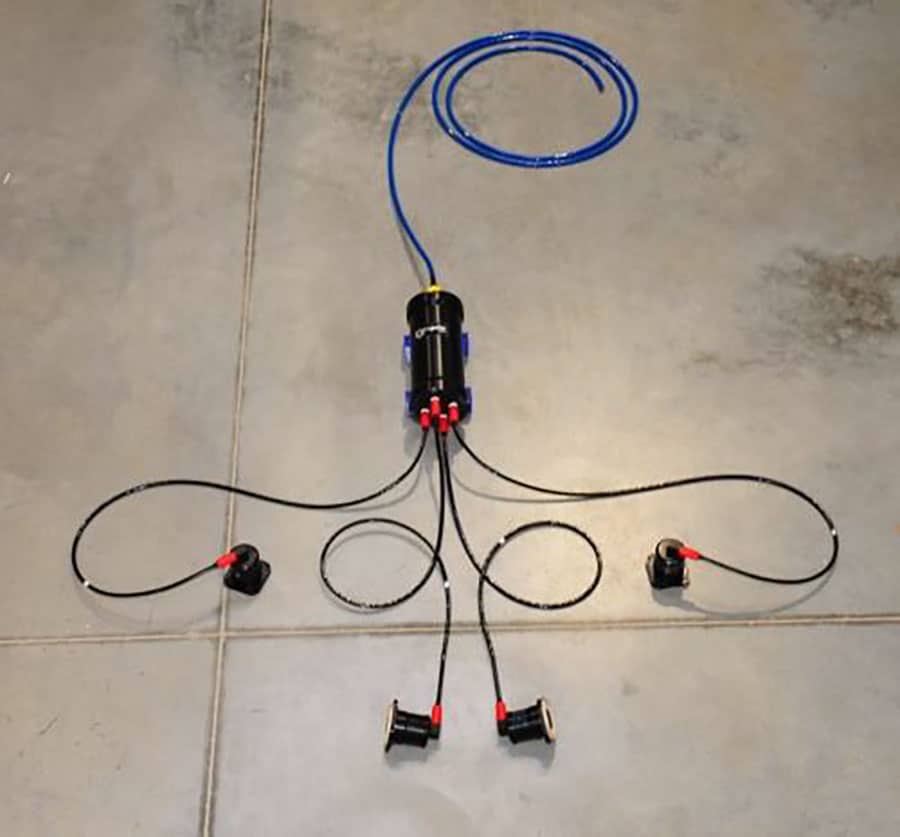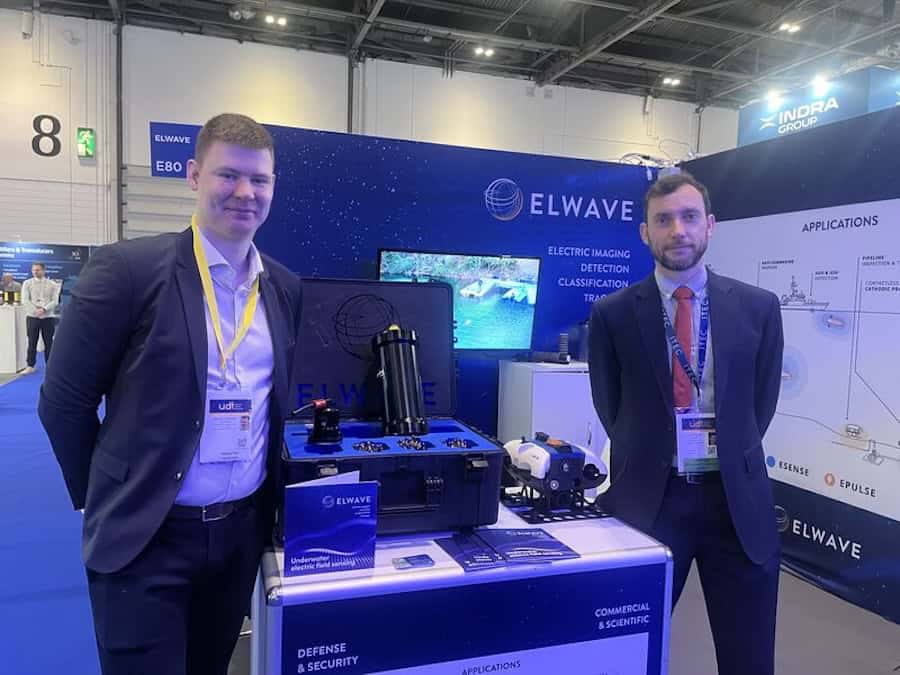




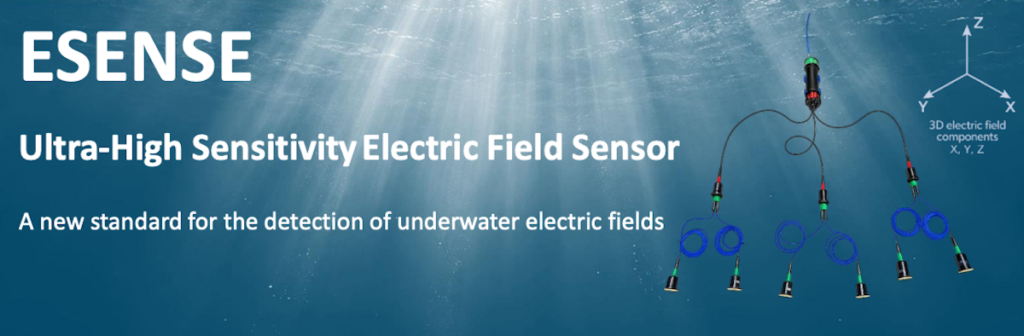
ESENSE by ELWAVE is an underwater electric field sensing solution designed to support passive detection, electric signature measurement and monitoring across defense and maritime security applications.
The system measures electric fields with sensitivity below 10 pV/m at 1 Hz, combining a DC–2,000 Hz measurement bandwidth with sampling rates of up to 4 kHz. Its electric field sensing capabilities can be used in acoustically noisy environments and adverse acoustic propagation conditions.
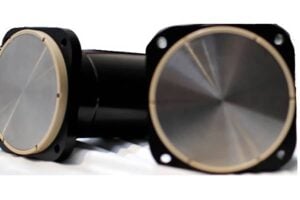
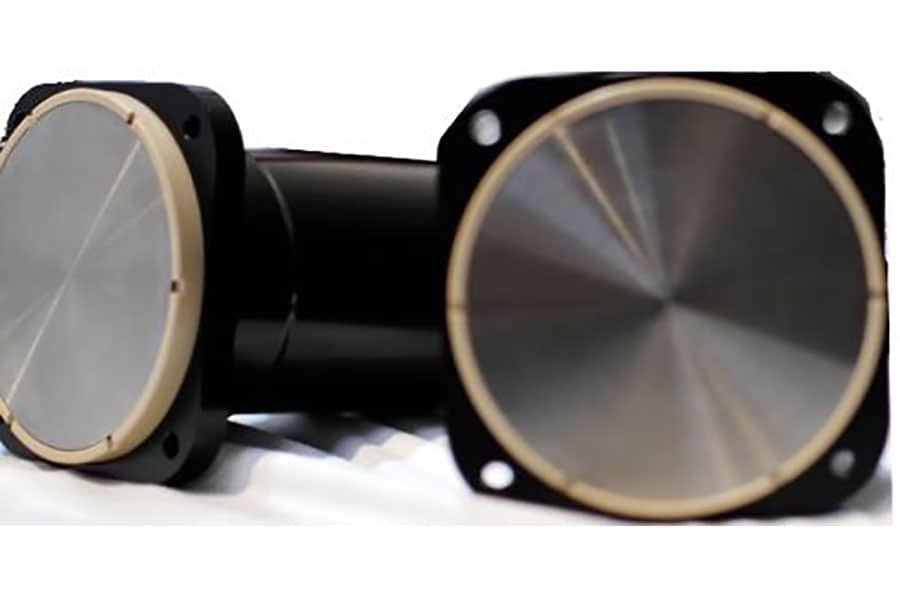
Measurements across up to three axes allow operators to characterize underwater electric signatures and investigate electrical phenomena. Robust titanium dry electrodes and self-calibration capabilities support persistent deployment, while the system is designed for integration into different underwater platforms.
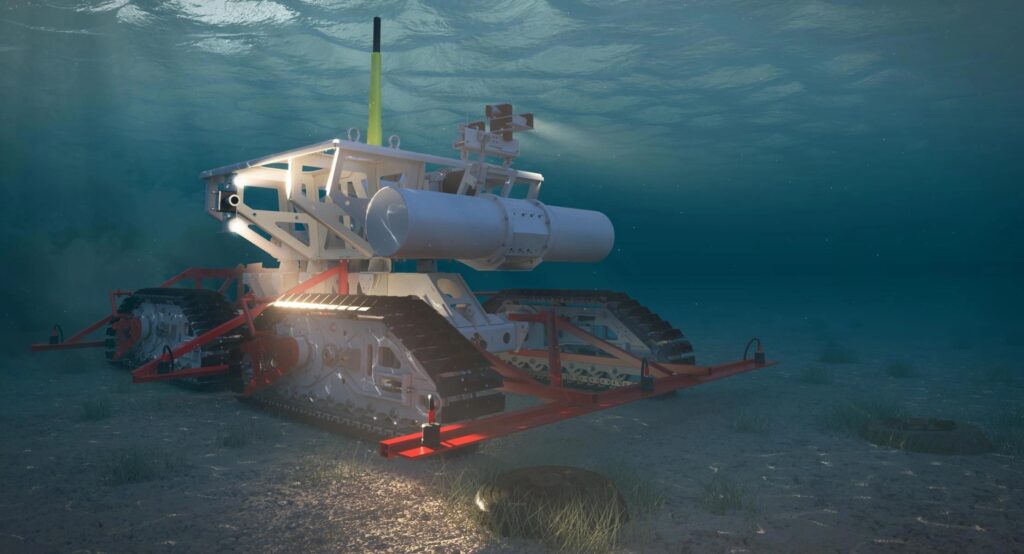
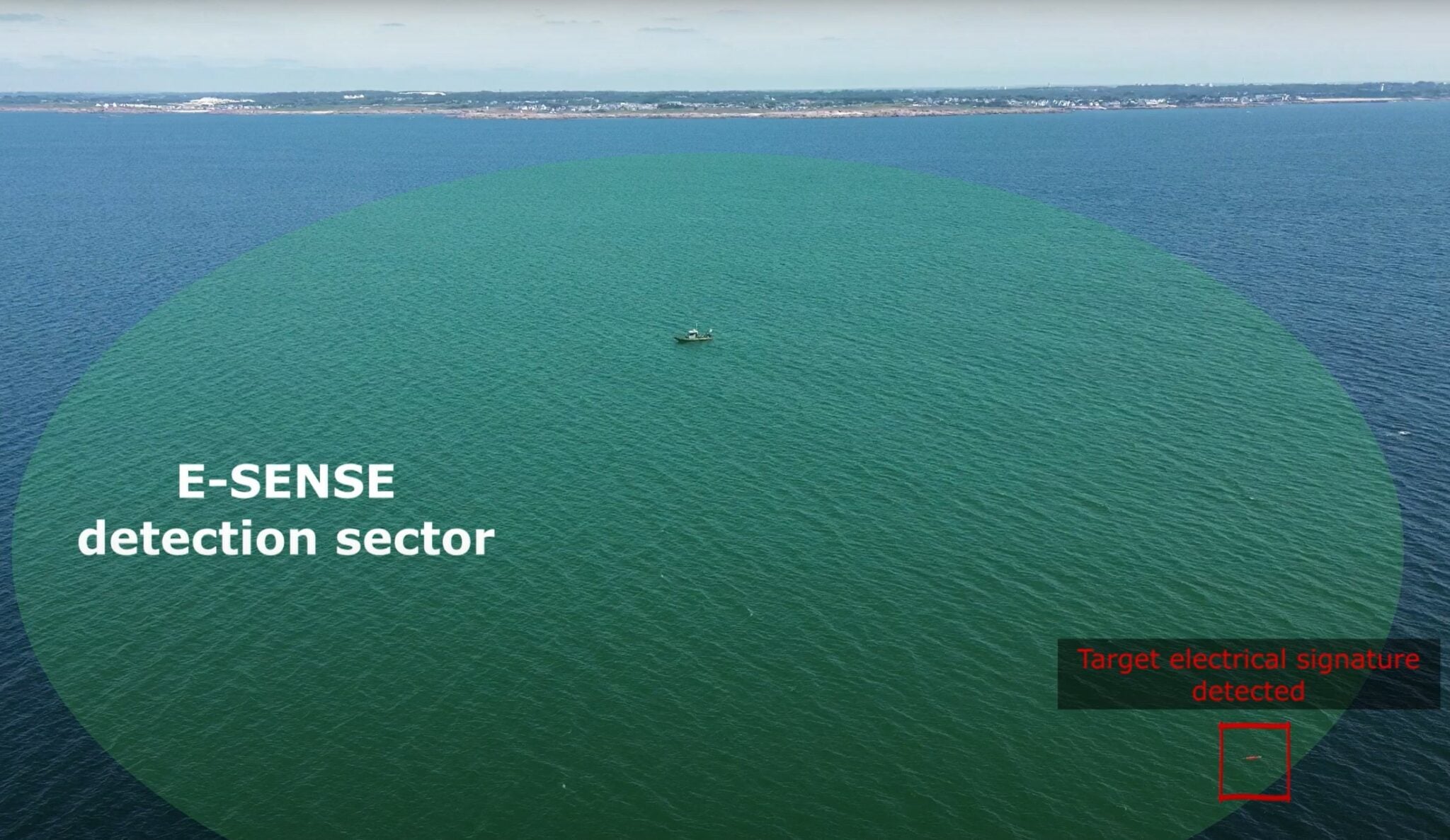
For defense and maritime security operations, ESENSE supports counter-UxV applications, including the detection of underwater intruder propulsion systems, alongside electromagnetic signature intelligence and management. It can also be integrated with towed arrays and sonobuoys for anti-submarine warfare applications, while its electric field measurements can be used to check electrical activity associated with sonar contacts during mine countermeasure operations.
Beyond defense and maritime security, ESENSE also supports offshore applications including subsea cable inspection, pipeline cathodic protection surveys, environmental monitoring and diver safety.
ESENSE is available in two configurations: an OEM solution and the assembled ESENSE 300 system. The OEM configuration offers configurable filters, gain settings and sampling rates, while ESENSE 300 features a 300 m depth-rated aluminum housing, with a 6,000 m titanium version available on request.
ESENSE 300 is supplied with ELWAVE’s OWLIA data acquisition and analysis software, which provides real-time visualization and replay, three-axis electric field plots and spectrograms, demodulation, digital filtering and CSV data export.
Visit ELWAVE’s website for more information about ESENSE and its underwater electric field sensing capabilities.