


ELWAVE’s electric-field sensing technology was successfully demonstrated aboard autonomous underwater gliders during the REPMUS 2026 exercise in Portugal, proving that electric signatures can provide a vital complementary modality for subsea detection and situational awareness.
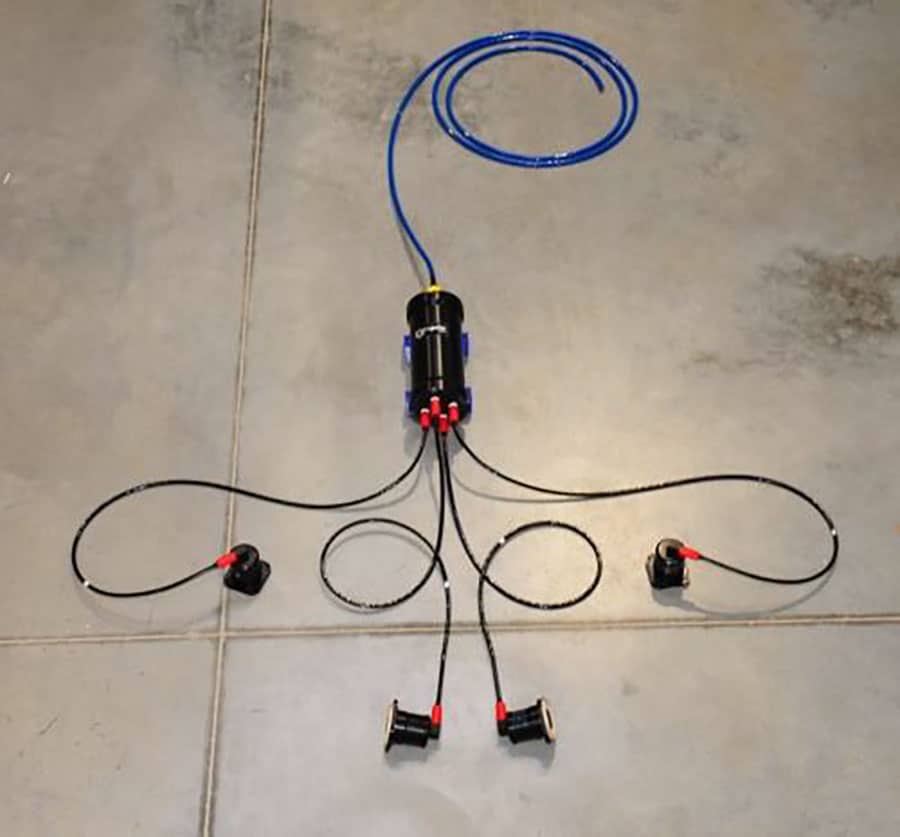
At the core of the demonstration was ELWAVE’s ESENSE OEM technology, which introduces electric-field detection to the suite of payloads available for autonomous subsea platforms. While conventional underwater monitoring relies heavily on acoustics, the technology detects electric signatures to introduce an additional dimension for tracking, identifying, and characterizing submerged targets.
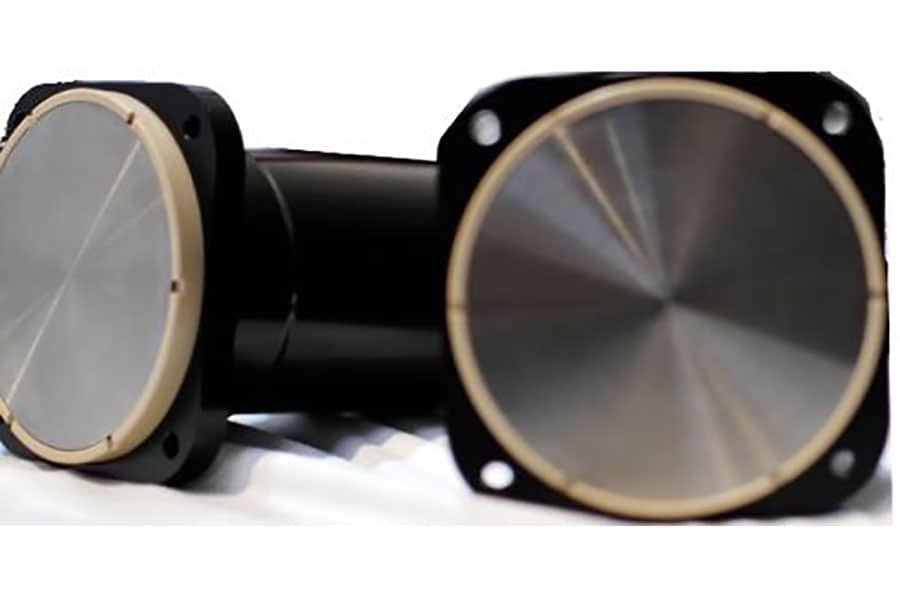
To meet the demanding space and power constraints of autonomous underwater systems, ELWAVE engineered the ESENSE OEM unit with an ultra-compact form factor and very low power consumption, paired with wideband operation and high sensitivity. The system also features dry electrodes and automatic calibration, design choices explicitly intended to streamline vehicle integration and facilitate deployment across diverse subsea missions.
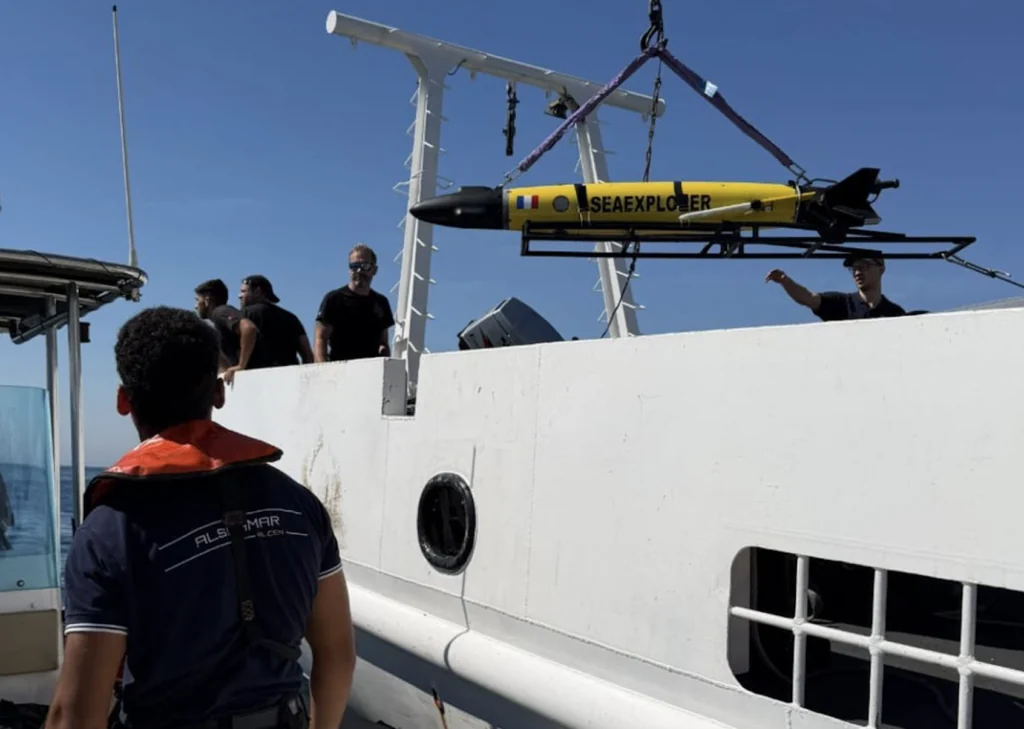
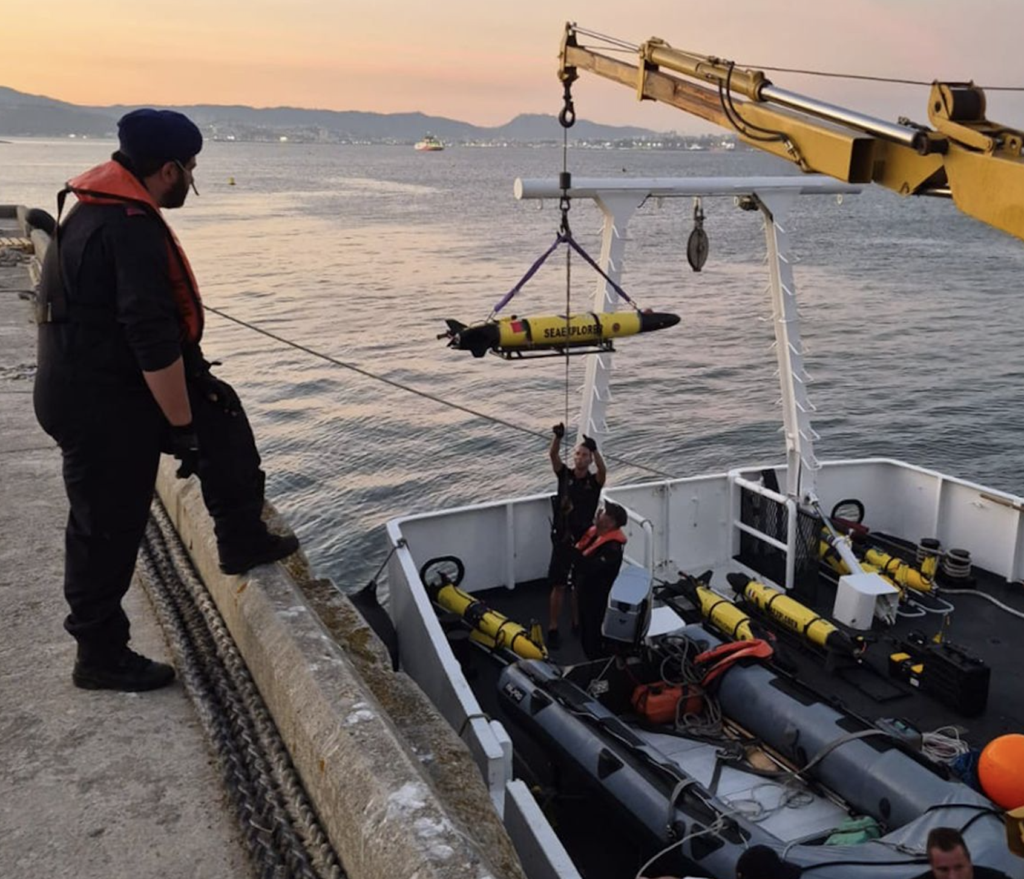
The technology was deployed aboard ALSEAMAR’s SEAEXPLORER gliders as part of an intensive 20-day operational programme. Nine gliders operated continuously throughout the exercise, executing a wide envelope of missions that spanned underwater warfare, Rapid Environmental Assessment, acoustic detection, and multistatic sonar trials alongside other maritime assets.
Operating from multiple dispersed positions, the SEAEXPLORER platforms fused acoustic data to localize and identify underwater targets during simulated submarine scenarios. The gliders also gathered environmental intelligence, capturing sound velocity profiles and ambient noise data to assess local conditions, while related trials evaluated turbulence detection using technology from Rockland Scientific.
The trial further validated interoperability across mixed autonomous fleets by transmitting acoustic detections across the STANAG 4817 bus, linking ALSEAMAR’s GLIMPSE control interface directly with command-and-control systems from other autonomous assets. By pairing ELWAVE’s electric-field sensing with acoustic and environmental datasets, the trials confirmed the operational value of multi-modal, complementary sensor architectures for persistent autonomous underwater platforms.