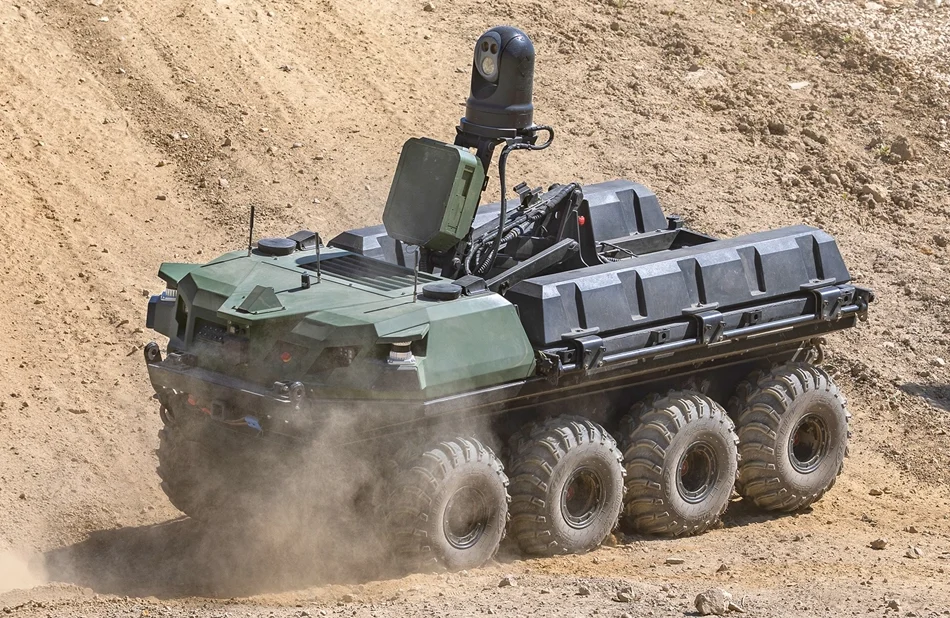




Echodyne has highlighted the deployment and integration of its radar systems during Project Flytrap 5.0 at Camp Rohn in Pabradė, Lithuania, where its technology supported squadron-scale Counter-Uncrewed Aerial System (C-UAS) operations in a simulated environment involving drone threats and electronic warfare activity.
The multinational, multi-phase initiative evaluates commercial technologies to help the United States and allied forces address battlefield drone threats.
Mobile Radar Deployment and Integration
Echodyne participated in Flytrap iterations 2.0 through 4.0 before supporting individual radar operator proficiency and providing the range radar during Flytrap 4.5.
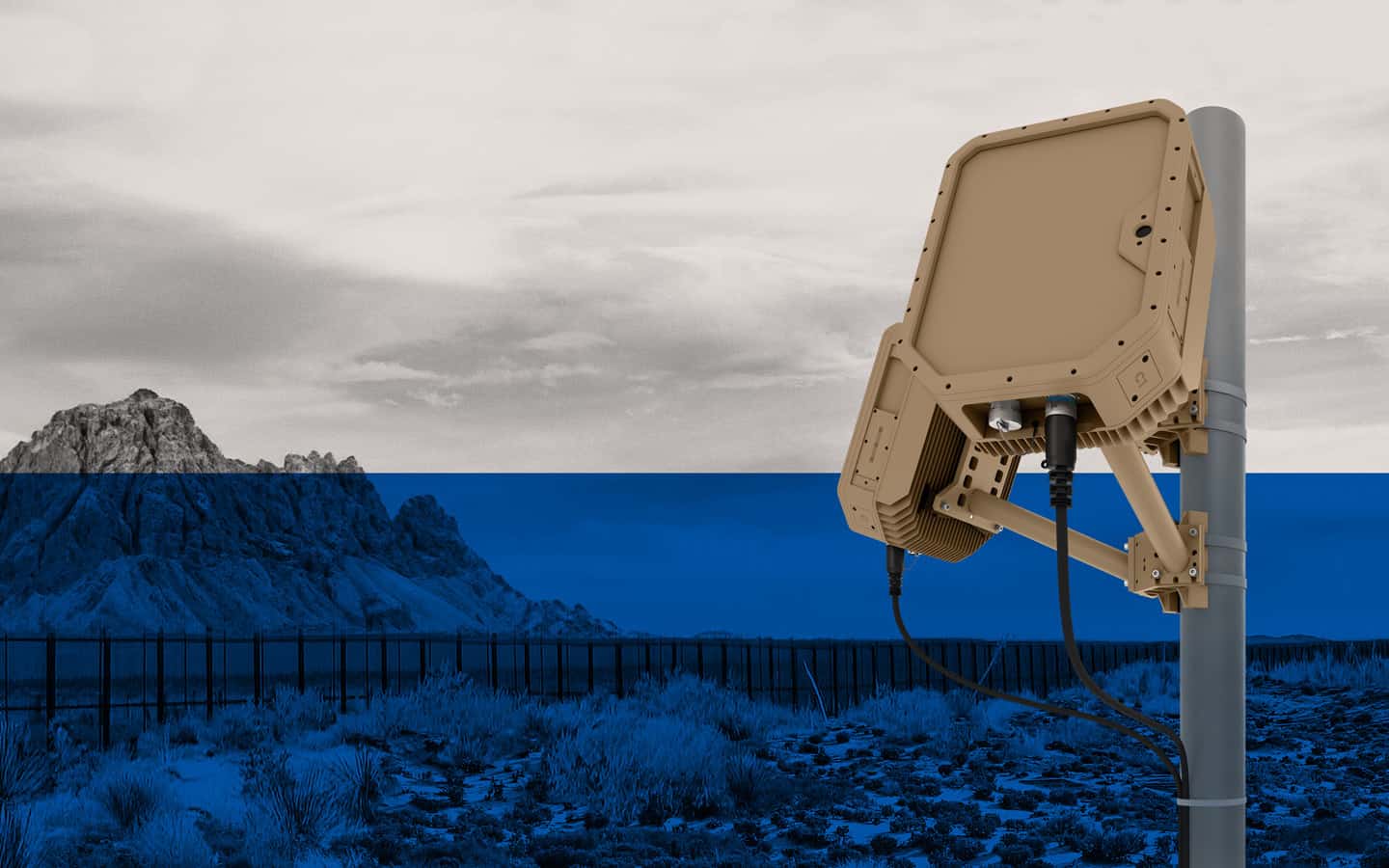
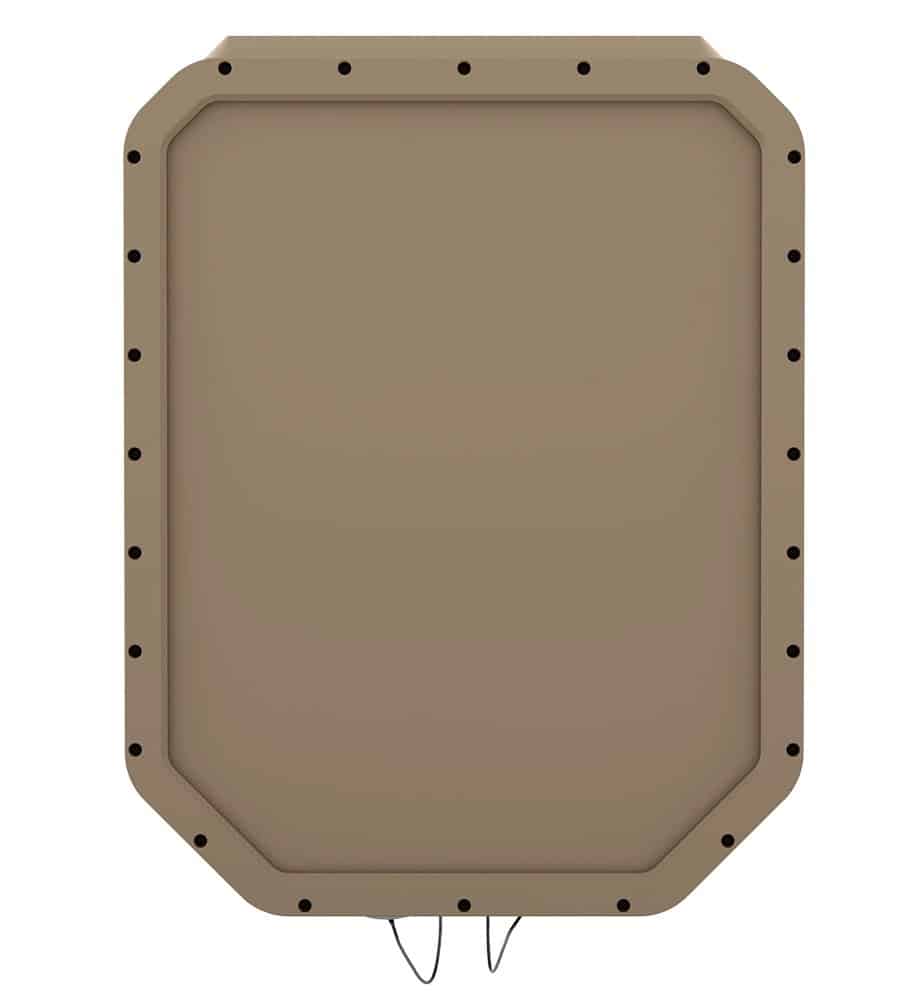
At Flytrap 5.0, the company’s compact, low-Size, Weight, and Power (SWaP) radars supported rapid deployment, layered force defense, and offensive maneuver.
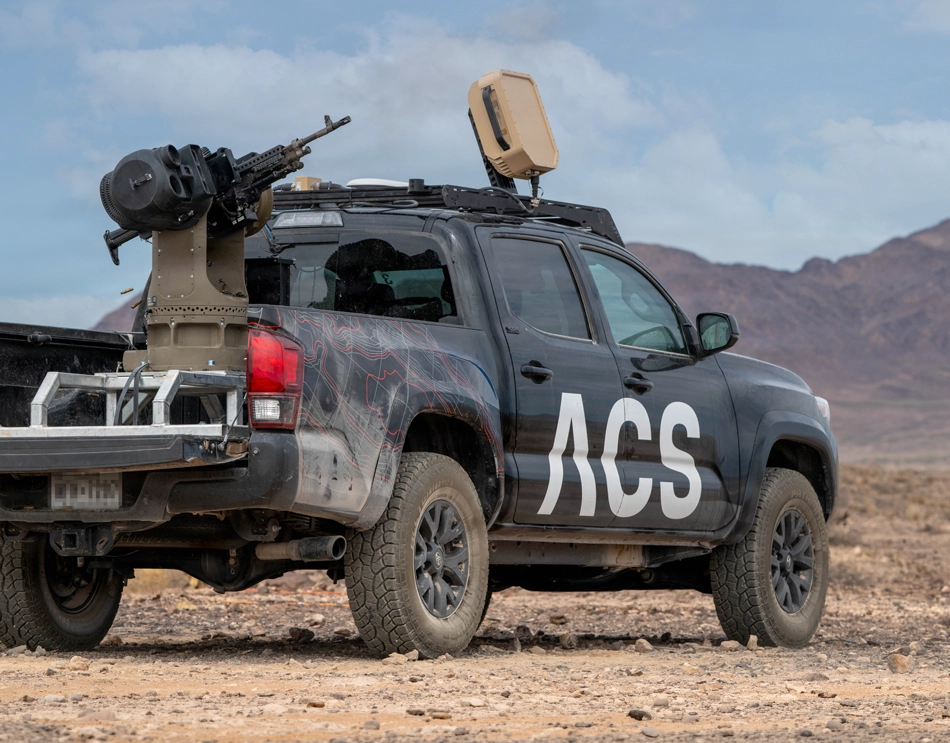
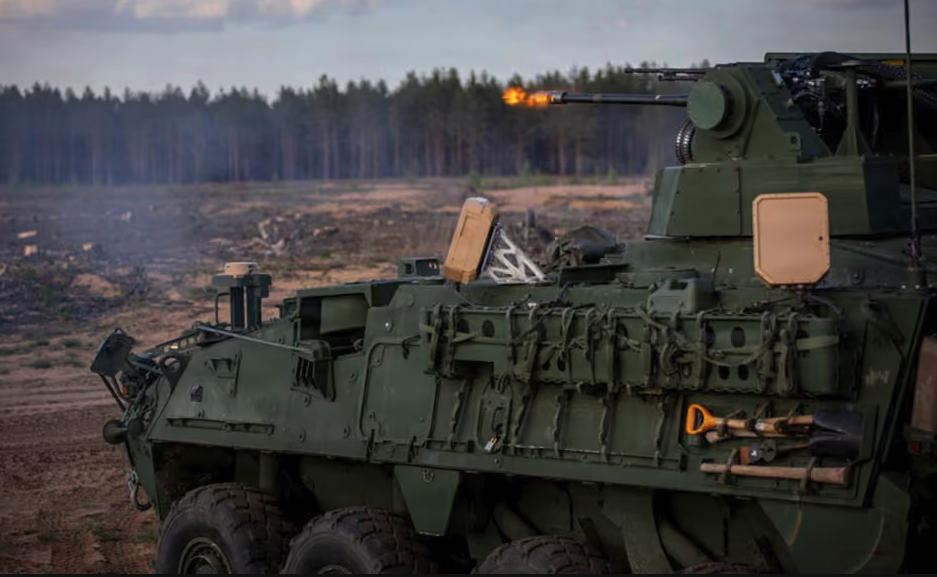
Echodyne’s On-The-Move (OTM) capable EchoShield radar was mounted on a Stryker vehicle to support testing of solutions for the U.S. Army’s Short Range Air Defense (SHORAD) program.
According to Echodyne, EchoShield provided radar data during both on-the-move and On-The-Halt (OTH) operations, with the data integrated and networked across a combined U.S.-U.K. tactical data architecture tested against a live opposing force.
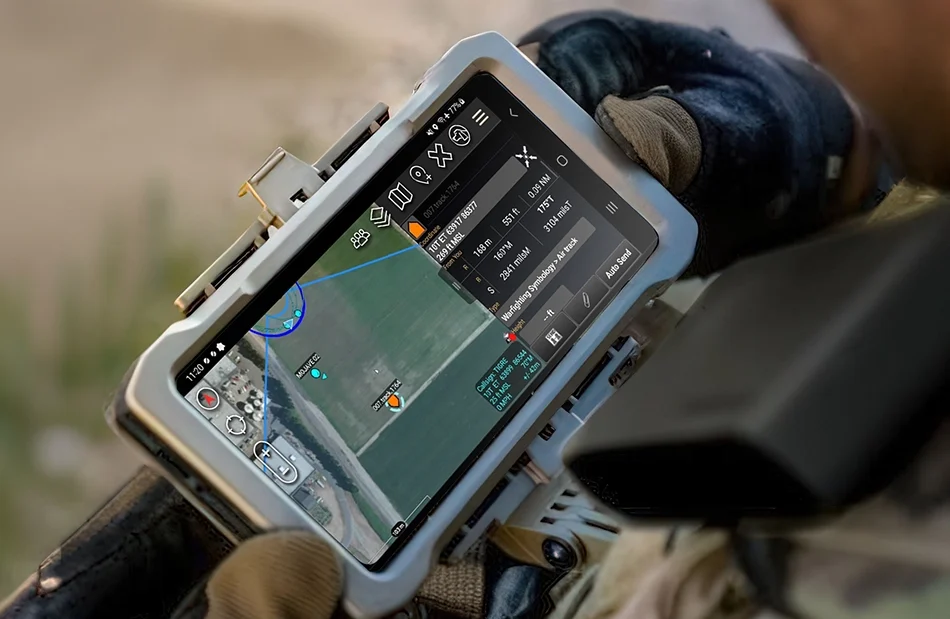
The radar was also integrated into Anduril’s Command-and-Control (C2) system, enabling high-fidelity counter-UAS tracking and classification data to be delivered to warfighters.
Soldier Feedback and Future Testing
The U.S. Army’s crawl, walk, run approach allows soldiers to provide direct feedback as new technologies are evaluated. During Flytrap 5.0, Echodyne worked with soldiers to gather feedback and refine capabilities based on operational needs.
Adam Belmonte, Regional Sales Manager – DoW/IC at Echodyne, commented, “Flytrap 5.0 demonstrated the value of bringing industry and the warfighter together early and often.”
Echodyne plans to participate in Flytrap 6.0, where it intends to demonstrate how its radar capabilities can be scaled to brigade-level operations in support of NATO’s counter-drone lethality efforts.