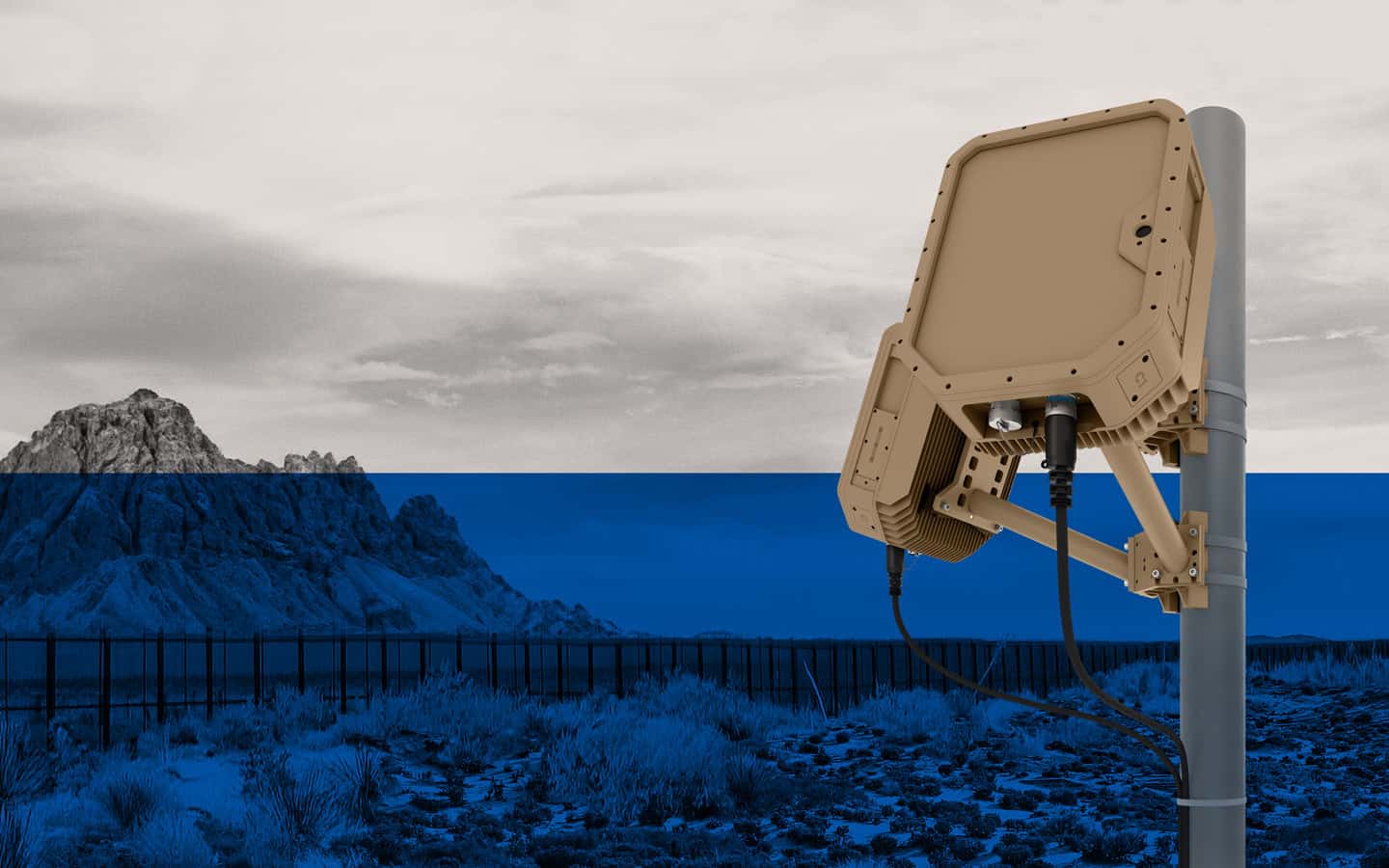
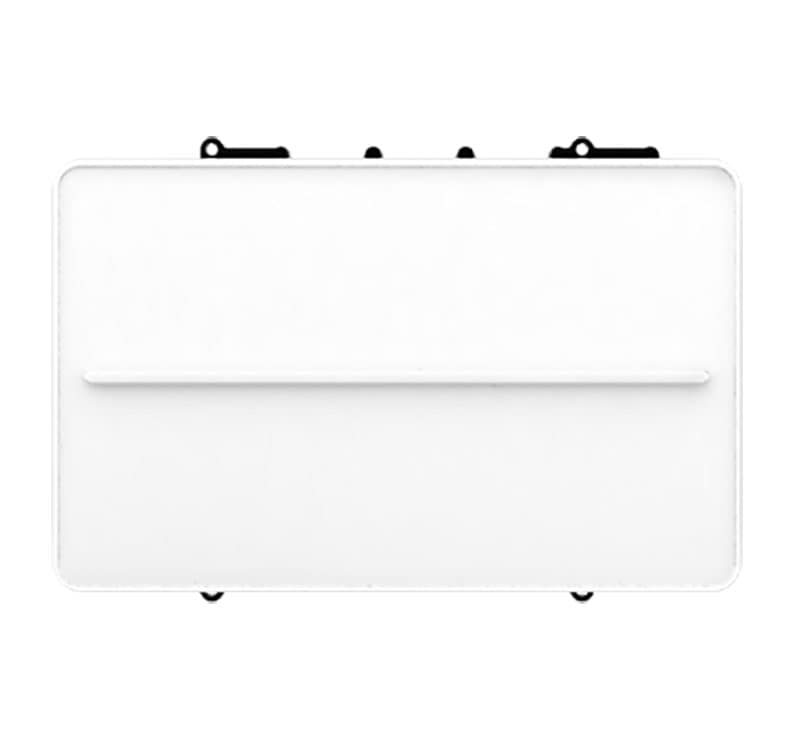
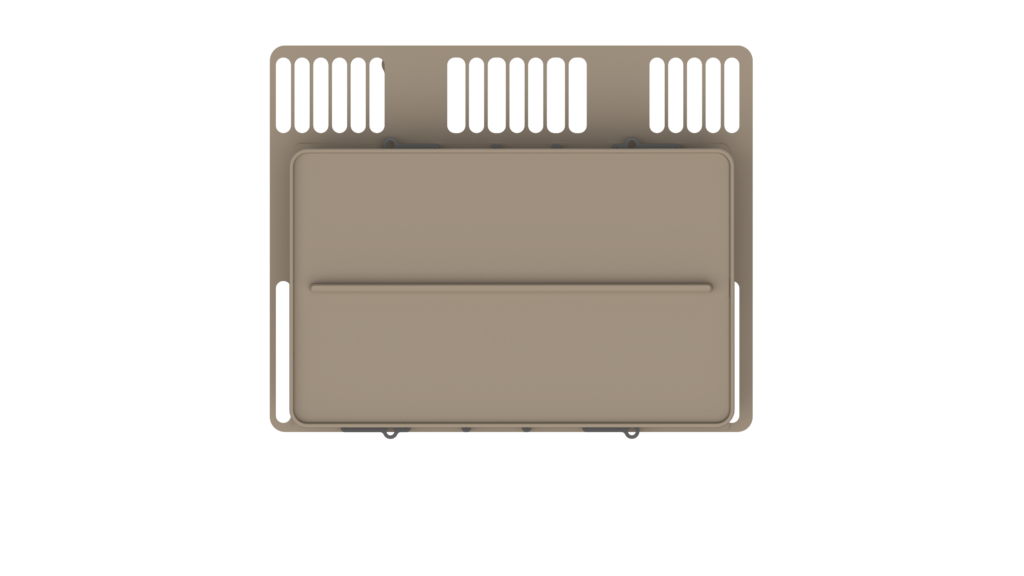
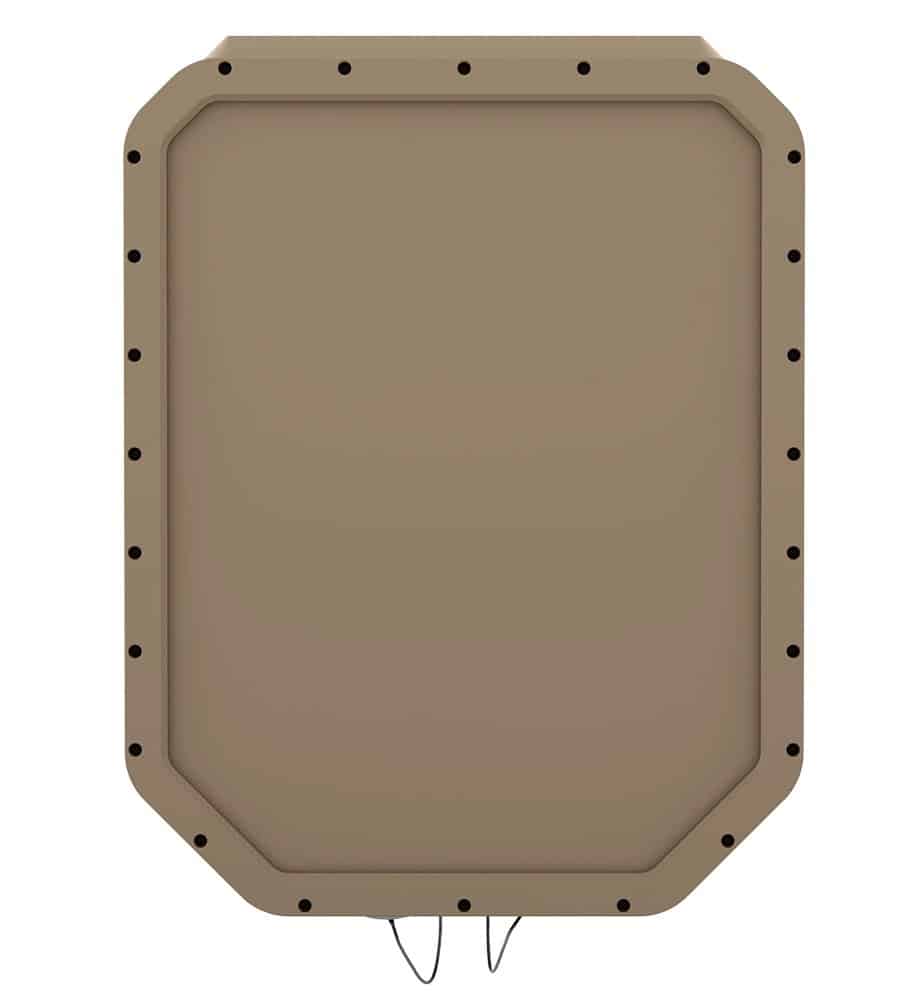
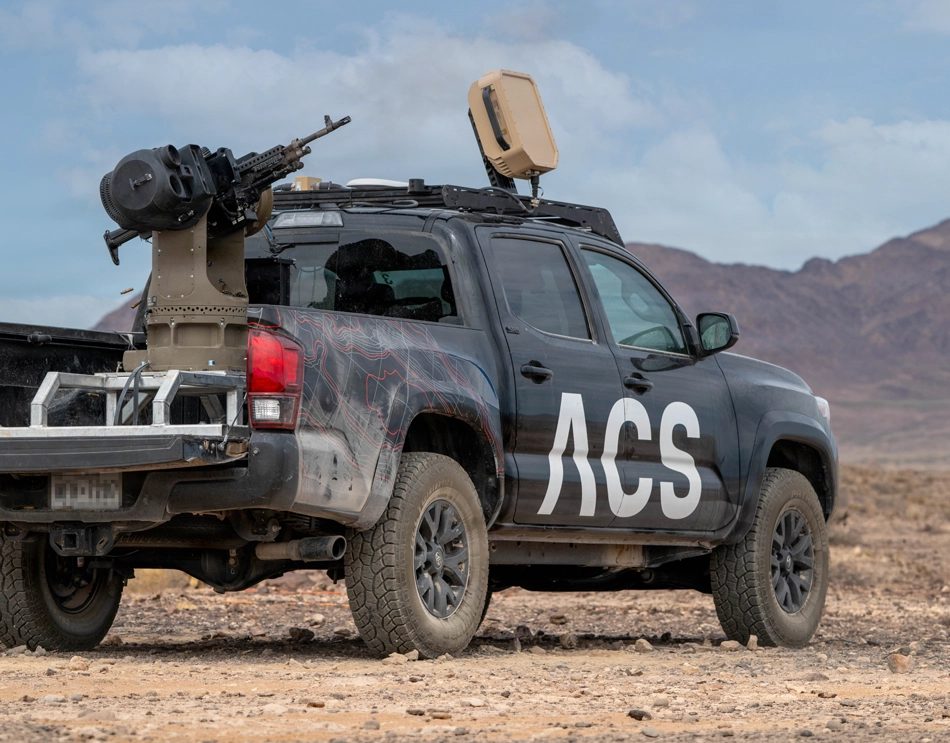
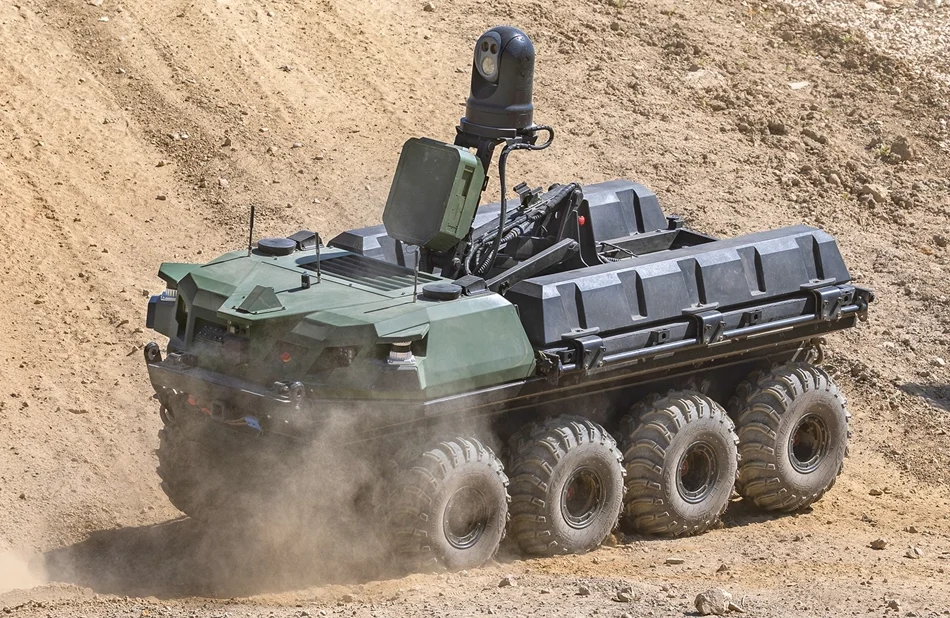
KONGSBERG has selected Echodyne‘s Metamaterials Electronically Scanned Array (MESA) radar platform to bolster the detection, tracking, and targeting performance of its remote weapon systems across various air and surface missions.
The initial integration pairs Echodyne’s compact, solid-state radar with KONGSBERG’s widely fielded PROTECTOR RS4 and RS6 remote weapon stations (RWS). This integration adds high-fidelity radar tracking to turn the weapon station architecture into a scalable Counter-Unmanned Aircraft System (C-UAS) effector suitable for deployment on static, crewed, and uncrewed platforms without adding significant size, weight, and power demands.
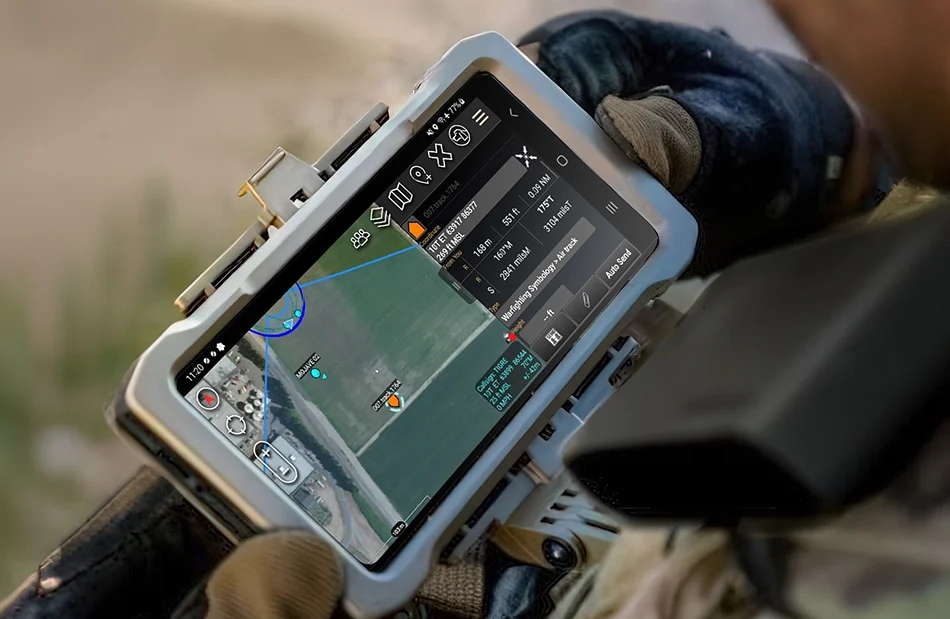
By supplying continuous kinematic data including range, range-rate, and bearing, the low-SWaP radar stabilizes and cues the weapon station’s optical fire-control system. This precision allows the platform to maintain a stable target lock, shorten the time between initial detection and engagement, and increase hit probability against small or agile drone threats.
Eben Frankenberg, CEO of Echodyne, said, “KONGSBERG has set the standard for remote weapon systems through decades of field experience, disciplined engineering and close collaboration with operators. Integrating MESA radar gives the PROTECTOR family the precise, stable and persistent tracks needed to cue the fire-control system, sustain target lock and act decisively against fast-moving, low-signature drone threats. Just as important, MESA delivers that performance in a compact, software-defined package that can scale across a large installed base and adapt as the threat evolves.”
The accuracy provided by the sensor integration is especially critical when running engagements with programmable airburst munitions, where tight timing determines effective detonation along a target’s trajectory. Furthermore, the architecture supports networked operation: external search radars or cooperative sensors can pass broader air picture data to the local radar, which then refines and sustains the track to execute a firing solution before retargeting.
Selection of the technology follows several years of multi-year field testing and integration work designed to demonstrate capabilities in real-world environments. Moving forward, both organizations plan to continue joint technical development focused on resilient sensing, networked fire control, and expanding radar applications across additional air and surface defense platforms.