



Radar platform developer Echodyne and defense precision robotics company ACS have signed a Strategic Collaboration Agreement to accelerate the development, demonstration, and deployment of integrated Counter-Unmanned Aircraft System (C-UAS) solutions.
The agreement follows the recent announcement of awards to each company from Joint Interagency Task Force 401 for Domestic Shield, the JIATF-401 C-UAS Marketplace, and other counter-drone requirements. It establishes cooperation across Echodyne’s commercial C-UAS radar hardware and software roadmaps and ACS’s Bullfrog robotic weapon station capabilities.
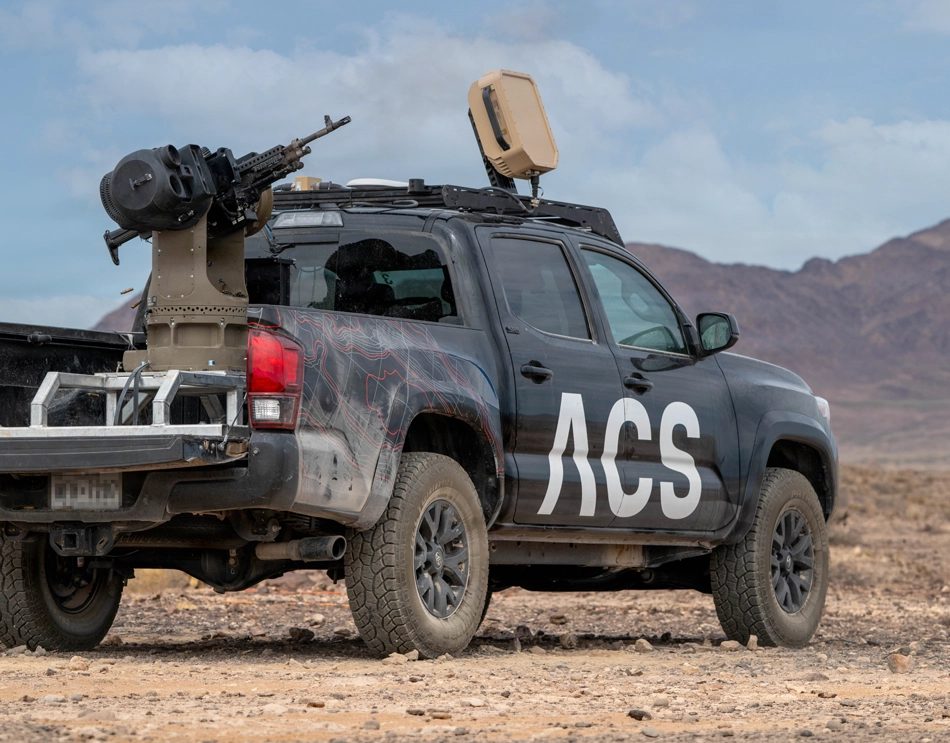
Following the successful integration of Echodyne’s EchoShield radar with Bullfrog, the collaboration will focus on further developing the combined technology for counter-UAS applications. Bullfrog combines computer vision, autonomous control, and precision robotics with existing weapon systems to detect, track, identify, and engage unmanned threats. Pairing commercially manufactured radar with standard-issue weapons and ammunition is intended to provide an affordable, scalable kinetic defense capability without the recurring costs and limited magazine depth associated with specialized missile interceptors.
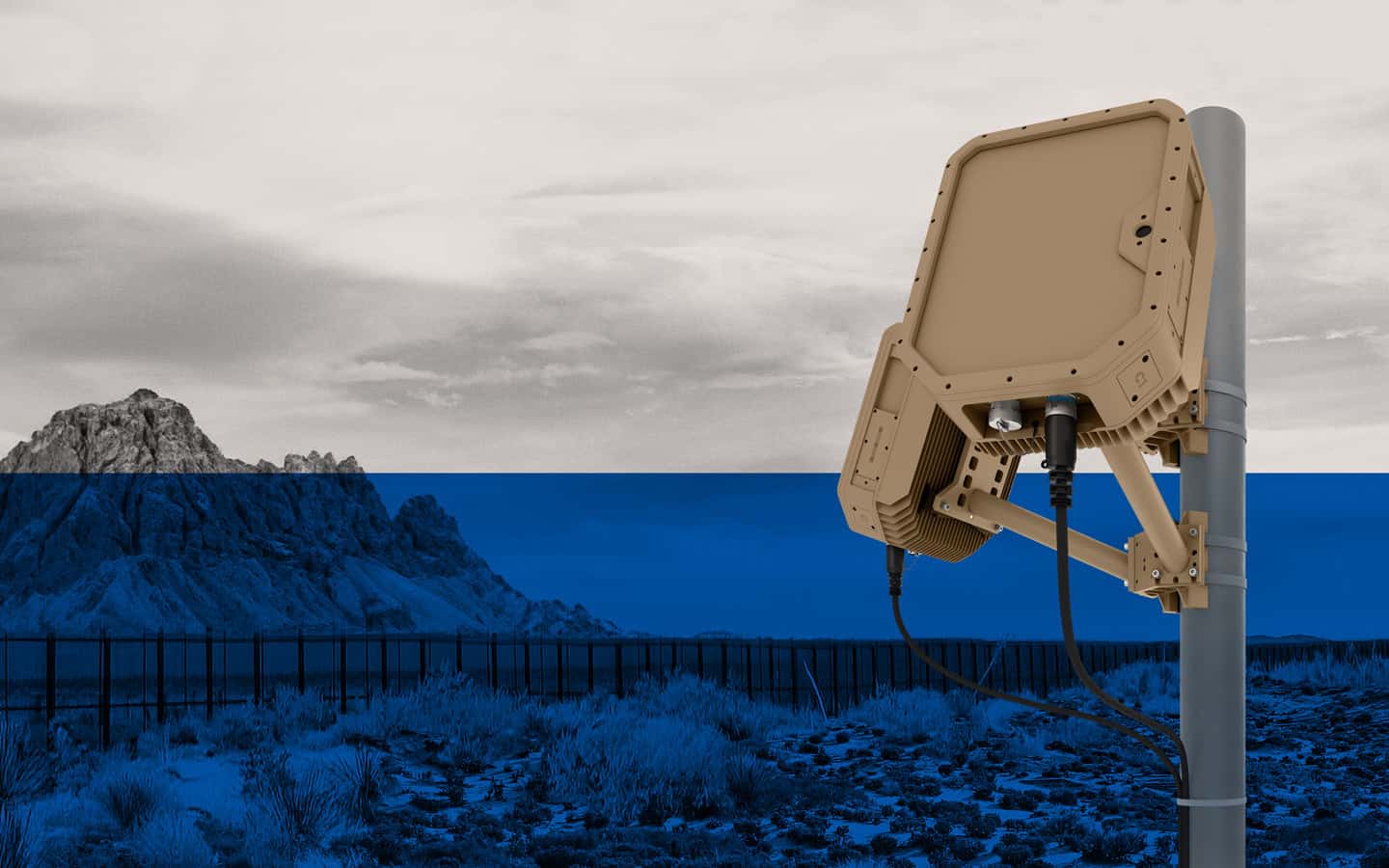
EchoShield contributes precise location and velocity data across a wide range of drone types and flight profiles, providing persistent airspace positional information to support Bullfrog’s targeting capabilities. This supports earlier threat awareness and faster target acquisition while helping the system rapidly orient sensors, maintain custody of maneuvering targets, and develop effective firing solutions. The integration also supports ACS’s approach to combining multiple sources of high-quality sensor data to improve weapon system performance, increasing the time available to assess and defeat incoming threats.
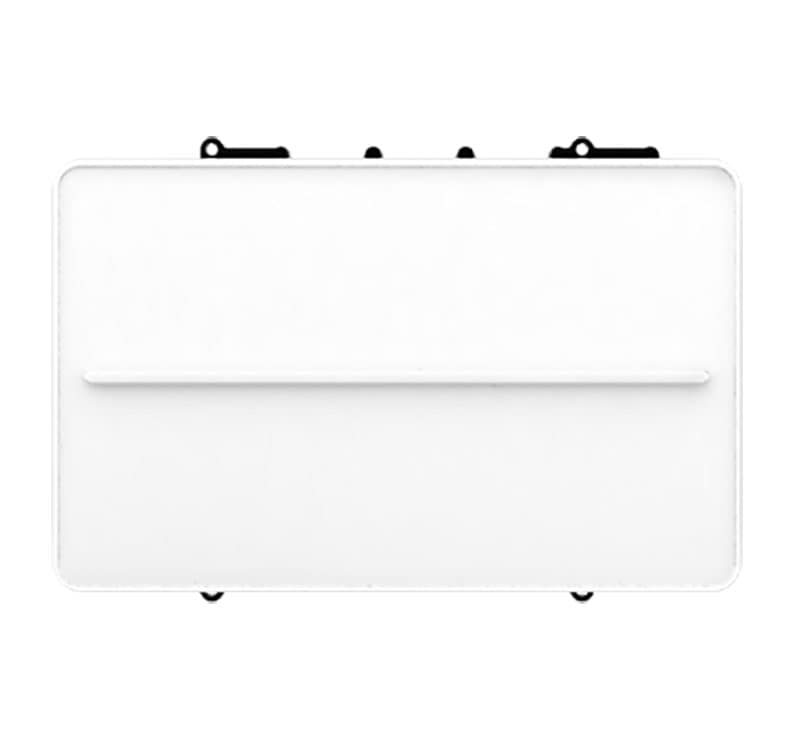
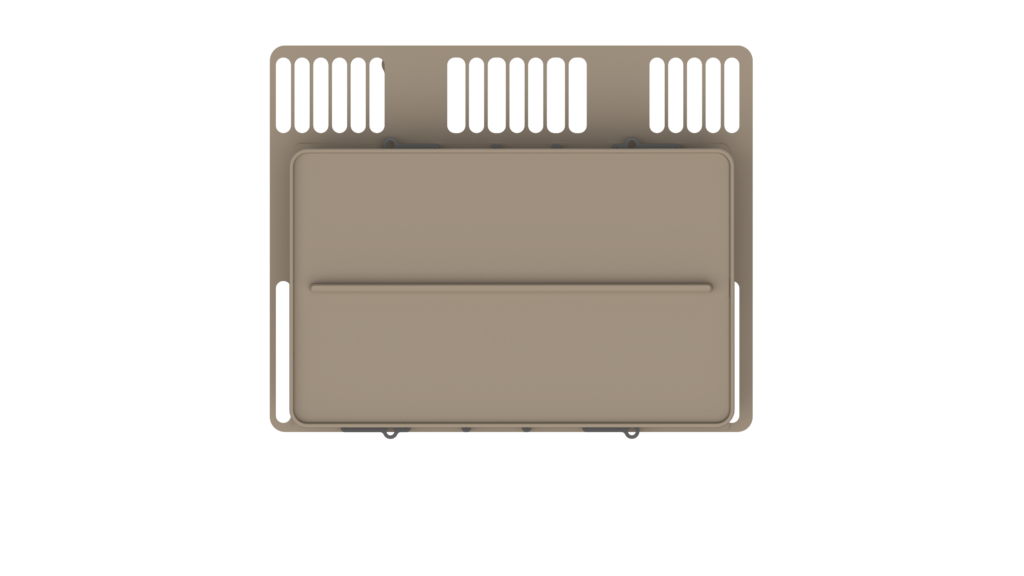
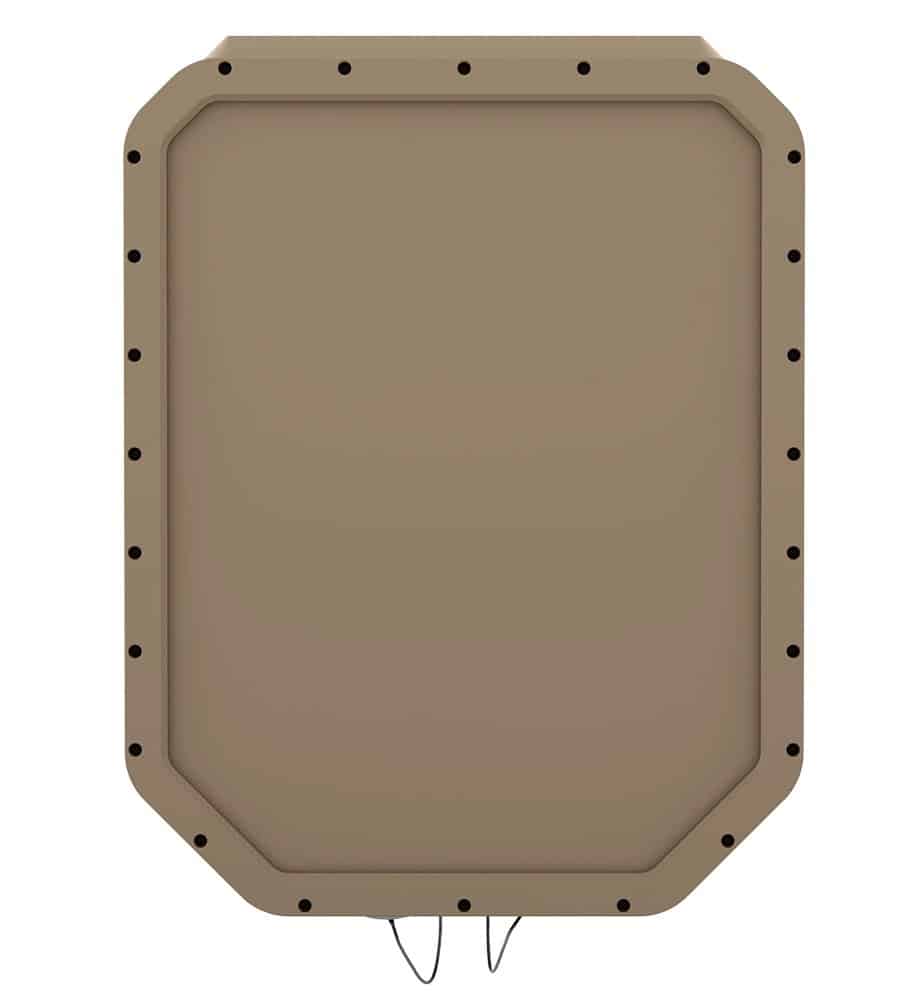
Echodyne’s patented MESA radar architecture delivers electronically scanned array performance in compact systems designed for low size, weight, power, and cost. EchoShield is a commercial-off-the-shelf radar manufactured using commercial materials, processes, and supply chains. Its open interfaces enable radar data to flow directly into Bullfrog and broader command-and-control (C2) platforms.
Eben Frankenberg, CEO of Echodyne, commented, “Counter-UAS effectiveness begins with data quality. Bullfrog brings together advanced robotics, AI, and widely available weapons to solve one of the most urgent challenges facing defense forces today. Combining ACS’s autonomous weapon station with the precision of EchoShield radar creates a highly capable and economically scalable solution for the United States and allied customers operating across land and maritime domains.”
Maritime defense represents another important area of the collaboration. Bullfrog’s compact architecture supports operation aboard crewed and uncrewed platforms, making it suitable for applications involving the protection of distributed maritime forces and coastal infrastructure. EchoShield is also increasingly being integrated aboard uncrewed surface vessels for maritime awareness and C-UAS missions, where compact dimensions, low power consumption, on-the-move performance, and precise multi-domain tracking are important requirements.
The combined solution links the detection and tracking of aerial and surface activity with Bullfrog’s precision robotics, providing maritime platforms with an integrated sensor-to-effector capability that enables operators to respond rapidly.
Mike Wior, co-founder and CEO of ACS, said, “Bullfrog was designed to transform existing weapons into precise, autonomous defense systems and to fuse the best available data into every engagement. Echodyne’s commercial radar technology provides the accurate, high-fidelity track data needed to identify threats earlier, maintain custody, and deliver effective kinetic outcomes. Our partnership also enables on-the-move defense, helping protect warfighters against drone threats while they maneuver. Together, we are creating a scalable solution that gives warfighters greater awareness, more decision time, and an affordable way to defeat drones at operational scale.”
The companies will continue integrated testing and participate in U.S. Department of War demonstration events to evaluate the combined system under representative operational conditions. These activities are expected to inform further product integration and support customer requirements across fixed-site, mobile, expeditionary, and maritime missions.
The collaboration brings together the companies’ approaches to open architectures, commercial manufacturing, and rapid technology integration, with a focus on delivering affordable counter-UAS capabilities at operational scale.