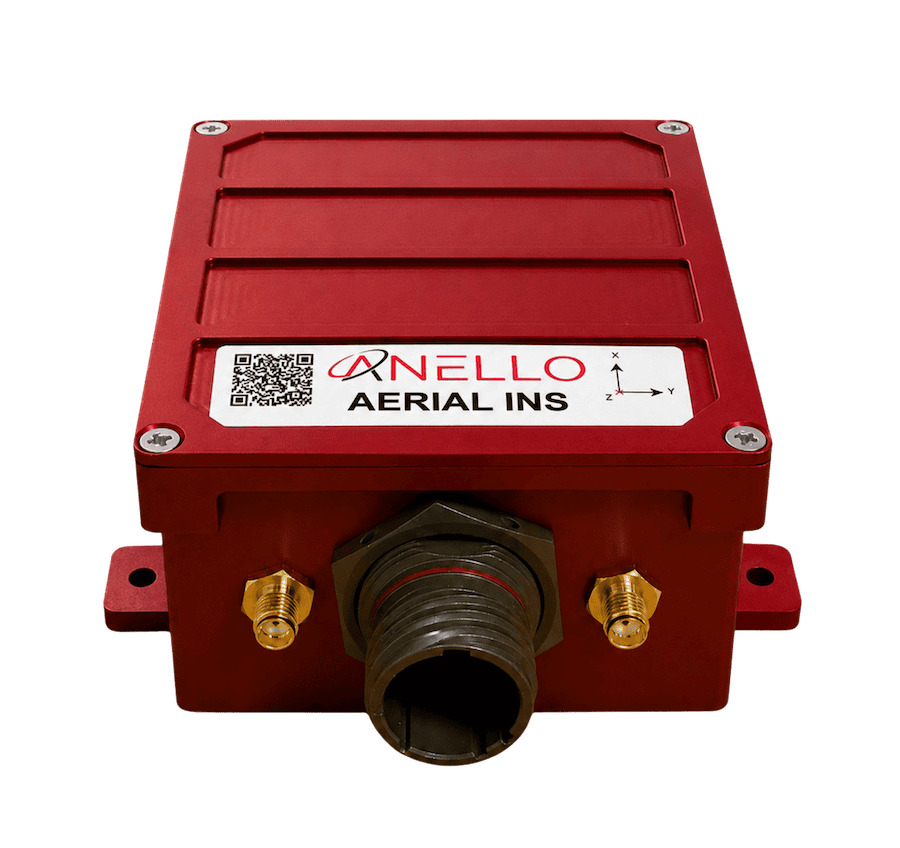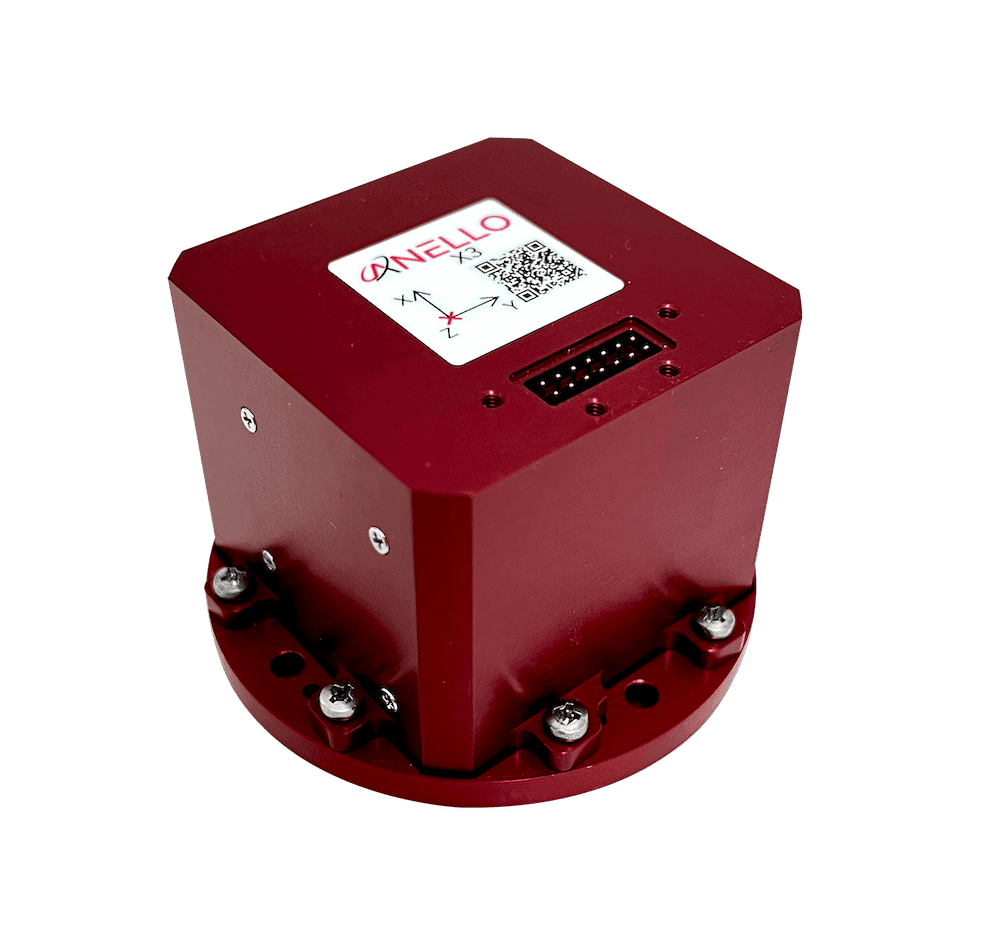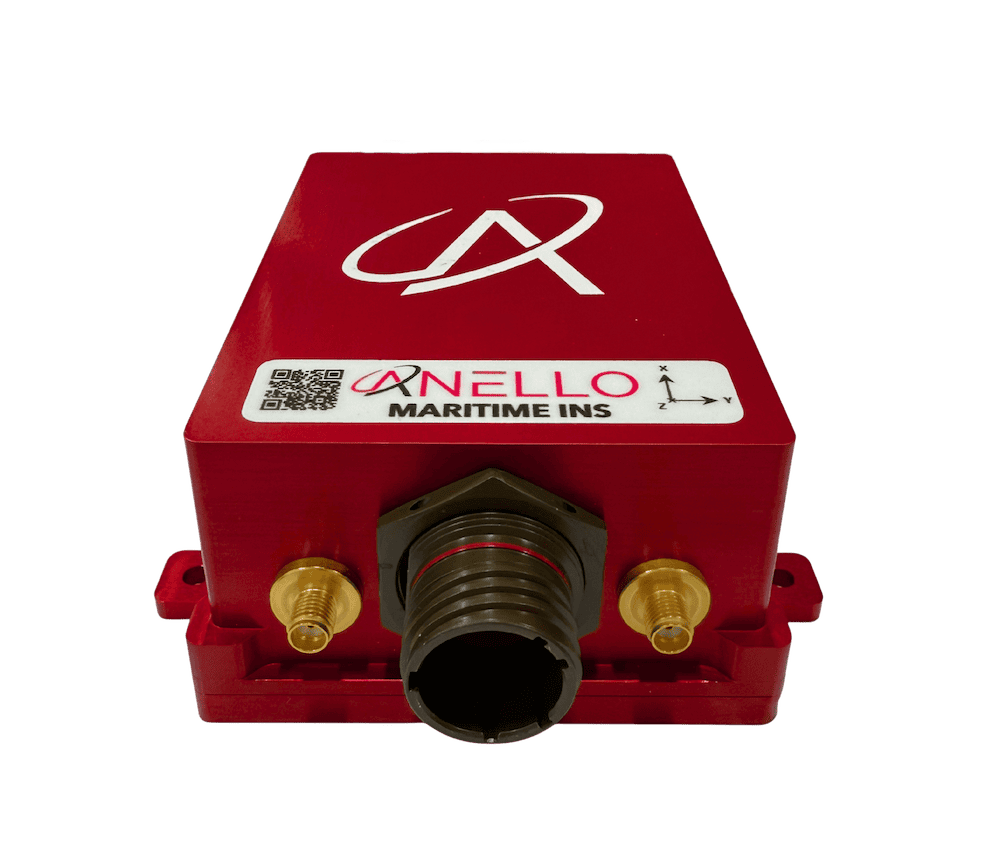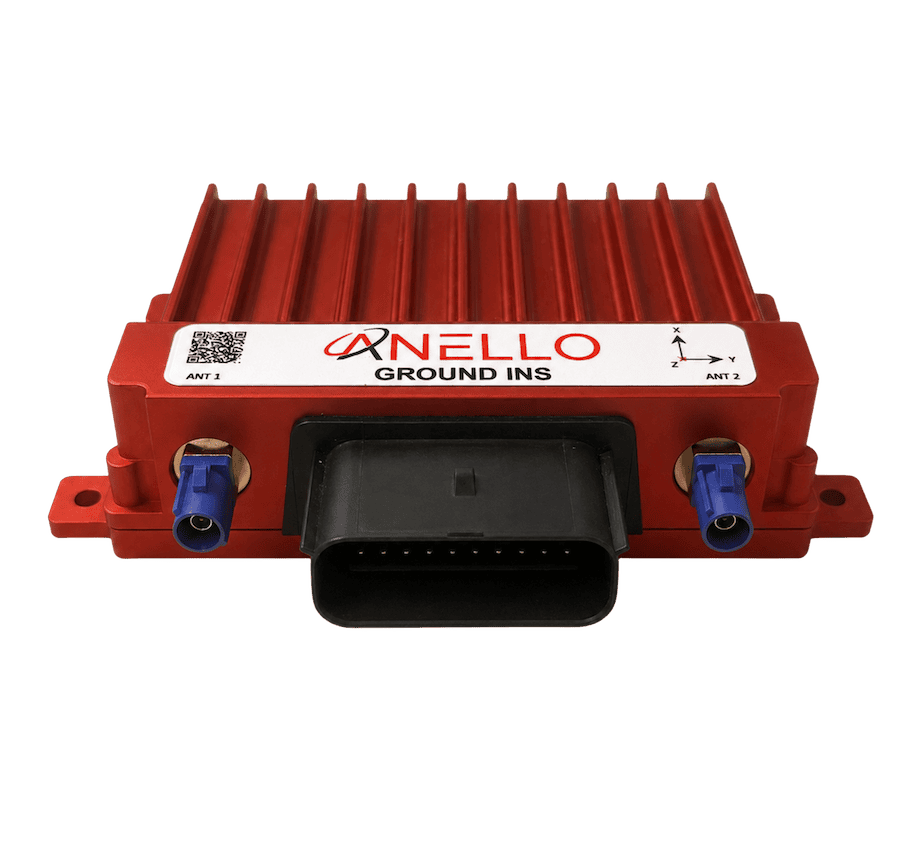




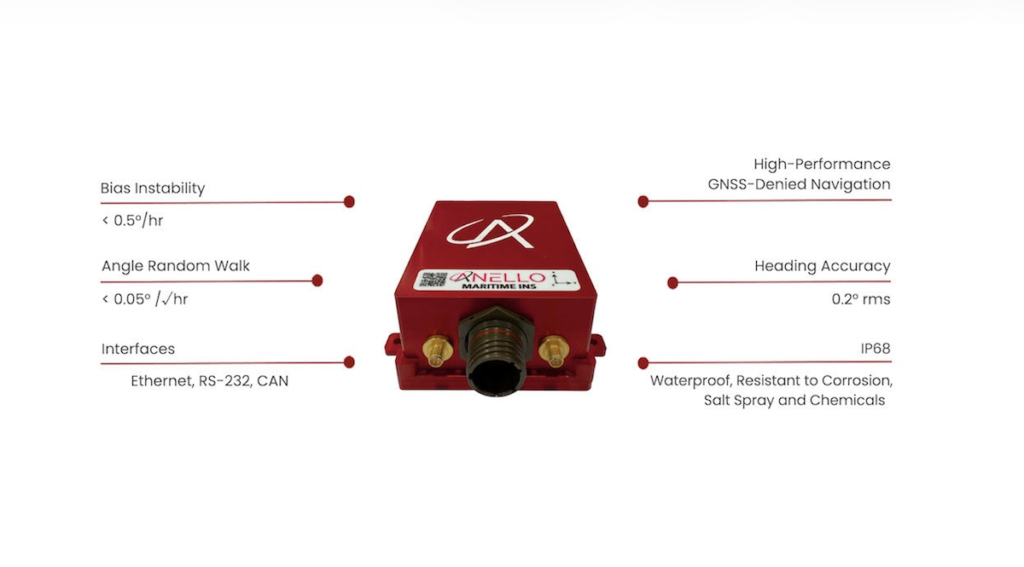
ANELLO Photonics’ Maritime INS delivers accurate navigation and heading performance for unmanned and autonomous maritime platforms operating in GNSS-challenged and GNSS-denied environments.
In this Q&A with Defense Advancement, Dr. Kirstin Schauble, Vice President of Systems Engineering at ANELLO Photonics, discusses how the Maritime INS combines SiPhOG inertial sensing, AI-powered sensor fusion, dual triple-frequency GNSS, and spoofing detection to maintain reliable navigation in contested maritime environments.
How does the Maritime INS maintain navigation performance for naval ASVs and AUVs operating in GNSS-denied environments?
 The ANELLO Maritime INS combines 3-axis SiPhOG inertial sensors with ANELLO’s Sensor Fusion Engine and GNSS spoofing detection to maintain accurate heading and positioning during GNSS-challenged and GNSS-denied operations. When GNSS signals are unavailable, the system continues providing a high-rate dead-reckoning solution using high-precision SiPhOG inertial measurements and calibrated speed aiding.
With <0.5°/hr unaided heading drift, how does the system support extended operations when GNSS signals are unavailable?
Operators can expect <0.5°/hr unaided heading drift from the ANELLO SiPhOG. During complete GNSS denial, positional drift depends on outage duration, vessel dynamics, and the available aiding inputs.
For a representative Unmanned Surface Vessel (USV) configuration relying solely on a paddle wheel speed sensor and operating at speeds above 10 knots, positional drift is typically around 1–2% of the total distance traveled. When augmented with a Doppler Velocity Log (DVL) providing accurately calibrated ground-speed measurements, this drift can be reduced to approximately 0.1–0.2% of the distance traveled.
Additional performance data and operational context are available in the Maritime INS case study on the ANELLO website.
How does the AI Sensor Fusion Engine detect and mitigate GNSS spoofing?
ANELLO’s GNSS spoofing detection capability was developed using extensive real-world spoofing data, including maritime exercises and operational deployments. Because the Maritime INS combines high-precision inertial sensing with an accurate dead-reckoning solution, it can continuously cross-check incoming GNSS measurements against inertial position, velocity, and heading data.
When anomalous behavior is detected, the system can de-weight or reject suspect GNSS inputs while maintaining navigation continuity through trusted inertial dead reckoning.
What operational advantages does the dual triple-frequency, multi-constellation GNSS architecture provide, particularly in terms of static heading capability?
The Maritime INS uses dual triple-frequency, multi-constellation GNSS receivers to access more satellites, greater signal diversity, and improved resilience against interference, multipath, and jamming.
Access to L1, L2, and L5 signals enhances GNSS availability in challenging RF environments, as L5 signals may remain accessible even when L1/L2 bands are degraded or jammed. Dual-antenna heading also enables precise heading initialization without relying on a magnetometer or requiring vessel maneuvering to derive heading from single-antenna GPS course-over-ground measurements.
How has the Maritime INS been engineered to withstand heavy shock, vibration, corrosion, and salt spray in maritime environments?
The ANELLO Maritime INS was engineered and tested for harsh saltwater environments. It features an IP68-rated enclosure, corrosion-resistant materials, an anodized aluminum housing, and a robust MIL-DTL-38999 connector.
Its resistance to salt spray, chemicals, shock, and vibration makes it well suited for long-duration deployment on USVs, Autonomous Underwater Vehicles (AUVs), and other demanding marine platforms.
How does the system deliver reference-grade 100 Hz position, velocity, and attitude output while maintaining power consumption below 6 W?
Historically, navigation teams often had to choose between the performance of larger optical systems and the SWaP advantages of lower-cost MEMS solutions. The ANELLO SiPhOG bridges that gap by delivering high-precision optical gyro performance in a compact, lightweight, and low-power package.
The result is a reference-grade 100 Hz position, velocity, and attitude solution featuring dual triple-frequency GNSS, dual-antenna heading, and open-standard interfaces including Ethernet, CAN, serial, NMEA 0183, and NMEA 2000, all while consuming less than 6 W of power.
Thank you for your time. We look forward to following the continued development of ANELLO Photonics’ Maritime INS and inertial navigation technologies for GNSS-denied and autonomous maritime operations.