Kollmorgen develops frameless servo motor solutions that allow system designers to meet demanding requirements for performance, environmental adaptability, and cost efficiency. Read more >>
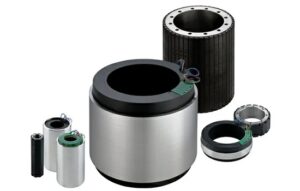
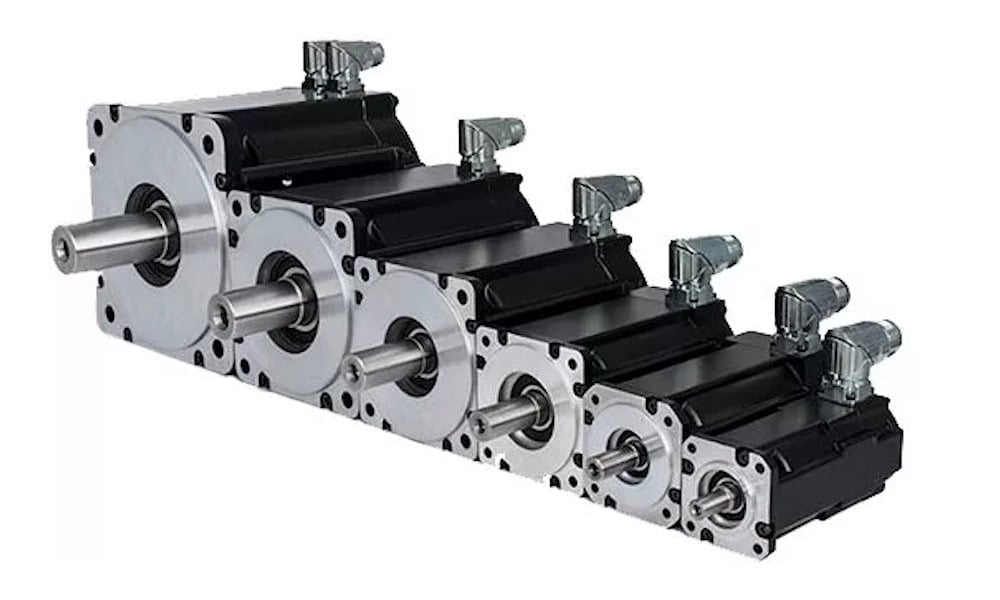
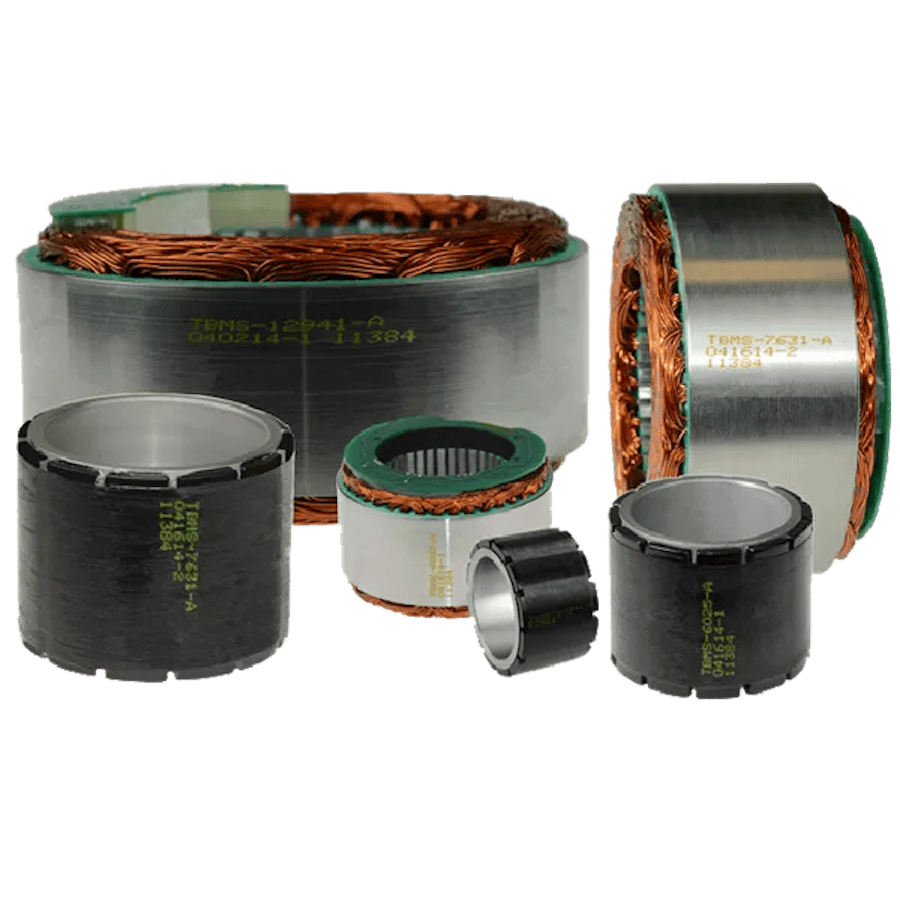
KBM™ Series Frameless Motors by Kollmorgen.
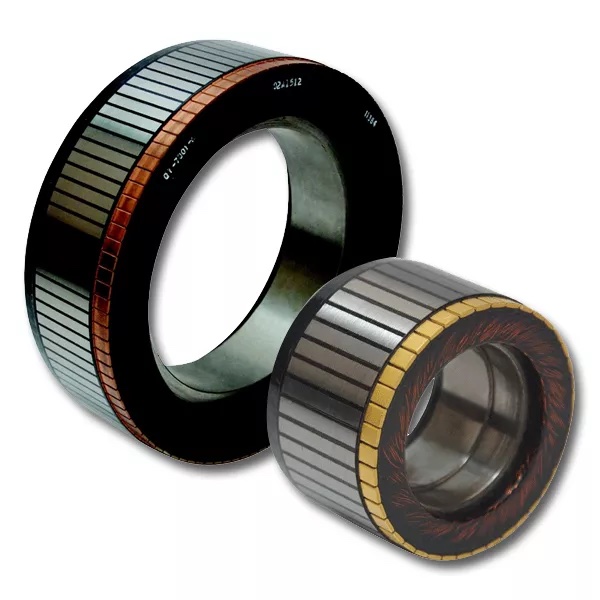
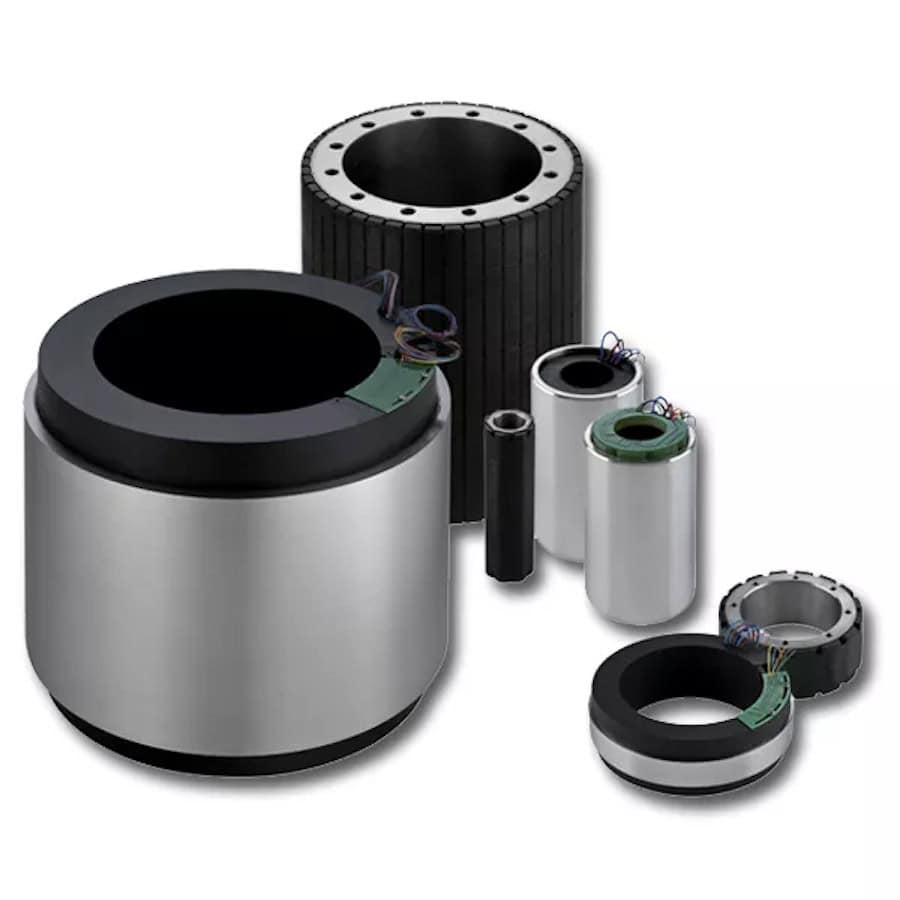
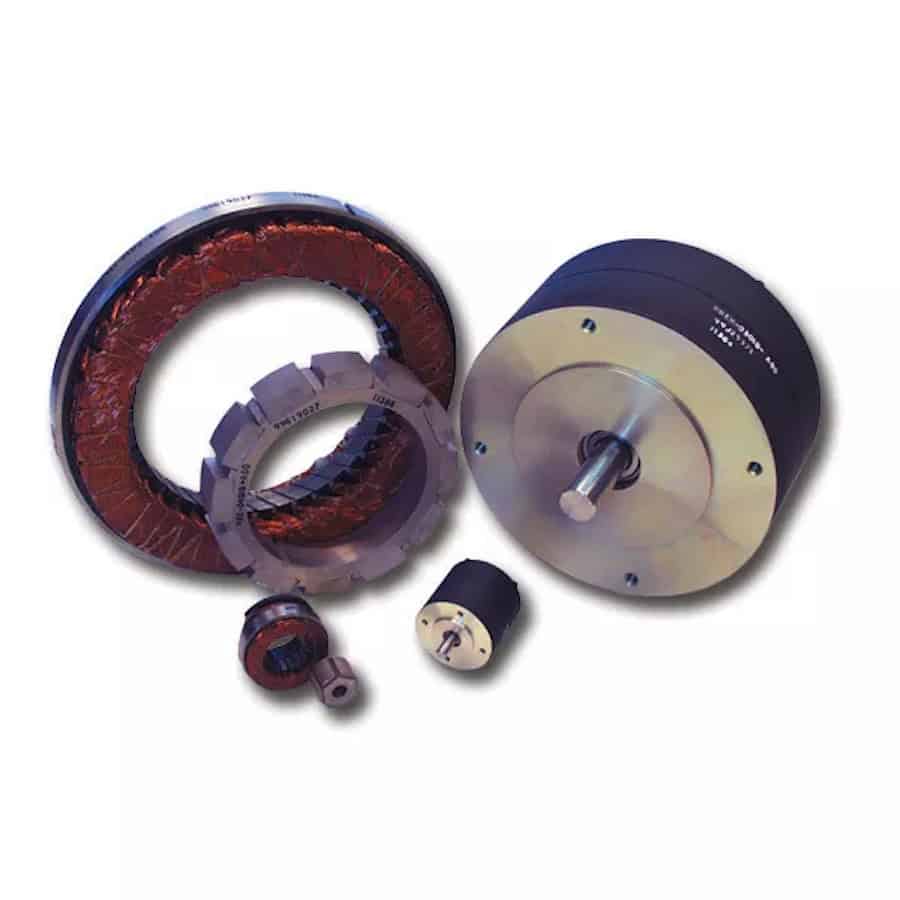
By supplying rotor and stator assemblies that integrate directly into actuators, Kollmorgen enables motion components to become part of the machine architecture itself. This approach offers distinct advantages over conventional housed motors when customization and system-level optimization are required.
A key benefit of frameless motor design is improved performance. When the motor is mounted directly onto a rotating shaft, system inertia is reduced. Lower inertia decreases the torque needed for acceleration and deceleration, resulting in shorter move and settling times and increasing overall system bandwidth. Frameless motors are available with winding options similar to standard designs and can also be customized to optimize performance, providing machine builders with opportunities to differentiate their systems from conventional approaches.
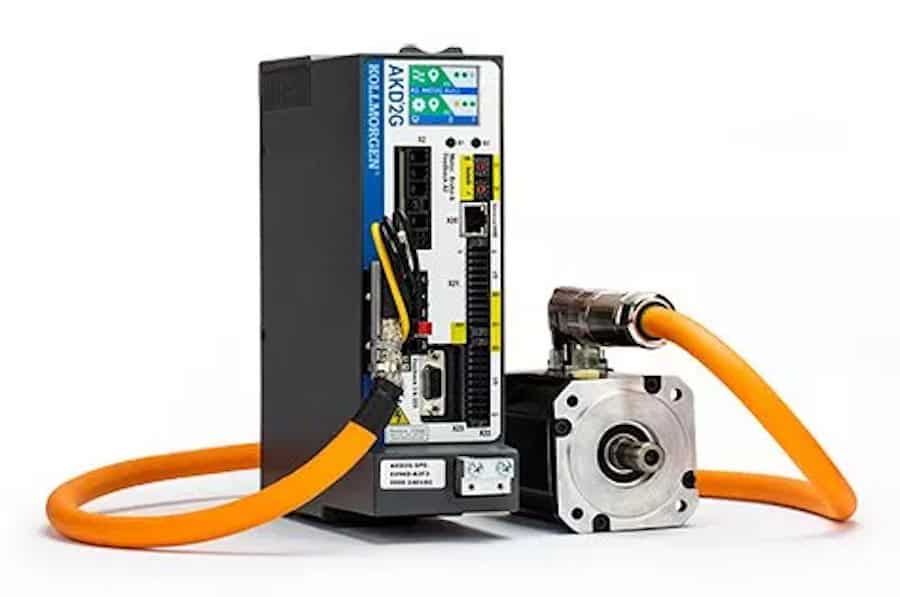
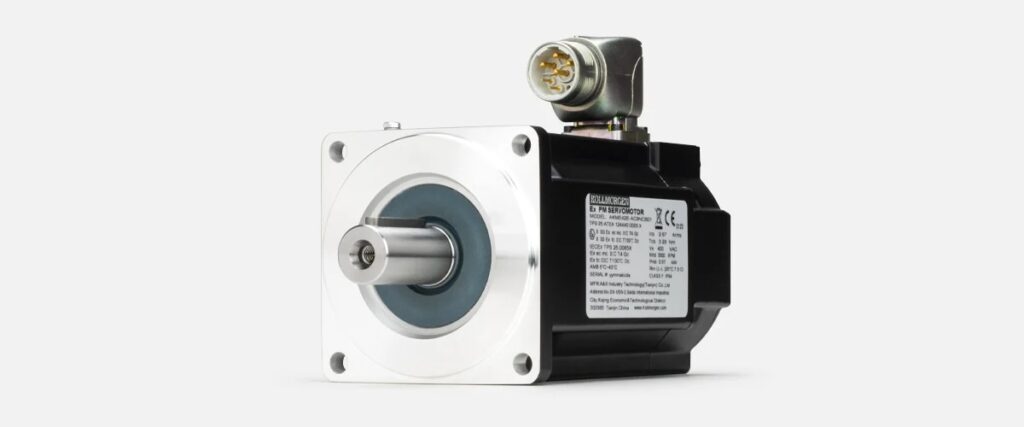
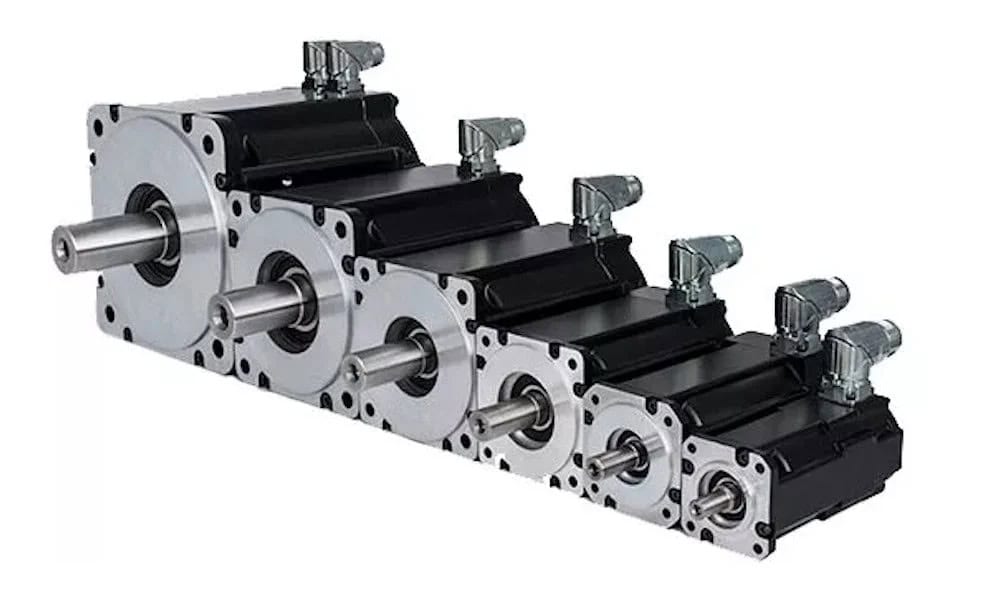
Performance, however, is only one factor. Many applications require equipment to operate under challenging conditions. A standard housed motor is generally suitable for industrial environments involving dust and heat, but specialized systems may encounter extreme cold, high temperatures, vacuum, radiation, or corrosive washdowns. In these situations, the incorporation of a frameless motor into a sealed housing that is already needed for other mechanical or environmental reasons can help simplify the overall design while ensuring the motor meets specific operating requirements.
In addition to performance and environmental considerations, frameless servo motors can also benefit a system builder’s long-term business model. Because the motor becomes a proprietary part of the machine assembly, end users must obtain replacements and spares directly from the original builder. This helps secure aftermarket revenue throughout the life of the system, a factor that is often overlooked during initial design.
Another advantage lies in intellectual property protection. A customized frameless motor design can deliver unique capabilities that may be patentable or more easily safeguarded. For manufacturers, this provides added protection for critical innovations.
Cost reduction further supports the case for frameless designs. Eliminating standard housing elements that are unnecessary for a specific application can lower unit cost, even when customization is factored in. Features such as sealing, connectorization, or feedback can be integrated into the machine assembly itself, reducing the need for additional housings, couplings, and bearings. This integration lowers system complexity and contributes to more efficient machine construction.
When selecting motion solutions, designers must weigh performance, environmental conditions, and long-term operating requirements. A frameless motor integrated into a machine can provide a competitive advantage over conventional housed solutions. With extensive expertise in motor design and integration, Kollmorgen acts as an extension of its customers’ engineering teams, supporting the development of tailored solutions that align with both immediate performance goals and long-term operational needs.