




Showcase your capabilities
If you design, build or supply Tactical UAS, create a profile to showcase your capabilities and connect with visitors who have an active requirement for your solutions.




Tactical Unmanned Aircraft Systems (UAS) play a vital role in modern military operations, providing real-time intelligence, surveillance, and reconnaissance (ISR) in combat and support missions. These drones are engineered for short-range deployment, rapid mobility, and adaptability in dynamic tactical environments.
Read the Technology Overview


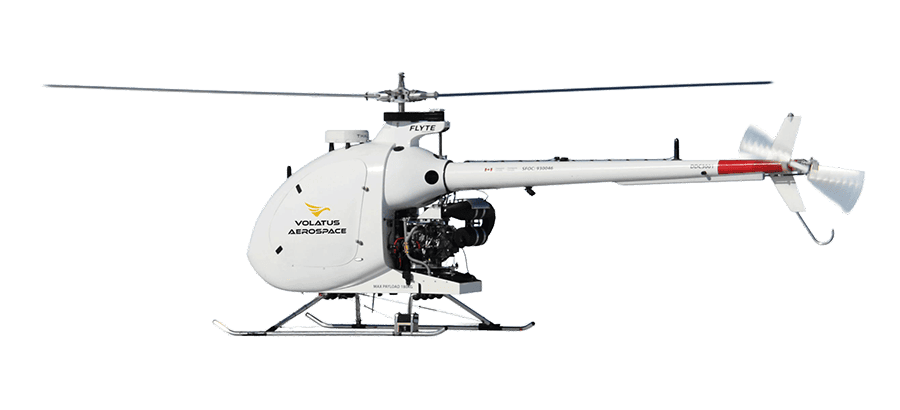
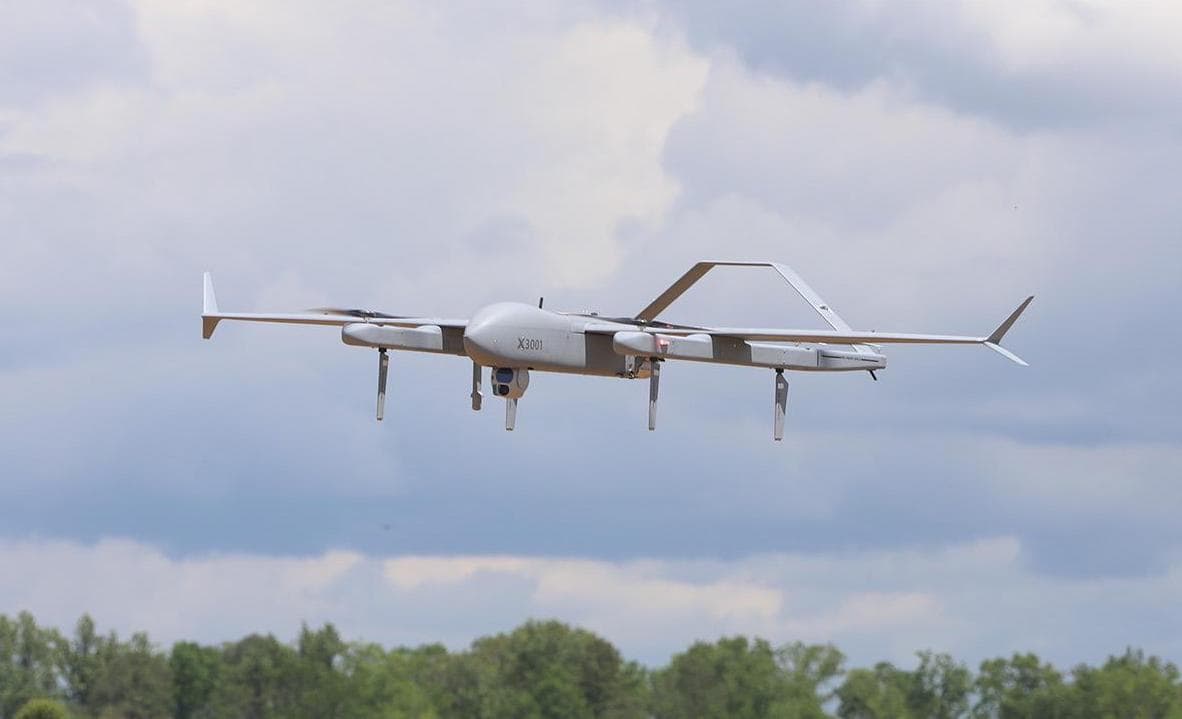
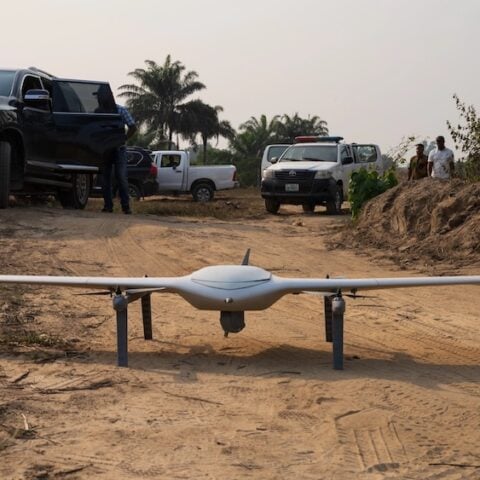
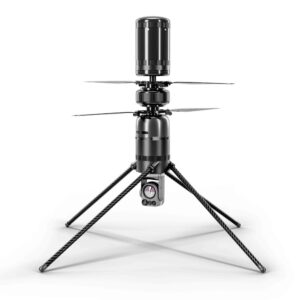
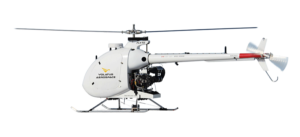
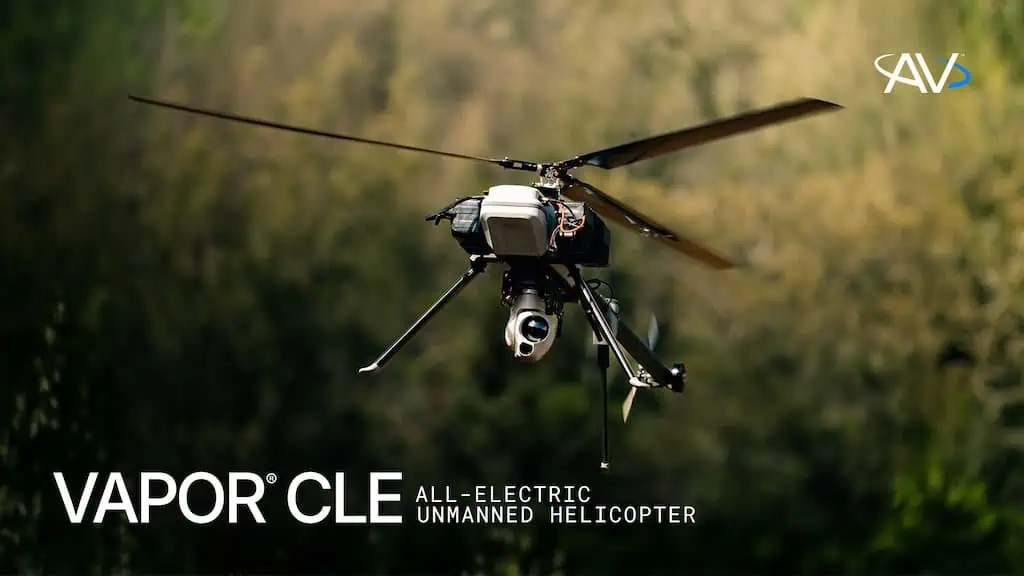
Compact UAS & Heavy-Lift Rotorcraft for Military ISR & Logistics Operations

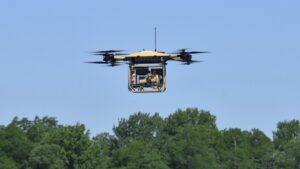
Developing & Delivering A Range of Uncrewed Air Systems for Both Military & Commercial Applications

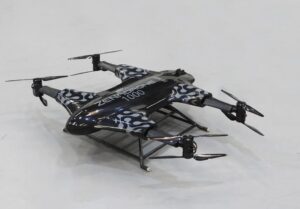
Autonomous UAV Platforms & Drone Services for Military, Government, Security & Emergency Response

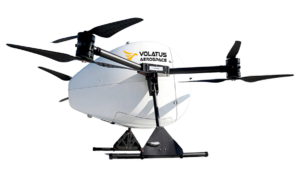
Unmanned Aerial Systems for Military & Defense Applications, from Mission-Critical ISTAR to Battlefield Logistics

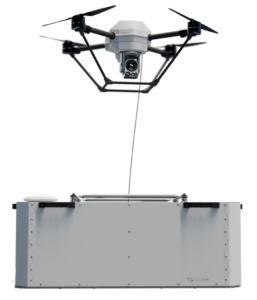
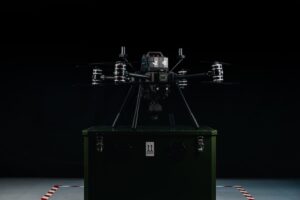
Cutting-Edge Tethered Drone Solutions for Mission-Critical Defense & Security Applications

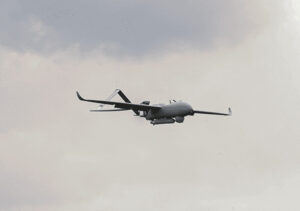
Cutting-Edge Defense Technologies Empowering The Warfighter On The Modern Battlefield

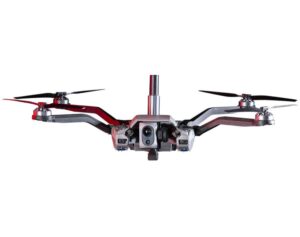
Advanced American-Made Drone Technologies for Aerial ISR (Intelligence, Surveillance & Reconnaissance)

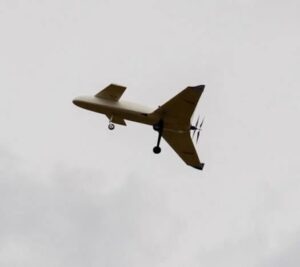
Manufacturer & Systems Integrator of Deployable Systems for Military, Government & Security Applications

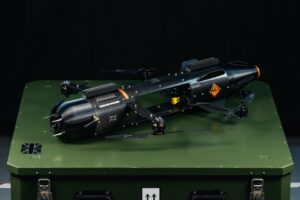
UK Sovereign Autonomous Uncrewed Systems for Defence, Security & Critical Infrastructure

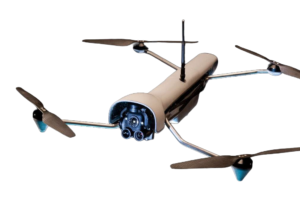
Mission-Ready, Blue UAS-Cleared & NDAA-Compliant Platforms for Defense, Government, and Security Operations

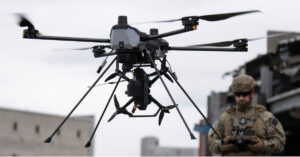
Tactical UAS Platforms for Mission-Critical Military, Defense & Law Enforcement Applications

If you design, build or supply Tactical UAS, create a profile to showcase your capabilities and connect with visitors who have an active requirement for your solutions.

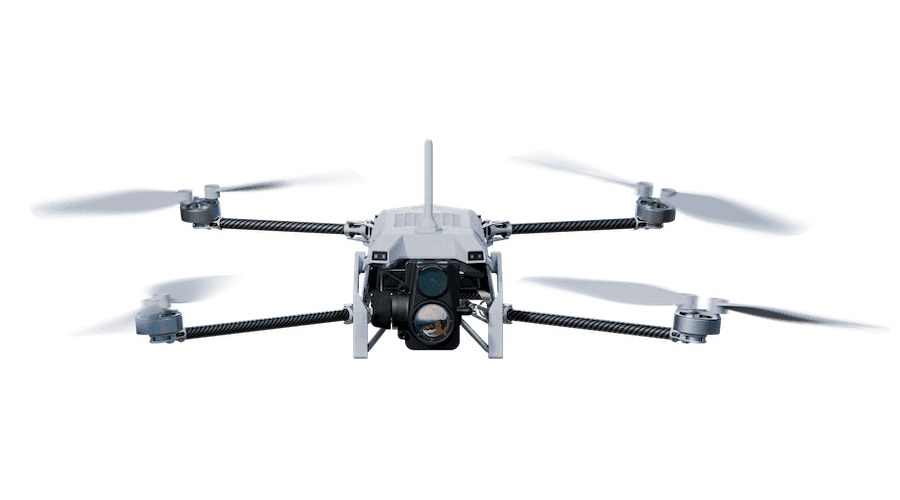
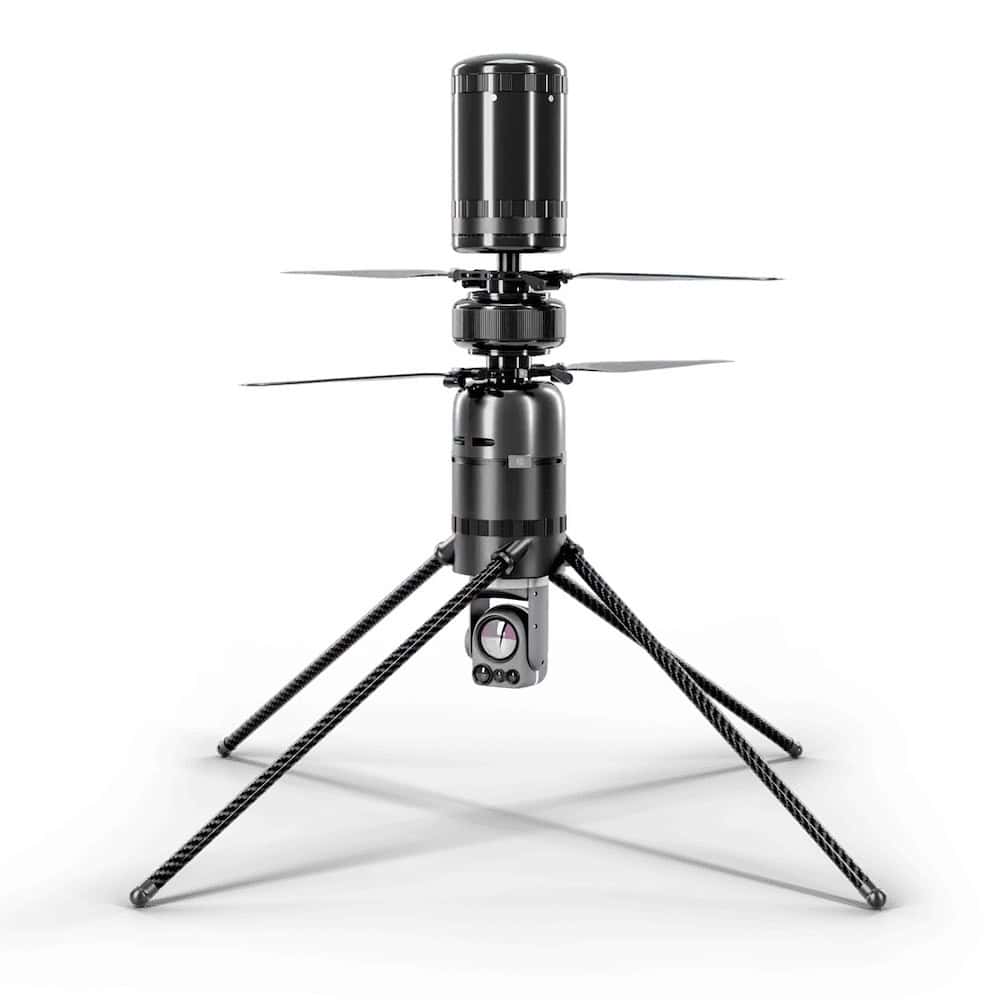
Tactical UAS are compact, field-deployable unmanned aerial systems designed for use at the brigade, battalion, or smaller unit level. Unlike strategic or long-range platforms, tactical UAS are optimized for short- to medium-range operations that require rapid launch, precise sensor data acquisition, and immediate real-time intelligence. Often classified as DoD group 2 or 3, these systems provide essential support in target tracking, battlefield awareness, and mission planning, whether through autonomous navigation or remote control via ground control stations. Their payloads include multi-spectral cameras, gimbals, GPS modules, and electronic warfare sensors, supporting both day and night operations. Tactical UAS are also integral to border security, special forces missions, and close air support, making them indispensable tools in contemporary defense applications.
Tactical Unmanned Aircraft Systems (UAS) are military-grade aerial platforms specifically engineered for short- to medium-range missions in the tactical battlespace. These systems include not just the aircraft itself but also ground control stations, launch and recovery mechanisms, data links, and support equipment. Tactical UAS operate typically within UAS Groups 2 and 3 classifications, with a maximum takeoff weight ranging from 21 to 1,320 pounds and capable of operating below 18,000 feet at airspeeds of less than 250 knots.
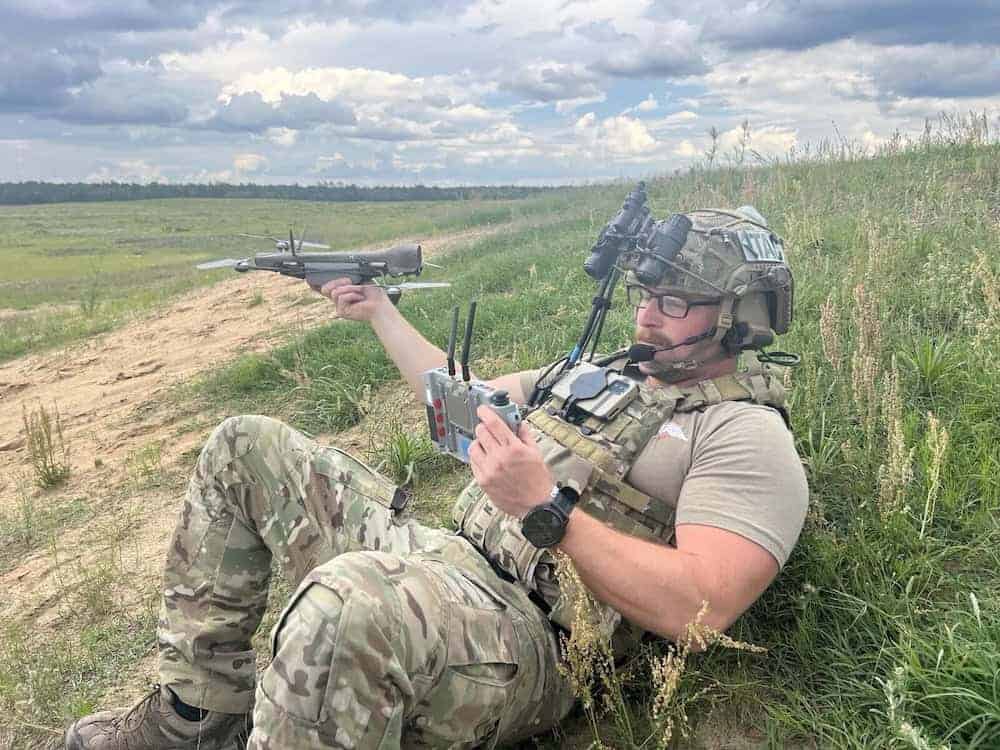
Unlike strategic UAS platforms used for long-endurance missions at the theater level, tactical UAS are deployed closer to the frontlines. They support infantry units, special operations forces, and armored divisions by delivering real-time ISR (Intelligence, Surveillance, Reconnaissance), target acquisition, and combat support. Many of these systems can be launched from handheld devices, catapults, or vehicle-mounted rails, making them highly versatile for rapid deployment.

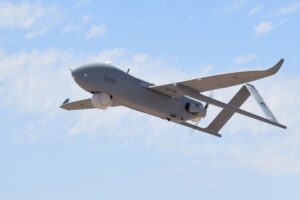
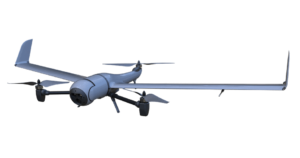
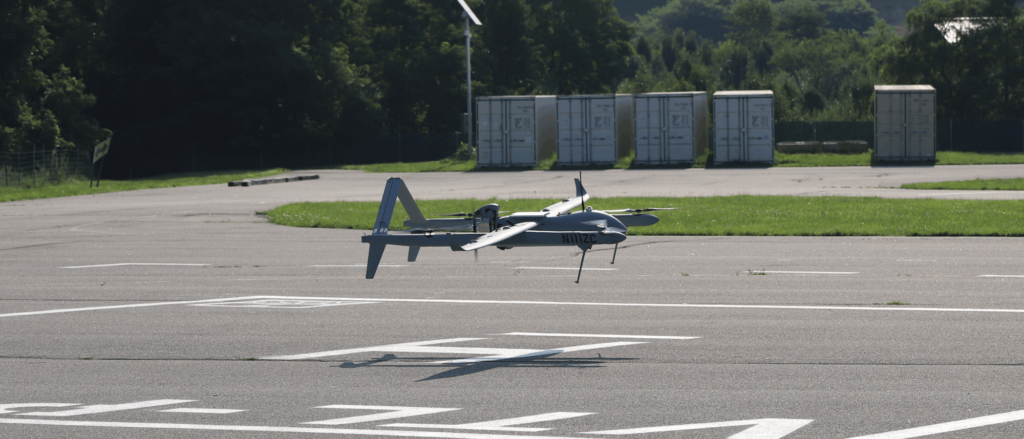
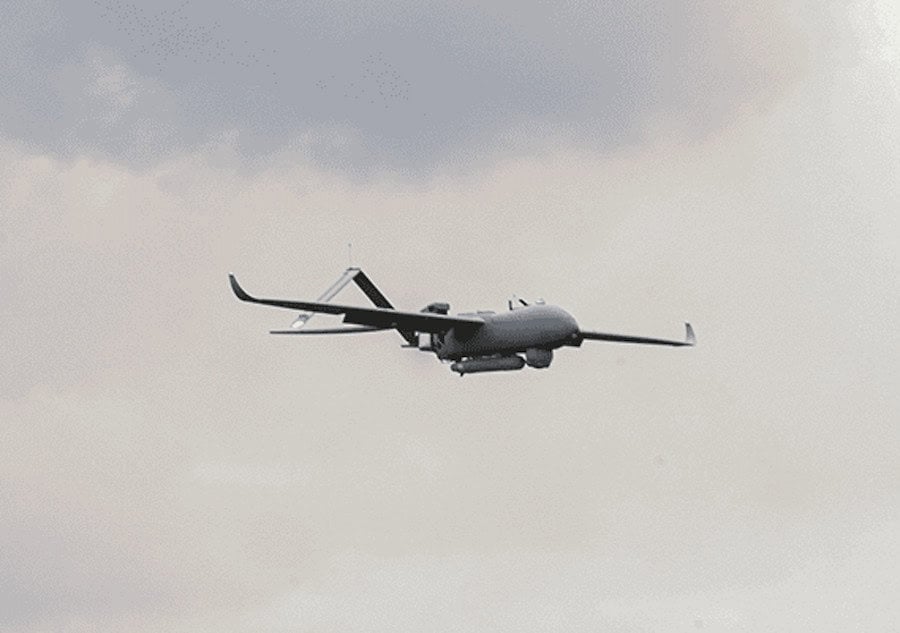
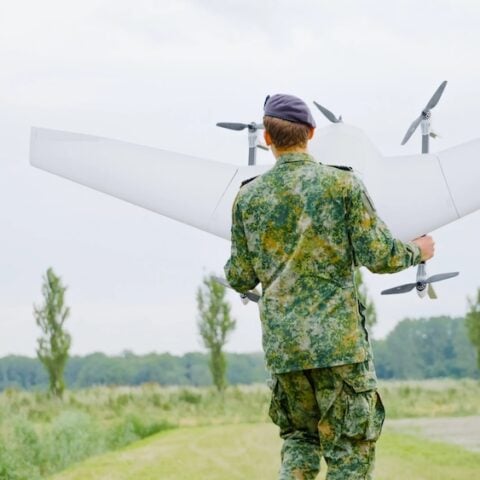
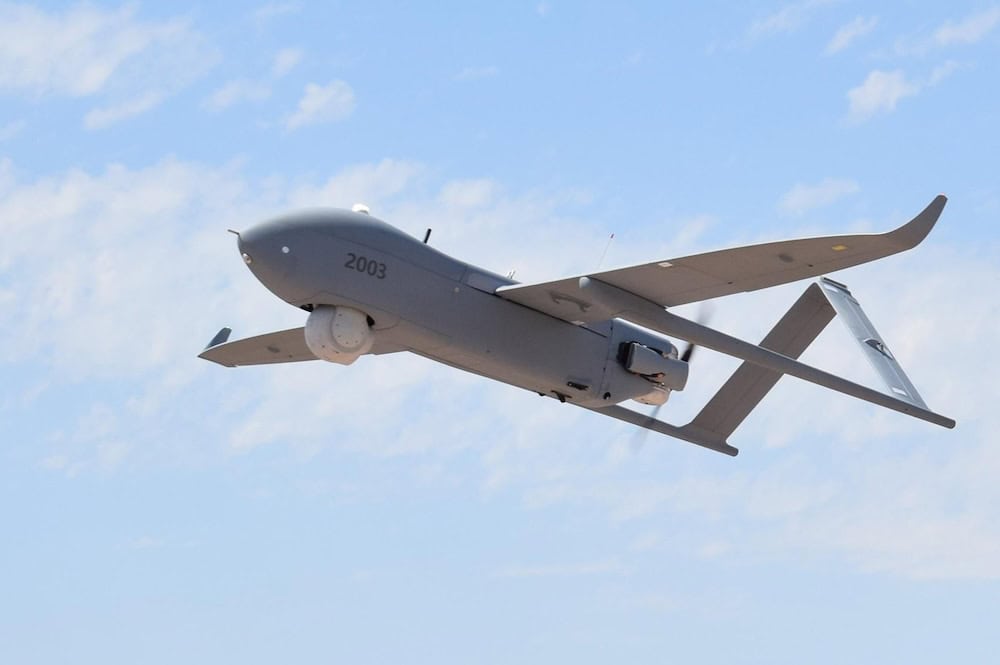
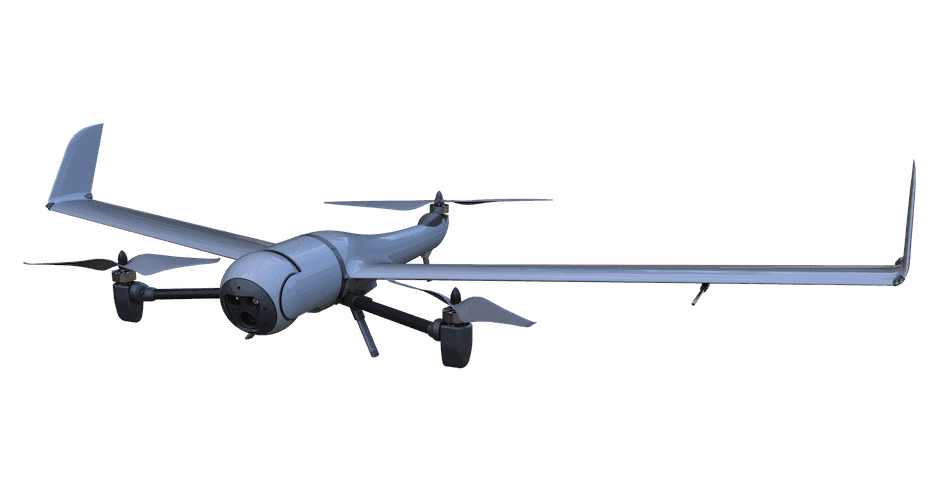
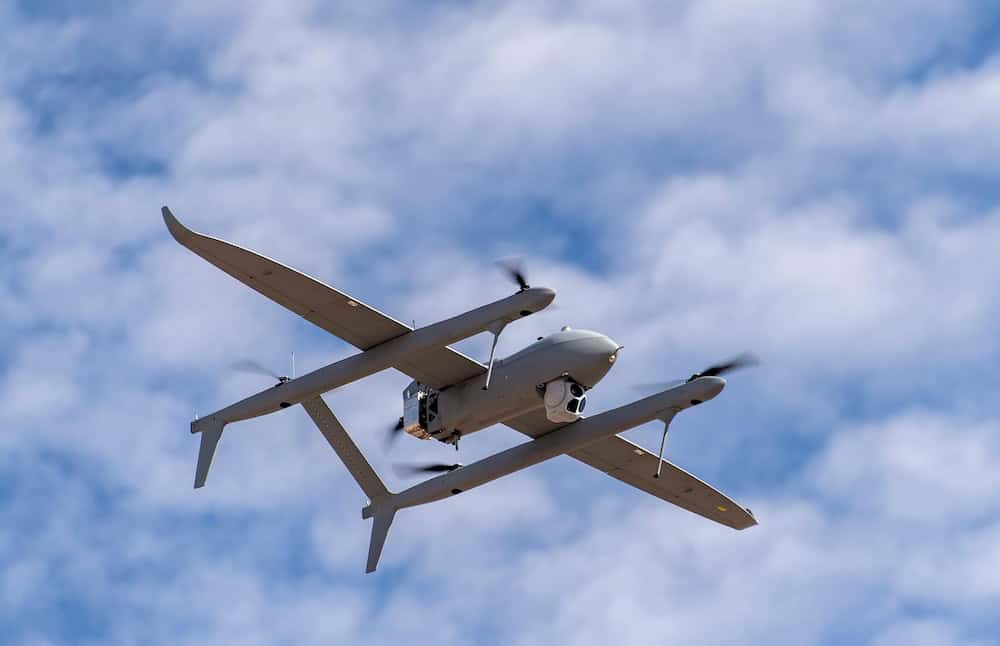
Aerosonde® Mk. 4.8 VTOL UAS by Textron Systems
Tactical UAS are employed across various mission profiles due to their adaptability and sensor payload versatility. Common applications include:
Tactical UAS can be grouped by size, launch mechanism, endurance, and payload capacity. Common categories include:
Tactical UAS are optimal for responsive missions that require quick launch and rapid intelligence delivery. They fill a critical gap between the portability of micro drones and the endurance of strategic systems.
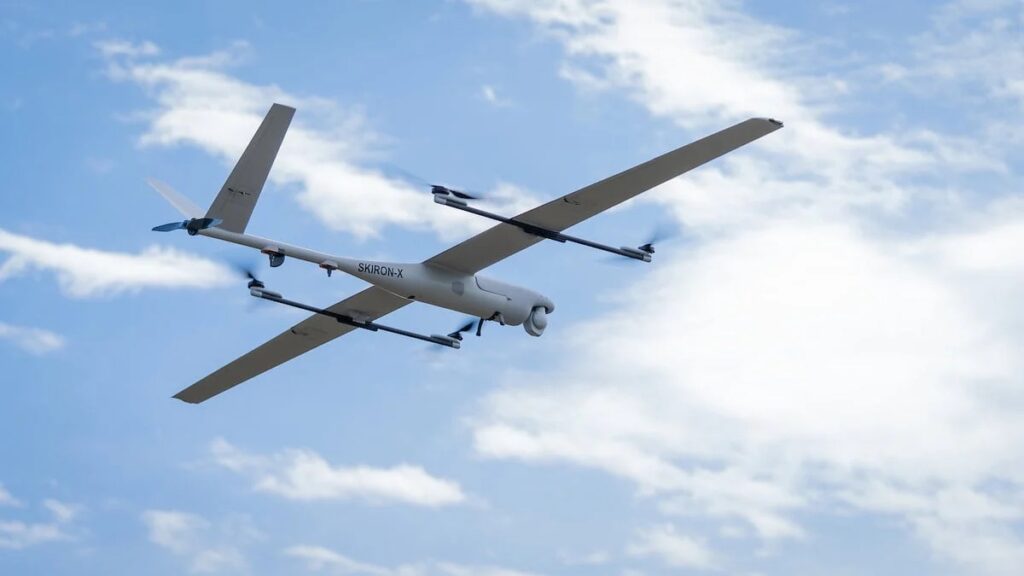
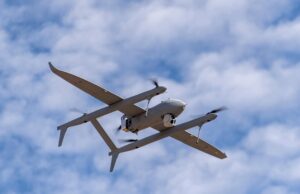
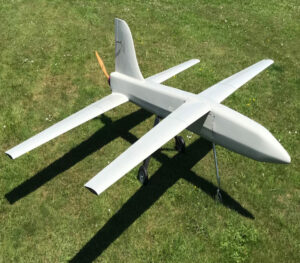
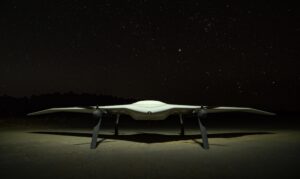
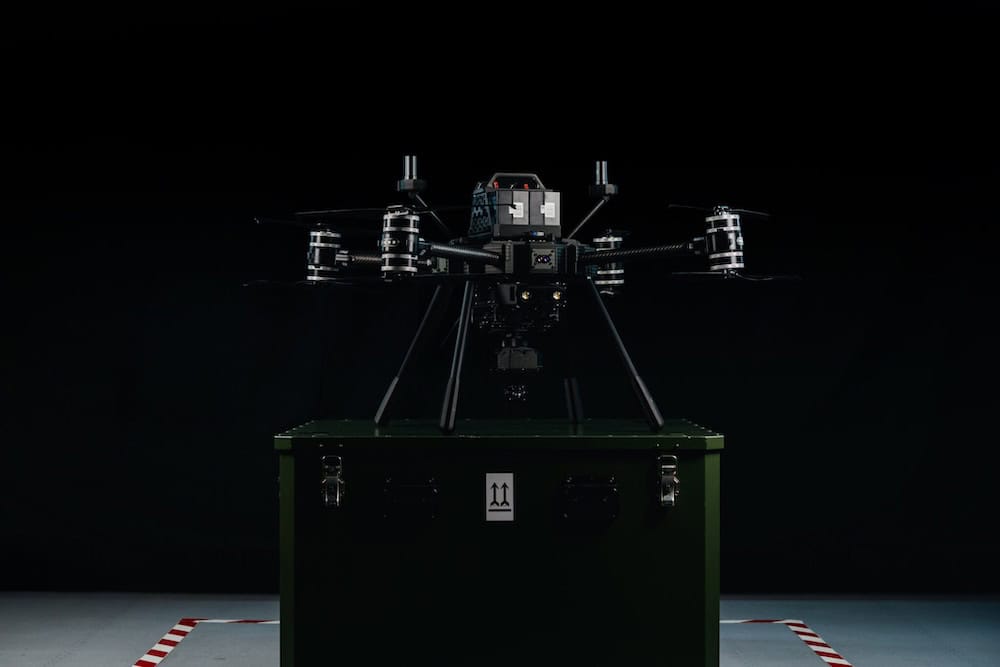
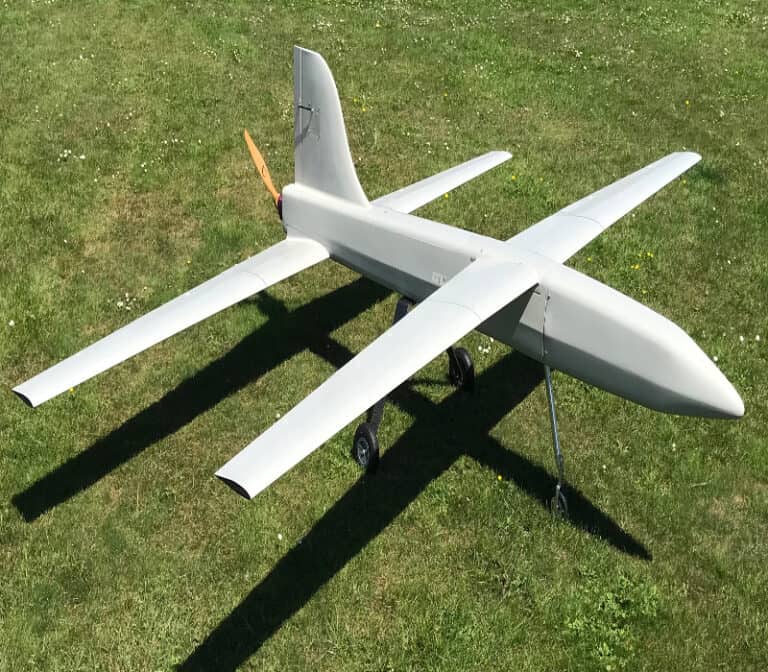
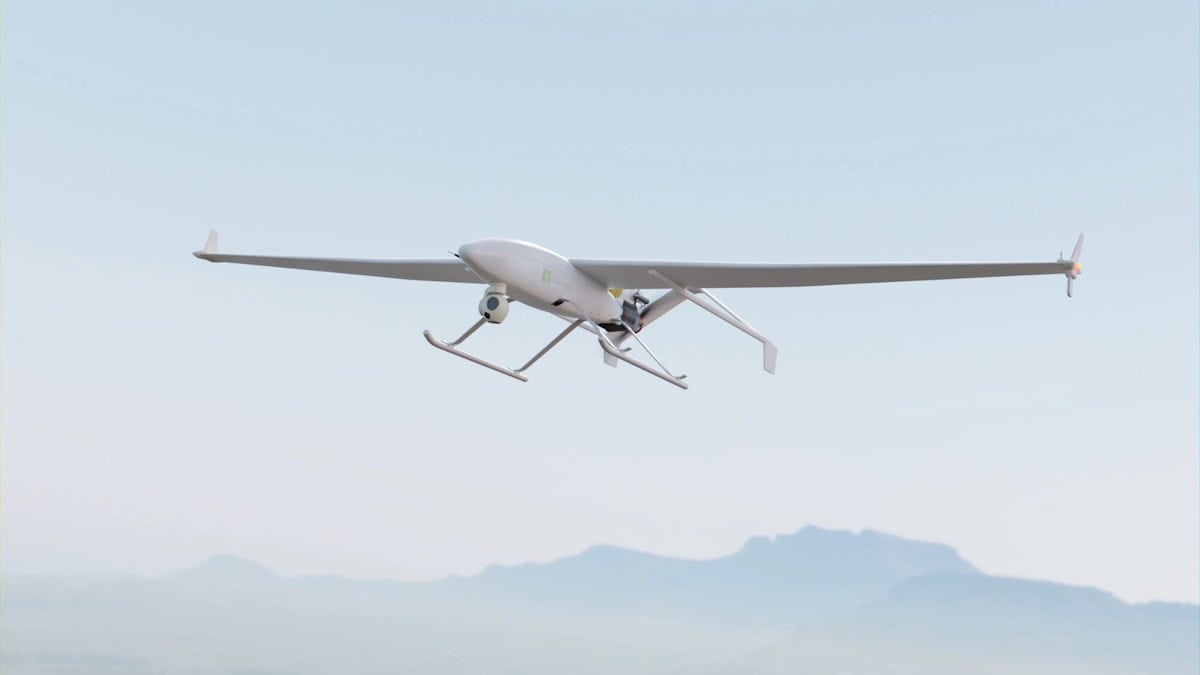
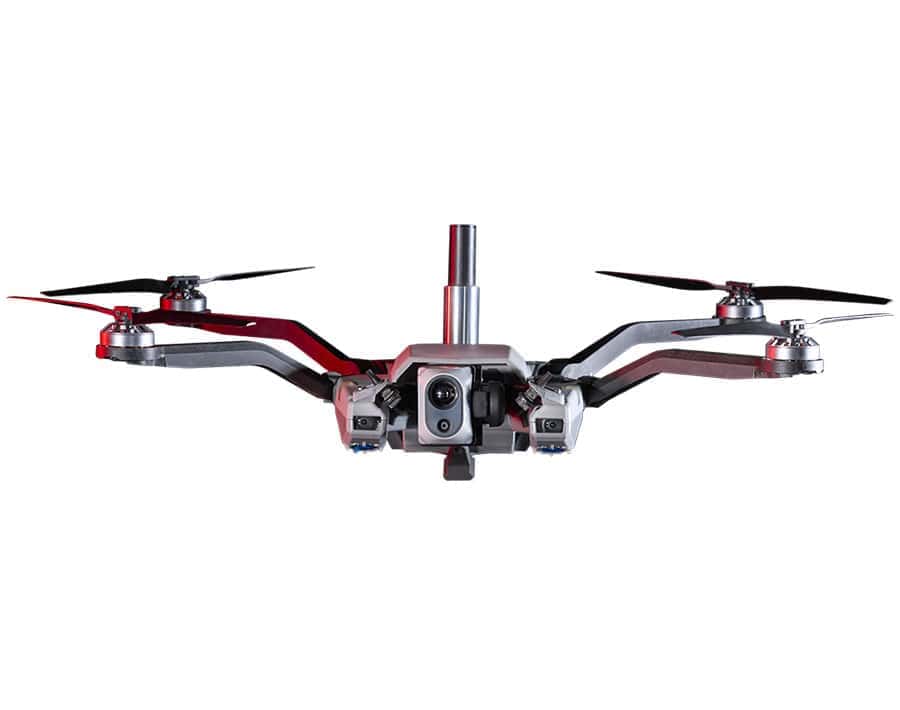
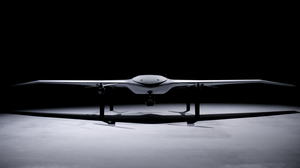
SKIRON-X Group 2 UAS by Aurora Flight Sciences
Tactical UAS must conform to various military and aerospace standards to ensure interoperability, durability, and mission effectiveness. Common standards include:
Some tactical UAS may also comply with airworthiness and communication regulations, especially if they operate in controlled airspace or interact with other manned/unmanned systems.
The launch and recovery systems used in tactical UAS vary depending on the mission profile and platform:
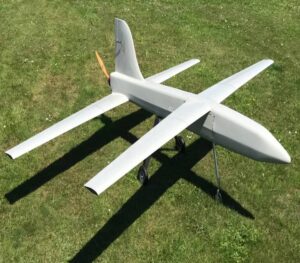
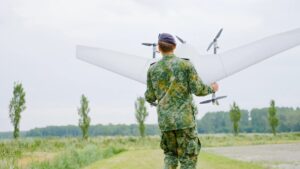
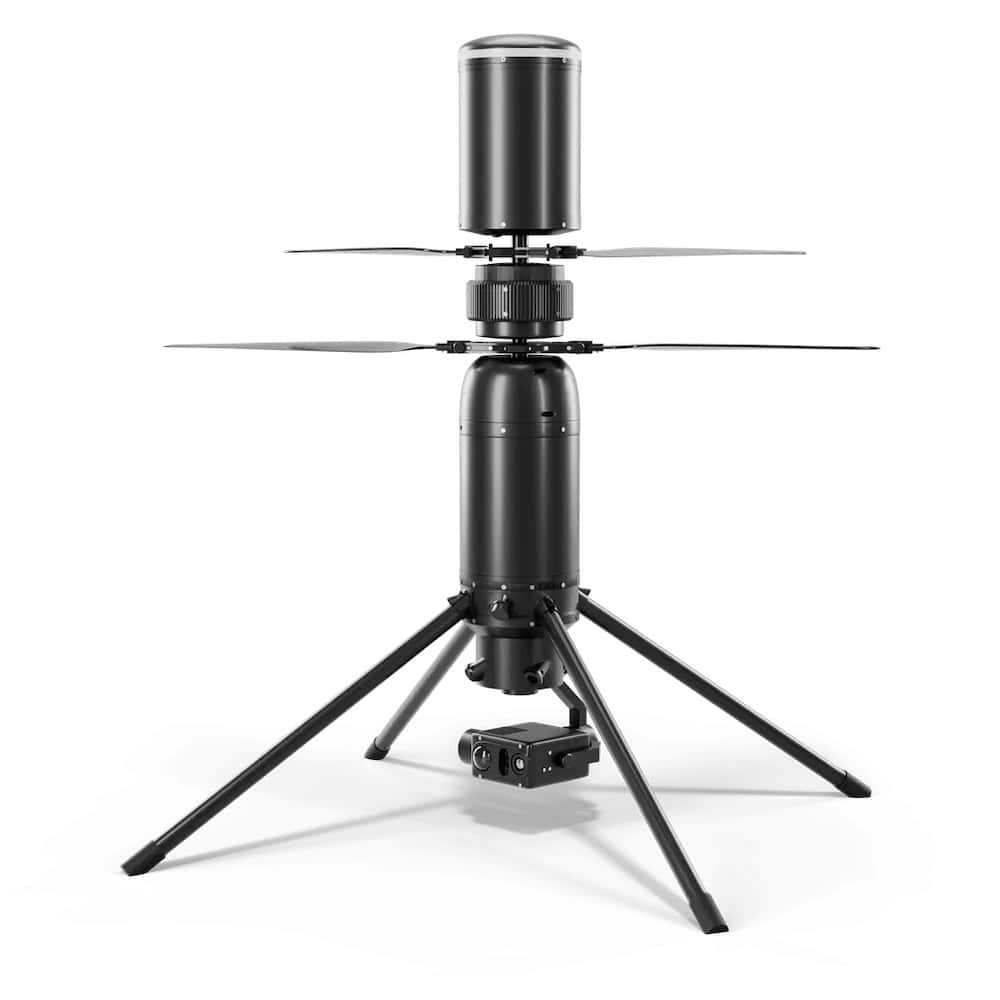
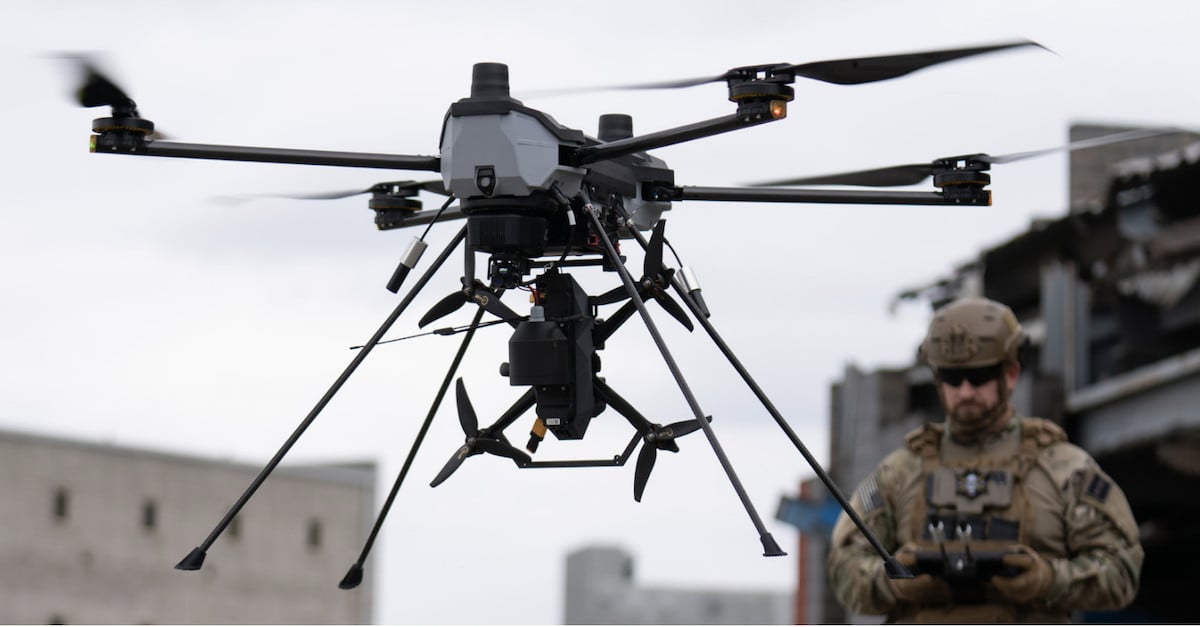
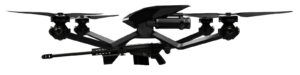
Sword 4.0 Tactical UAS by Cannon Defense & Security
Tactical UAS carry a diverse array of payloads to meet mission-specific requirements:
Tactical UAS are managed via ground control stations (GCS) that provide telemetry, command input, and data visualization. These may range from ruggedized laptops to fully integrated vehicle-based command centers. Features typically include:
Systems may employ encrypted data links and anti-jamming technology to ensure operational security.
The evolution of tactical UAS is shaped by advancements in autonomous drones, sensor miniaturization, and multi-domain integration. Current trends include:
As the demand for real-time intelligence and responsive ISR grows, tactical UAS will remain central to military force modernization and battlefield superiority.


 Searching Companies & Products