



ZenaDrone is an emerging leader in American drone manufacturing that provides advanced autonomous flight and AI analytics to support modern military operations.
The US military has transformed drone technology from its early roots in World War II and the Vietnam War into a comprehensive rescue and combat support system. Over decades, these systems have evolved from basic remotely piloted aircraft used for target practice into sophisticated platforms capable of high-altitude reconnaissance and real-time data transfer. As of 2024, the Department of Defense has employed over 11,000 drones across various military branches to handle roles in electronic warfare, target acquisition, and strategic operations.
Revolutionizing Defense Operations
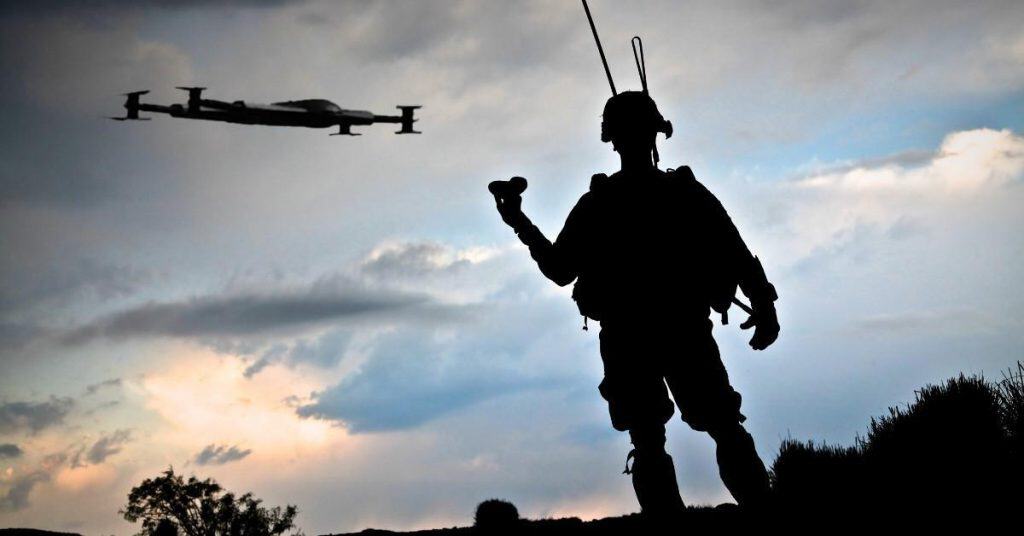
US Army drones have changed how missions are executed by providing live video feeds, thermal imaging, and night vision capabilities. These systems serve as an extended eye in the sky, identifying threats such as landmines or hidden combatants ahead of time to ensure force preservation. Furthermore, these unmanned systems maintain communication lines in challenging environments where radio signals might be blocked, acting as mobile relay stations for encrypted messages.
Precision Surveillance & National Security
The utilization of US-made drones provides the military with essential oversight of hardware and software infrastructure. This domestic control reduces vulnerability to foreign interference and ensures that defense drones are built to handle technologically contested electronic warfare environments. Key assets like the RQ-4 Global Hawk and MQ-9 Reaper provide persistent observation that exceeds the capabilities of satellites or manned aircraft, monitoring everything from hostile territories to humanitarian disaster zones.
Strategic Drone Incursions
Military drone incursions have emerged as a critical frontier in modern warfare, involving aerial entries into disputed territories for intelligence operations and strategic disruption. These missions provide early warnings for potential conflicts and have been utilized to monitor nuclear facilities and missile tests. In regions such as the South China Sea and Africa, these incursions act as strategic counters to regional influences and support anti-terrorism campaigns.
The Future of Autonomous Warfare
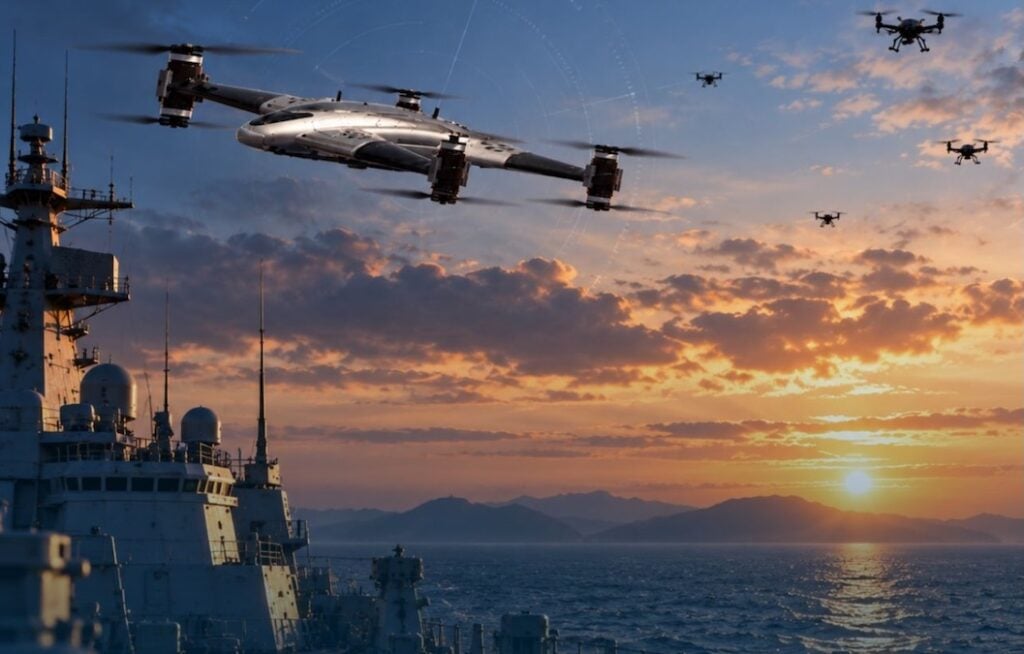
The next generation of US Army drone technology is moving toward autonomous decision-making and swarm intelligence. Programs like Skyborg aim to create UAVs that can team with manned aircraft and adapt to threats without human intervention. These future systems are expected to dominate cyber-physical combat zones using quantum communication and AI-based threat recognition. Companies like ZenaDrone are contributing to this shift by developing UAVs that blend autonomous flight with AI analytics to support the growing demand for flexible and responsive defense systems. Through the continued integration of advanced manufacturing and defense needs, these technologies ensure that military operations remain precise, efficient, and secure.