Explosive ordnance disposal (EOD) and bomb disposal robots are advanced robotic systems designed to handle and neutralize explosive threats in military and law enforcement operations. These remotely operated and autonomous systems enhance safety by reducing human exposure to hazardous environments. Equipped with precision tools, sensors, and robotic arms, EOD robot technology supports bomb disposal teams in identifying, inspecting, and diffusing explosives with high efficiency.
If you design, build or supply EOD & Bomb Disposal Robots, create a profile to showcase your capabilities and connect with visitors who have an active requirement for your solutions.
What is Explosive Ordnance Disposal in Defense Robotics?
An explosive ordnance disposal robot (EOD robot) provides an effective and reliable means to neutralize explosive threats while minimizing the risk to human personnel.
A bomb disposal robot can prove indispensable for military forces, law enforcement agencies, and counter-terrorism units tasked with dismantling explosive devices in hostile environments. By increasing standoff distances and allowing remote operations, EOD robots protect lives, reduce casualties, and ensure mission success in scenarios where time is of the essence.
Bomb robots may be deployed in a wide variety of operating conditions, including urban environments, conflict zones, or maritime settings, to tackle complex explosive threats such as improvised explosive devices (IEDs), unexploded ordnance (UXO), and landmines.
Common Features and Capabilities of EOD Robots
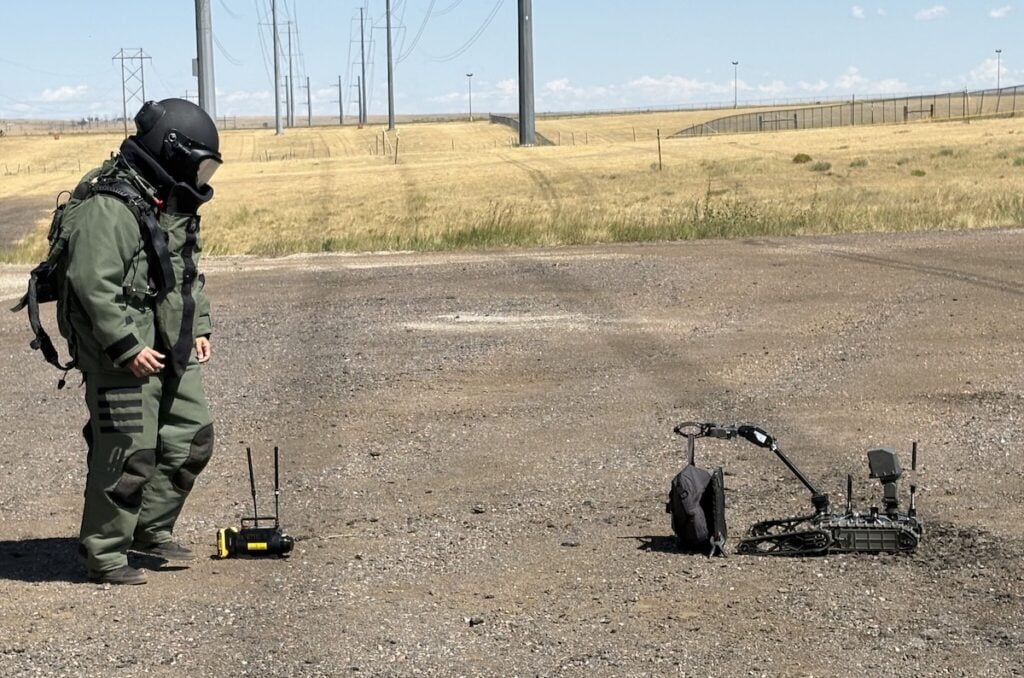
An EOD robot is typically built to withstand harsh conditions and operate in a wide array of environments, including dense urban terrain, open fields, desert locales, and confined indoor spaces. Bomb diffuser robot design focuses on mobility, payload capacity, and precision, enabling operators to remotely disarm explosives while maintaining a safe distance.
Mobility and Navigation in EOD Robots
Modern bomb disposal robots are equipped with advanced all-terrain mobility systems that allow them to traverse rubble, climb stairs, and maneuver over uneven surfaces. Depending on the operational environment, EOD robots may feature tracked, wheeled, or hybrid propulsion systems with high-torque drives, enabling seamless movement across urban, rural, or battlefield terrain. Some systems incorporate amphibious capabilities, allowing the robot to operate across land and water without interruption.
Bomb Disposal Payloads and Manipulation Systems
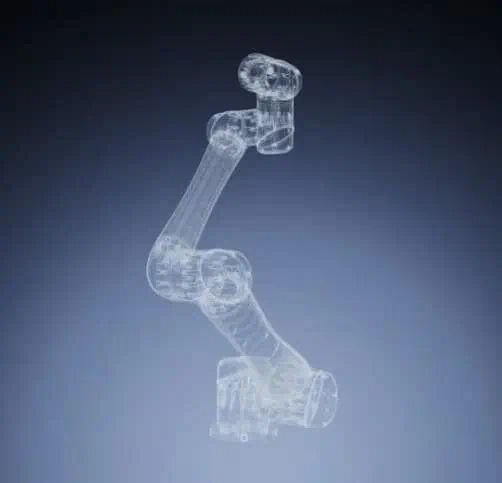
A defining feature of EOD robots is their ability to carry and manipulate counter-IED payloads necessary for disarming and neutralizing threats. Payloads can range from precision cutting tools and explosive charges to specialized disruptors and gripping mechanisms. The robots are very commonly equipped with multi-jointed robotic arms and dexterous multi-axis manipulators capable of performing delicate tasks such as cutting wires, drilling, or placing counter-charges.
Some models offer payload capacities exceeding 250 kg, allowing operators to attach heavy tools and equipment for demanding missions. The manipulators often feature interchangeable end-effectors, ensuring that the robot can adapt to different ordnance types and operational requirements.
Surveillance and Detection Systems for EOD Robotics
EOD robots may integrate high-resolution cameras, infrared sensors, and X-ray imaging systems to provide operators with real-time intelligence. Multiple camera angles and 360-degree rotation capabilities ensure comprehensive situational awareness, even in confined spaces. Specialized sensor arrays can be fitted that enable the detection of chemical, biological, radiological, and nuclear (CBRN) threats, adding another layer of protection during operations.
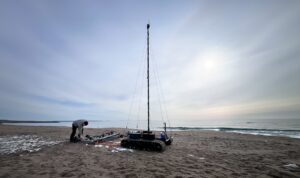
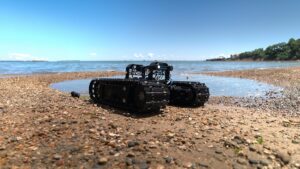
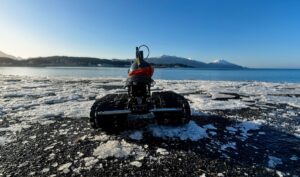
Bayonet 250 EOD Robot by Greensea IQ
Some advanced bomb disposal robots leverage LIDAR and AI-driven object recognition systems, allowing them to autonomously map environments, identify suspicious items, and perform initial threat assessments. These systems enhance operational efficiency, reducing the time required to assess and neutralize threats.
Communication and Control Systems
EOD robots are typically remotely operated either wirelessly or via a cable, and may use encrypted communication links, ensuring that control signals remain secure in electronically contested environments. These systems can transmit data over extended distances, allowing operators to conduct missions from several kilometers away. Redundant communication channels, including RF and fiber-optic links, ensure continuous operation even in environments with signal interference or electronic warfare threats.
Applications of EOD & Bomb Disposal Robots
EOD robots are deployed in a wide range of use cases across military, law enforcement, security and civilian sectors. Typical applications include:
Military Explosive Ordnance Disposal Robots
In military contexts, EOD robots are deployed to clear routes, inspect vehicles, and neutralize IEDs planted along roadways or near critical infrastructure. In active combat zones, explosive ordnance disposal army robots can play a vital role in protecting troops by remotely engaging with threats before personnel advance into contested areas. Military robots for army explosive ordnance disposal are often armored to withstand shrapnel and blast effects, ensuring survivability during high-risk missions.
Police Explosive Ordnance Disposal
Police forces and counter-terrorism units employ bomb disposal robots to respond to domestic threats, including suspicious packages, potential VBIEDs (Vehicle-Borne Improvised Explosive Devices), and bomb threats in public spaces. These robots help secure critical sites such as airports, transportation hubs, and large-scale public events. Rapid deployment and ease of use make compact EOD robots invaluable for an urban bomb squad or explosive ordnance disposal unit.
Humanitarian Demining
In post-conflict regions, EOD robots are used to safely clear landmines and UXO, facilitating the return of land for civilian use. Robots equipped with ground-penetrating radar and specialized digging tools can identify and safely remove explosive remnants of war (ERW), accelerating demining efforts while protecting demining personnel from unnecessary exposure.
Critical Infrastructure Protection
EOD robots are frequently employed to secure infrastructure such as power plants, government buildings, and communication hubs. By remotely inspecting and neutralizing threats, these robots help prevent potential disruptions to essential services.
Marine and Amphibious EOD Robots
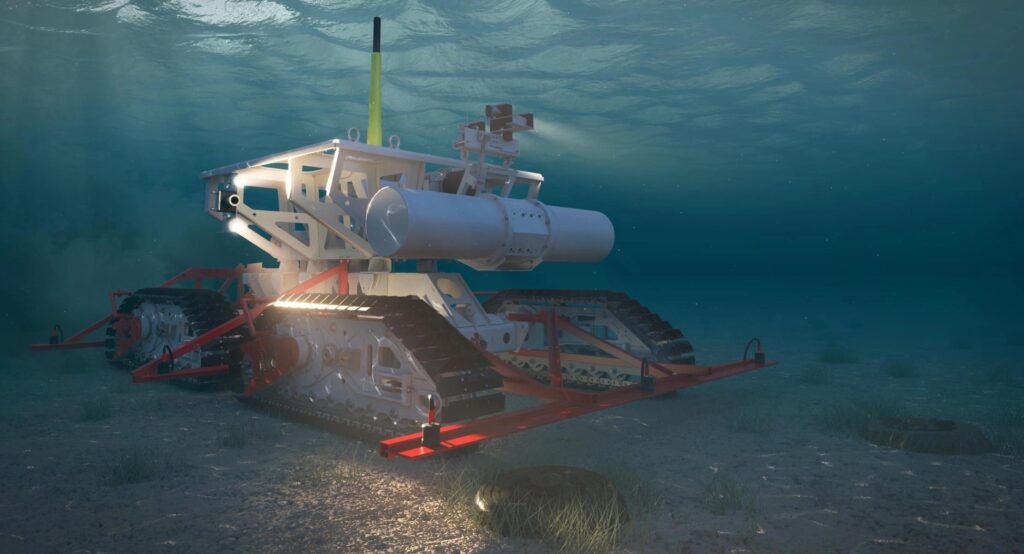
EOD robots designed for marine and amphibious operations extend the capabilities of conventional bomb disposal systems into underwater and littoral environments, and are typically designed as tracked “crawler” systems. These robots are essential for naval forces, coast guards, and underwater demolition teams tasked with neutralizing naval mines, sunken ordnance, and underwater IEDs.
Navy Explosive Ordnance Disposal & Underwater EOD Robots
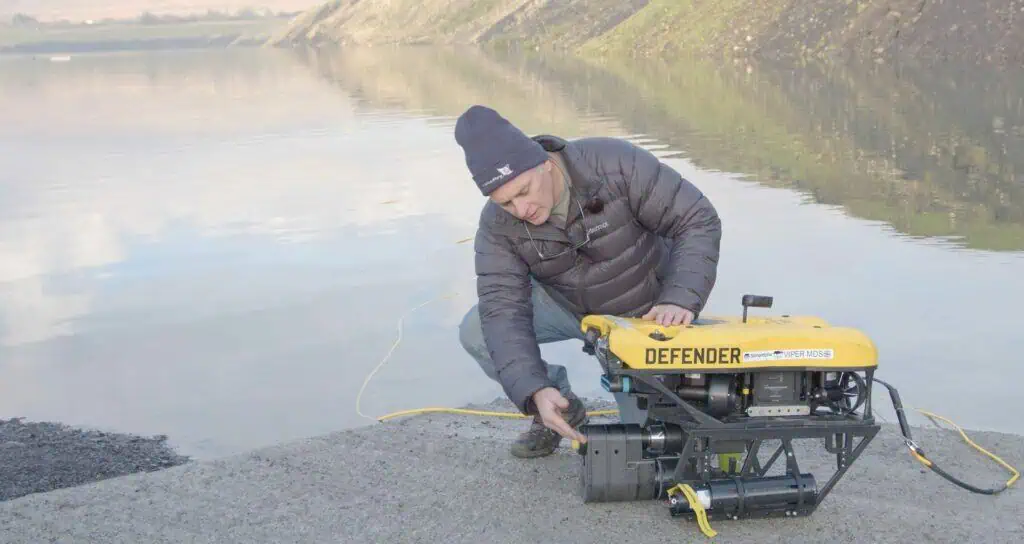
ROVs (remotely operated vehicles) and AUVs (autonomous underwater vehicles) may be used as underwater EOD robots, equipped with sonar, underwater cameras, and robotic arms capable of manipulating explosive devices at depth.
These robots are deployed from ships, submersibles, or shore-based platforms and can perform a range of tasks, from inspecting ship hulls to dismantling naval mines. Advanced propulsion systems allow for precise maneuverability in strong currents, ensuring accuracy during complex underwater operations.
A strategic alliance between NP Aerospace and United Shield International combines advanced blast protection engineering with US-based support infrastructure to deliver certified bomb suits and through-life assistance for law enforcement
Greensea IQ demonstrated autonomous UXO detection using the Bayonet 350 AUGV and APEX system, delivering reliable data collection and classification in complex nearshore and surf zone environments
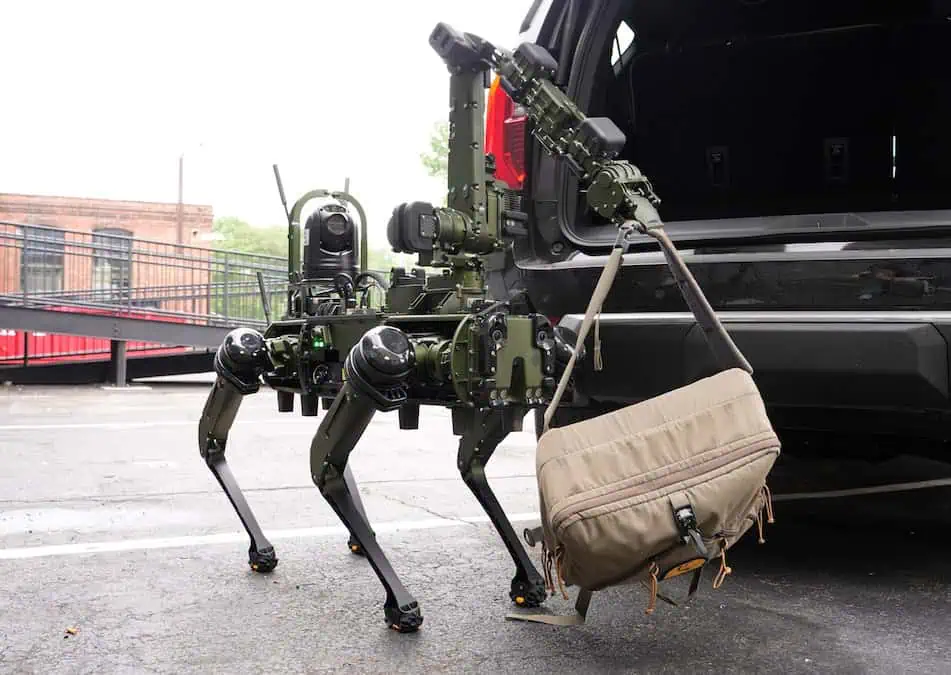
Ghost Robotics has unveiled a new Manipulator Arm for its Vision 60 Quadruped Unmanned Ground Vehicle (Q-UGV®), expanding the platform’s ability to conduct remote manipulation tasks and interact with the environment across defense, security, and industrial operations
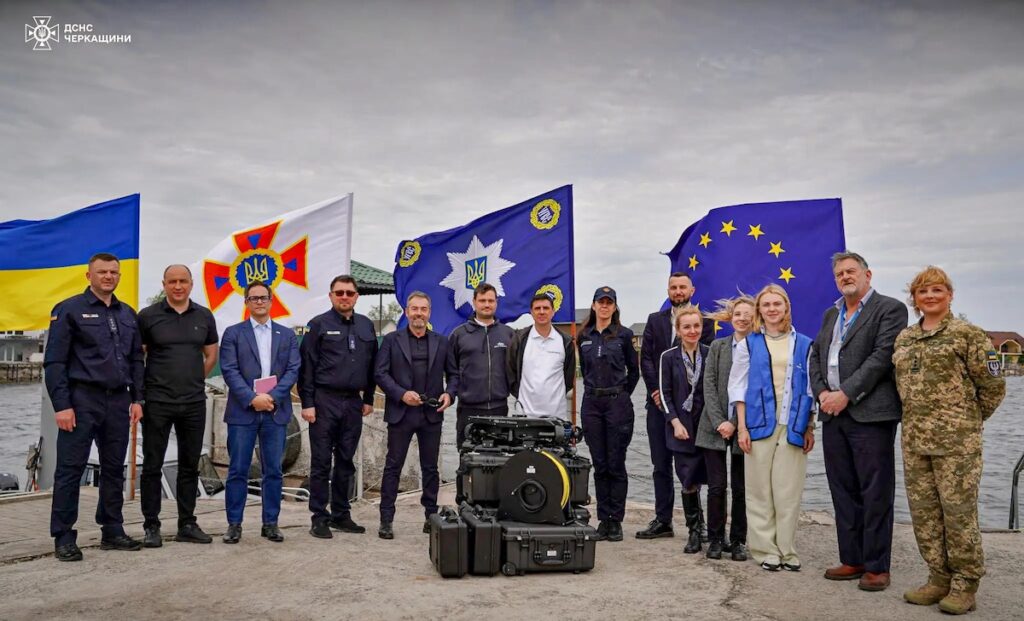
Deep Trekker has delivered sixteen REVOLUTION ROVs to Ukraine’s emergency services, supporting underwater demining operations through a UNDP-led initiative
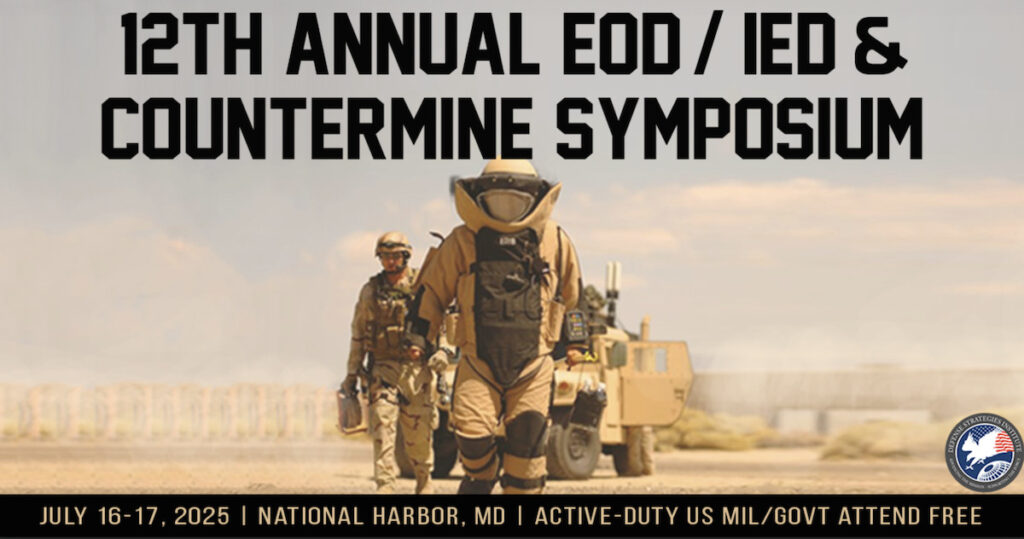
DSI's EOD/IED & Countermine Symposium is returning for its 12th annual gathering on July 16–17 in National Harbor, MD, convening experts and solution providers from the DoD, federal government, academia, and industry
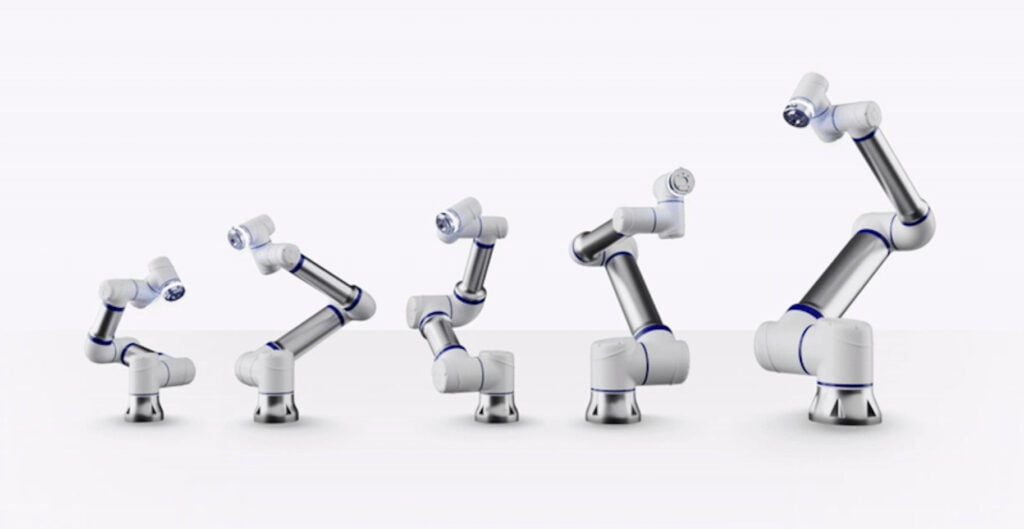
Explore how Elite Robots, represented in the U.S. by KT Technical Solutions, is equipping defense operations with safe, flexible cobots that enhance efficiency, safety, and mission readiness.
Forcys collaborates with Sonardyne and VideoRay to deliver an innovative solution for autonomous mine countermeasures, significantly improving operational efficiency and minimizing risks to personnel in hazardous environments
Royal IHC and Elwave are enhancing European naval mine countermeasures with an advanced seabed crawler, biomimicry-based sensors, and autonomous toolboxes under the E=MCM program
Mar 21, 2025
Advancing Defense Capability Through Strategic Collaboration
Defense Advancement works with major OEMs to foster collaboration and increase engagement with SMEs, to accelerate innovation and drive defense capabilities forward.