

Textron Systems has introduced a modular robotic control package designed to bridge the gap between autonomy software stacks and ground vehicle mechanical subsystems.
Developed as a middle-layer execution system, the CoreMotion package translates and coordinates both human and machine-generated inputs across critical vehicle operations, including steering, braking, and power distribution. The architecture interfaces directly between vehicle subsystems, robotic controls, autonomous navigation platforms, and mission payloads to maintain operational reliability in diverse environments.
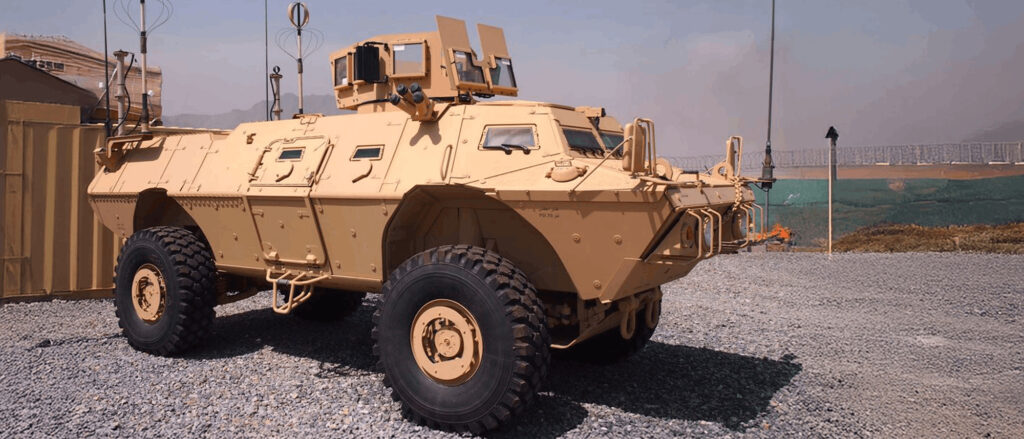
The hardware- and software-agnostic solution is packaged as a modular kit intended for field-level installation across both newly built vehicles and existing fleets of crewed platforms. The system combines mission-ready software with ruggedized hardware components, including dedicated computers, actuators, wiring, and electronics, providing a standardized pathway for vehicle modernization.
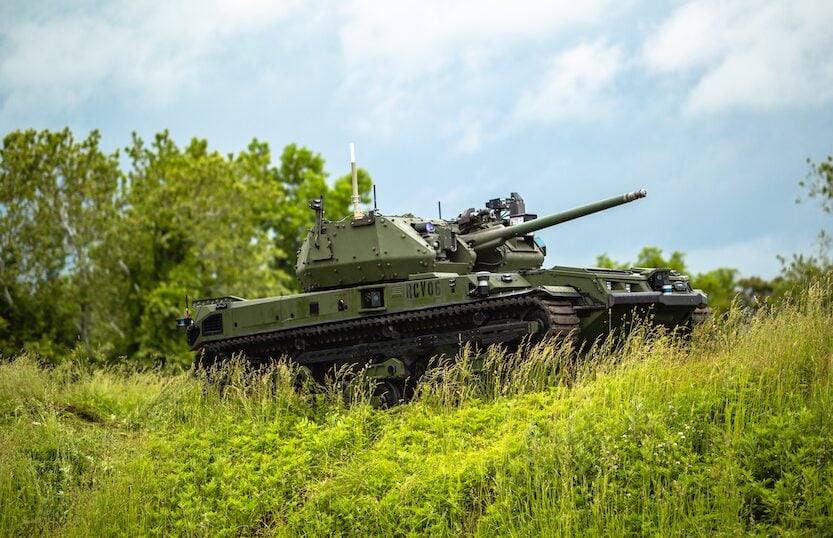
The underlying technology was developed and validated across Textron Systems’ RIPSAW family of uncrewed ground vehicles, logging more than 8,000 operational miles prior to commercial availability.
Ryan Schaffernocker, Senior Vice President, Air, Land & Sea Systems, stated, “Our CoreMotion technology has been proven over more than 8,000 miles of UGV operation. By bringing this same field-proven robotic control capability to both new and existing vehicle platforms, CoreMotion provides customers with a low-risk path to autonomy adoption while preserving the flexibility to integrate the autonomy stack of their choice.”
Drawing on more than five decades of robotics and autonomy development, Textron Systems aims to use the modular architecture to lower technical adoption barriers, allowing operators to deploy custom autonomy software while accelerating the transition from experimental testing to deployed field capability.