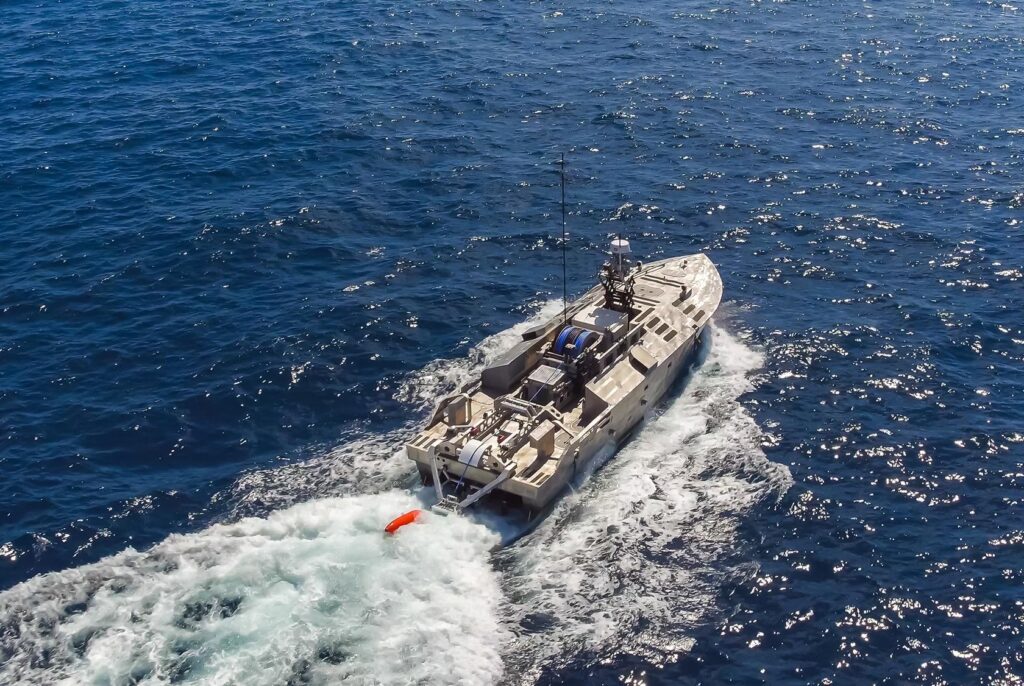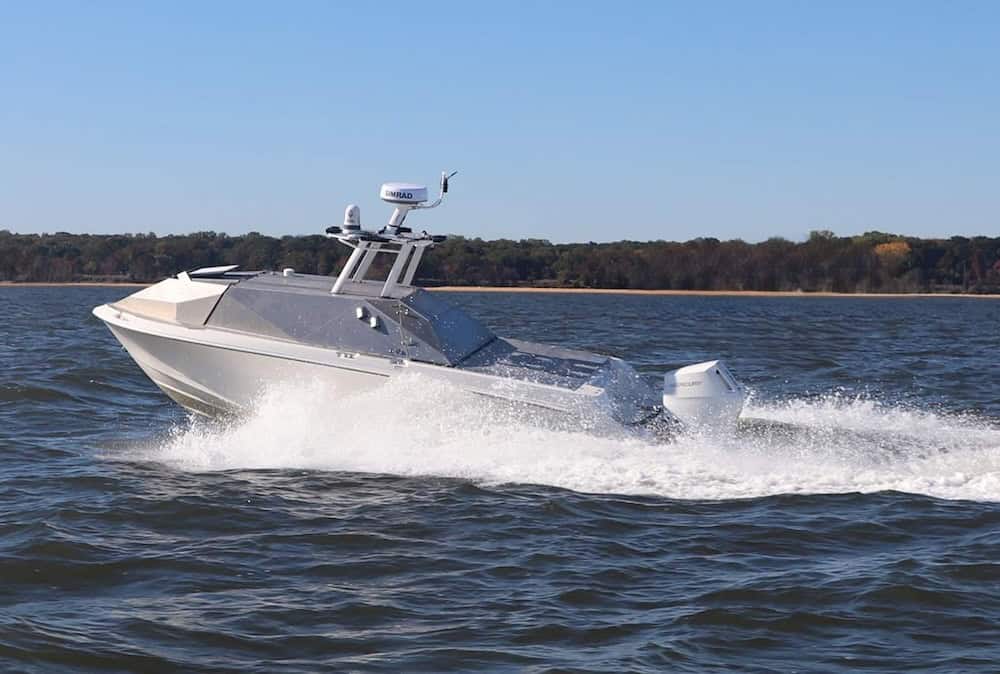
Textron Systems recently collaborated with the U.S. Navy Fourth Fleet and SOUTHCOM during the Fleet Experimentation (FLEX) demonstration in Key West, Florida, to test the integration of uncrewed air and surface platforms.
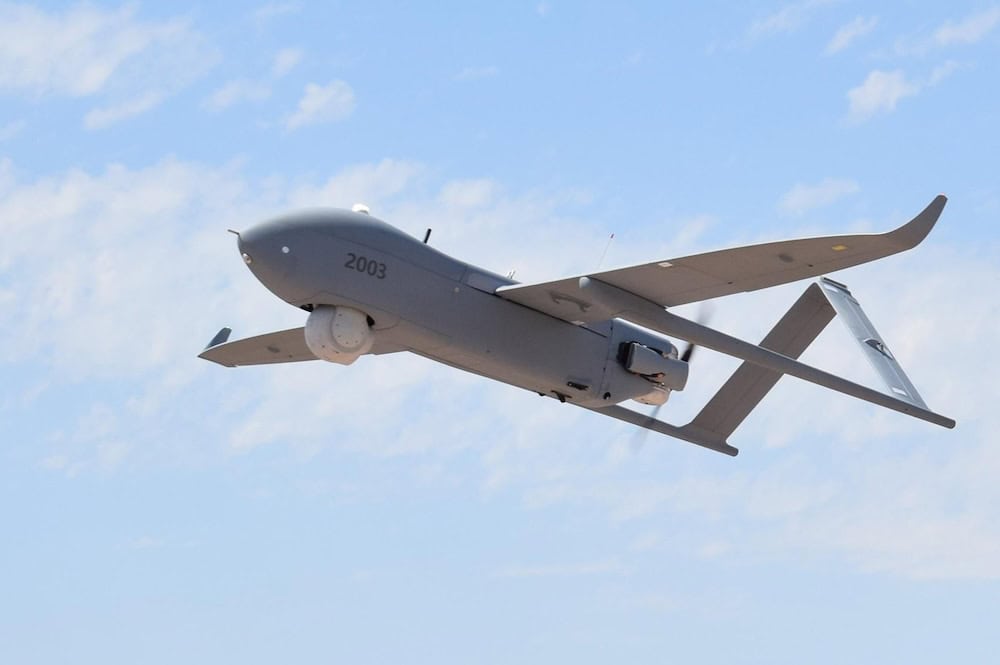
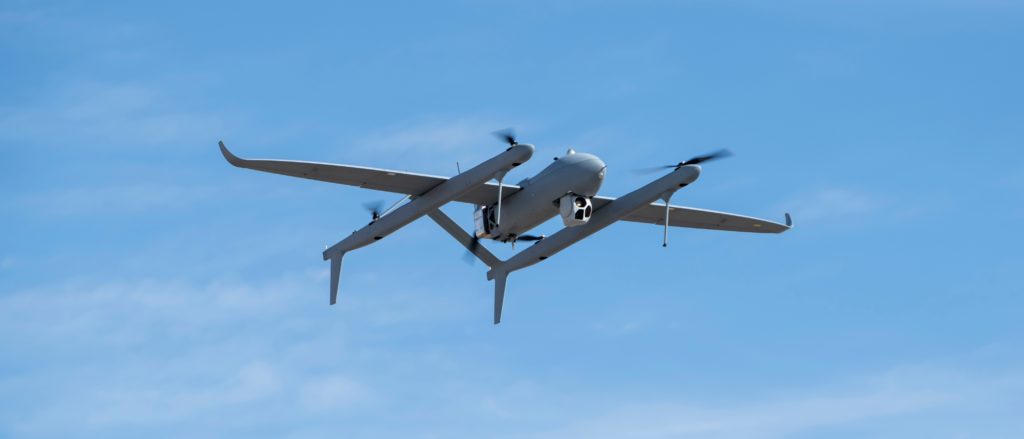
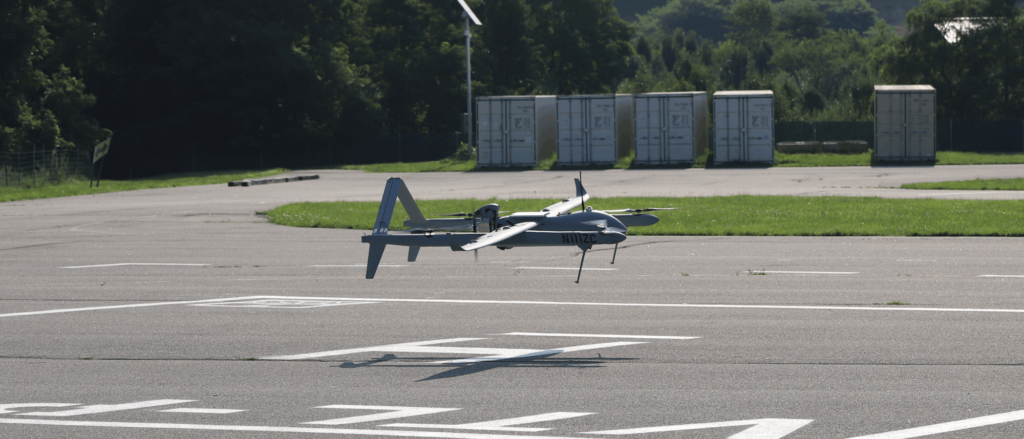
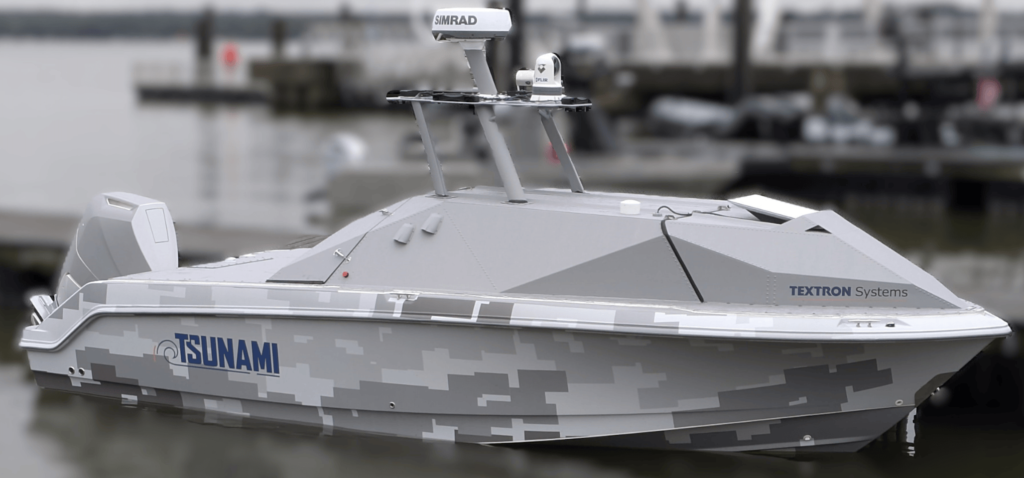
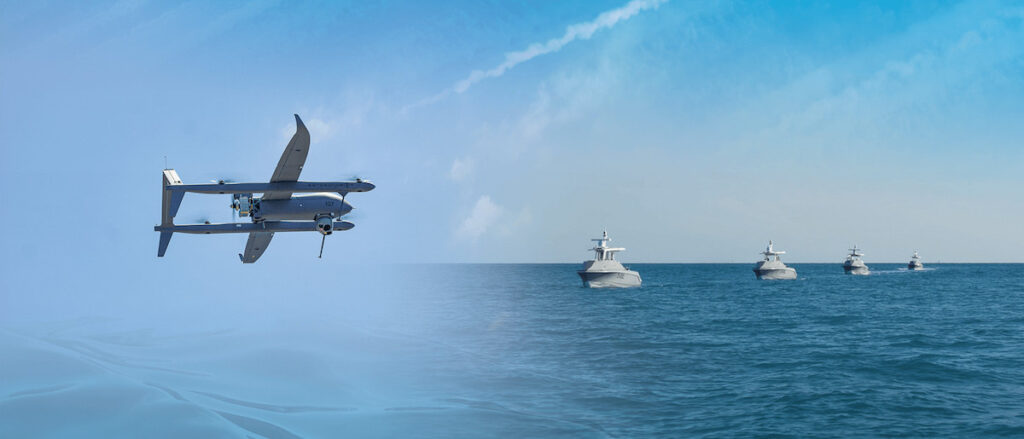
The exercise focused on demonstrating low-cost, scalable sensor-to-shooter kill chains using coordinated uncrewed systems, while validating the interoperability required for distributed operations. At the center of the multi-craft teaming scenario were the Aerosonde Mk. 4.7 VTOL Uncrewed Aircraft System (UAS) and the TSUNAMI Uncrewed Surface Vessel (USV).
Operating from a littoral combat ship, the Aerosonde UAS utilized a laser designator payload to enable real-time identification and designation of targets. The collected sensor data was then disseminated across an integrated command-and-control network of platforms to support engagement decision-making, mission execution, and real-time monitoring and assessment.
The TSUNAMI USV, outfitted with a precision-guided munition system, served as the kinetic component of the kill chain. After receiving targeting data from the airborne UAS and other networked sources, the surface vessel executed surface-to-surface engagements across multiple profiles, including single-shot and rapid-fire sequences, as well as targeting supported by multiple laser designators.
To support sustained operations without frequent human intervention, the TSUNAMI USV leverages battery and solar-enabled capabilities for extended-duration, long-dwell missions. During maritime operations, multiple TSUNAMI craft were deployed simultaneously to maximize sensing areas, establishing persistent tripline coverage to detect, track, and maintain custody of targets during law enforcement and interdiction scenarios.
A key objective of the exercise was validating cross-vendor integrations and platform-to-mission data flows using a Modular Open System Architecture (MOSA) approach. Integration with common command-and-control interfaces provided a unified view of the operational environment, while connectivity to the Navy’s Common Operating Picture allowed real-time distribution of video and telemetry through intelligent distribution software. Additionally, autonomous behaviors were enhanced through counter-UAS detection capabilities, enabling responsive actions when threats were identified in contested environments.