




During the Project Convergence Capstone 6 (PC-C6) exercise this summer, military and industry partners, including Viasat, evaluated emerging communications and networking technologies as the U.S. Army continues its Next Generation Command and Control (NGC2) modernization. Read more >>
Conducted at Fort Irwin, California, and the Nevada Test and Training Range, the experimentation exercise stress-tested advanced technologies under realistic conditions, with Viasat’s ruggedized equipment and onsite team operating in temperatures exceeding 100 degrees Fahrenheit. The demonstrations featured systems designed to help commanders securely access and share critical information in contested environments where terrain, distance, and electronic warfare can challenge traditional communications networks.
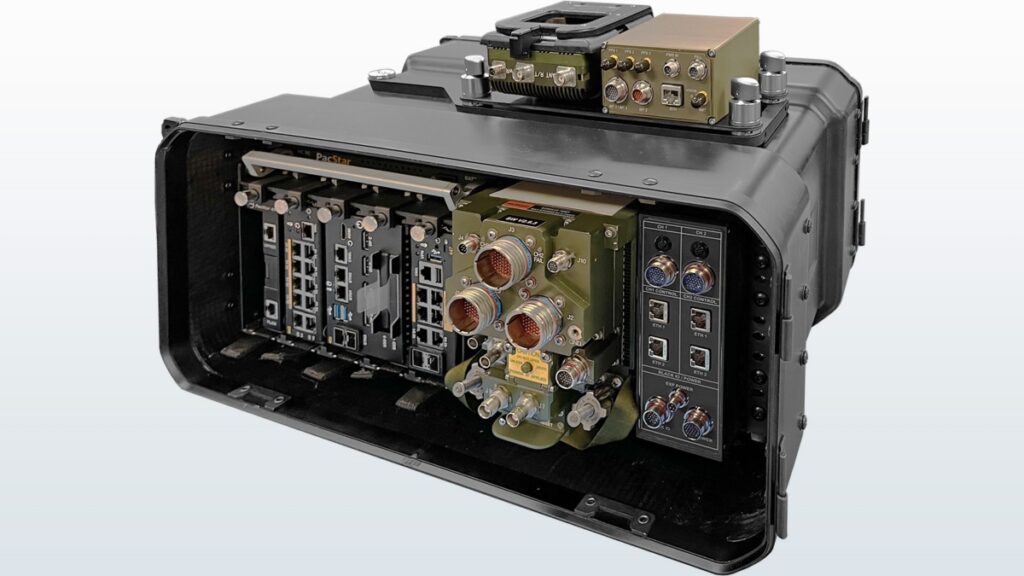
In tactical networking demonstrations, Viasat’s Quicksilver free space optics system demonstrated high-capacity data transport through non-radio frequency (RF) links, operating outside regulated RF spectrum to support rapid deployment in contested environments. The exercise also featured L-TAC, showcasing how existing tactical radios can be extended with satellite communications capabilities to maintain connectivity when line-of-sight communications are unavailable due to terrain or intentional disruptions.
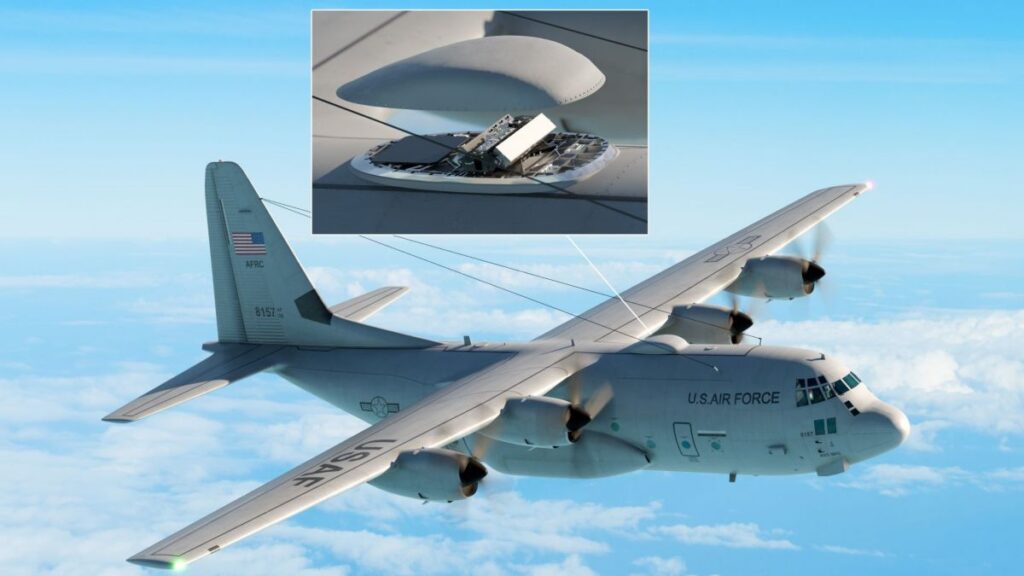
Viasat’s Active Electronically Scanned Array (AESA) antennas demonstrated how mobile and fixed platforms can maintain reliable access to critical networks through low-profile, electronically steered connectivity. The commercially developed antenna technology has been adapted for military use. In addition, Viasat and All.Space demonstrated the HydraMax antenna in support of the Army’s Next Generational Tactical Terminal (NGTT) program. The multi-constellation-compatible antenna, which supports constellations including ViaSat-3, achieved Technology Readiness Level (TRL) 6 in 2025.
The exercise also highlighted coalition interoperability, with Viasat supporting the British Army in a separate secure environment through demonstrations of its NetAgility and MOJO Next solutions. NetAgility’s resilient mesh networking and MOJO Next tactical gateway capabilities highlighted approaches to securely connecting allied forces and enabling information sharing across coalition networks. These technologies support the delivery of critical information across connected networks, helping advance the UK Ministry of Defence Digital Targeting Web and a more connected, data-driven force.
Ryan Walters, Vice President, U.S. Army Strategy & Growth at Viasat, said, “Project Convergence is where the Army transforms concepts into combat capability,” said Ryan Walters, Vice President, U.S. Army Strategy & Growth at Viasat. “Viasat is proud to support resilient, mission-ready connectivity that enables faster decisions and greater operational advantage.”
Through its demonstrations of optical communications, satellite connectivity, advanced antenna technology, and tactical networking, Viasat highlighted how commercial innovation and defense technologies can support resilient communications and interoperability for future multi-domain operations.