



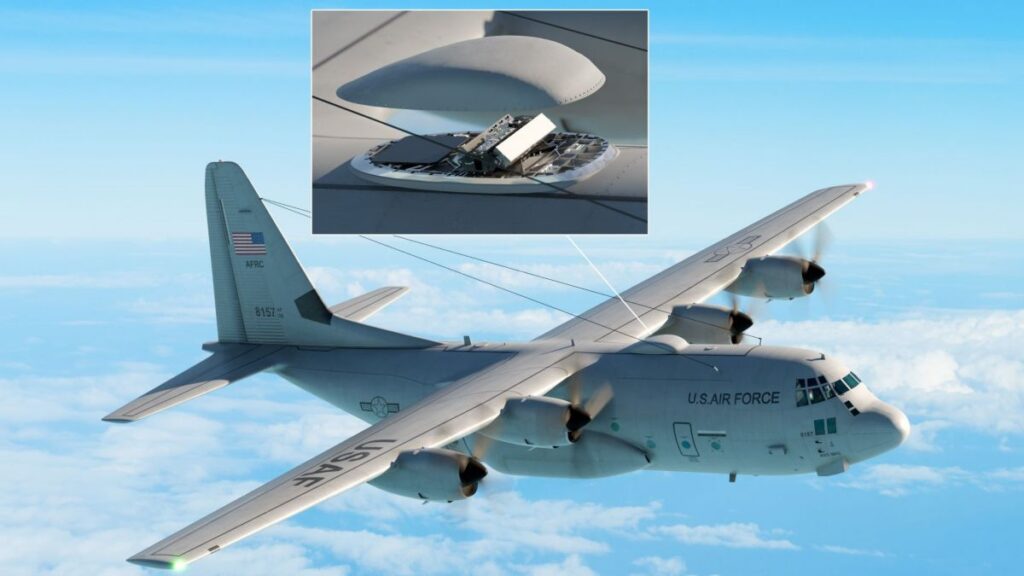
Viasat has been selected by Lockheed Martin to provide high-bandwidth satellite communications technology for the National Oceanic and Atmospheric Administration’s next-generation C-130J Hercules “Hurricane Hunter” aircraft program.
Under a subcontract reporting through its Communication Services segment, Viasat’s government satellite communications team will support Lockheed Martin’s delivery of two specially modified C-130J aircraft, with prime contract options for additional aircraft. These Super Hercules aircraft will be designed to serve as airborne laboratories that collect critical environmental data to improve hurricane forecasting and severe weather prediction. The next-generation aircraft are expected to enter service by 2030, replacing legacy platforms and significantly enhancing the capability to gather mission-critical atmospheric data in extreme operating environments.
Access to aircraft data substantially improves hurricane tracking and intensity forecasts, underscoring the importance of resilient airborne connectivity for weather missions and the impact of real-time communications on evacuations. Viasat will provide engineering support, terminal hardware, and structural integration data to enable high-capacity satellite connectivity onboard the C-130J platform. This solution is intended to support the real-time transmission of scientific and operational data collected during hurricane and tropical cyclone reconnaissance missions.
“The selection of Viasat by Lockheed Martin for the NOAA C-130J program is a strong validation of our open-architecture approach to resilient airborne communications,” said Victor Farah, Senior Vice President, Government Services and Solutions. “By enabling a standardized, ARINC compliant integration, this program not only supports NOAA’s lifesaving weather research mission today but also helps futureproof the aircraft for evolving connectivity and aircraft mission communications requirements.”
The program represents the first formal line-fit integration of Viasat’s Hybrid SATCOM Approach technology on the C-130J platform, establishing a factory-integrated connectivity solution that reduces the time, cost, and risk traditionally associated with post-delivery aircraft modifications. To date, hundreds of C-130Js have been delivered and certified by 20 airworthiness authorities to support diverse, multi-mission global operations. The line-fit, factory integration of this architecture offers the potential to scale and support resilient connectivity needs as mission requirements and satellite network architectures evolve.
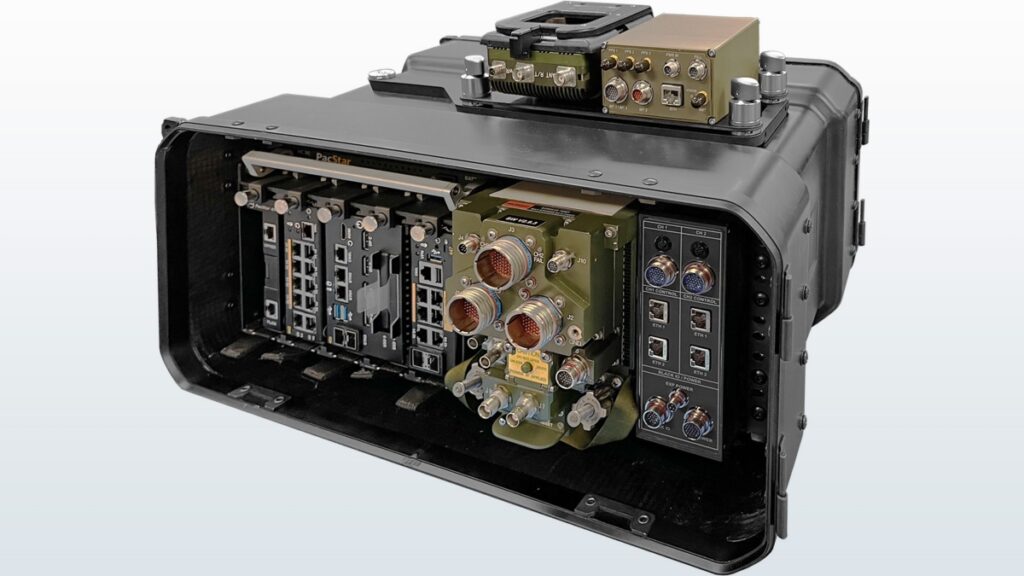
The specific configuration will integrate the hybrid system’s ARINC 791/792-compliant antenna baseplate with Viasat’s Ku/Ka broadband antenna, providing a standardized foundation and structure that supports robust mechanical integration today while allowing for seamless technology upgrades in the future. This open, modular approach aligns with growing demand for resilient, high-capacity communications to support environmental intelligence, emergency response, and scientific research missions worldwide.
While this specific application focuses on Ku-band connectivity, the standardized baseplate architecture is designed to accommodate multiple antenna apertures and enable multi-network, multi-orbit connectivity. This will allow the C-130J aircraft to support future enhancements, including additional frequency bands and satellite constellations, without requiring structural rework.