



UAV Propulsion Tech highlights the component requirements involved in developing Intelligence, Surveillance, and Reconnaissance (ISR) Unmanned Aerial Vehicles (UAVs), where endurance, sensing stability, reliability, and mission availability influence system design. Read more >>
ISR UAV requirements vary according to the observation task and mission duration, from short-duration visual reconnaissance to persistent surveillance across changing environmental conditions or operations combining several intelligence sources.
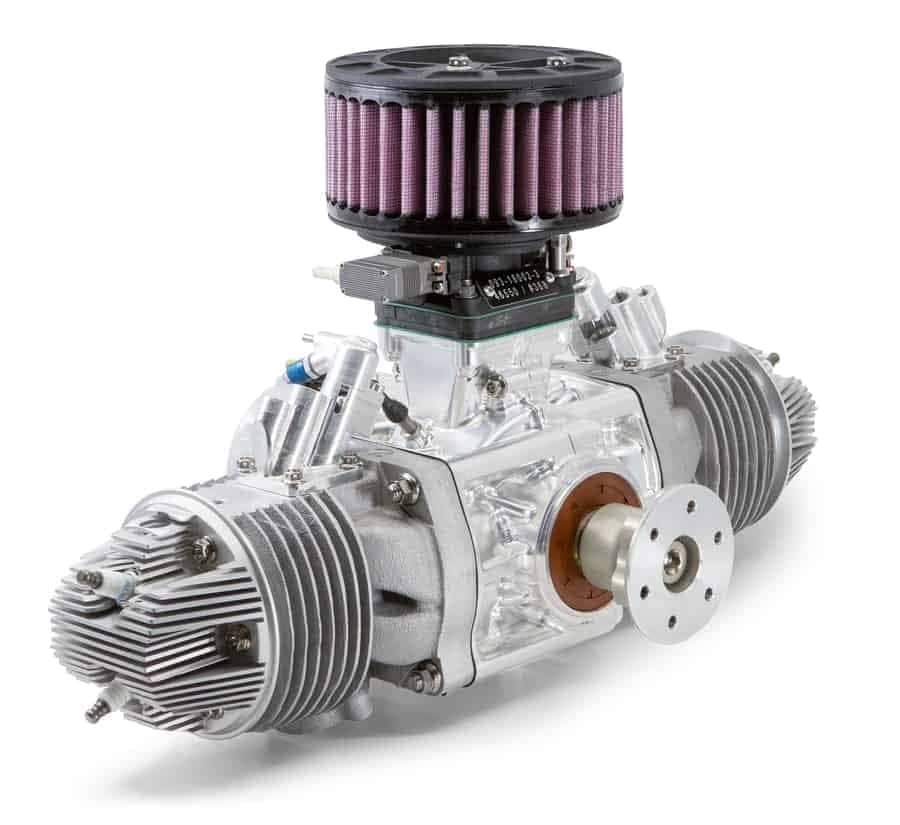
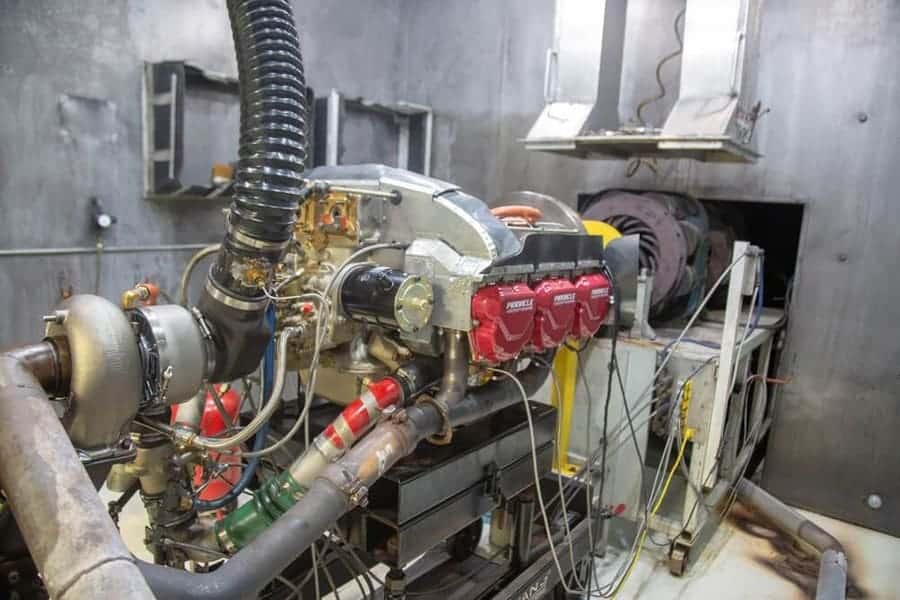
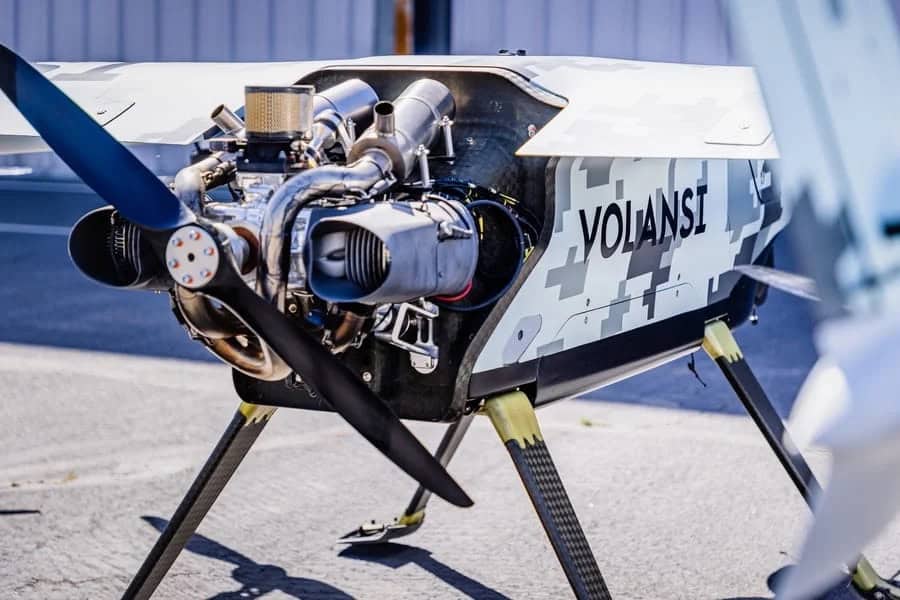
Propulsion selection for ISR must account for power, weight, fuel consumption, payload capacity, endurance, thermal stability, reliability, and, in some architectures, electrical requirements for avionics and payloads. Engine mounting and vibration control are also important because vibration can affect camera performance.
Electro-Optical and Infrared (EO/IR) payloads depend on stabilization and consistent positioning, while their imaging sensors, lenses and optical assemblies, processing electronics, thermal management systems, and supporting avionics must maintain performance through vibration, temperature changes, and extended operation. SAR, moving-target-indicator, signals intelligence, electronic sensing, communications relay, and tactical processing systems can add further demands on power, thermal management, data processing, timing, antennas, and communications infrastructure.
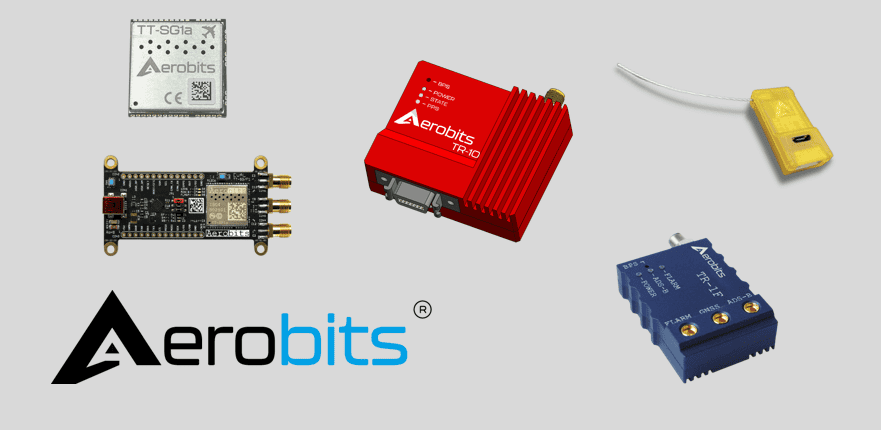
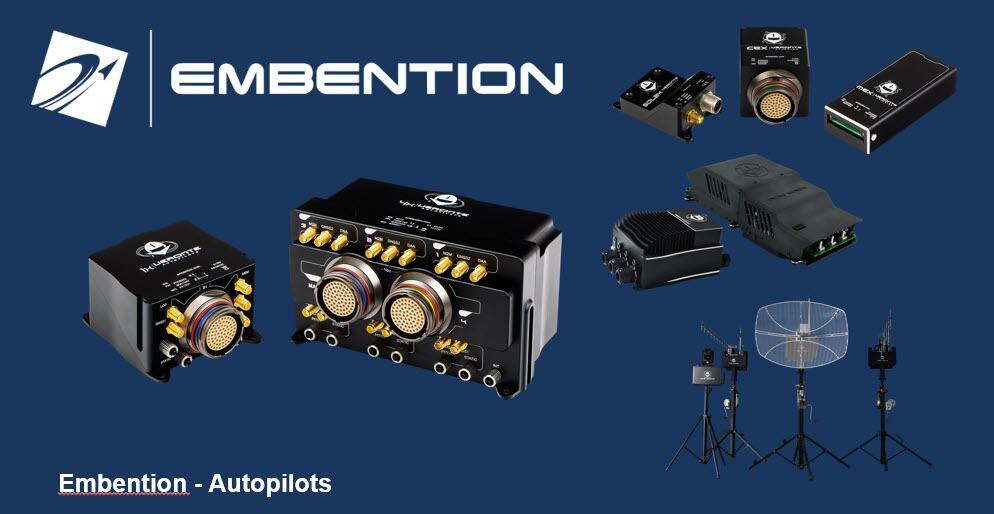
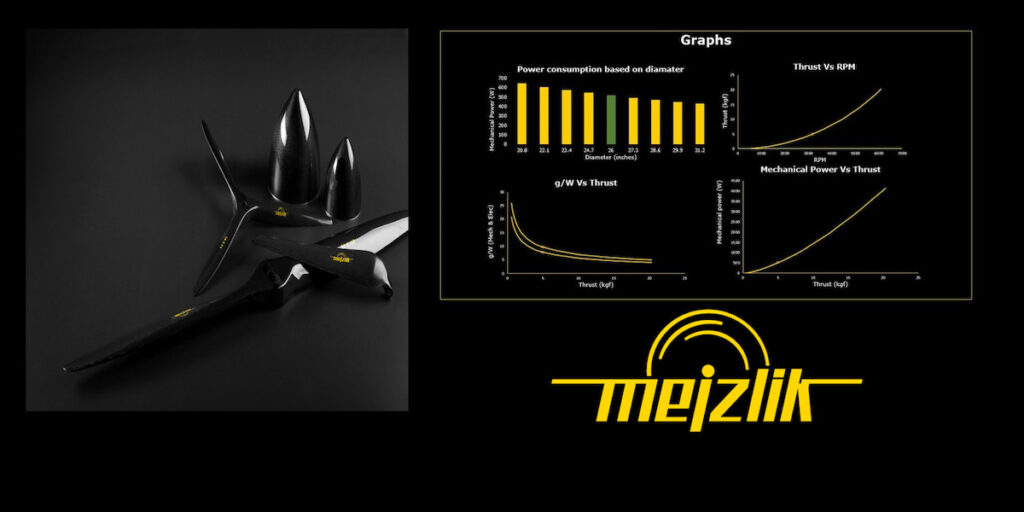
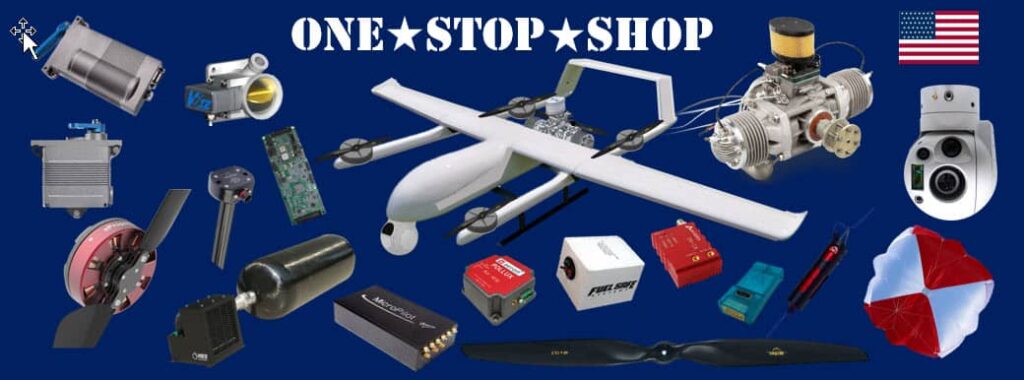
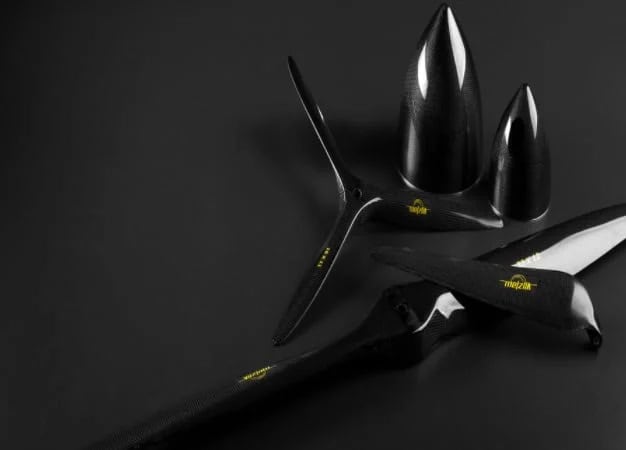
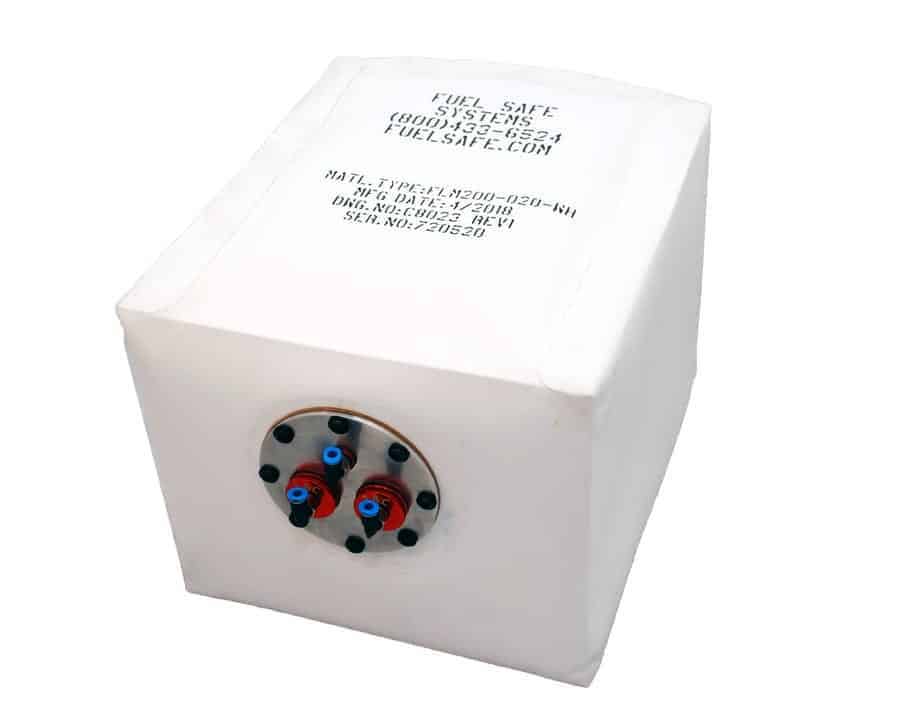
UAV Propulsion Tech sources Commercial Off-The-Shelf (COTS) and custom technologies from international manufacturers, covering propulsion and engines, fuel and engine sensors, navigation and autopilots, servos, fuel systems, propellers, fuel cells, transponders, EO/IR gimbals, sensors, launch systems, and recovery parachutes.
With more than 20 years of UAV industry experience, the company has expanded its focus from propulsion to a broader range of UAV systems. Its supplier network covers technologies from Germany, Spain, Switzerland, the United Kingdom, France, Israel, the Czech Republic, Poland, India, the Netherlands, Italy, and Estonia, while its portfolio includes both COTS and custom hardware.
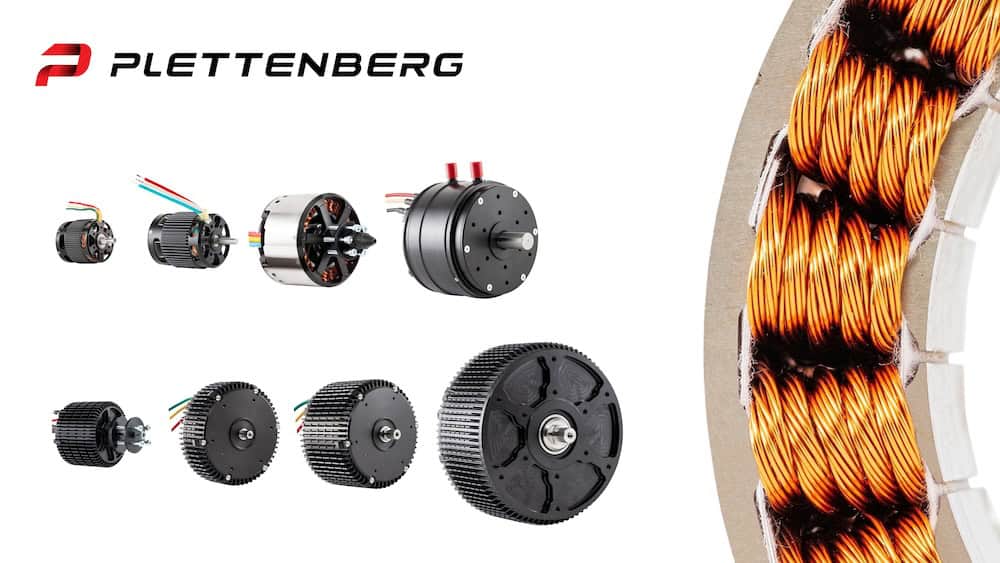
Plettenberg, for example, describes an approach that can begin with COTS or modified off-the-shelf systems before progressing toward fully customized solutions as requirements become more defined. For ISR manufacturers, the challenge is finding components that fit the aircraft’s requirements and can be integrated into a coherent, supportable system.
Read ‘Built for the Mission: UAV Component Requirements For ISR’ for more information.