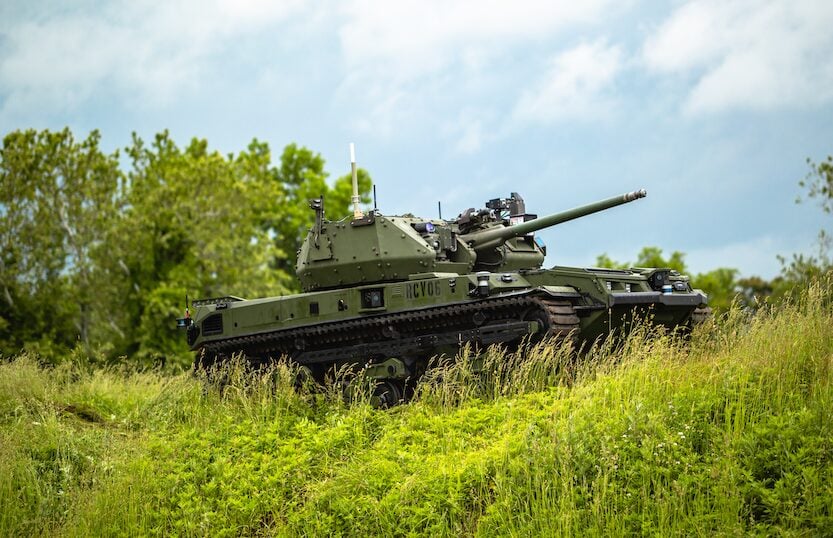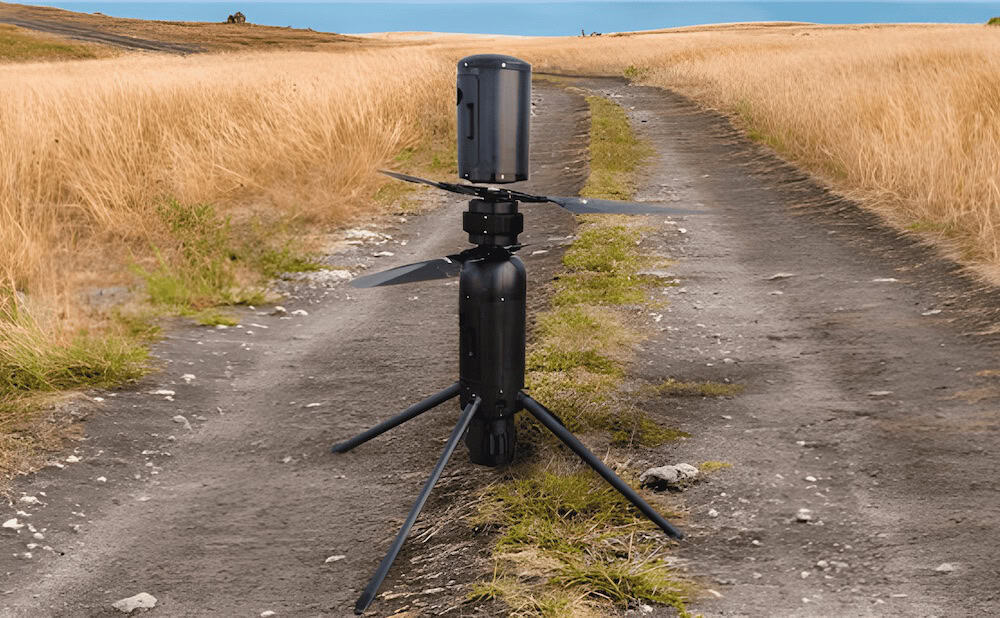

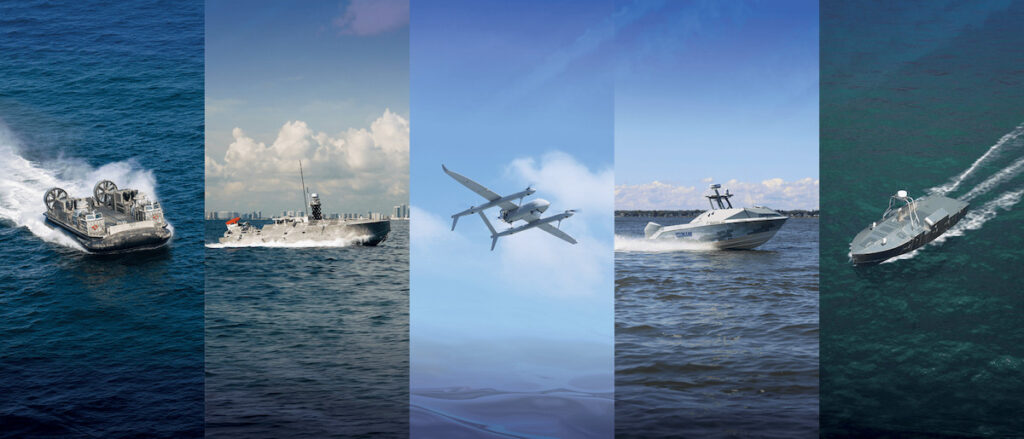
Textron Systems is advancing the use of autonomous and robotic systems for contested maritime operations, providing proven capabilities that help operators maintain effectiveness in challenging environments. Read more >>
As maritime missions become increasingly complex, organizations require systems that can extend operational reach, enhance situational awareness and reduce risk to personnel while maintaining reliability in real-world conditions.
From uncrewed aircraft and surface vessels to advanced ship-to-shore transport platforms, Textron Systems offers interoperable solutions designed to support mission execution across the maritime domain. The company’s focus on proven performance has resulted in systems capable of supporting demanding missions where readiness and adaptability are essential.
Supporting Operations in Challenging Maritime Environments
Contested maritime environments are characterized by degraded communications, harsh operating conditions and rapidly changing mission requirements. Success in these scenarios depends on systems that can continue operating effectively without ideal conditions or constant oversight.
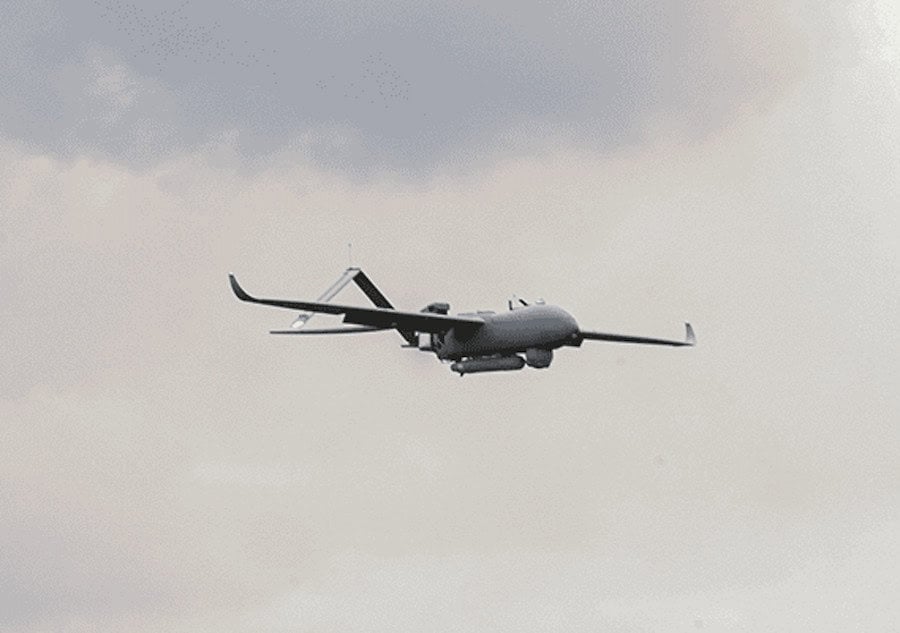
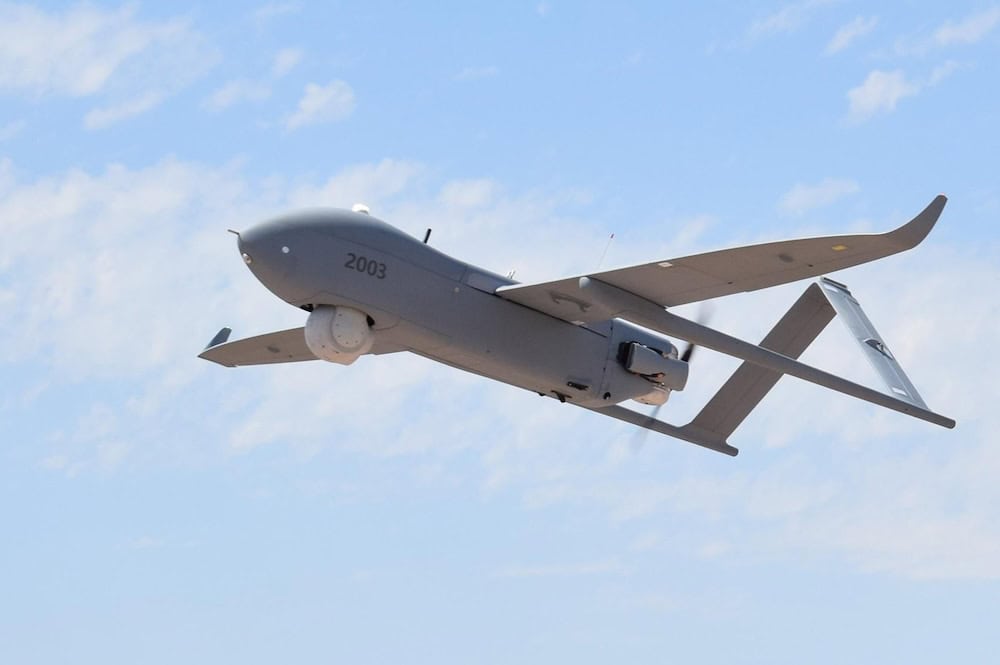
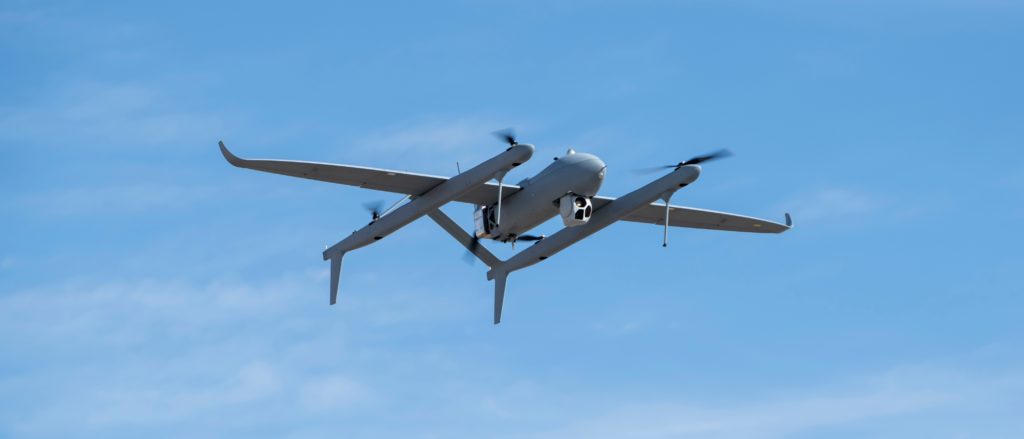
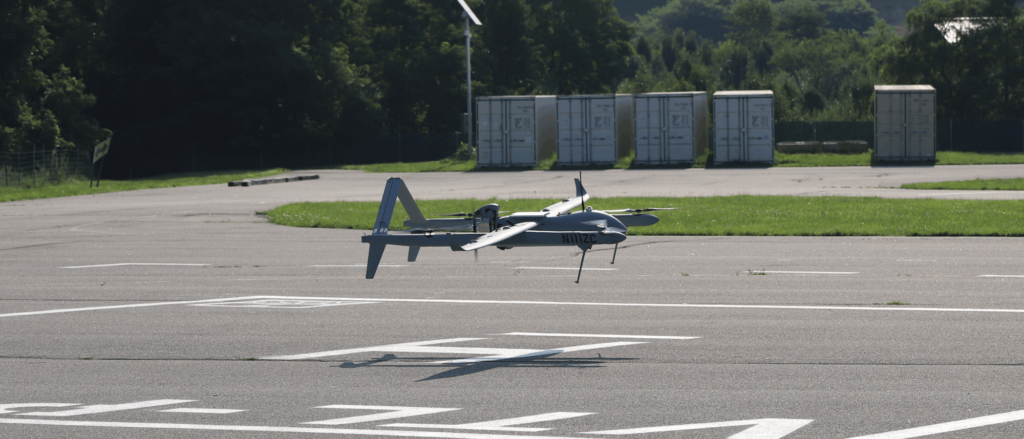
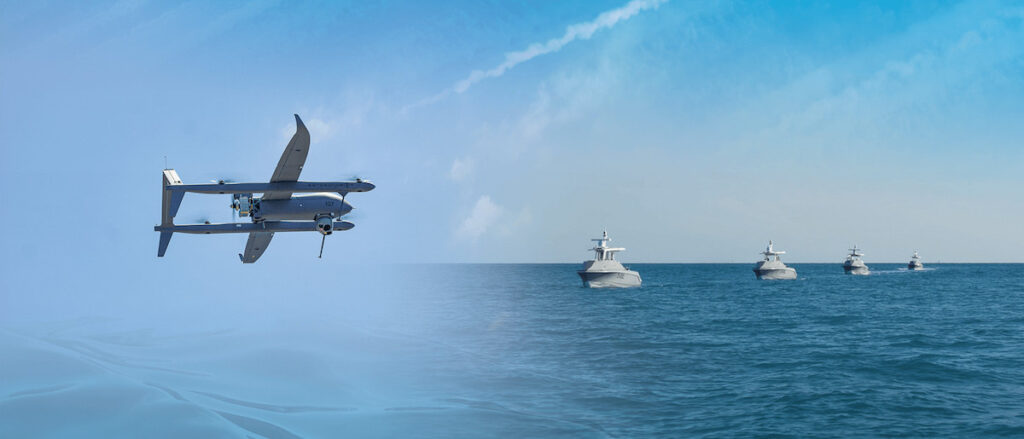
The Aerosonde® Uncrewed Aircraft System (UAS) was developed to address these challenges. Designed for expeditionary, land- and sea-based operations, the platform delivers the endurance and operational flexibility required for modern maritime missions. With more than 700,000 flight hours, the Aerosonde platform has accumulated extensive operational experience while benefiting from ongoing enhancements that improve autonomous performance and mission effectiveness.
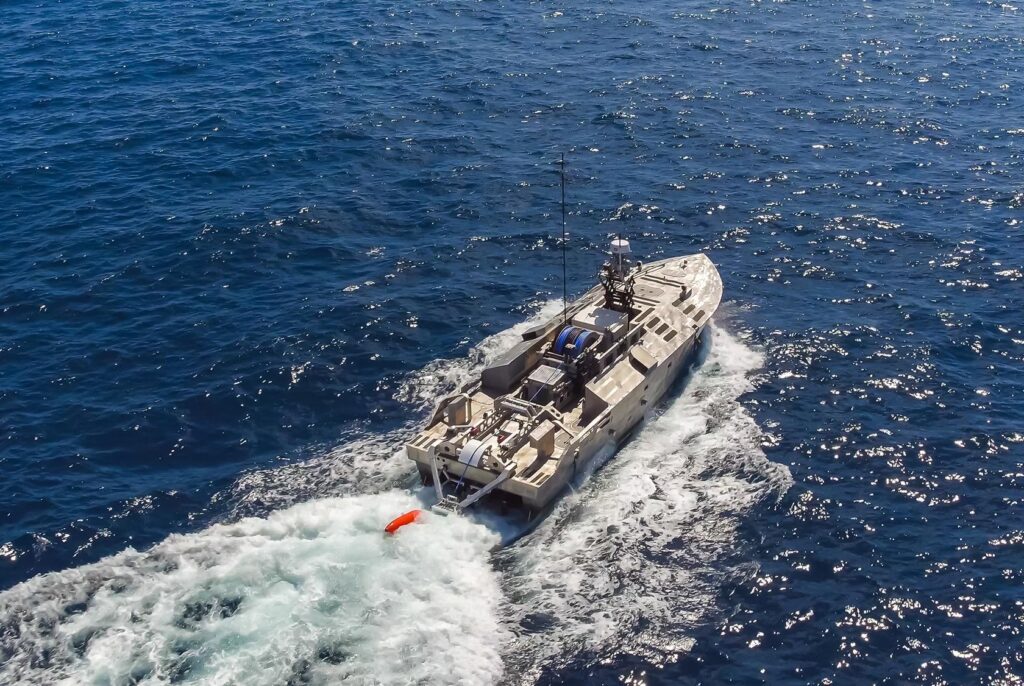
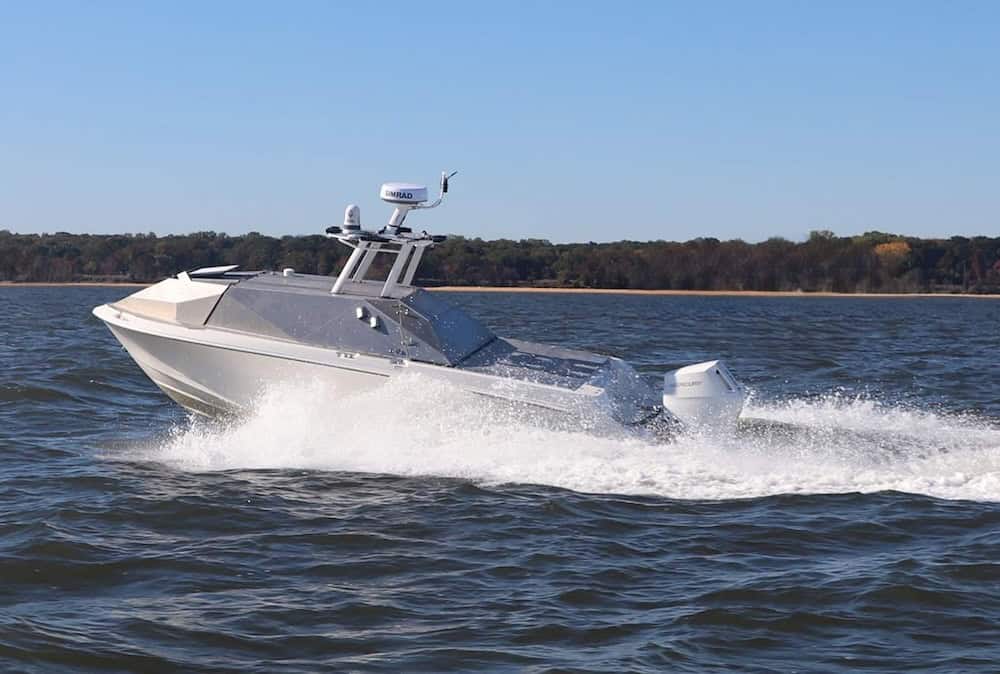
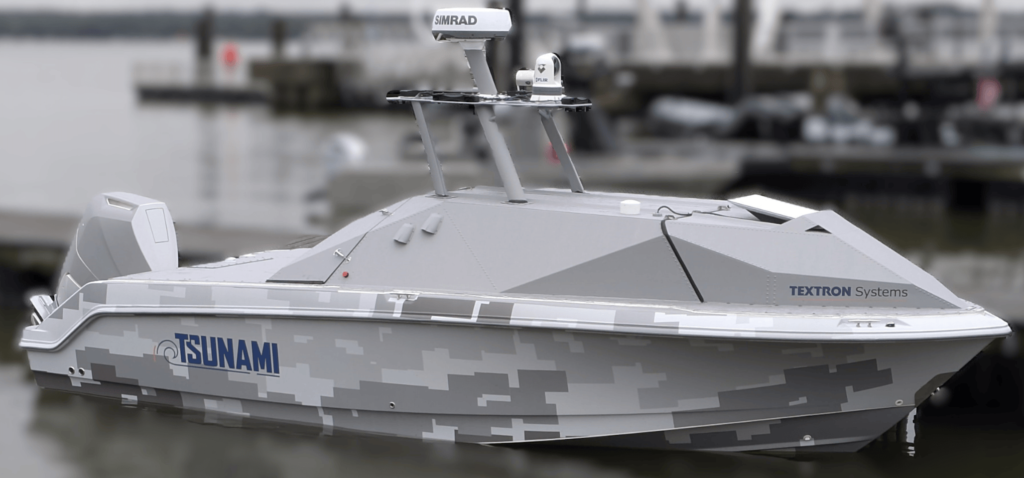
Complementing airborne operations, Textron Systems’ portfolio of uncrewed surface vehicles (USVs), including the TSUNAMI® USV, CUSV® and MMUSV, extends proven autonomous capability to the maritime domain. Designed for modularity, endurance and autonomous operation, these platforms support missions ranging from reconnaissance and payload delivery to mine countermeasures, helping provide the coverage, reach and survivability required in contested maritime environments.
Flexible Systems for Evolving Mission Requirements
Modern maritime missions often require adaptable platforms capable of supporting multiple operational roles. The Aerosonde family addresses this need through more than 40 available payload integrations and a variety of size and power configurations. These options allow operators to tailor capabilities for intelligence, surveillance and reconnaissance (ISR), communications relay and other mission-specific requirements.
Textron Systems’ USVs are similarly designed for operational flexibility. Built around rugged architectures, open systems design and scalable autonomy, the platforms can operate independently or as part of a larger unmanned team. Advanced command-and-control systems, proven payload integration capabilities and modular mission packages enable these vessels to maintain effectiveness in demanding operational scenarios.
A key strength of the USV portfolio is autonomous mine-countermeasure capability. By combining high-resolution sonar, autonomous route planning and precision payload deployment, these platforms can detect, classify and neutralize naval mines while minimizing personnel exposure to hazardous environments. In contested logistics scenarios, where undersea threats can disrupt mobility, autonomous mine-clearing operations help restore access and protect critical maritime routes.
For surface-warfare applications, the TSUNAMI USV has demonstrated the ability to integrate coordinated target-tracking sensors and support guided-munition employment concepts. These capabilities provide commanders with an adaptable platform for maritime domain awareness and precision effects.
Enhancing Mission Persistence and Operational Reach
Sustained awareness is essential for effective decision-making in maritime operations. Aerosonde provides long-endurance, ship-based capability that supports continuous awareness and informed decision-making over extended periods. Its ability to accommodate multiple payloads allows mission requirements to evolve without introducing additional platforms or logistical complexity.
On the surface, Textron Systems’ USVs contribute further persistence by supporting missions ranging from littoral sensing and route reconnaissance to minefield clearance. Together, these systems expand operational capacity while reducing complexity for operators working in contested waters.
Integrated Capability Across Maritime Domains
Achieving maritime superiority requires coordinated performance across multiple platforms rather than reliance on a single system. Textron Systems has developed its portfolio with this integrated approach in mind.
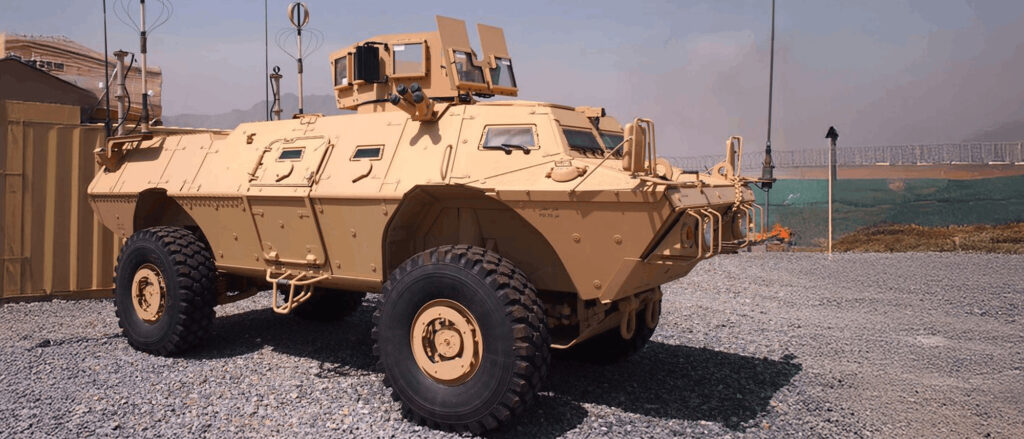
The Ship-to-Shore Connector (SSC) serves as a key component of this capability. As the next generation of the Landing Craft, Air Cushion, SSC provides a modernized and reliable platform for transporting personnel and payloads between ships and shore locations.
Its ability to traverse both land and water enables access to contested or difficult-to-reach coastal areas. Combined with the extended situational awareness provided by the Aerosonde UAS and the autonomous surface capabilities delivered by Textron Systems’ USVs, the SSC contributes to a broader operational ecosystem that supports distributed maritime operations.
Together, these platforms enhance mobility, strengthen awareness and improve operational resilience. By leveraging the strengths of each system, operators can move faster, see more and operate smarter in complex maritime environments.
Readiness for Modern Maritime Missions
Operational success in contested environments depends on systems that can adapt to changing conditions, sustain mission tempo and reduce risk to personnel. Reliability and readiness remain critical factors when mission requirements leave little room for error.
Textron Systems continues to develop and field autonomous and robotic solutions designed to meet those demands. Through a combination of proven operational experience, adaptable architectures and multi-domain capability, the company provides technologies prepared to support maritime missions in real-world conditions.
In contested maritime environments, readiness remains a decisive advantage. Through proven autonomous and robotic systems, Textron Systems continues to provide adaptable capabilities designed to support mission success wherever operational requirements emerge.