



Ground Control highlights ten common misconceptions surrounding GNSS jamming, spoofing and Assured Positioning, Navigation and Timing (A-PNT), examining what maritime operators need to understand as GNSS interference presents a significant concern for navigation. Learn more >>
These include whether a displayed GPS position can automatically be trusted, whether interference is primarily a military problem, and how compromised positioning can affect systems including ECDIS, AIS, fleet monitoring and voyage reporting.
A key distinction is between jamming and spoofing. While jamming can result in signal loss, alarms and degraded navigation performance, spoofing may leave a receiver reporting plausible but incorrect position, course, speed and track information. Shore-based monitoring may not provide an independent safeguard, as vessel and shore systems can rely on the same compromised GNSS-derived position.
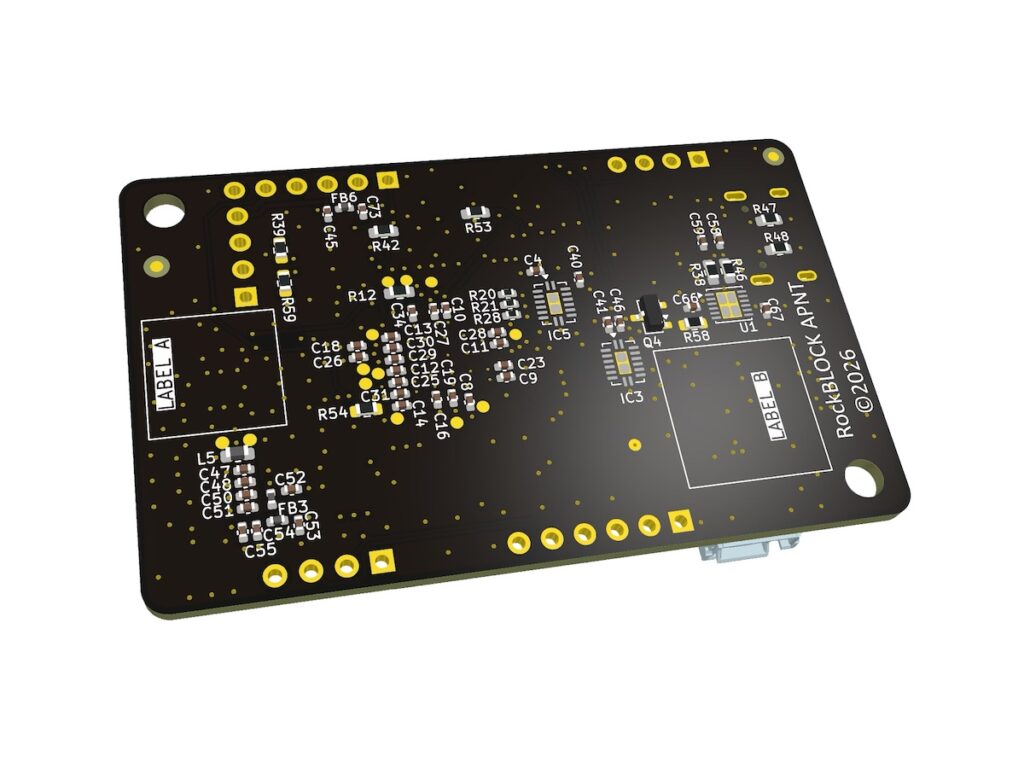
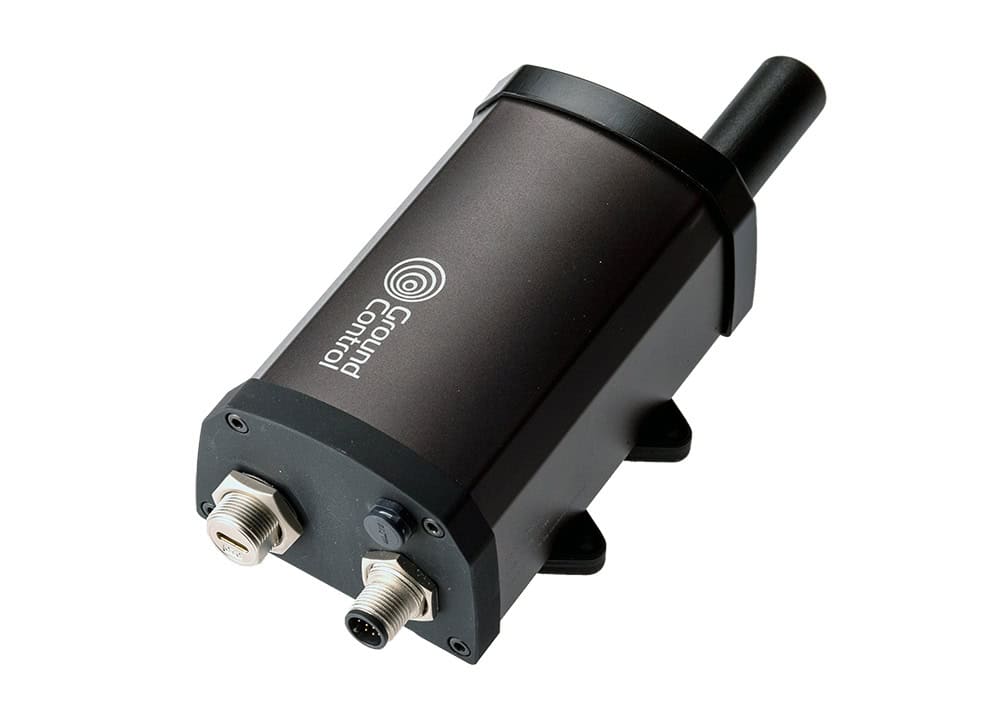
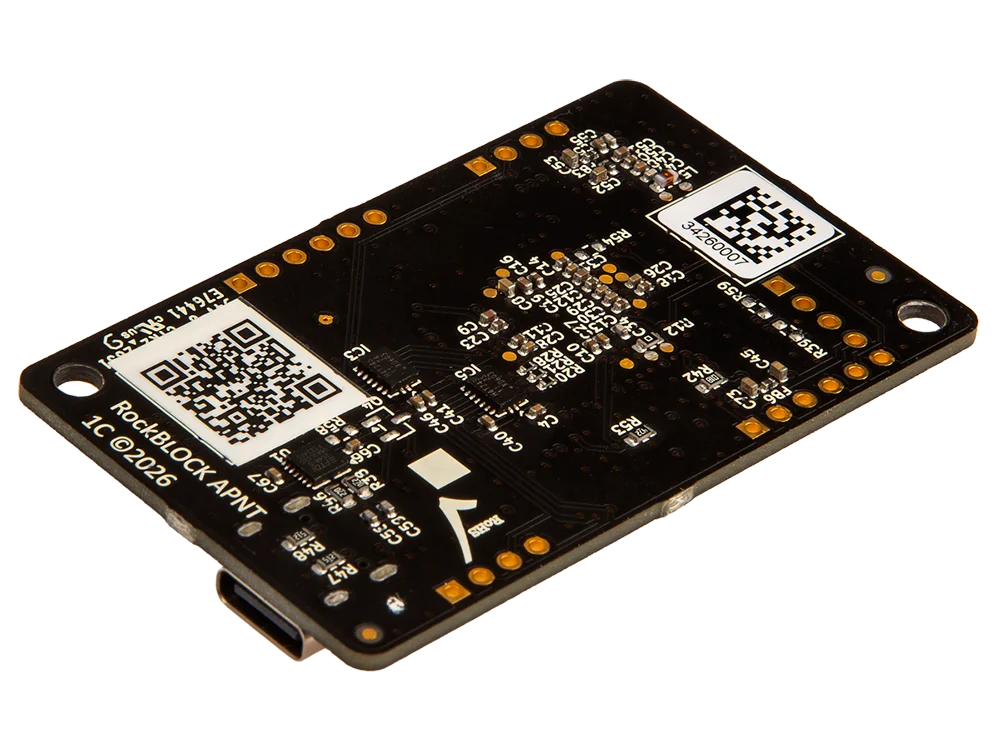
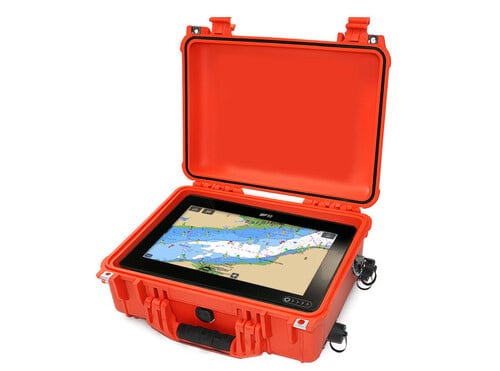
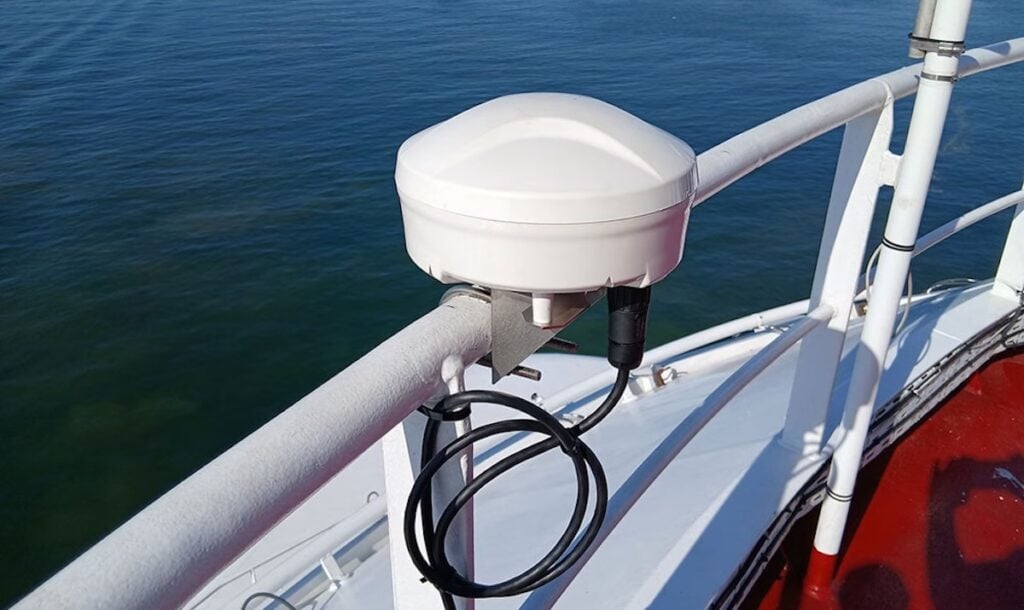
A-PNT provides an independent reference for verifying GNSS information. RockFLEET Assured uses Iridium PNT to provide authenticated positioning information, with Iridium satellites operating in Low Earth Orbit and around 25 times closer to Earth than traditional GNSS satellites operating at approximately 20,000 kilometers. According to Ground Control, the stronger LEO signal makes Iridium PNT more resilient to many forms of interference. RockFLEET Assured can also integrate with existing bridge and operational systems using standard maritime interfaces, including NMEA protocols.
The full feature explores all ten misconceptions, including the importance of positioning integrity alongside accuracy, the wider operational effects of compromised GNSS data, and the relevance of A-PNT beyond high-risk regions.