


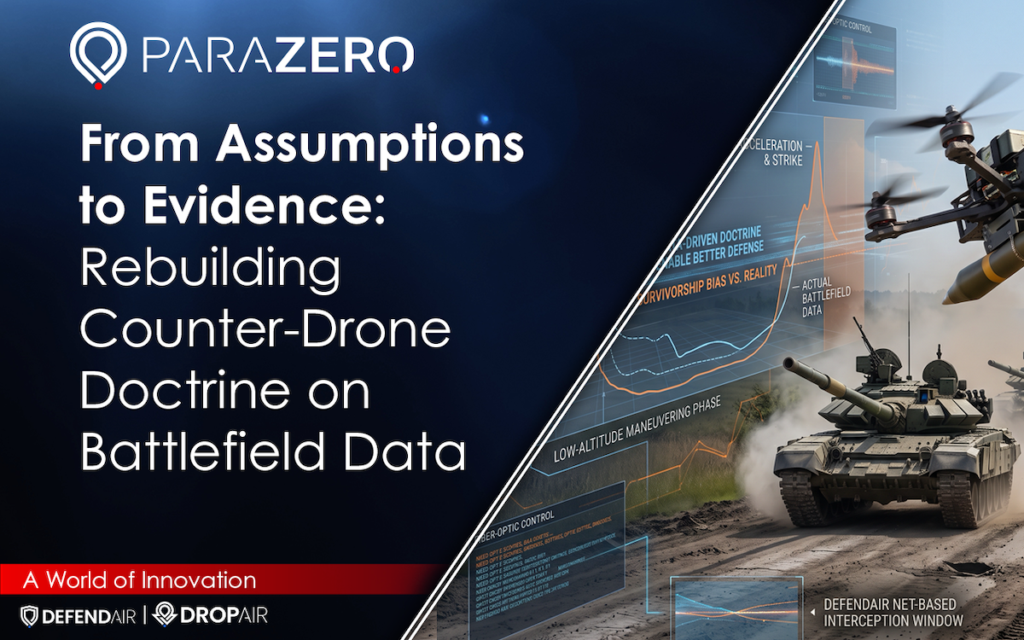
ParaZero Technologies Ltd. examines how battlefield data is challenging conventional assumptions about First-Person View (FPV) drone attacks, highlighting opportunities for close-range counter-drone defense. Read more >>
Rather than consistently approaching targets in high-speed dives, many of the FPV attacks examined involved extended periods of low-altitude maneuvering before the final strike.
Drawing on independent research by Itamar Weiss, who reconstructed flight paths, altitudes, and terminal attack profiles of Hezbollah FPV drones in Lebanon using publicly available combat footage, the analysis highlights how operators search for targets, navigate obstacles, and adjust their approach. These maneuvers can create opportunities for detection, tracking, and interception.
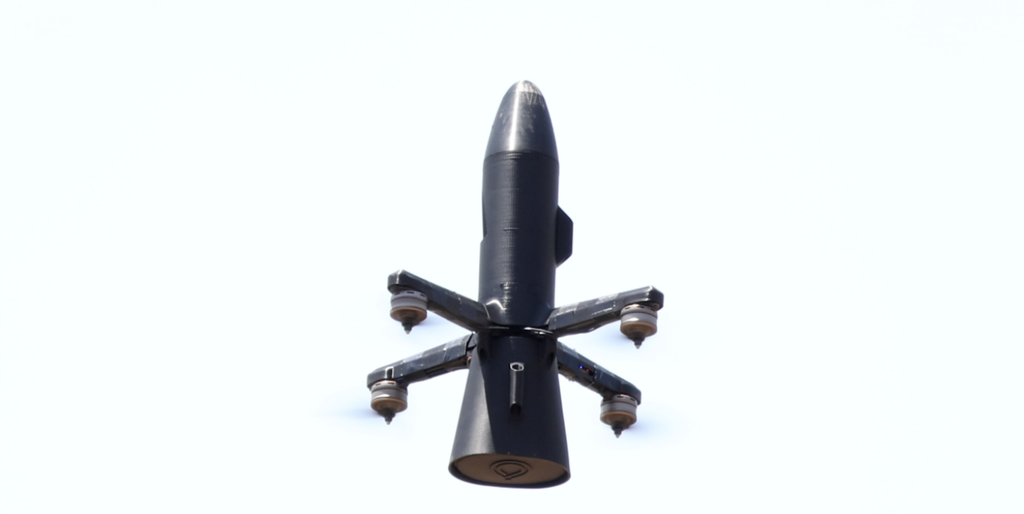
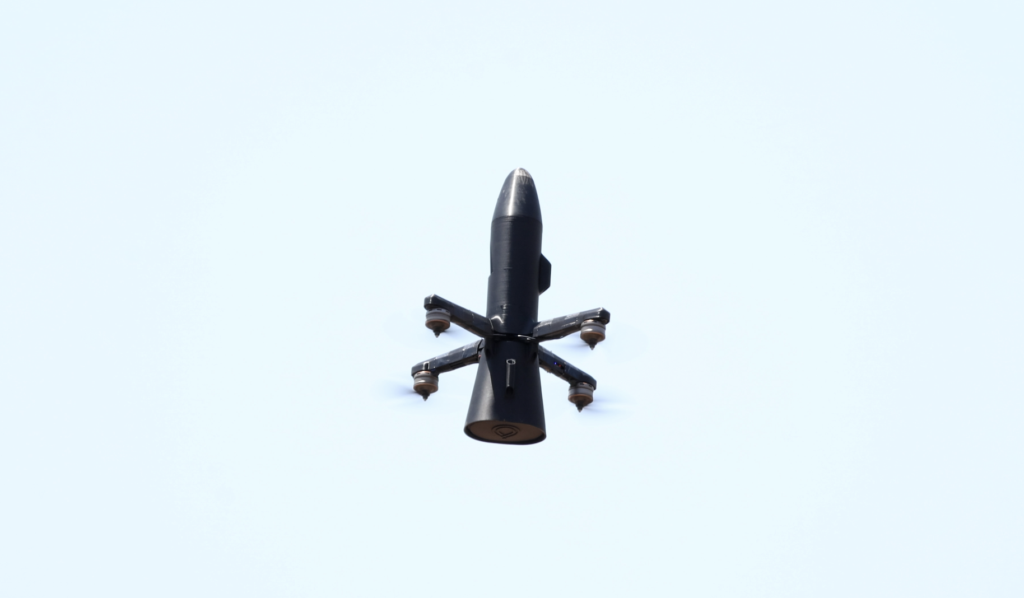
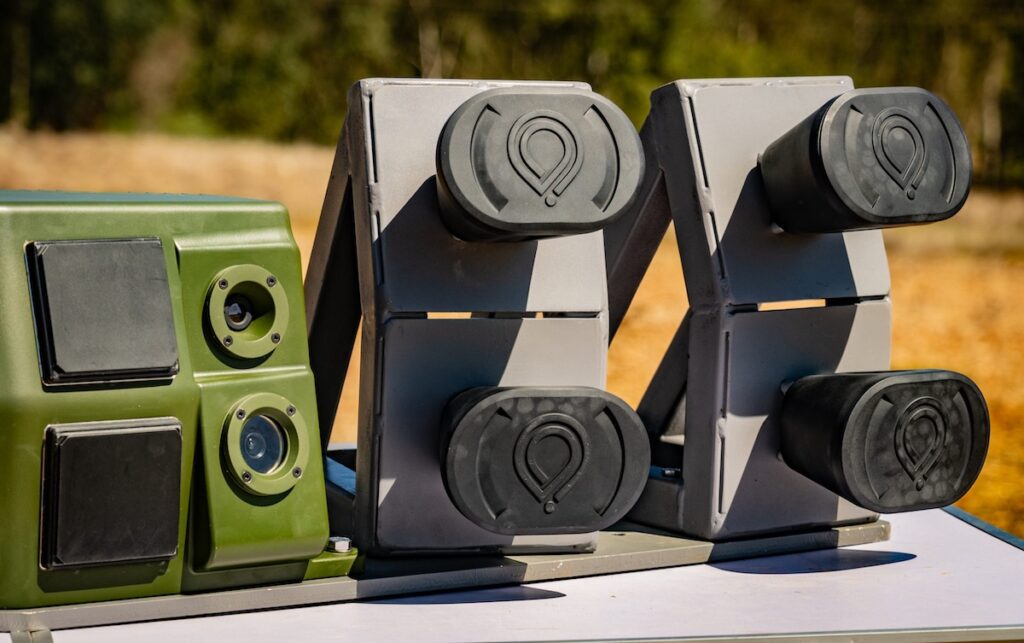
The findings have implications for layered counter-drone defense, particularly the protection of armored vehicles and other high-value assets. ParaZero’s DefendAir system uses a non-explosive, net-based interceptor to engage hostile drones at close range, a physical interception approach that does not depend on disrupting radio-frequency control links. The system has also been successfully integrated with autonomous platforms through work with Axon Vision.
The analysis emphasizes the importance of developing counter-drone doctrine based on observed battlefield behavior rather than theoretical maximum speeds, helping military planners better understand engagement windows and refine defensive strategies.
For more information, visit the ParaZero Technologies website.