Showcase your capabilities
If you design, build or supply Water Bladders, create a profile to showcase your capabilities and connect with visitors who have an active requirement for your solutions.




Military water bladders are flexible storage systems designed to hold and distribute potable or utility water during field and expeditionary operations. Configurations range from individual hydration reservoirs and vehicle-mounted systems to pillow tanks, open-top tanks, and large military water bladder tanks for temporary bulk storage.
This page features suppliers of military water bladder tanks and storage solutions for forward operating bases, disaster response, sanitation, decontamination, and water-treatment operations.
Read the Technology Overview
Expeditionary Fuel, Water Storage & Spill Containment Solutions for Defense Operations

If you design, build or supply Water Bladders, create a profile to showcase your capabilities and connect with visitors who have an active requirement for your solutions.

Military water bladders provide flexible, deployable storage for drinking water, utility water, and other operational water requirements. Their collapsible construction reduces packed volume compared with rigid tanks, making them well suited to expeditionary operations, temporary bases, remote sites, and mobile water distribution systems.
Military water tanks and related hydration systems range from individual reservoirs to large-capacity tank bladders. Selection depends on capacity, water type, environmental conditions, transport constraints, deployment method, and compatibility with pumps, hoses, fittings, treatment equipment, and potable-water requirements. For similar flexible storage requirements involving fuel, fuel bladders provide a dedicated solution for military and defense applications.

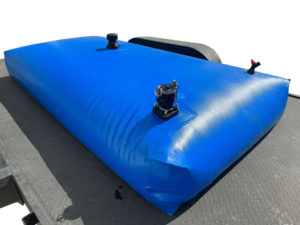
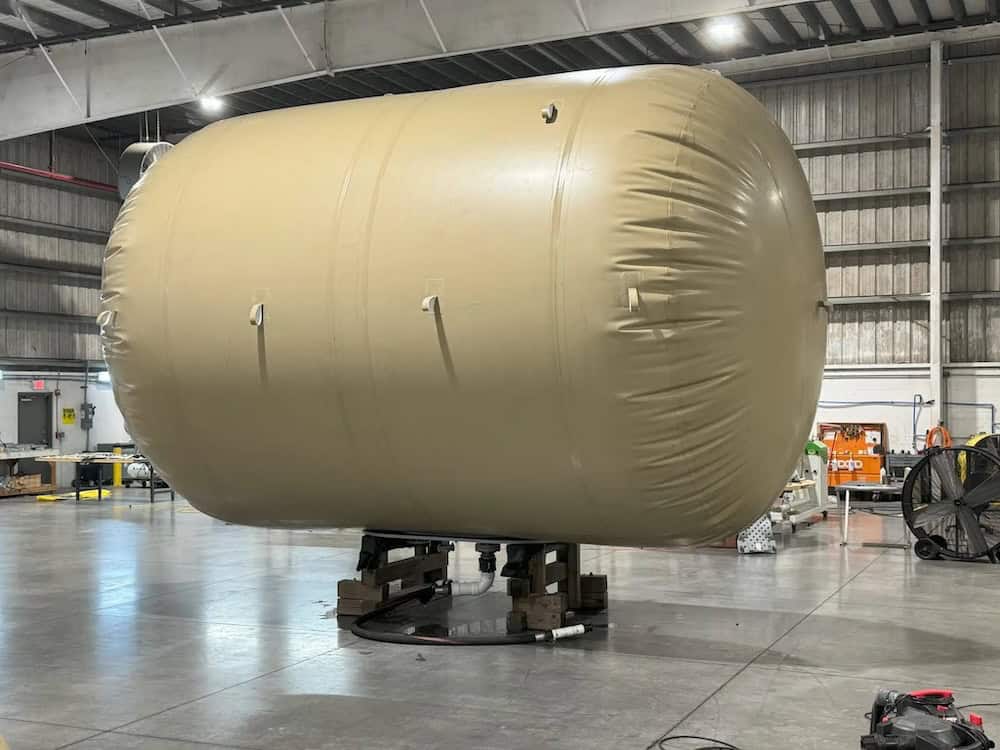
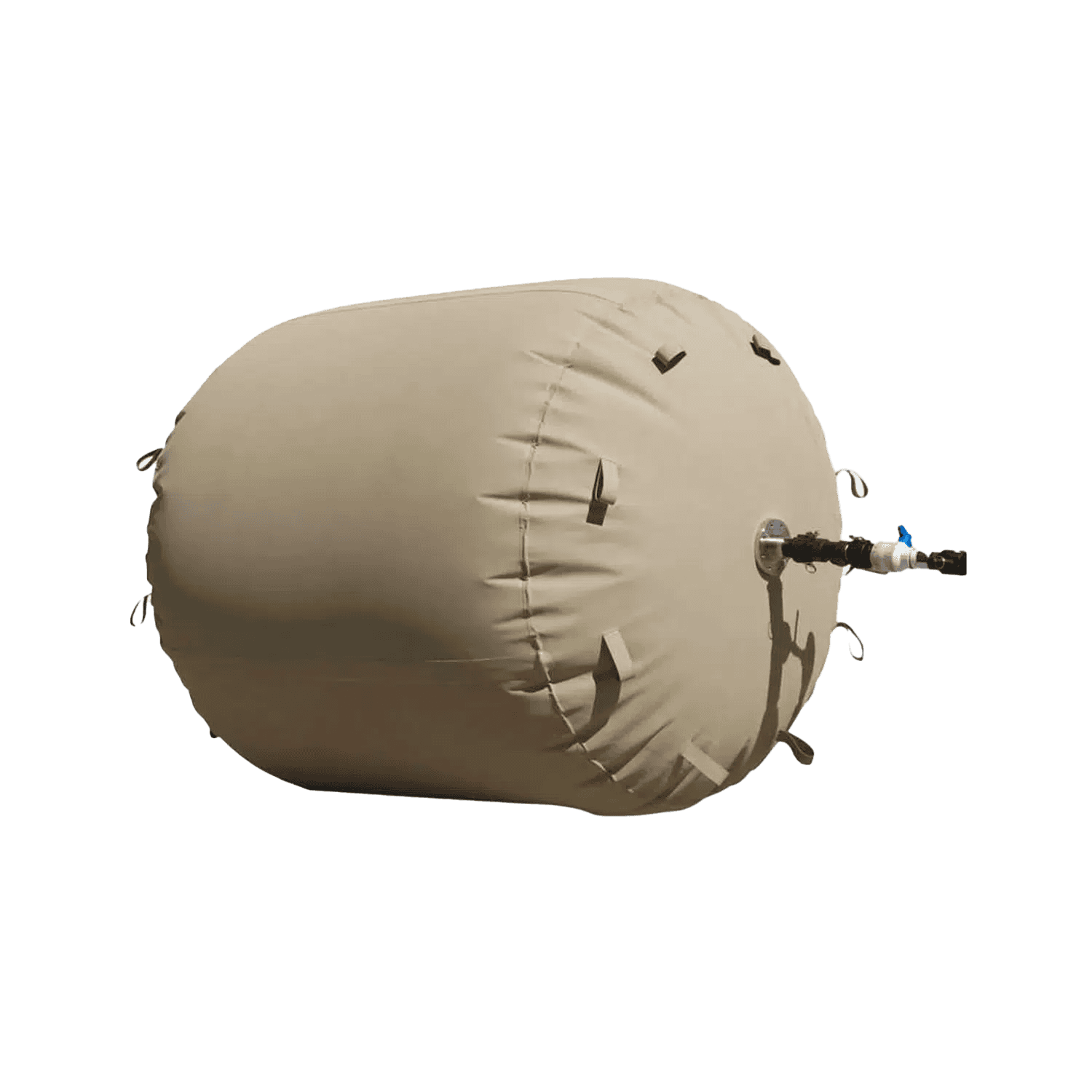
Military water bladder from Ready Containment.
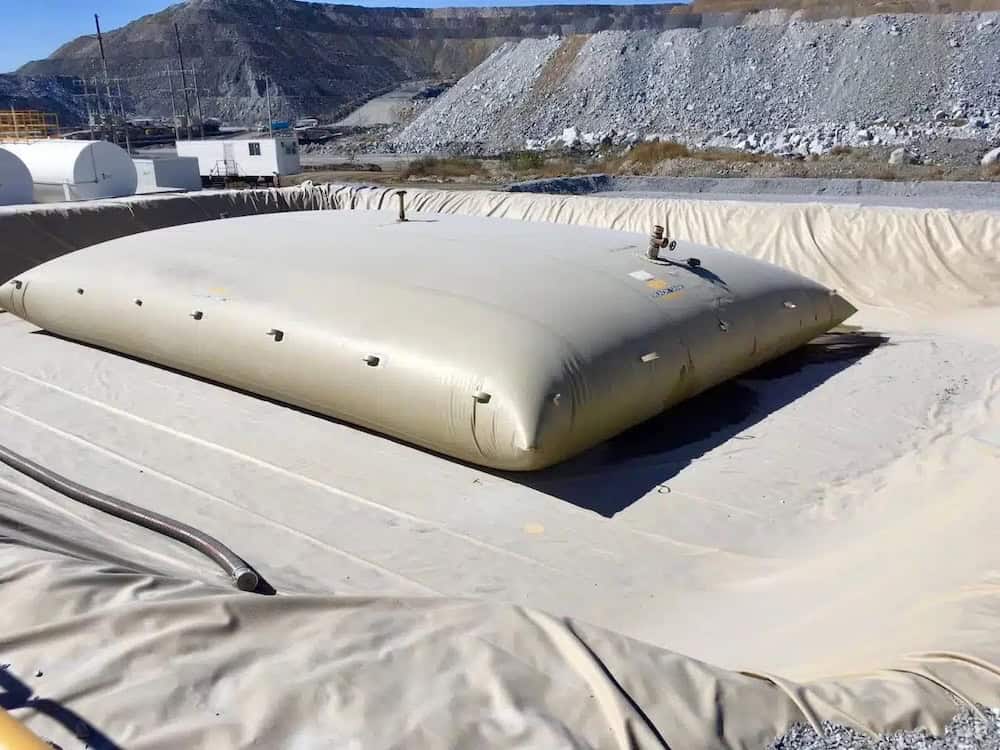
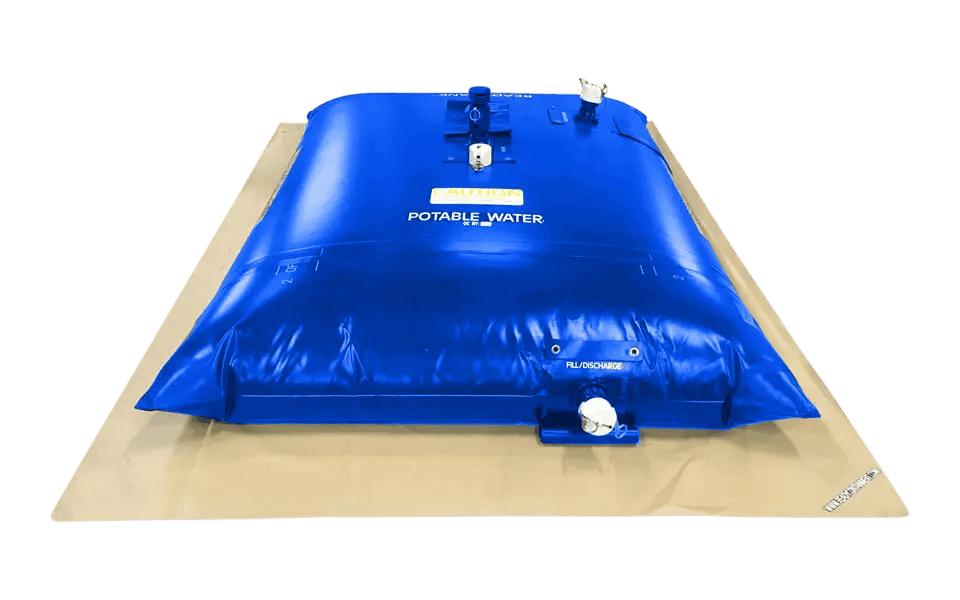
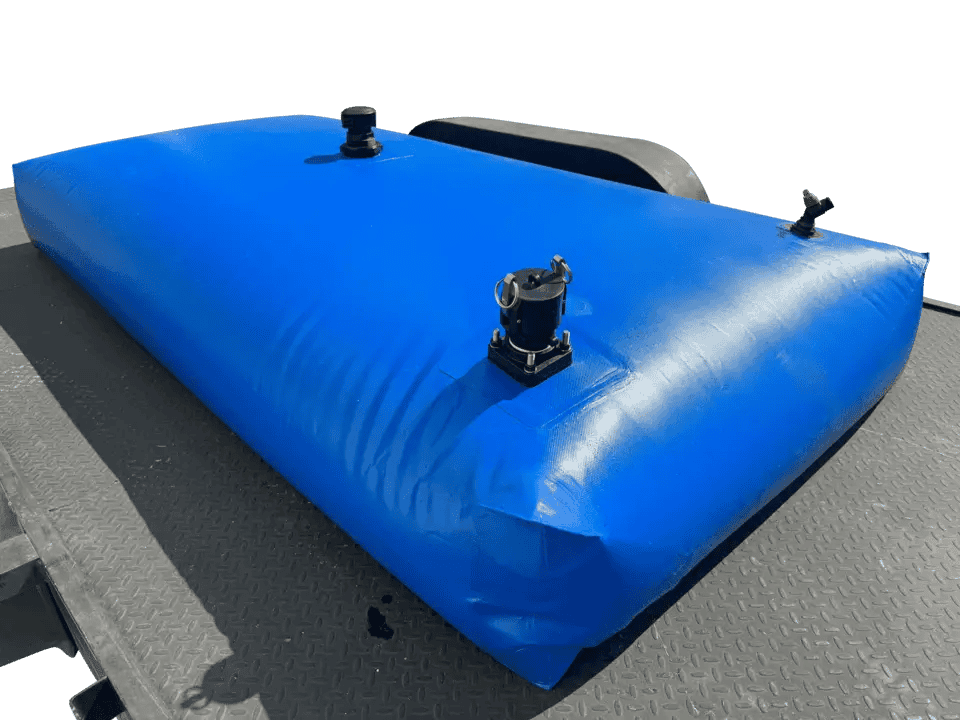
Pillow tanks are enclosed flexible reservoirs that expand as they fill, producing a low-profile shape for temporary field storage. They can be folded or rolled when empty, reducing transport volume. Larger pillow-style military water bladder tanks may connect to pumps, purification equipment, hoses, and distribution manifolds. They should be installed on a prepared, level surface protected from sharp objects and excessive abrasion.
Open-top tanks use flexible or reinforced sidewalls and remain upright without a conventional rigid tank structure. Their accessible design allows rapid filling, transfer, and equipment access, making them useful for temporary utility-water storage. Because the water surface remains exposed, they are less suitable for potable-water storage unless appropriate contamination controls are in place.
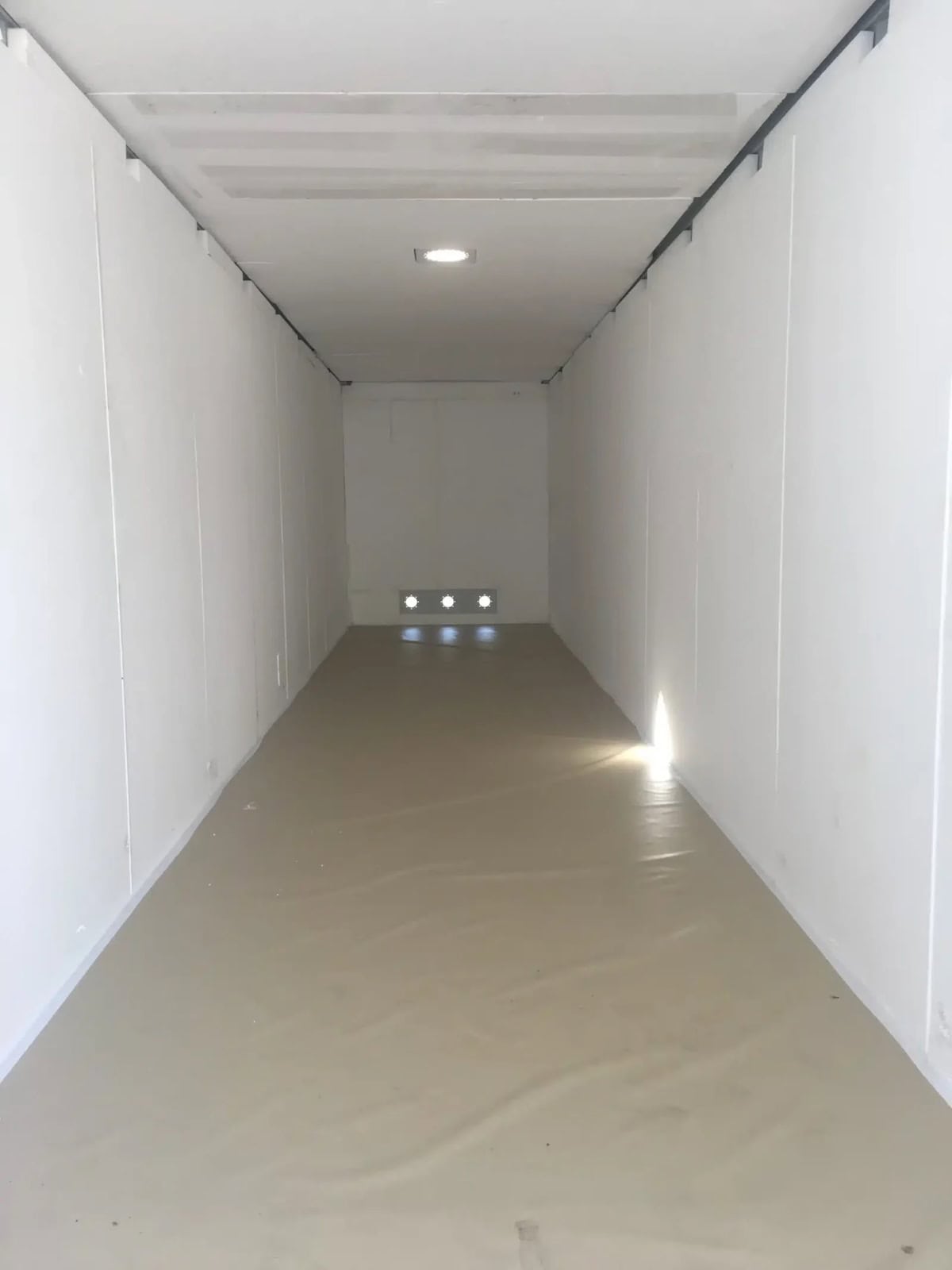
Transportable water bladders can be installed in trucks, trailers, cargo platforms, and other suitable military vehicles. Unlike a permanently installed rigid military water tank, a removable bladder can provide flexibility when vehicle roles change. The bladder must be suitable for transport use, and installation must account for filled weight, liquid movement, restraint, abrasion protection, load distribution, and payload limits.
Small military water bags and hydration bladders allow personnel to carry drinking water during dismounted operations. They typically fit inside backpacks, load-bearing equipment, or dedicated hydration carriers and may use drinking tubes. These systems require durable materials suitable for drinking-water contact and repeated filling, cleaning, movement, and handling.
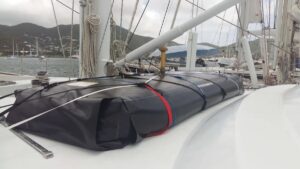
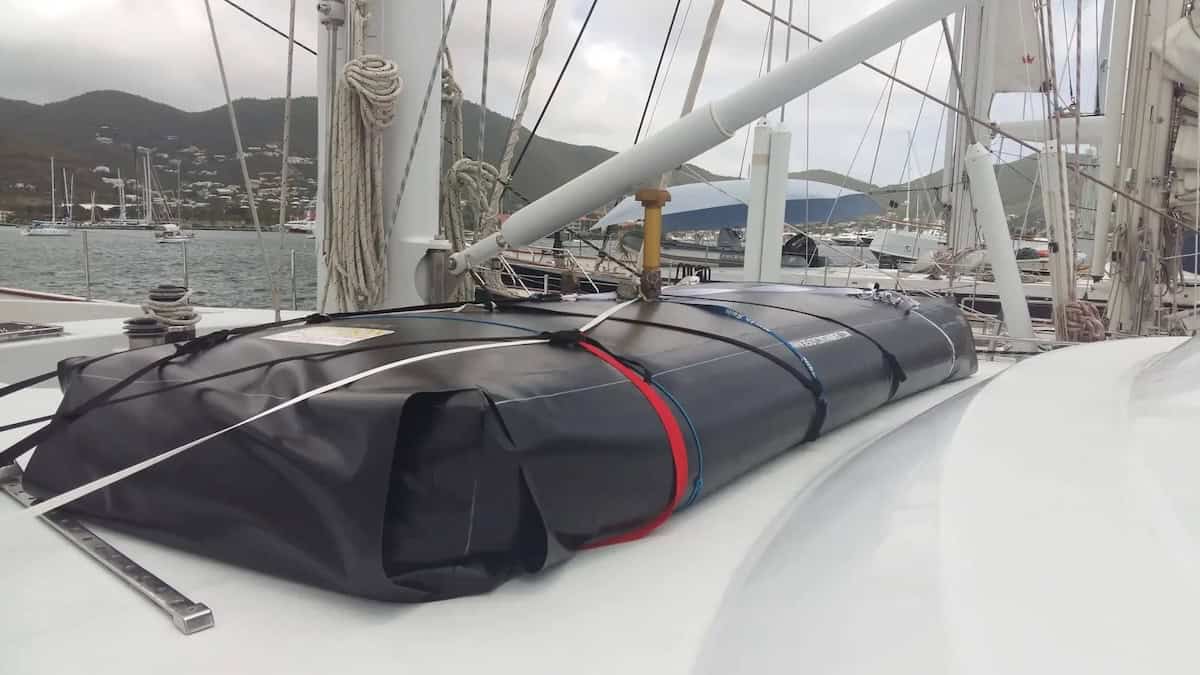
Custom tank bladders can occupy irregular or restricted spaces where a conventional rigid army water tank would be impractical. They may be integrated into vehicles, shelters, maritime platforms, or specialist equipment when designed for expected loads. Designers must consider shape change during filling, valve access, abrasion points, support, restraint, inspection, and surrounding equipment.
Forward locations require water for personnel, food preparation, hygiene, cleaning, and other support functions. Flexible military water tanks can provide temporary bulk storage near treatment and distribution equipment without permanent infrastructure. Their collapsible design also reduces the volume of empty storage equipment moved between sites.
Potable-water bladders can provide intermediate storage between purification equipment and the point of use. Treated water may be retained before distribution to kitchens, washing facilities, hydration points, or other camp services. Suitable water-contact materials, hygienic fittings, controlled filling, cleaning and disinfection, and protection from cross-contamination help maintain drinking-water quality.
Military organizations may use flexible tanks during disaster relief, humanitarian assistance, and emergencies where normal water networks are disrupted. Military water blivets can be transported compactly when empty and filled once a suitable source or treatment system is established. Multiple units can be distributed across separate locations according to demand.
Damage to pipelines, pumping stations, treatment systems, or power supplies can create an immediate need for temporary storage. Tank bladders allow water delivered by tanker, portable purification equipment, or alternative sources to be retained near the point of use until fixed infrastructure or a more permanent supply is restored.
Water bladders may supply field showers, washing stations, sanitation equipment, and certain decontamination processes. Temporary high-volume storage is useful where water must be positioned near pumps or treatment equipment. Separate, clearly controlled storage and distribution arrangements should be maintained for potable, untreated, and potentially contaminated water streams.
Radar, surveillance, communications, and observation sites may operate far from utilities or logistics hubs. Flexible military water storage can provide a reserve between resupply cycles while minimizing empty transport volume. Material durability, temperature range, UV exposure, terrain, freeze risk, and access for inspection and replenishment are particularly important at remote installations.

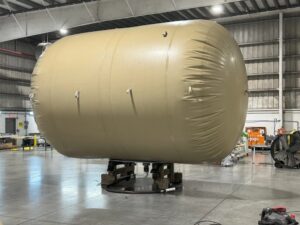
Military water bladder tank by Ready Containment.
The construction of a military water bladder affects its flexibility, durability, handling characteristics, and suitability for potable or non-potable service. Important material and manufacturing considerations include:
Material selection should consider the complete operating environment rather than capacity alone. Ground preparation, protective underlays, correct handling, compatible fittings, drainage, and dry storage between deployments also influence reliability and service life.
Development of military water storage systems increasingly focuses on monitoring, material efficiency, modularity, and water-quality management. Areas of continuing development include:
These developments are extending military water bladders beyond simple containment, allowing closer integration with expeditionary logistics, water-treatment equipment, distribution systems, and remote monitoring.


 Searching Companies & Products