Showcase your capabilities
If you design, build or supply ISR Simulation Training, create a profile to showcase your capabilities and connect with visitors who have an active requirement for your solutions.




ISR simulation training enables military forces to replicate intelligence, surveillance, and reconnaissance operations within a controlled, virtual environment. These systems support mission readiness by allowing personnel to engage with realistic ISR scenarios without the logistical costs of live exercises.
Read the Technology Overview
Specialist Global Providers of Managed Simulation Services, Products & Training to Military & Defence

If you design, build or supply ISR Simulation Training, create a profile to showcase your capabilities and connect with visitors who have an active requirement for your solutions.

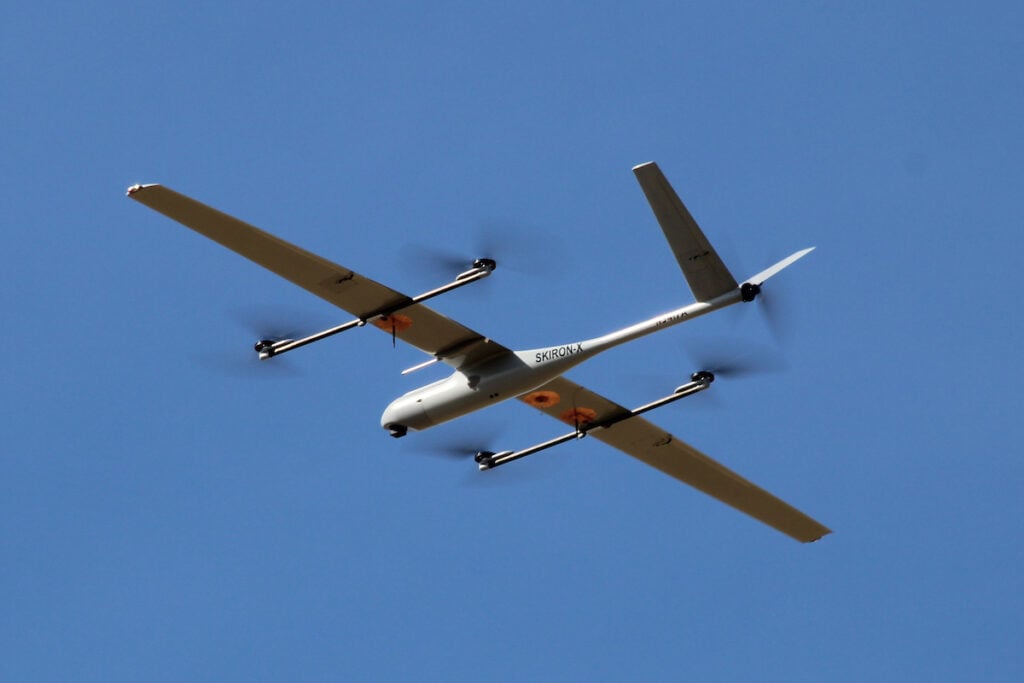
ISR simulation training systems are specialized platforms that recreate intelligence, surveillance, and reconnaissance tasks using immersive digital tools.
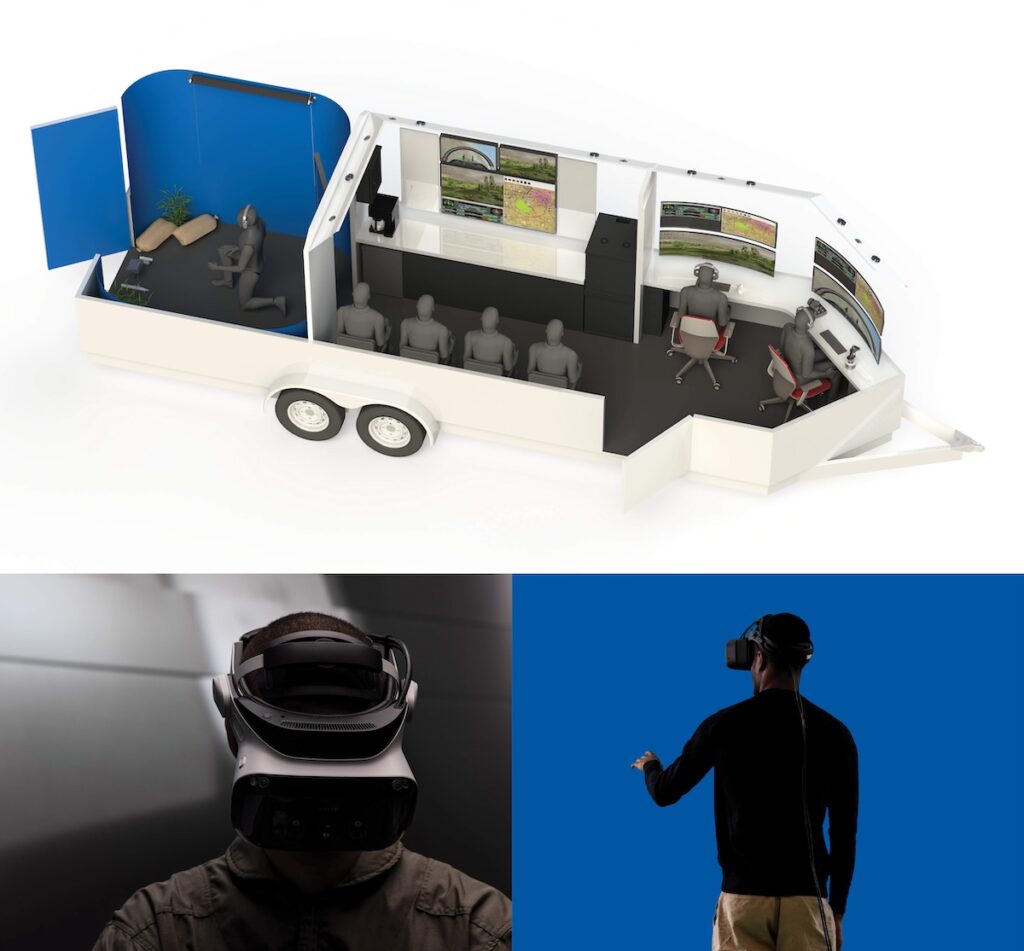
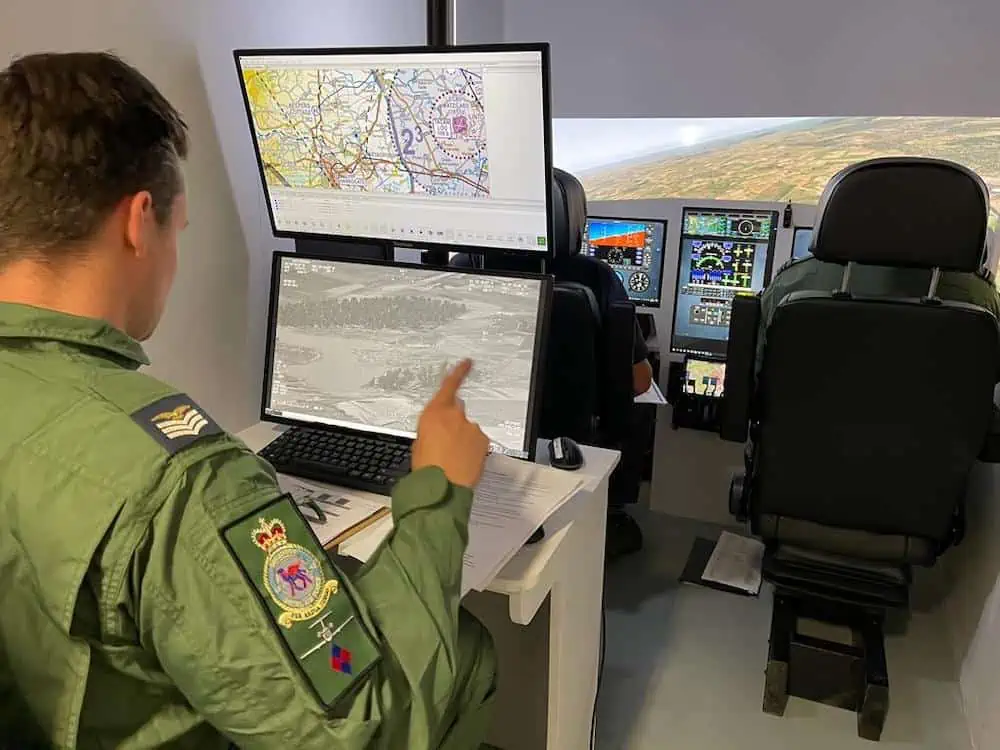
Designed for armed forces and defense agencies, these systems facilitate operator proficiency in managing ISR feeds, coordinating with JTACs (Joint Terminal Attack Controllers), and executing real-time decision-making under complex conditions.
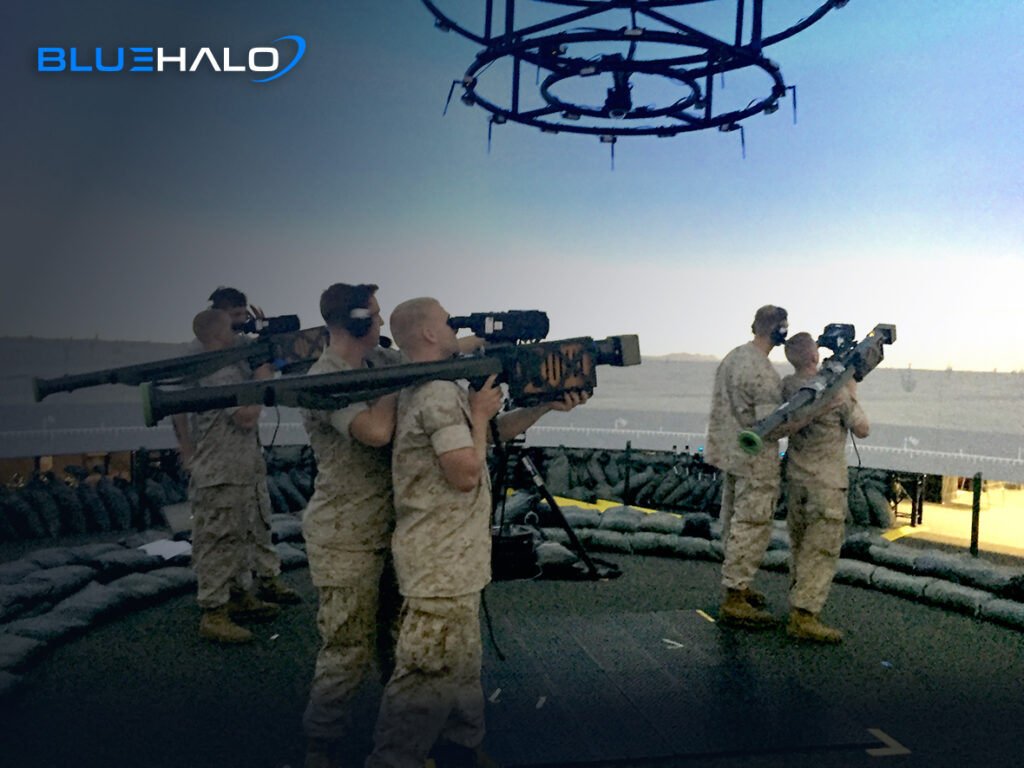
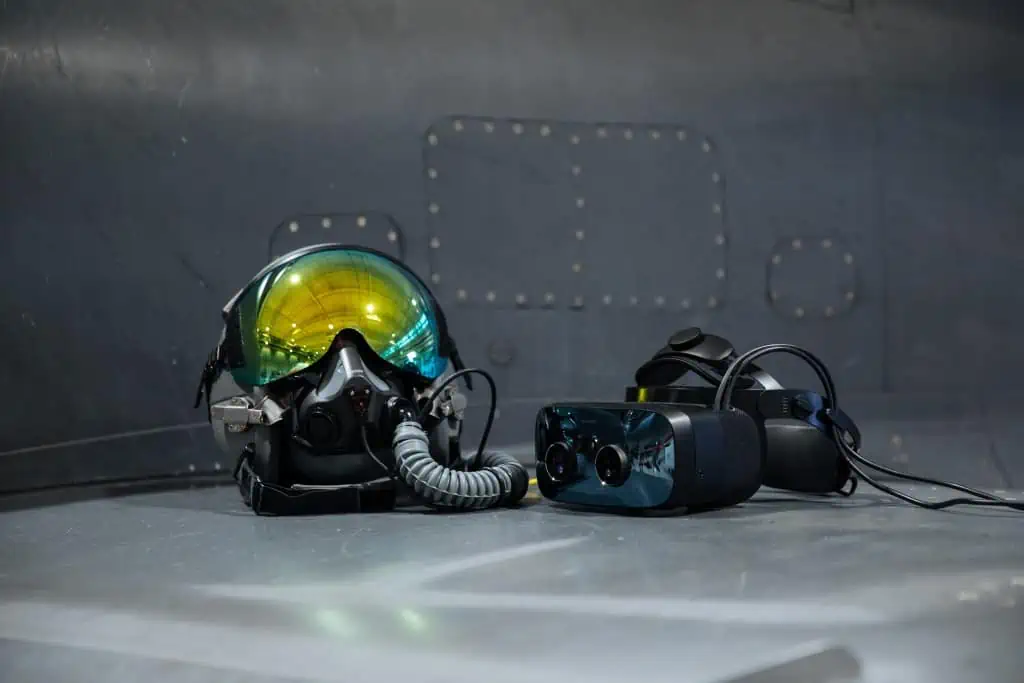
Combining virtual reality (VR), synthetic training environments, and data integration tools, ISR simulation training delivers high-fidelity exercises replicating battlefield intelligence operations. These solutions are vital for developing capabilities in sensor operation, target tracking, terrain analysis, and crisis response coordination.
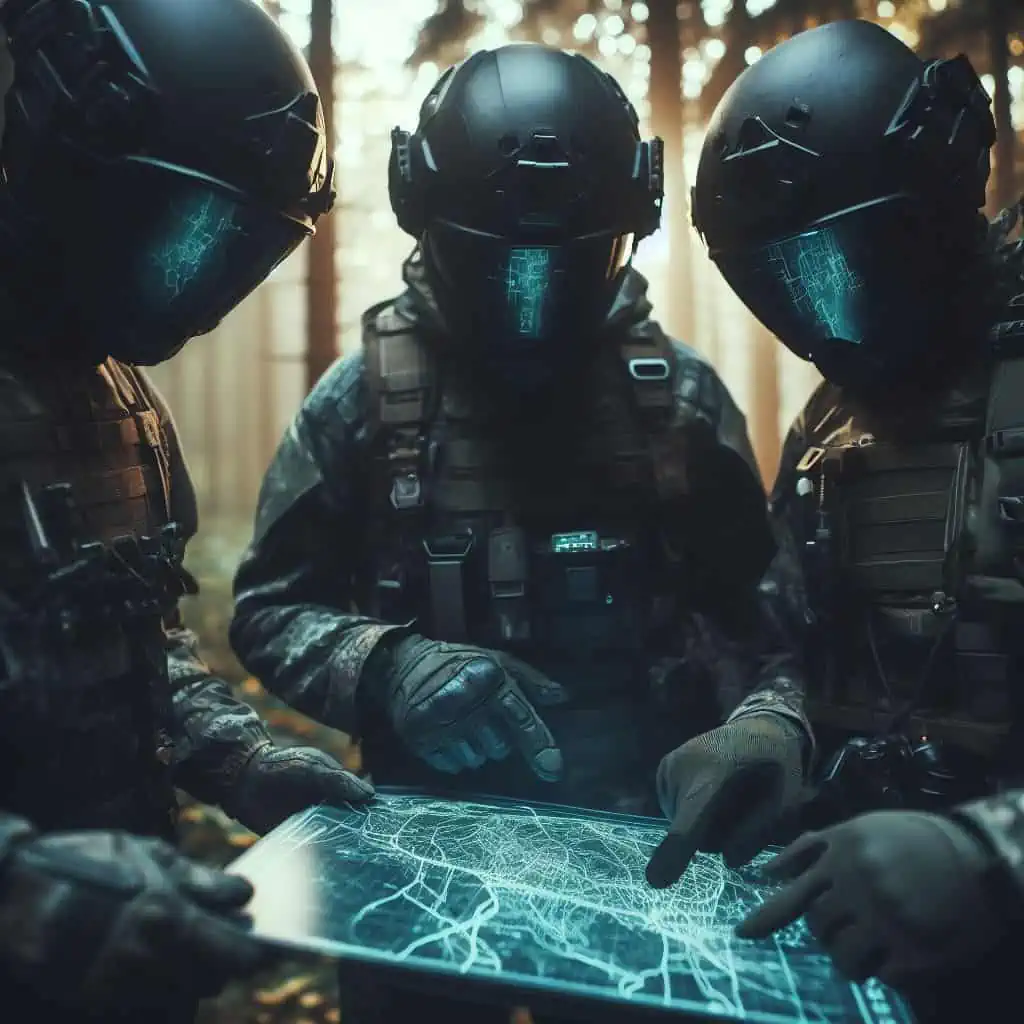
ISR simulation training is a subdomain of defense simulation focused on emulating the ISR component of military operations. It combines visual, audio, and data-driven simulations to replicate conditions where operators must process real-time surveillance data and coordinate responses. This training prepares users to interpret multi-sensor feeds, monitor target zones, communicate effectively with ground forces, and make time-sensitive decisions under pressure.
Unlike conventional ISR training, which may rely on field deployments or static classroom methods, simulation-based training provides a repeatable and flexible environment. Operators can engage with ISR scenarios featuring varying terrain, weather patterns, and threat behaviors, all modeled using synthetic training environments and scenario editors.
ISR simulation training supports a wide range of defense applications:
These systems are often integrated into joint force exercises, training academies, and simulation-based curriculum for intelligence personnel.
Several system configurations exist within the ISR simulation domain, each designed to match specific training goals:
These systems may also feature weather engines to replicate dynamic environmental conditions that affect ISR operations.
ISR simulation training systems adhere to various military and technical standards to ensure compatibility, realism, and interoperability:
Compliance with these standards ensures that ISR simulation platforms reflect operational conditions and support joint force training objectives.
Advancements in ISR simulation are incorporating more sophisticated features, including:
ISR simulation training is critical in preparing defense personnel for complex, intelligence-led operations. These systems enhance mission preparedness while reducing training costs and risks by recreating surveillance and reconnaissance scenarios in immersive virtual environments. Integration with JTAC training modules, real-time scenario editors, and multi-domain simulation frameworks positions ISR simulation as a key component of future-ready defense training ecosystems.


 Searching Companies & Products


 Subscribe to the Weekly eBrief
The latest engineering and technical developments straight to your inbox - join thousands of engineers who receive it.
Subscribe to the Weekly eBrief
The latest engineering and technical developments straight to your inbox - join thousands of engineers who receive it.