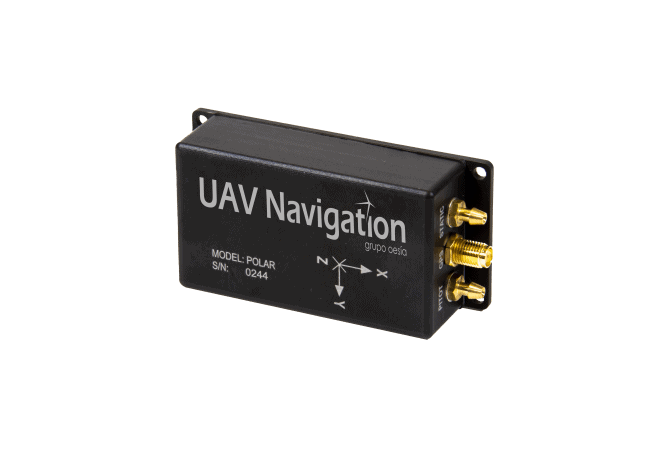




Spanish guidance, navigation, and control specialist UAV Navigation-Grupo Oesía has released the HES01, a compact heading estimation system designed to improve landing precision and navigation reliability for unmanned aircraft systems.
Engineered for installation in complex operating environments, the unit uses sensor fusion algorithms to combine dual GNSS signals with RTK precision, an integrated internal magnetometer, and a MEMS-based Inertial Measurement Unit (IMU). Through this architecture, the system provides true heading estimation with an accuracy of up to 0.4 degrees in both static and dynamic conditions without requiring an alignment maneuver.
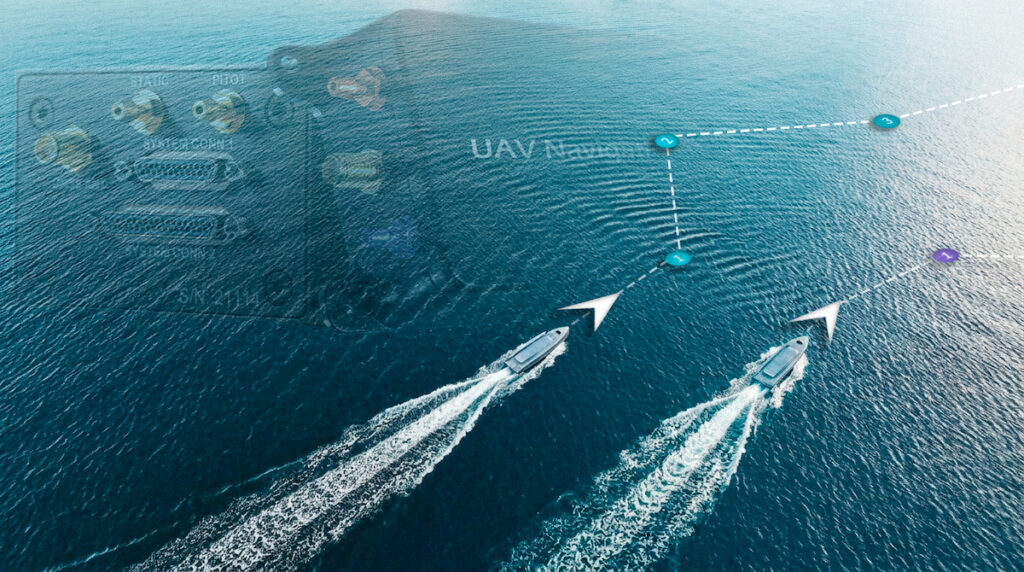
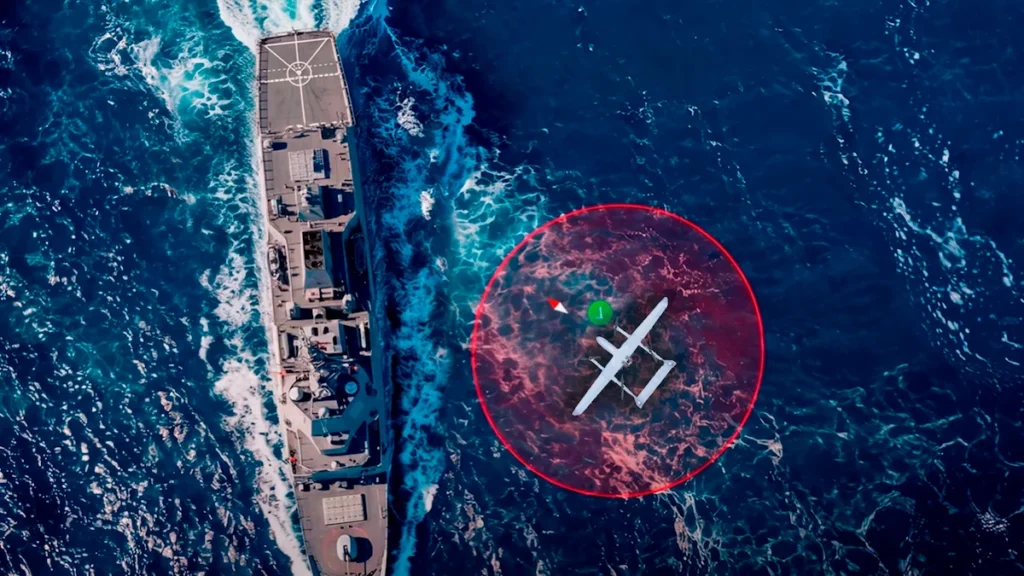
When integrated with VECTOR Flight Control Computer (FCC) autopilots and the GHU-100 Ground Hub Unit, the HES01 enables sub-centimeter landing accuracy. This capability supports RTK-based autonomous recovery on moving decks, such as maritime operations where a landing point moves with a mothership. In these scenarios, RTK corrections establish centimeter-level relative positioning while the internal IMU compensates for GCS motion, including pitch, roll, and vertical movement caused by swell.
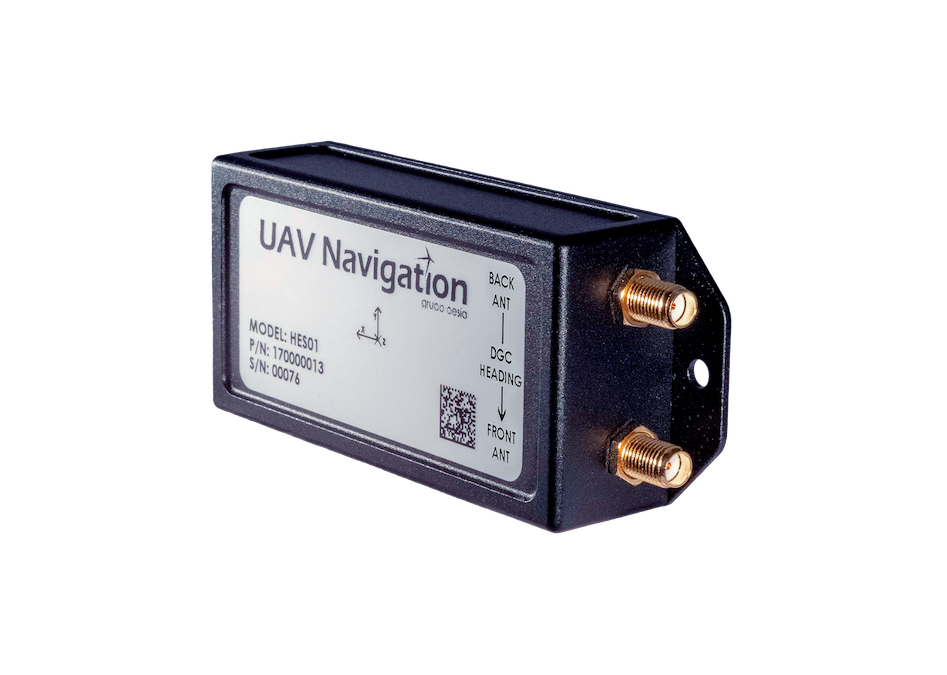
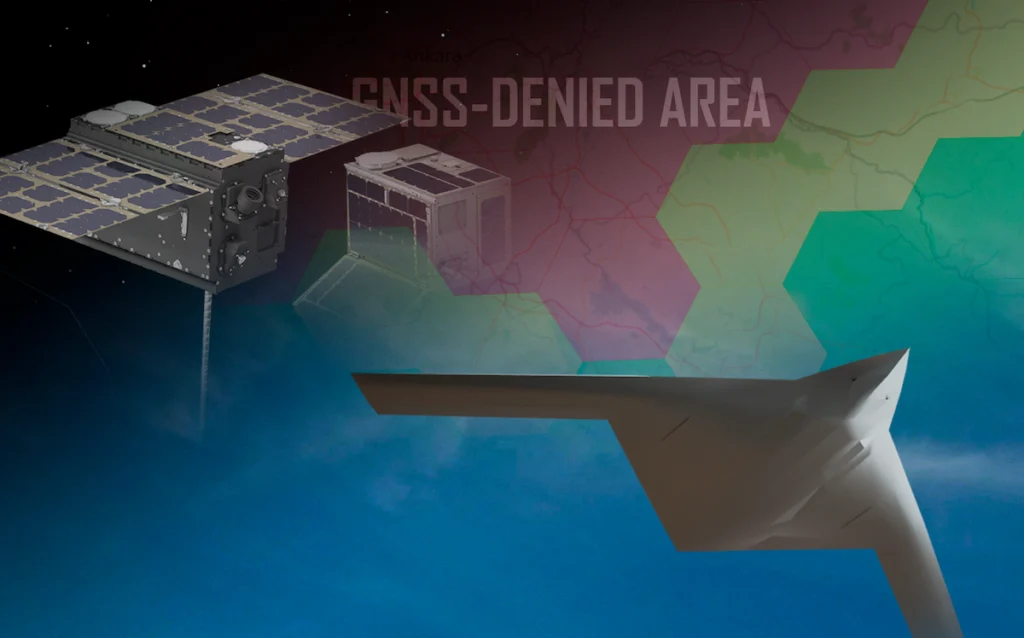
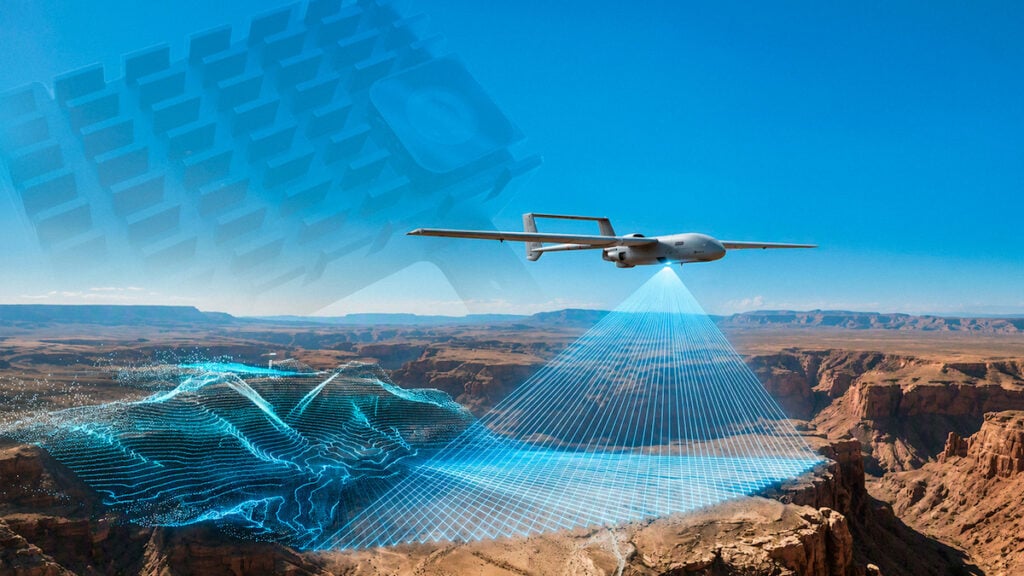
Beyond landing phases, the system serves as a heading reference for GNSS-denied navigation and dead reckoning flight in hostile or contested environments, including applications involving effectors and loitering munitions. In these conditions, it works alongside vision-based systems such as the company’s Visual Navigation System (VNS01). To maintain reliability under Electro-Magnetic Interferences (EMI), the HES01 continuously validates magnetic data against GNSS-derived heading to identify inconsistencies before they can degrade the navigation solution.
Aligned with New Defense industrial strategies, the release expands the company’s portfolio of unmanned vehicle navigation hardware.
Miguel Ángel de Frutos, Managing Director at UAV Navigation-Grupo Oesía, commented, “Despite our flight control and navigation systems already offering some of the most accurate heading estimation and navigation available in the market, we continue to push the boundaries of innovation. The HES01 represents our ongoing commitment to advancing UAV technology and delivering solutions that meet the most demanding operational requirements.”