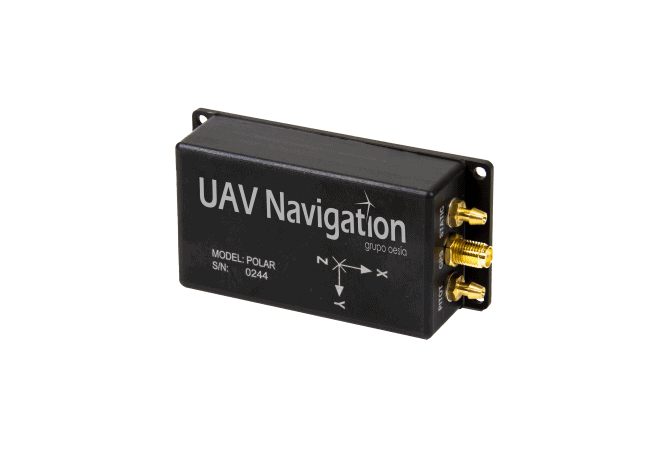
UAV Navigation-Grupo Oesía has released software version 9.2 for its VECTOR autopilot line, bringing enhanced modularity, interoperability, and multi-domain capabilities to high-performance Unmanned Surface Vehicles (USVs).
This software update arrives during a period of structural transformation in the maritime domain, driven by the expanding operational deployment of USVs in recent conflicts and the necessity to operate within contested or communications-degraded environments. By utilizing an open, interoperability-driven architecture, the new version facilitates seamless integration with third-party payloads, sensors, command-and-control systems, and artificial intelligence-based decision-making software.
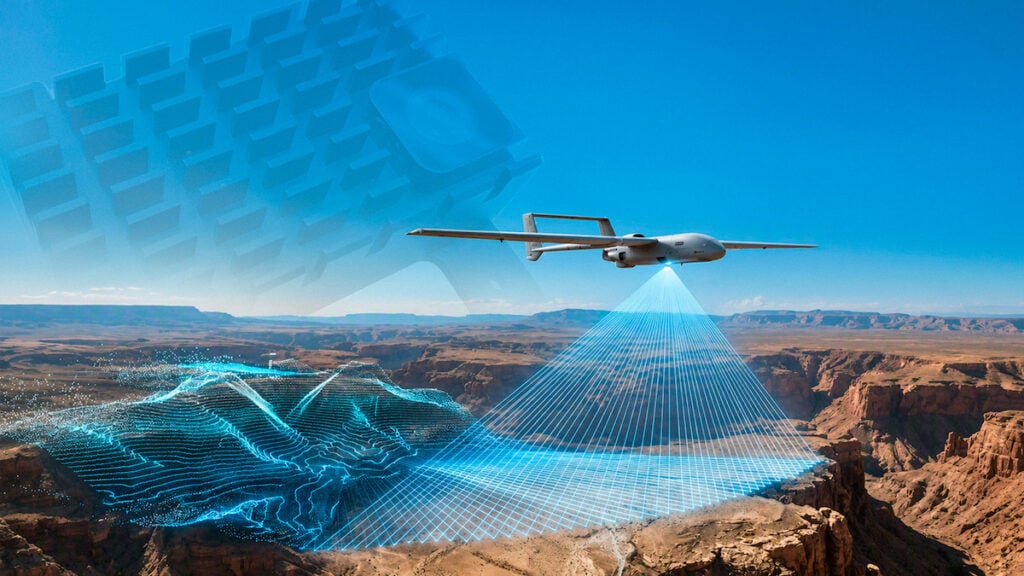
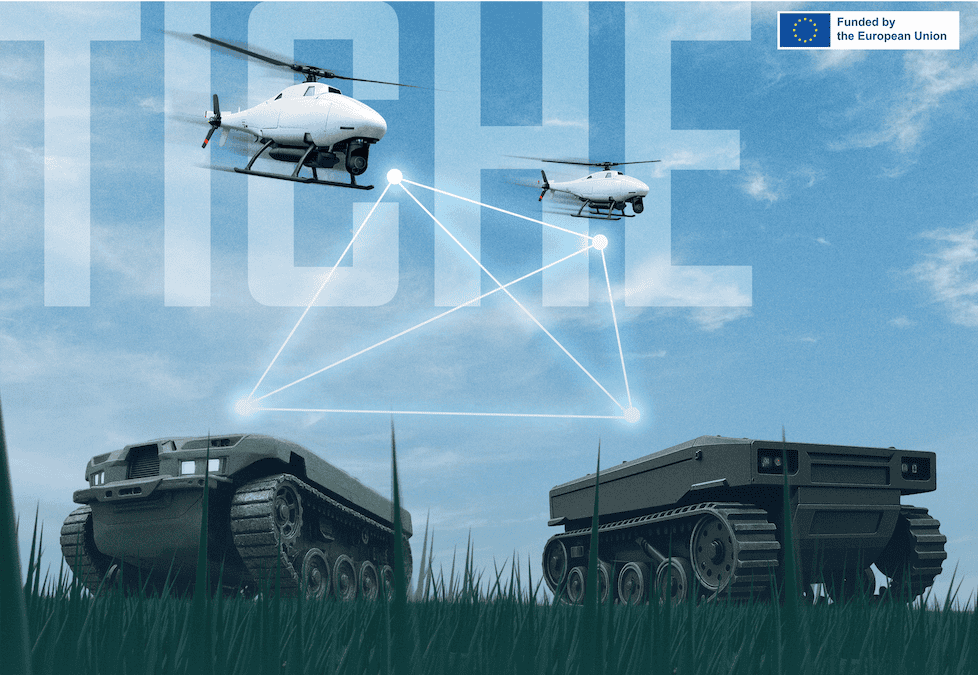
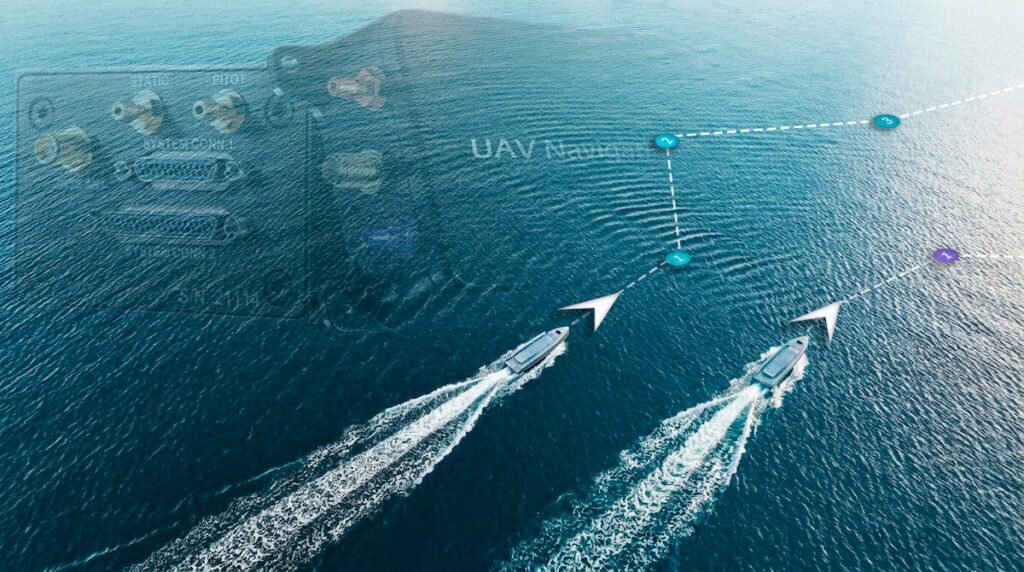
A primary advancement of version 9.2 is its support for coordinated multi-domain operations, which allows heterogeneous unmanned aerial vehicle (UAV) and USV swarms to achieve shared situational awareness and cooperative behaviors across both air and sea domains. This framework leverages the company’s extensive experience with aerial platforms to introduce proven autonomy concepts into maritime missions, allowing operations to execute fully autonomously from launch to recovery without requiring continuous input from operators.
For maritime navigation and safety, the updated software integrates specialized detect-and-avoid functions adapted from aerial operations alongside Automatic Identification System (AIS) situational awareness. This combination ensures secure operations during critical phases such as approach, launch, and recovery within complex marine environments. Furthermore, the system supports dynamic real-time mission updates, enabling autonomous platforms to adapt to evolving environmental conditions or changing objectives mid-mission.
The upgrade also introduces advanced technical features including high-precision terminal guidance for complex missions like loitering munitions, robust heading estimation, and a fault-tolerant architecture. Flexible mission execution is further supported by advanced waypoint actions, multiple onboard mission plans, and adaptive control algorithms. This release reinforces the position of the Spanish guidance, navigation, and control specialist by extending its established standards of validation, documentation, and continuous maintenance — previously utilized in its fixed-wing, rotary-wing, vertical take-off and landing (VTOL), and target platforms — to the maritime sector.