



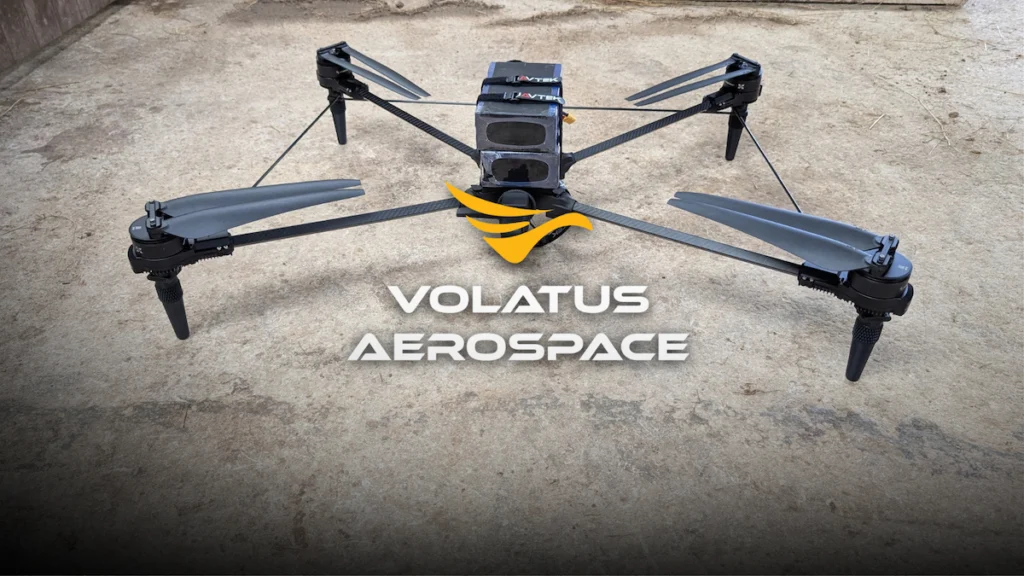
Canadian aerospace and defense company Volatus Aerospace has completed delivery of an uncrewed aircraft fleet under the initial C$4.5 million tranche of a training contract with a NATO partner.
First announced on December 15, 2025, the intelligence, surveillance and reconnaissance (ISR) training system contract carries a potential total value of up to C$9 million. Following this first handover, the allied customer has begun exercising options under the contract’s second tranche, placing additional orders with Volatus. The remaining unexercised contract balance stays available at the customer’s option through the end of 2027.
“This delivery represents an important milestone in the continued growth of our defense business,” said Glen Lynch, CEO of Volatus. “It demonstrates our ability to respond to clearly defined allied requirements with practical, scalable uncrewed solutions. Just as importantly, it strengthens our relationships with NATO allies and positions Volatus to support the growing demand for uncrewed systems, training and sustainment worldwide. The additional orders demonstrate continued customer commitment to the program and reinforce our ability to bring together aircraft, integration, training and support to meet allied requirements.”
The delivery fulfills the initial fleet shipment following supply-chain disruptions previously disclosed in the company’s quarterly financial reporting.
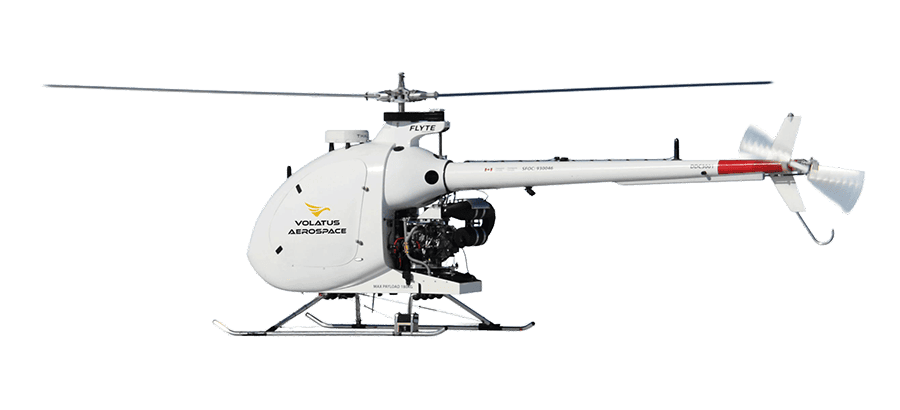
The turnkey program delivers durable, commercially derived training aircraft accompanied by integrated control interfaces, operational and technical documentation, instructor familiarization, warranty coverage and comprehensive lifecycle support. While specific technical configurations remain confidential under the terms of the agreement, the systems feature intuitive controls and automated safety functions specifically designed for defense personnel with limited prior uncrewed aerial systems experience.
The training fleet is engineered for repeated operation in controlled training environments, allowing personnel to build baseline skills in flight, navigation and foundational ISR before transitioning to advanced operational platforms.
“Training is foundational to the effective adoption of uncrewed systems,” added Lynch. “This program gives new operators the tools and experience they need to begin building that capability, while creating a pathway toward more advanced systems and applications.”
As NATO members continue to expand their operational reliance on uncrewed technologies, structured operator development has become an essential element of allied defense readiness. Volatus plans to leverage the completed milestone and its combined manufacturing, integration and sustainment capabilities to pursue further opportunities across allied markets.