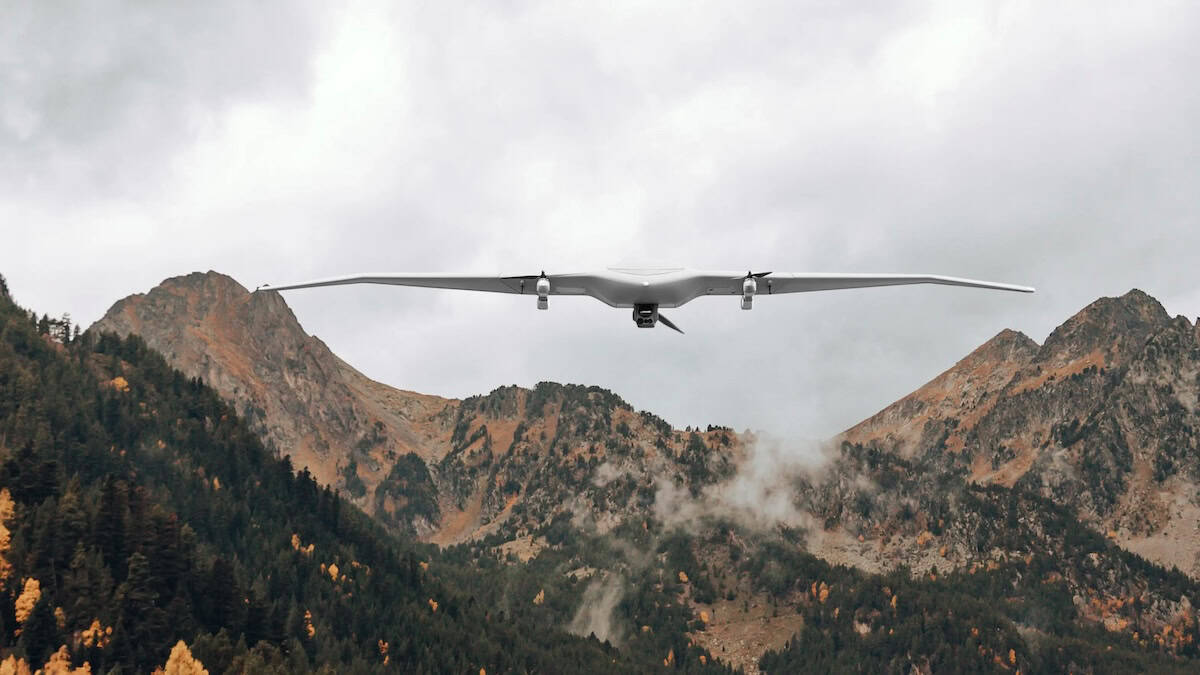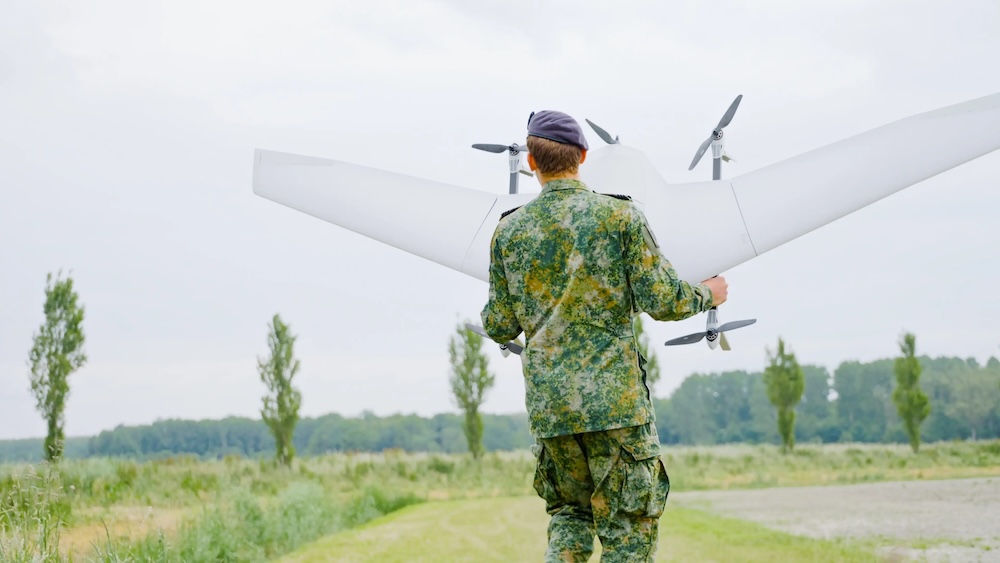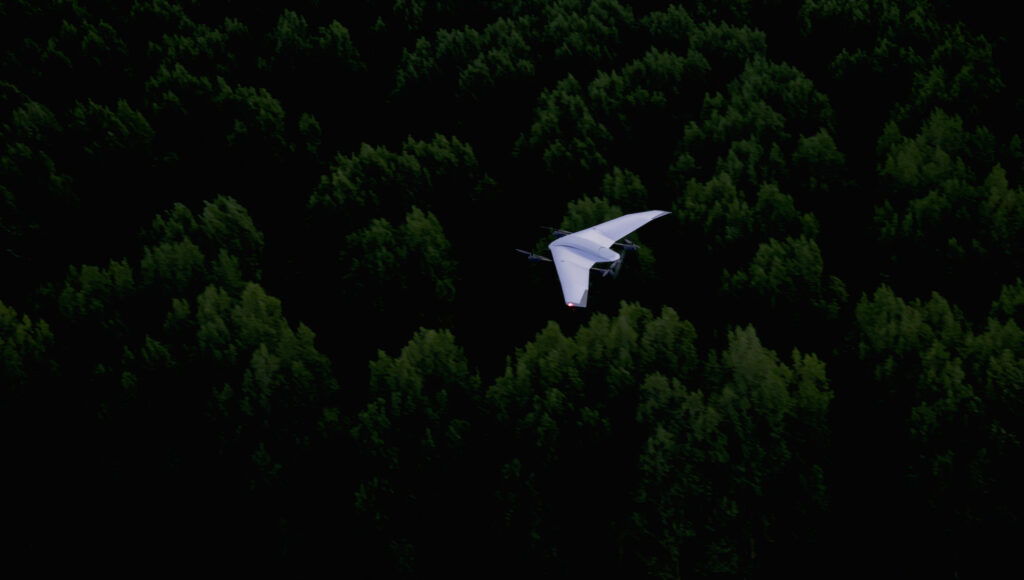
DeltaQuad has introduced the Evo-LE, a long-endurance variant of its electric fixed-wing vertical take-off and landing platform designed to deliver up to eight hours of continuous flight.
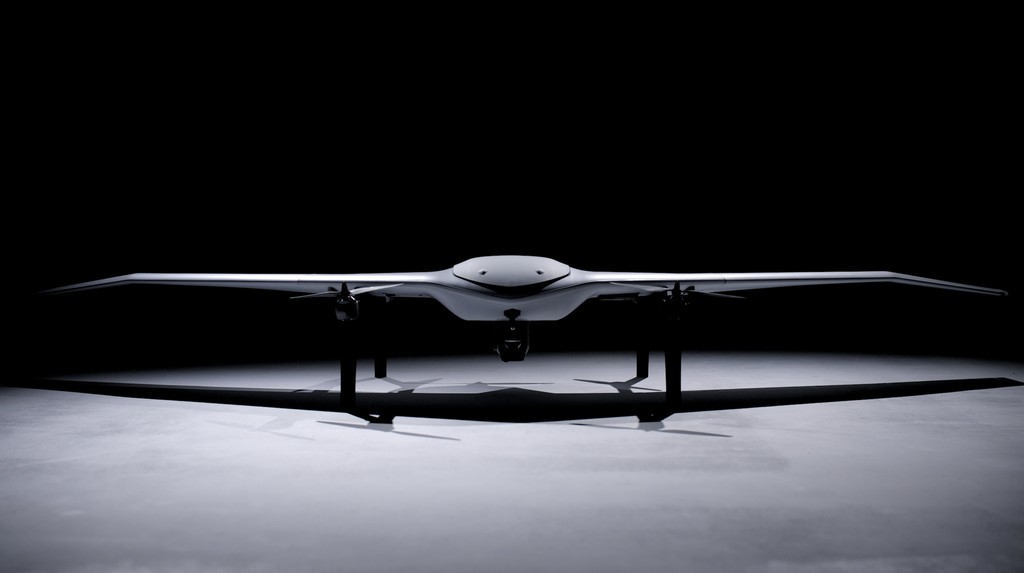
The new aircraft addresses a critical need for persistent aerial intelligence across large, remote, and contested environments without reliance on traditional runway infrastructure. Engineered around frontline operator feedback and thousands of operational flight hours, the system supports Intelligence, Surveillance, Target Acquisition, and Reconnaissance (ISTAR), border surveillance, and communications relay operations.
Ross Jackson, Chief Commercial Officer at DeltaQuad, said, “Endurance changes what is possible in a mission. More flight time over an area of interest provides operators with greater continuity in the information they receive and reduces the need to rotate systems during a mission. Evo-LE gives defence and security organisations a practical way to extend aerial intelligence missions while retaining the deployment flexibility of electric VTOL.”
Depending on payload setup, operating conditions, and mission profile, the platform achieves a maximum flight range of 480 km and a radio communications range of up to 120 km. The system features a maximum take-off weight of 13 kg, accommodates payloads up to 1.5 kg, and operates in ambient temperatures between -20°C and +45°C with an IP54 environmental rating.
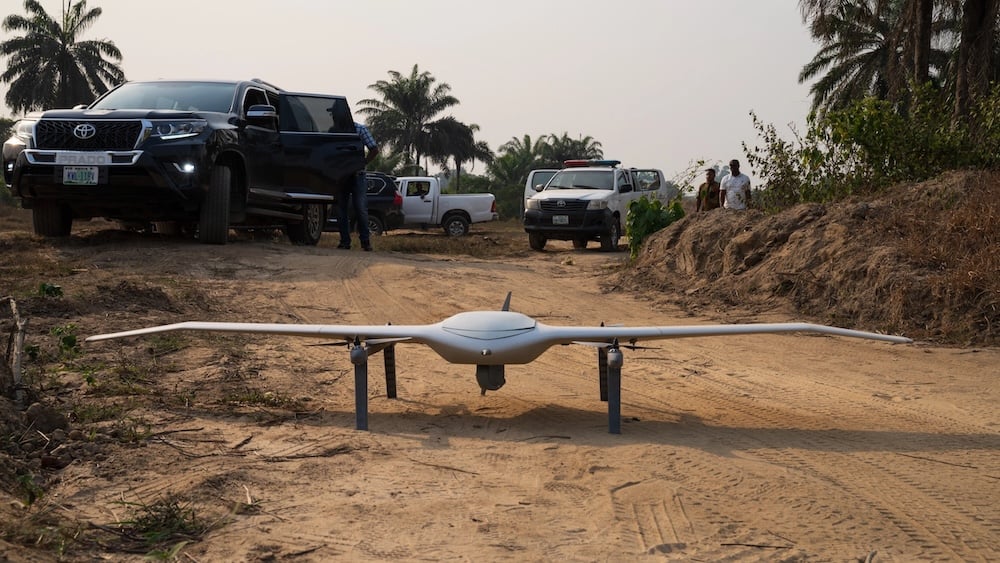
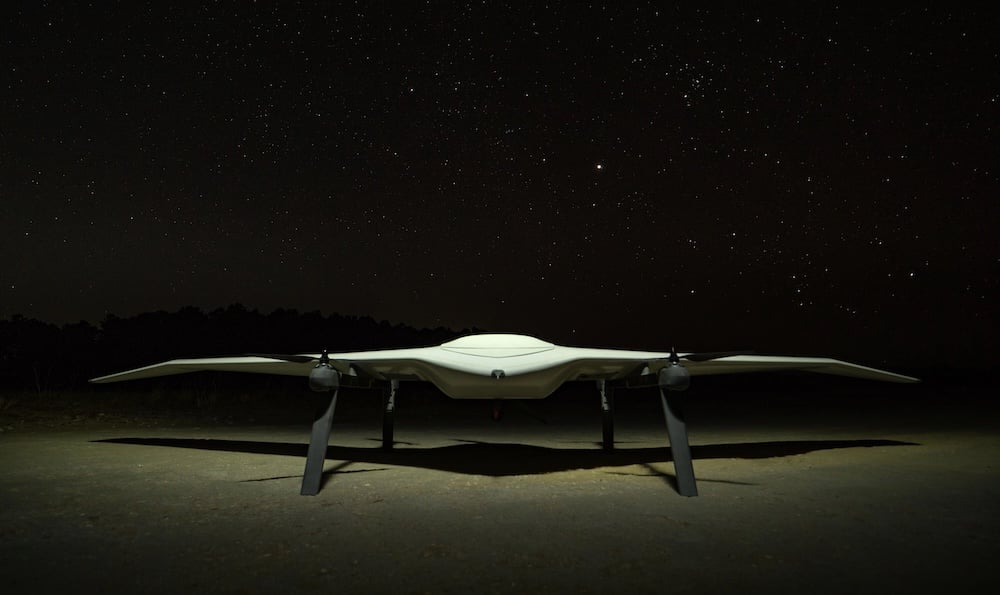
To support operations in complex environments, the platform can be configured with anti-jamming capabilities, secure communications, and autonomous navigation tools. Its vertical take-off and landing mechanics permit launch and recovery in confined spaces, while an automatic landing gear retracts to offer an unobstructed 360-degree field of view during flight execution.
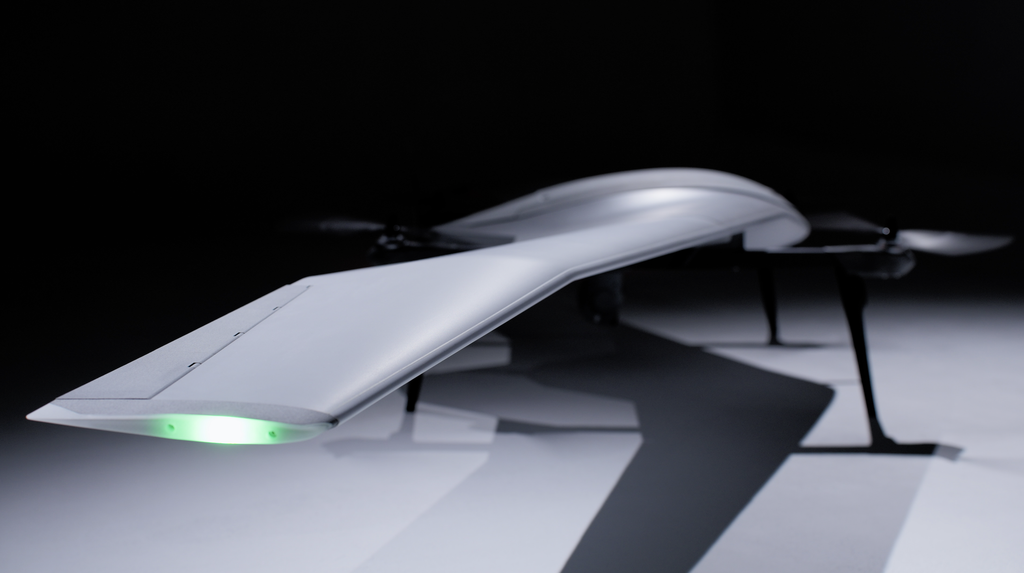
Built on DeltaQuad’s Block 3 airframe, which is shared with the standard Evo model, the ruggedised airframe incorporates redesigned composite materials, enhanced rain performance, a heated pitot tube, regulatory-compliant navigation lighting, and landing legs designed to detach upon hard impact to safeguard the central airframe.
While the standard Evo model prioritises payload flexibility using single- or dual-battery options, the Evo-LE is tailored exclusively for maximum operational endurance through a fixed dual-battery setup.
Mark van Schie, Head of Product at DeltaQuad, added, “Achieving this level of endurance required changes across the platform, not simply increasing battery capacity. The redesign combines higher-energy-density battery technology with a dual-battery configuration, a redesigned electrical architecture and an upgraded VTOL drivetrain. The result is a platform engineered specifically for longer missions and demanding field conditions.”