

Tyto Robotics explores the principles behind Boundary Layer Wind Tunnel (BLWT) testing, explaining how modern wind simulation technologies are helping engineers recreate atmospheric conditions for more realistic structural and aerodynamic research.
Originally developed for aerospace applications, wind tunnels have become valuable tools in civil engineering, where they are used to assess wind loads, structural movement and environmental effects. However, traditional tunnels produce relatively smooth, steady airflow that does not accurately represent the turbulent nature of natural wind.
The article examines the atmospheric boundary layer and the challenges of reproducing its characteristics in a controlled environment. It explores how BLWT experiments help researchers investigate everything from wind loads on tall buildings and snow accumulation on rooftops to pedestrian-level wind conditions and pollutant dispersion.
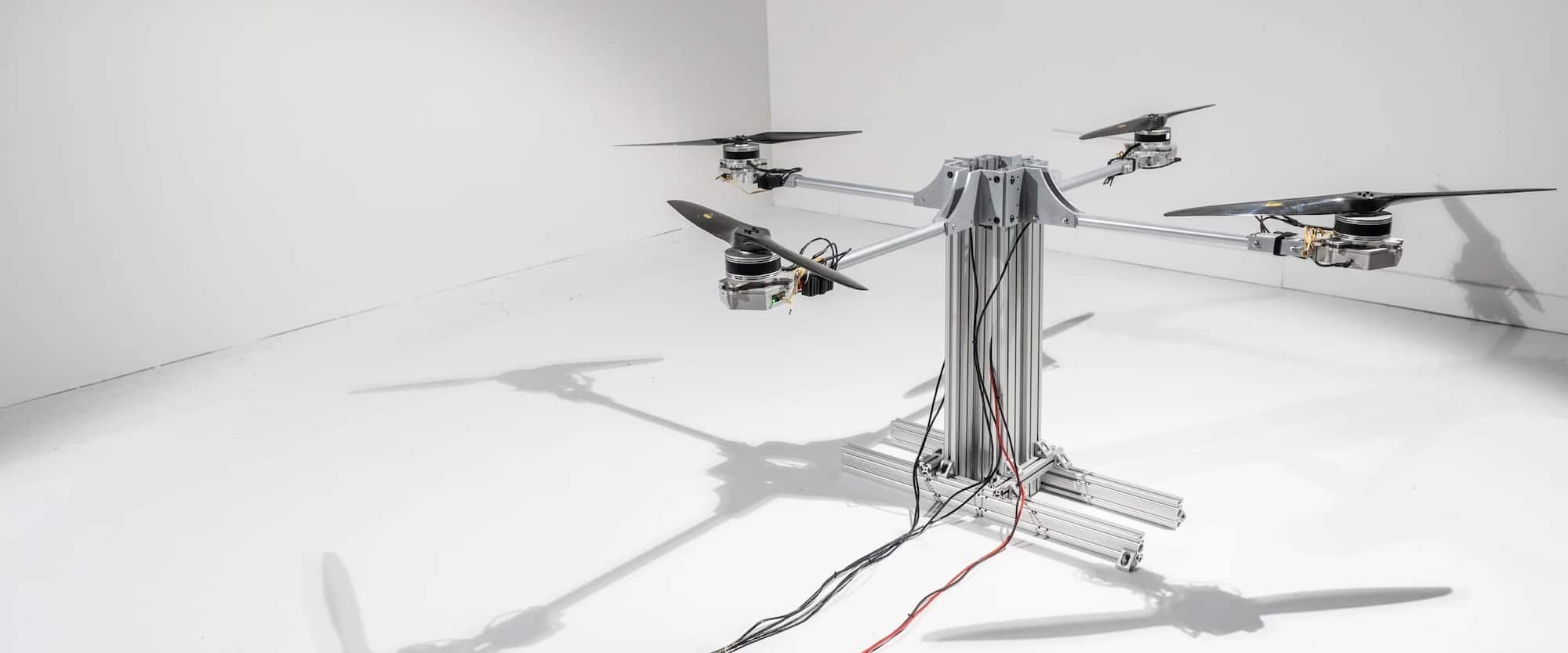
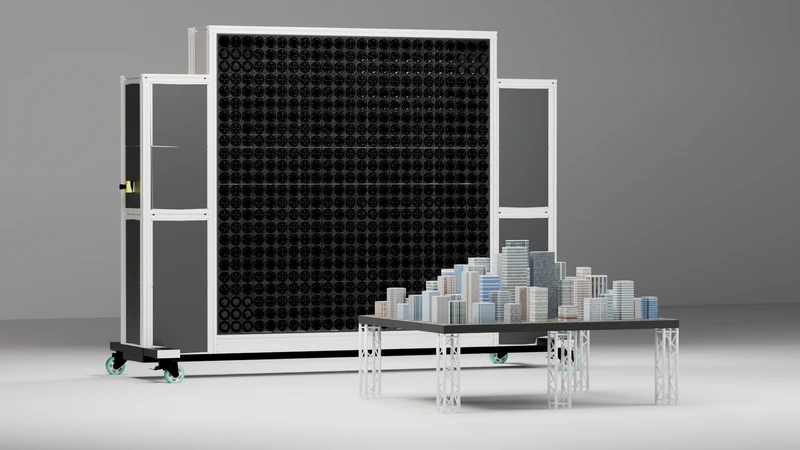
Tyto Robotics also introduces its WindShaper technology, which uses individually controlled, counter-rotating fan arrays to generate specific wind-speed and turbulence profiles. This approach allows researchers to simulate atmospheric boundary layer conditions without relying on traditional flow-adjustment equipment, supporting applications including structural testing, wind turbine research and UAV development.
Read Boundary Layer Wind Tunnel Experiments – An Introduction.